
 Pin This
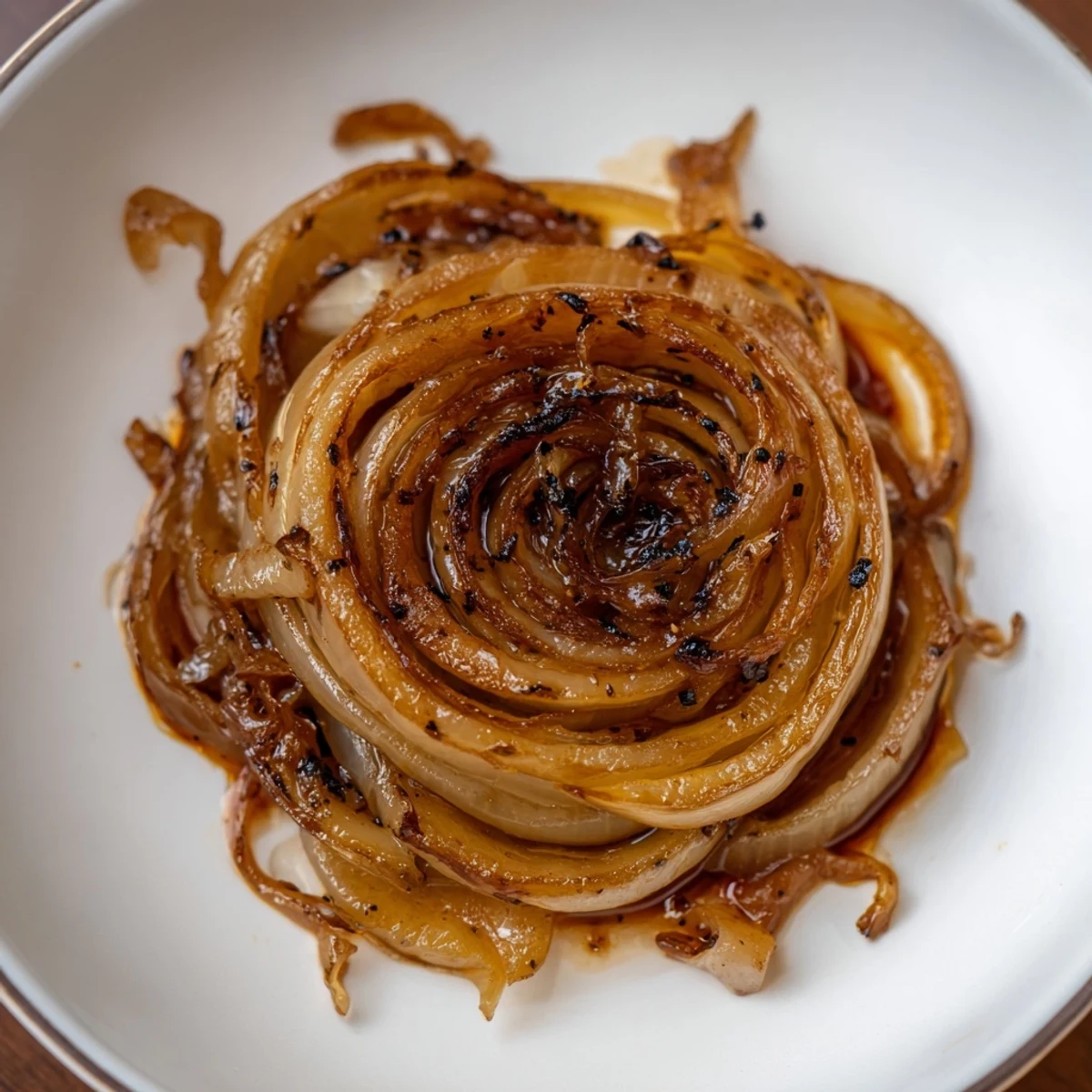
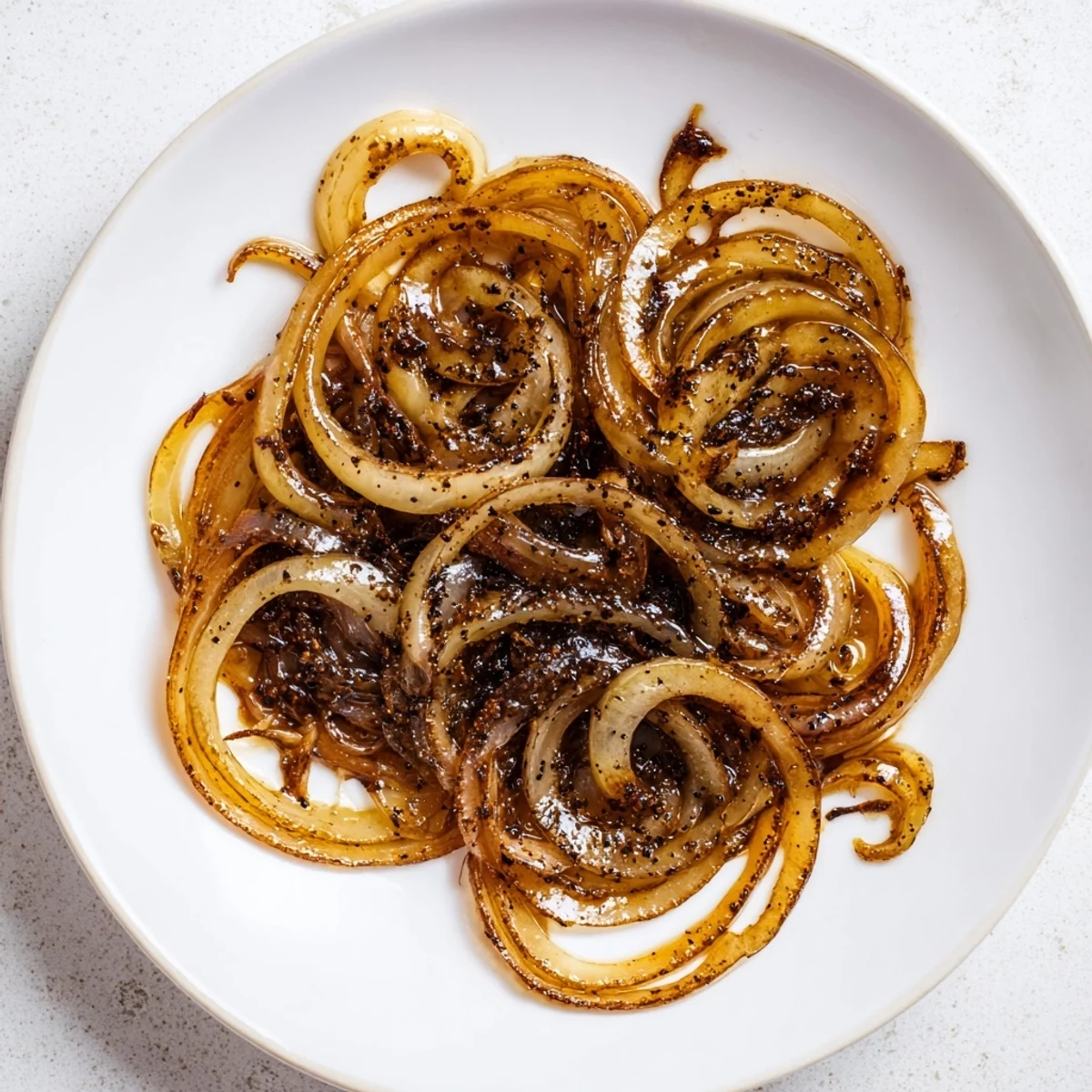
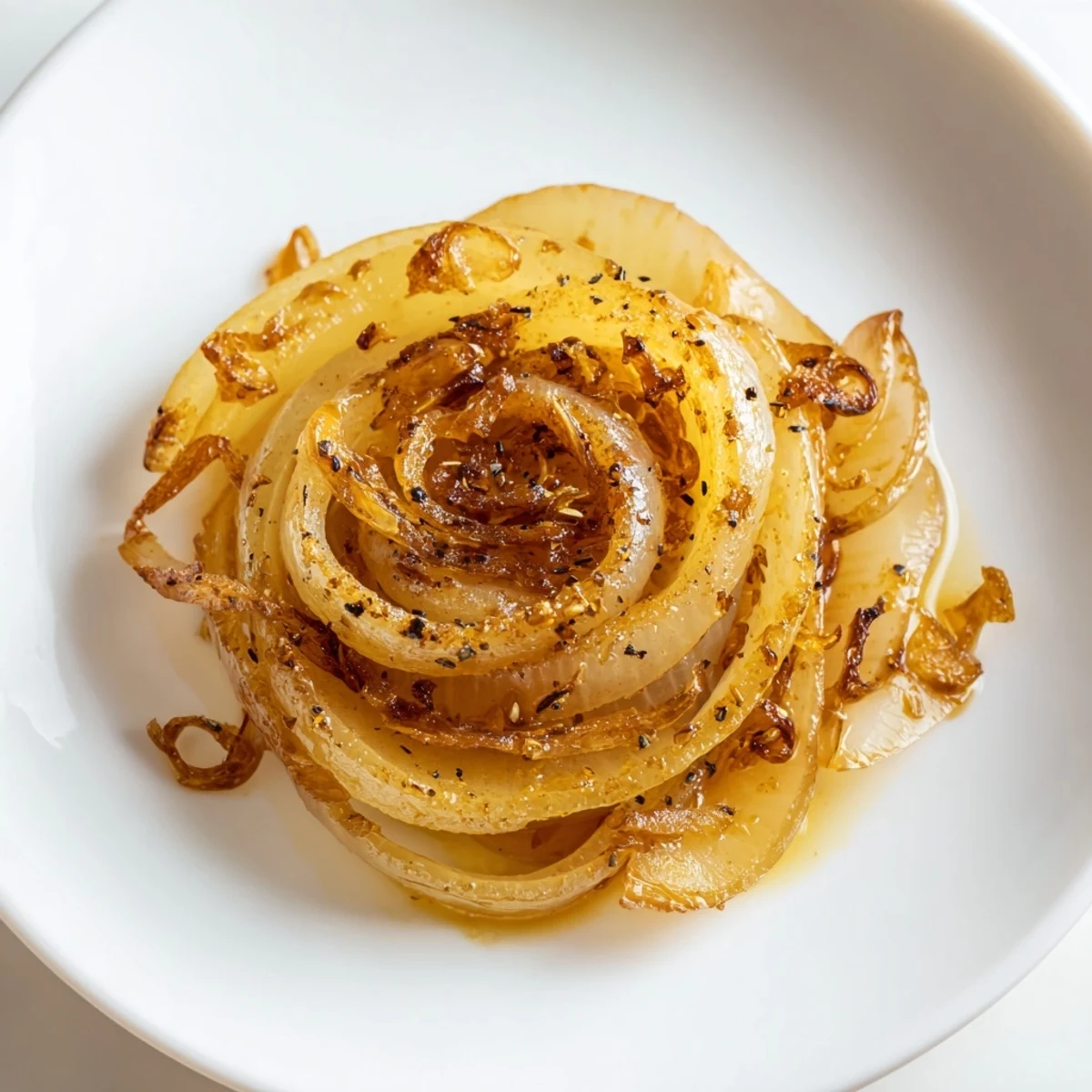
 Deliciously caramelized yellow onions are cooked slowly in butter and olive oil, then sweetened with brown sugar. A tangy balsamic vinegar glaze is added before drizzling with fragrant browned butter for a rich finish. This flavorful blend complements meats, salads, or bruschetta, offering a balance of sweetness, tang, and nutty warmth. Simple steps and fresh ingredients bring out the natural sweetness and depth in every bite.
I used to think caramelized onions were impressive enough on their own until a friend tossed brown butter into the pan at the last second. The kitchen filled with this toasted, almost nutty sweetness that made everything else smell boring. I stood there watching the butter foam and darken, realizing I'd been missing out on the simplest upgrade. Now I can't make onions any other way.
I made this for a dinner party once and set the skillet on the table still warm. People kept reaching over with forks, dragging caramelized strands onto their plates between courses. One guest asked if I'd used some secret ingredient, and I just smiled and said butter, but better. It became the thing everyone remembered more than the main dish.
Ingredients
- Yellow onions: Slice them thin so they melt down into soft, sweet ribbons instead of chunky pieces that never quite caramelize.
- Unsalted butter: You need control over the salt, and browning butter intensifies everything, so unsalted keeps it balanced and lets the nutty flavor shine.
- Olive oil: It raises the smoke point so the butter doesn't burn while the onions take their time getting golden.
- Balsamic vinegar: Just enough to cut through the richness and add a dark, tangy glaze that clings to every strand.
- Brown sugar: Helps the onions hit that deep amber color faster and adds a hint of molasses warmth.
- Sea salt and black pepper: Season early with salt to draw out moisture, and finish with pepper so it stays sharp and doesn't cook away.
Instructions
- Start the onions:
- Heat the olive oil and two tablespoons of butter in a large skillet over medium heat until it melts and starts to foam lightly. Add the sliced onions and salt, stirring them around so they coat evenly and begin to soften without browning too fast.
- Caramelize slowly:
- Let the onions cook for twenty to twenty five minutes, stirring every few minutes so they release their sugars and turn golden without sticking. Lower the heat if they start to darken too quickly.
- Sweeten and deepen:
- Reduce the heat to low, stir in the brown sugar, and cook another five minutes until the onions look glossy and jammy. They should smell sweet and almost sticky.
- Brown the butter:
- In a small saucepan, melt the remaining tablespoon of butter over medium heat, swirling the pan as it foams and turns golden brown with a nutty aroma. Pull it off the heat as soon as you see those brown flecks at the bottom.
- Glaze with balsamic:
- Pour the balsamic vinegar into the skillet with the onions, scraping up any stuck bits from the bottom. Let it bubble and reduce for two to three minutes until the liquid mostly disappears and leaves a thick, shiny coating.
- Finish and serve:
- Drizzle the browned butter over the glazed onions, season with black pepper, and stir everything together. Serve warm, straight from the pan or spooned over whatever needs a little magic.
 Pin This
 There was a night I piled these onions onto toasted bread with a little goat cheese and served them as an appetizer because I had nothing else ready. Everyone ate them standing in the kitchen, reaching for seconds before I even plated the rest of dinner. That's when I realized this wasn't just a side dish, it was the kind of thing that makes people linger.
Serving Ideas
Spoon them over grilled steak or pork chops while everything's still hot so the butter melts into the meat. Pile them onto burgers, mix them into mashed potatoes, or spread them on crostini with a smear of ricotta. I've even stirred them into scrambled eggs on a lazy Sunday morning and felt like I was eating at a bistro.
Make Ahead and Storage
You can caramelize the onions up to two days ahead and keep them in the fridge, then reheat gently and add the brown butter and balsamic just before serving. They lose a little of that fresh gloss if you store them fully finished, but they still taste incredible. Reheat low and slow so the butter doesn't separate or turn greasy.
Variations and Swaps
If you want a vegan version, use plant based butter and the result is nearly identical, just check the label if you're avoiding soy or nuts. A pinch of fresh thyme or rosemary stirred in at the end makes the whole thing smell like an herb garden. Sometimes I swap the brown sugar for maple syrup when I want a deeper, almost smoky sweetness.
- Try red onions for a slightly sharper flavor and a gorgeous deep purple color.
- Add a splash of red wine instead of balsamic for a richer, less tangy glaze.
- Toss in a handful of toasted walnuts or pecans at the end for crunch and extra richness.
 Pin This
 This is one of those recipes that makes you look like you tried harder than you did. Keep it in your back pocket for when you want something simple to feel special.
Recipe FAQs
- → How do I achieve perfectly caramelized onions?
-
Cook sliced onions slowly over medium-low heat with a bit of salt, stirring occasionally until they soften and turn golden brown, which usually takes about 20-25 minutes.
- → What is the purpose of browning the butter?
-
Browned butter adds a nutty, rich aroma and depth of flavor that enhances the sweetness and tanginess of the glazed onions.
- → Can I substitute balsamic vinegar with another ingredient?
-
You can use red wine vinegar or sherry vinegar for a slightly different but still tangy glaze, though balsamic gives a distinct sweetness.
- → How can I make this dish vegan-friendly?
-
Replace the unsalted butter with a plant-based alternative to maintain richness without dairy.
- → What dishes pair best with these glazed onions?
-
They complement grilled meats, fresh salads, crostini, burgers, or can be used as a flavorful topping on bruschetta.