
 Pin This
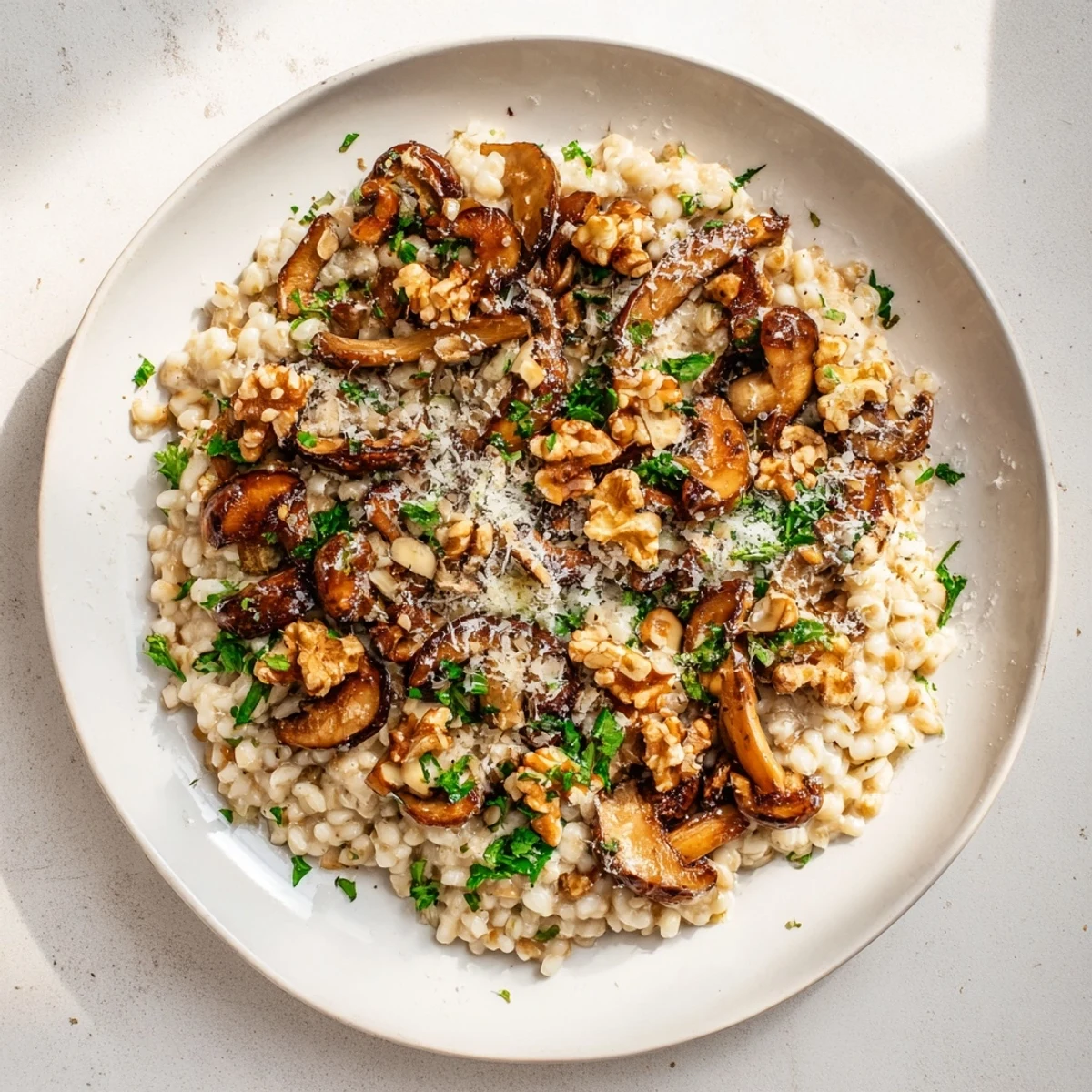
 This creamy barley risotto combines pearl barley with a medley of sautéed mushrooms and finishes with toasted nuts for added texture and depth. Aromatics like onion and garlic create a flavorful base, while gradual addition of vegetable broth cooks the barley to a tender, slightly firm bite. Parmesan cheese and fresh parsley enrich the dish, making it comforting yet balanced with nutty and earthy notes. Ideal as a nutritious main dish that embraces traditional techniques with wholesome ingredients.
I discovered barley risotto quite by accident on a rainy autumn evening when I found myself without traditional arborio rice but with a well-stocked pantry. That night, I reached for pearl barley, a grain I'd always overlooked, and combined it with earthy mushrooms from the farmer's market. The result was so unexpectedly creamy and comforting that it became a dish I now make whenever I want something that feels both nourishing and luxurious—proof that sometimes the best recipes come from happy kitchen mistakes.
I'll never forget serving this to my brother on his first dinner back home after moving away. He took one bite and his expression shifted from polite anticipation to genuine surprise. That bowl of barley risotto became a moment where a simple weeknight dinner turned into something memorable, the kind of meal that reminds people why they miss home.
Ingredients
- Pearl barley, rinsed (1 cup): This whole grain is the heart of the dish—rinse it well to remove any dusty coating, and you'll notice how it absorbs flavor as it cooks. It has a naturally chewy texture that stays firm even when creamy, which is exactly what makes this risotto so satisfying.
- Mixed mushrooms, sliced (300 g): Use whatever combination speaks to you—cremini, shiitake, and button mushrooms all bring different earthiness to the table. The key is slicing them evenly so they cook together and release their golden juices into the pan, creating an umami-rich base.
- Onion, finely chopped (1 medium): This is your flavor foundation. Take time with the chopping and the cooking—those 3 to 4 minutes of softening aren't wasted time, they're building the foundation that everything else will rest upon.
- Garlic, minced (2 cloves): Just a minute in the pan is enough to wake up the entire dish without letting it turn bitter. Fresh garlic makes all the difference here.
- Olive oil and unsalted butter (2 tablespoons and 1 tablespoon): The combination of both gives you the fruity notes of olive oil with the rich comfort of butter. Don't skip the butter—it's what creates that velvety finish.
- Dry white wine (1/2 cup): Pinot Grigio or a similar crisp white wine adds brightness and acidity that cuts through the richness. This ingredient is what separates a good risotto from one that tastes flat.
- Warm vegetable broth (4 cups): Keeping it warm in a separate pot means each addition is absorbed properly without shocking the barley into uneven cooking. Low-sodium lets the other flavors shine through.
- Parmesan cheese, grated (1/4 cup plus extra): Added at the end, it creates that creamy texture without cream. The quality matters—freshly grated always tastes better than pre-shredded.
- Toasted walnuts or hazelnuts, chopped (1/3 cup): These add the nutty flavor that gives this dish its character. Toasting them yourself (or buying pre-toasted) makes them pop with flavor and adds a pleasant crunch that contrasts beautifully with the creamy barley.
- Fresh parsley, chopped (2 tablespoons): This is your final flourish—bright, fresh, and a reminder that this dish is alive with flavor.
- Salt and freshly ground black pepper: Taste as you go, especially toward the end when all the flavors have melded together.
Instructions
- Build your flavor base:
- Pour the olive oil and butter into a large, heavy-bottomed pan and let them warm together over medium heat. Once the butter melts and foams slightly, add your chopped onion. Watch as it gradually softens and turns translucent—this takes about 3 to 4 minutes, and it's worth waiting for. The onion is the foundation of everything that comes next, so don't rush it. When it's ready, stir in your minced garlic and let it perfume the pan for just 1 minute, filling your kitchen with that unmistakable aroma.
- Sauté the mushrooms until golden:
- Add your sliced mushrooms to the pan and watch them transform. At first they'll look dry and pale, but after 5 to 7 minutes of stirring occasionally, they'll release their moisture and turn a deep golden brown. Listen for the gentle sizzle and watch for that beautiful color change—that's when you know they've developed their deepest, earthiest flavor. Some of the liquid will evaporate, and what remains is pure umami intensity.
- Toast the barley briefly:
- Stir in your rinsed pearl barley and let it toast in the pan for about 2 minutes. You're not looking for color here—just a moment for the grain to become warm and begin releasing its subtle nutty aroma. This step might seem small, but it wakes up the grain and prepares it to absorb all the flavors ahead.
- Add the wine and let it dance:
- Pour in your white wine and stir steadily, listening to the gentle sizzle as the acidity hits the pan. Keep stirring until the wine is mostly absorbed—usually 2 to 3 minutes—and you'll see the barley begin to glisten. The wine transforms into part of the grain rather than sitting on top of it.
- Begin the gentle rhythm of adding broth:
- This is where the magic of risotto happens, and it's worth embracing the rhythm. Add one ladle of warm broth, stir frequently, and wait patiently until most of the liquid is absorbed before adding the next ladle. This process takes 35 to 40 minutes, and yes, you'll need to stay present—but that standing time, stirring and watching, is when you're creating something special. The barley gradually becomes creamy while maintaining that slight firmness that makes it interesting. You'll notice the broth turning creamy as it releases the barley's natural starches. By the end, you want the barley tender with just the slightest bite—what Italians call al dente.
- Finish with elegance:
- Once your barley is perfectly cooked, remove the pan from heat. Stir in the grated Parmesan, letting it melt into the creamy mixture and making everything silkier. Fold in your chopped toasted nuts—this is when you add that final layer of texture and flavor—and half of your fresh parsley. Taste and adjust the seasoning with salt and pepper until it sings.
- Serve with joy:
- Spoon into warm bowls, letting the risotto settle into a gentle mound. Sprinkle with the remaining parsley and extra Parmesan. Serve immediately while it's warm and that creamy texture is at its peak.
 Pin This
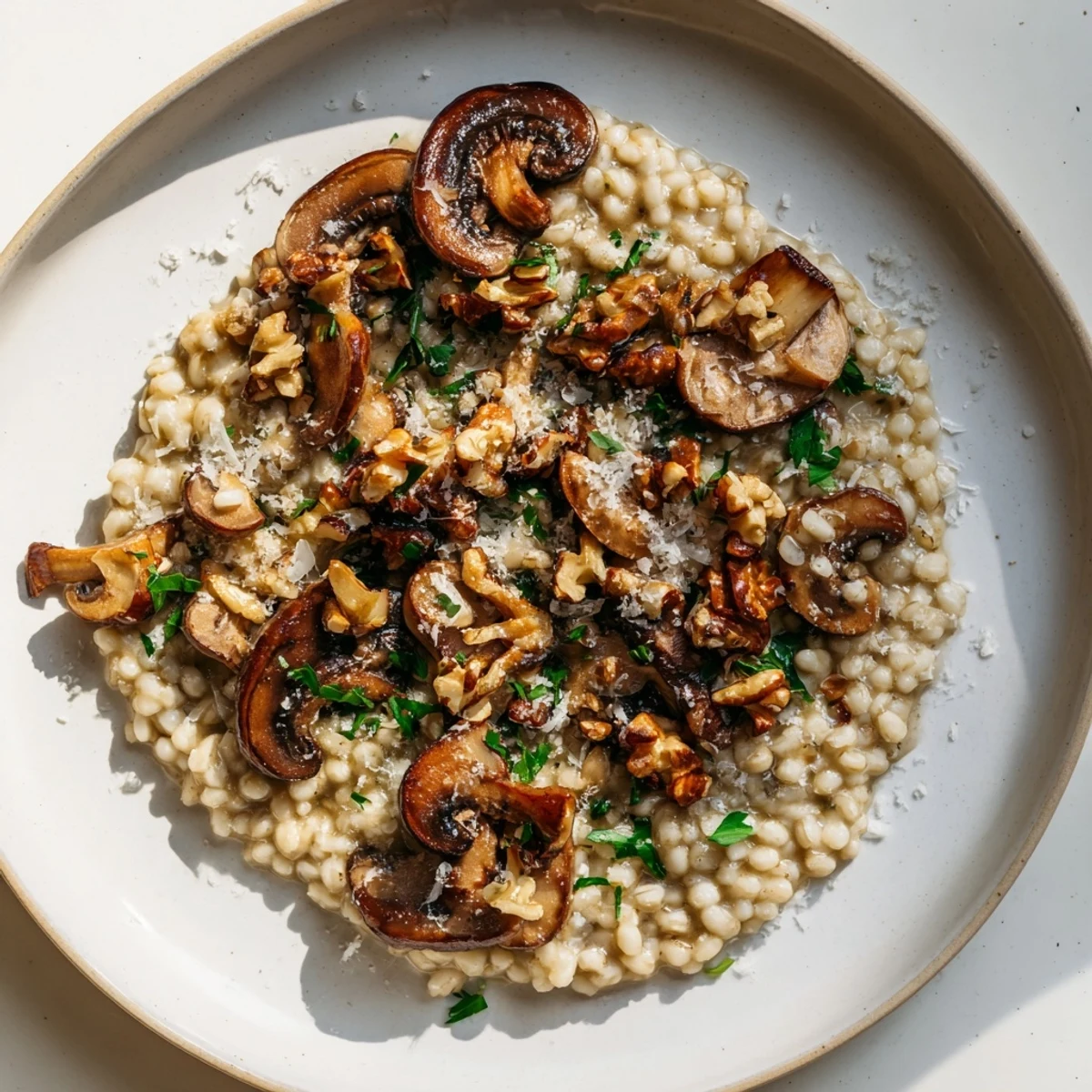
 There's something deeply satisfying about sitting down to a bowl of barley risotto, knowing that you've created something so creamy and luxurious without relying on heavy cream. It's the kind of meal that makes you feel nourished and comforted at the same time, and it transformed the way I think about grains in the kitchen.
Why Pearl Barley is Your New Secret Ingredient
Pearl barley is one of those humble grains that most people overlook, reaching instead for rice or pasta. But once you taste it in risotto, you'll understand why it deserves a permanent place in your pantry. It has a natural sweetness and nuttiness that develops as it cooks, creating layers of flavor that regular risotto can't achieve. The texture is also different—firmer, chewier, more substantial—which means you're eating something that feels grounding and complete. Pearl barley is also packed with fiber and protein, making this dish genuinely nourishing in a way that feels luxurious rather than virtuous.
The Art of Mushroom Preparation
The mushrooms are what transform this from a simple grain dish into something with real depth. Don't be tempted to skip the sautéing step or to add them too early—they need time in the pan to develop their color and intensity. When you're choosing your mushrooms, variety matters. Cremini mushrooms bring earthiness, shiitake adds a subtle smokiness, and button mushrooms keep things balanced. If you find fresh mushrooms that you love at your local market, trust your instinct and use them. The most important thing is to slice them evenly so they cook at the same rate and turn that gorgeous golden brown color that signals they're ready to release all their flavor.
Making It Your Own
Once you understand the basic technique, this risotto becomes a canvas for your own creativity. You can add fresh spinach or peas in the final minutes—just stir them in after you remove the pan from heat so they keep their bright color and fresh taste. Some nights I add roasted garlic instead of raw, which makes the dish taste richer and more mellow. Other times I swap half the mushrooms for roasted root vegetables like parsnips or carrots. The technique stays the same, but the flavors shift with the seasons and whatever looks good at the market. This flexibility is part of what makes barley risotto so rewarding to cook.
- For a vegan version, use nutritional yeast instead of Parmesan—it adds the same savory depth with a different flavor profile
- If nuts are a concern, toasted pumpkin seeds deliver similar crunch and nutty flavor without the tree nut allergen
- This dish keeps well in the refrigerator for a few days and can be reheated gently with a splash of broth stirred through
 Pin This
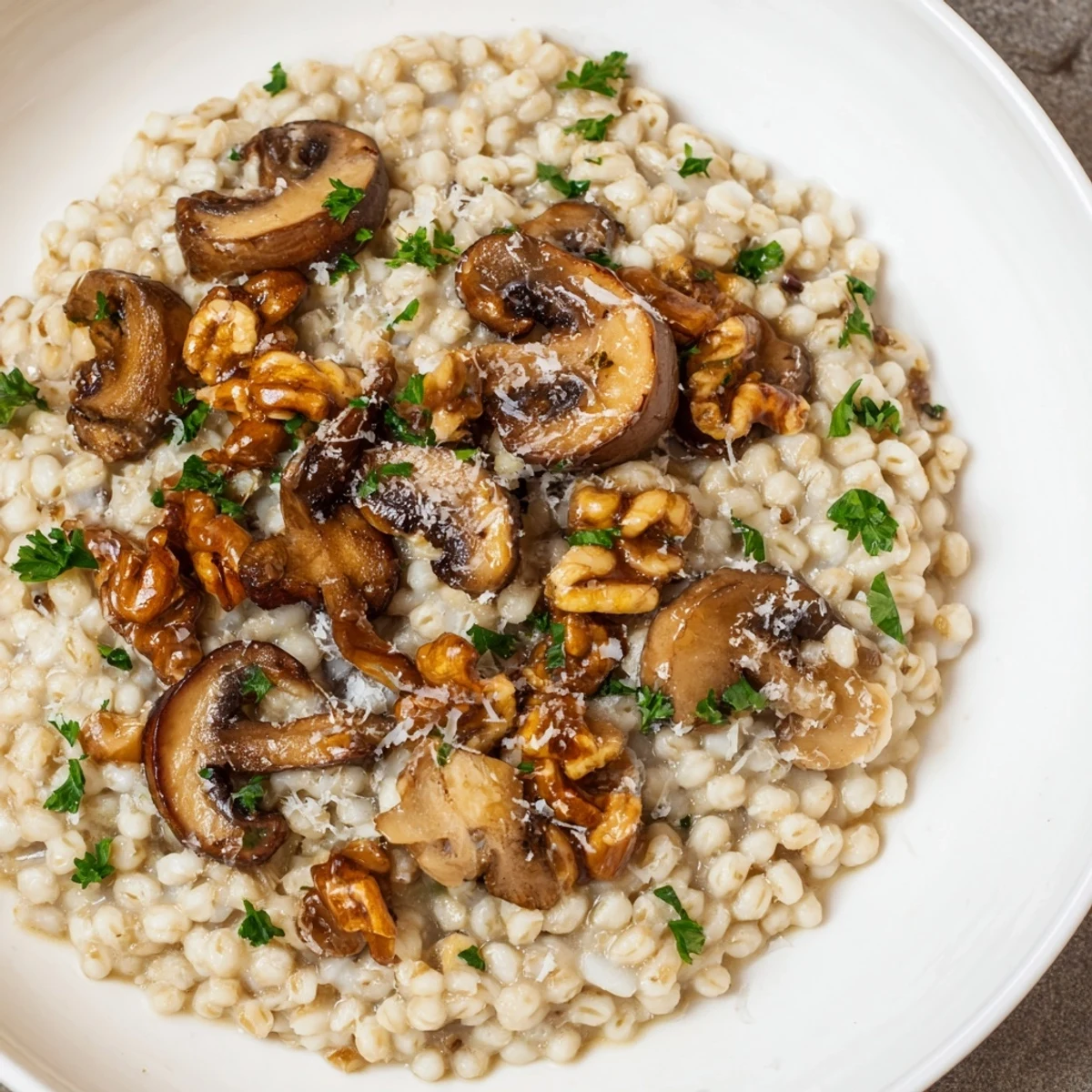
 There's real pleasure in mastering a technique that makes people pause mid-bite and ask how you made something taste this good. Barley risotto is that dish for me—comforting, nourishing, and surprisingly elegant.
Recipe FAQs
- → Can I substitute pearl barley with another grain?
-
Yes, you can use farro or brown rice as alternatives, but cooking times may vary and texture will differ slightly.
- → What types of mushrooms work best for this dish?
-
A mix of cremini, shiitake, and button mushrooms adds depth. You can adjust depending on availability or preference.
- → How can I enhance the nutty flavor?
-
Toasting walnuts or hazelnuts before adding them enhances their crunch and deepens their flavor within the dish.
- → Is there a way to make this dish vegan?
-
Replace Parmesan with nutritional yeast and use plant-based butter instead of dairy to maintain richness without animal products.
- → Should I stir the barley constantly like traditional risotto?
-
Frequent stirring helps release the barley's creamy starches but does not need to be constant; stirring often ensures even cooking and prevents sticking.