
 Pin This
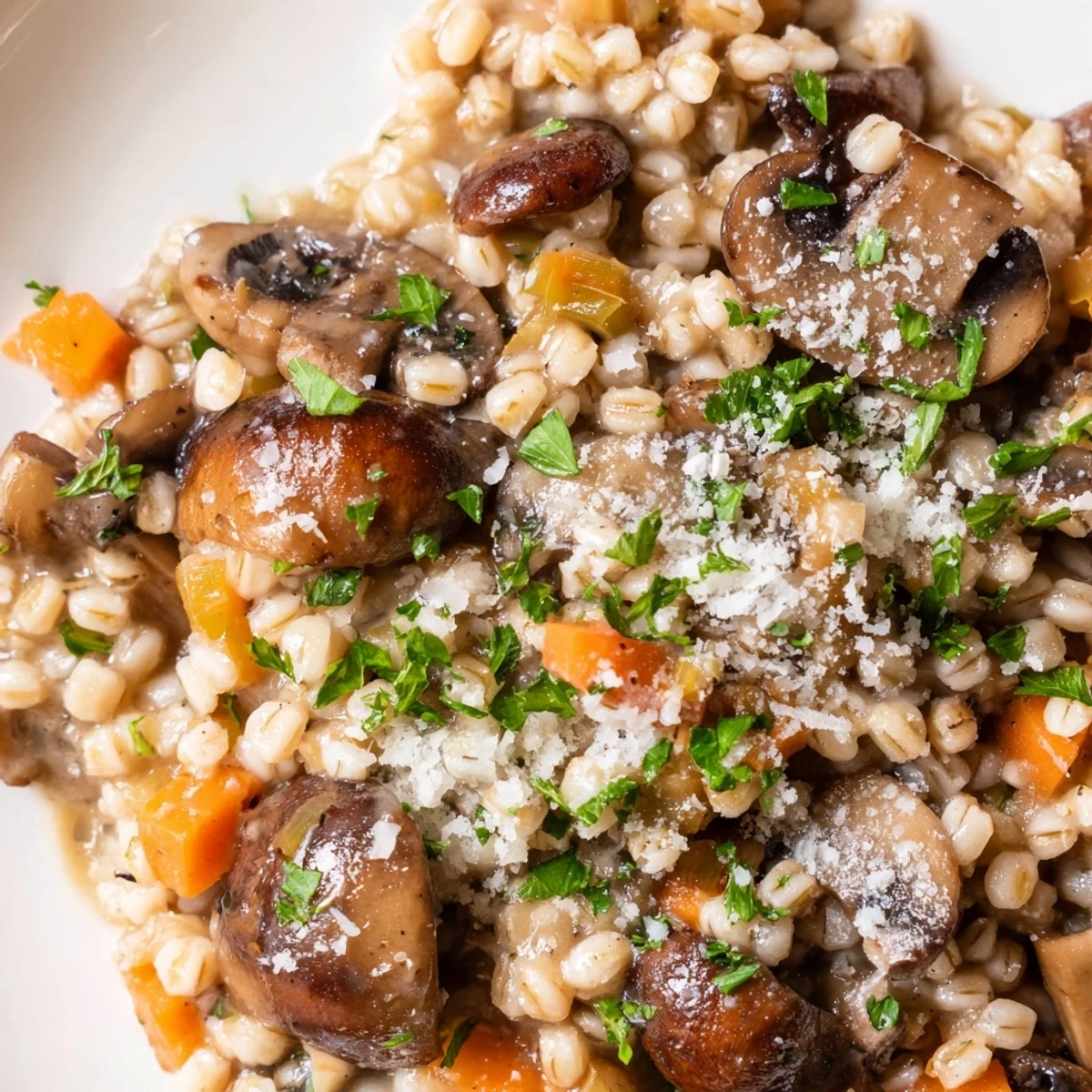
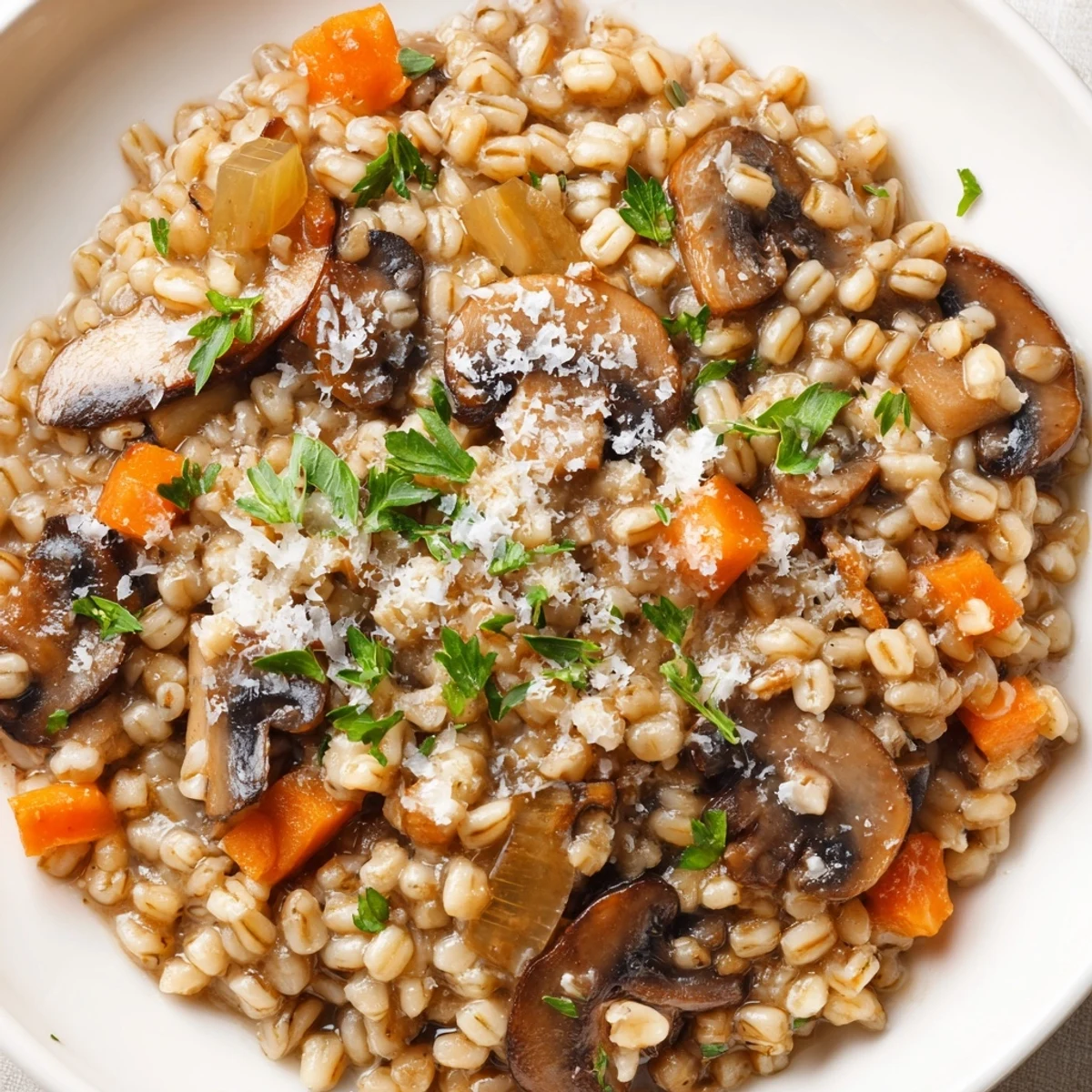
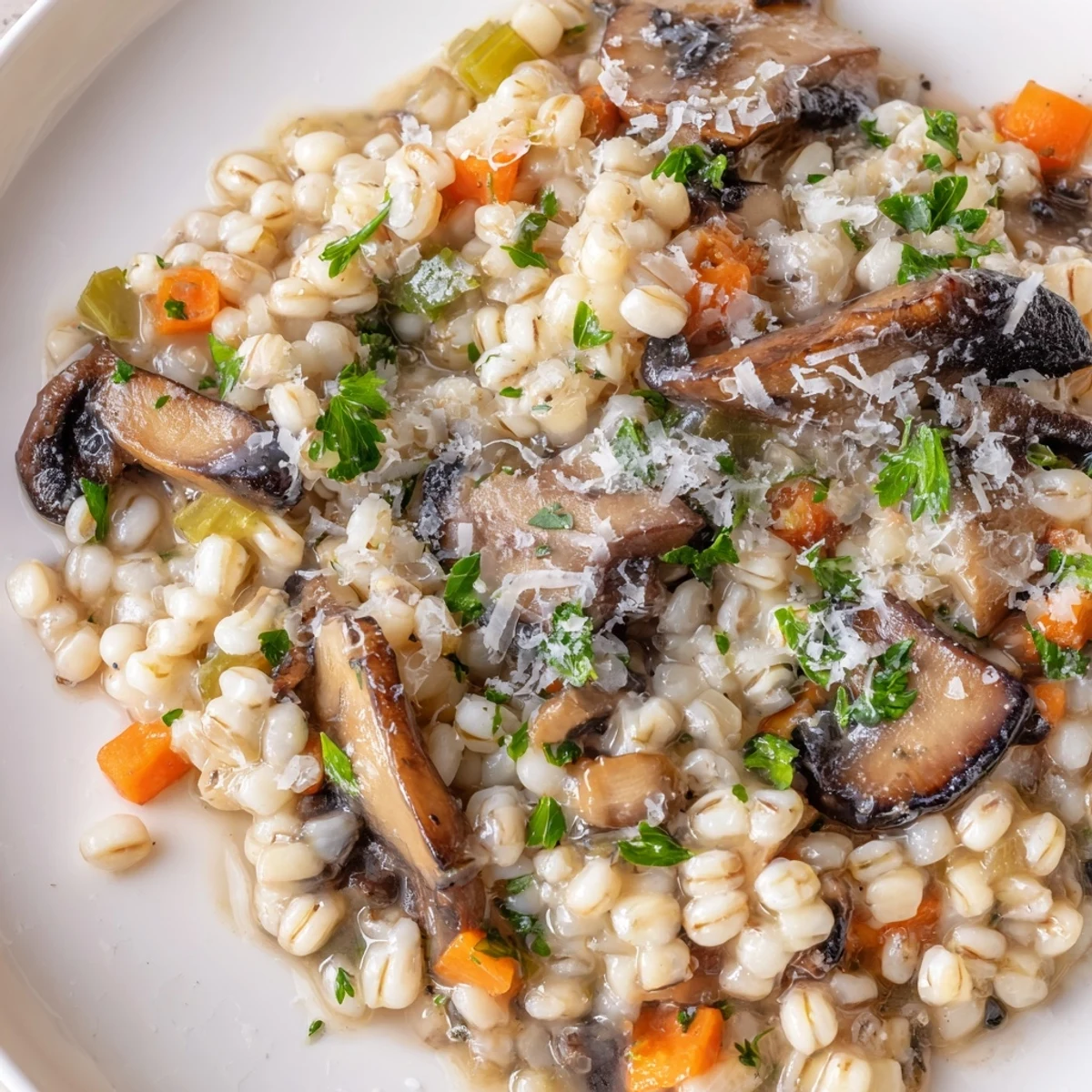
 This dish features pearl barley slowly cooked with a medley of cremini, shiitake, and button mushrooms, enhanced by sautéed onions, garlic, and fresh thyme. Warm vegetable broth is gradually absorbed to create a tender yet slightly chewy texture. Finished with butter, Parmesan, and fresh parsley, it offers rich, hearty flavors perfect for cozy dining. Ideal for vegetarians and easily adaptable for vegan preferences.
There's something magical about the moment when barley transforms from hard little pearls into something creamy and luxurious. I discovered this version of risotto entirely by accident—I'd run out of arborio rice one October evening and grabbed a bag of pearl barley from the pantry instead, thinking I'd just make do. Three friends were coming for dinner, and I was committed to not ordering takeout. What emerged was richer and nuttier than any traditional risotto I'd made before, with a texture that felt almost like a secret I'd stumbled onto.
I served this to my neighbor Marcus on a particularly rainy November afternoon, and he came back the next day asking for the recipe because he'd apparently made it twice already. That's when I realized this dish had something beyond comfort—it had this quiet confidence that made people want to return to it, like coming home to a favorite sweater.
Ingredients
- Pearl barley: The foundation—rinse it first to remove any starch, otherwise you'll end up with a gluey texture instead of those lovely distinct grains.
- Mixed mushrooms: Use cremini, shiitake, and button in equal measure; the variety gives you earthiness, umami depth, and a subtle sweetness all at once.
- Yellow onion: This needs to be finely chopped and cooked low and slow until it becomes almost translucent, which builds the base flavor for everything that follows.
- Garlic and aromatics: The carrot and celery aren't optional—they create the soffritto that makes this taste like someone's been cooking in this kitchen for hours.
- Fresh thyme: Don't skip the fresh version if you can help it; dried thyme tastes like old cardboard next to the bright, peppery real thing.
- Dry white wine: A crisp pinot grigio or sauvignon blanc works beautifully; avoid anything oak-heavy or you'll lose the delicate flavors.
- Warm vegetable broth: Keep it simmering on a back burner—cold broth will shock the barley and interrupt the cooking process.
- Butter and Parmesan: These are not luxuries here; they transform the dish in those last moments with richness and a subtle salty depth.
Instructions
- Start with the base:
- Heat olive oil over medium heat and add your finely chopped onion, letting it soften until it smells sweet and looks almost golden. You're building flavor here, not rushing.
- Build the aromatics:
- Add garlic, carrot, and celery, stirring occasionally until everything softens—you're creating a fragrant cushion for the mushrooms. The kitchen should smell like a French grandmother's kitchen right about now.
- Develop mushroom depth:
- Add your sliced mushrooms with thyme and let them release their juices naturally, stirring only occasionally so they can brown properly. This takes patience but rewards you with incredible flavor.
- Toast the barley:
- Stir the rinsed barley into the mixture for a minute or two, coating each grain with oil. You'll hear them clicking against the pan, and they'll smell slightly nutty—that's exactly right.
- Deglaze with wine:
- Pour in the white wine and stir constantly until it's absorbed almost completely. The barley grains will glisten, and the pan will smell like a restaurant kitchen.
- Add broth gradually:
- This is the heart of the technique—add just enough warm broth to barely cover the barley, then stir frequently and let each addition absorb before adding more. You're building creaminess through the barley's own starches, not cream. This takes about 30–35 minutes, and yes, you need to pay attention and stir.
- Finish with care:
- When the barley is tender but still has a slight chew, remove from heat and stir in butter and Parmesan immediately. Taste and adjust salt and pepper—remember the broth and cheese are already salty.
- Add brightness and serve:
- Stir in fresh parsley just before serving, as the heat will release its oils and brighten the whole dish. Serve hot with extra Parmesan shaved on top.
 Pin This
 The first time I served this properly was at a winter dinner party where someone mentioned they'd become vegetarian that month, and they were nervous about missing hearty food. Watching their face when they realized this was just vegetables and grains but tasted like pure comfort—that's when I understood why people ask for this recipe.
Why Barley Instead of Rice
Barley has this stubborn, nutty quality that actually deepens as it cooks, whereas risotto rice can sometimes feel delicate or even a bit watery if you're not careful. The grains hold their shape beautifully, giving you texture and personality instead of that sometimes mushy risotto texture. I've had people describe this as "creamy but still interesting," which feels like the highest compliment a grain dish could receive.
Making This Your Own
The mushroom version is my favorite, but I've made this with roasted root vegetables in December, with wild garlic and spring greens in April, and once with sundried tomatoes and basil when I was having a very Italian mood. The barley is flexible enough to play well with whatever your kitchen and season are offering you. Just remember that the technique stays the same—patient, attentive, and low-key.
Serving and Pairing
Serve this in shallow bowls where the creamy barley can settle and the mushrooms are visible—presentation matters because it signals care. A crisp white wine like pinot grigio or sauvignon blanc is essential, cutting through the richness and cleansing your palate between bites. I've learned that this dish doesn't need much else—maybe a simple arugula salad with lemon, or crusty bread for soaking up the sauce.
- A handful of fresh baby spinach stirred in at the very end adds both nutrition and a subtle brightness.
- If you want a vegan version, use vegan butter and nutritional yeast or a plant-based Parmesan alternative in the same quantities.
- This actually tastes better the next day, so don't hesitate to make it ahead and reheat gently with a splash of broth.
 Pin This
 This is the kind of recipe that proves you don't need fancy ingredients or complicated techniques to create something people will remember and ask you to make again. It's honest cooking—no shortcuts, no pretense, just barley and mushrooms becoming something warmer and better together.
Recipe FAQs
- → Can I substitute barley with another grain?
-
Yes, pearled barley can be replaced with farro or brown rice, though cooking times and textures may vary slightly.
- → How do I achieve the perfect texture?
-
Cook barley slowly, adding warm broth gradually and stirring frequently until tender but still slightly chewy.
- → What mushrooms work best here?
-
A mix of cremini, shiitake, and button mushrooms provides a balanced, savory flavor and pleasant texture.
- → Can this dish be made vegan?
-
Yes, substitute vegan butter and omit Parmesan or use a plant-based cheese alternative.
- → What herbs complement this dish?
-
Fresh thyme and parsley add aromatic freshness that enhances the earthiness of mushrooms and barley.
- → Is white wine necessary?
-
White wine adds depth and acidity but can be omitted or replaced with additional broth if preferred.