
 Pin This
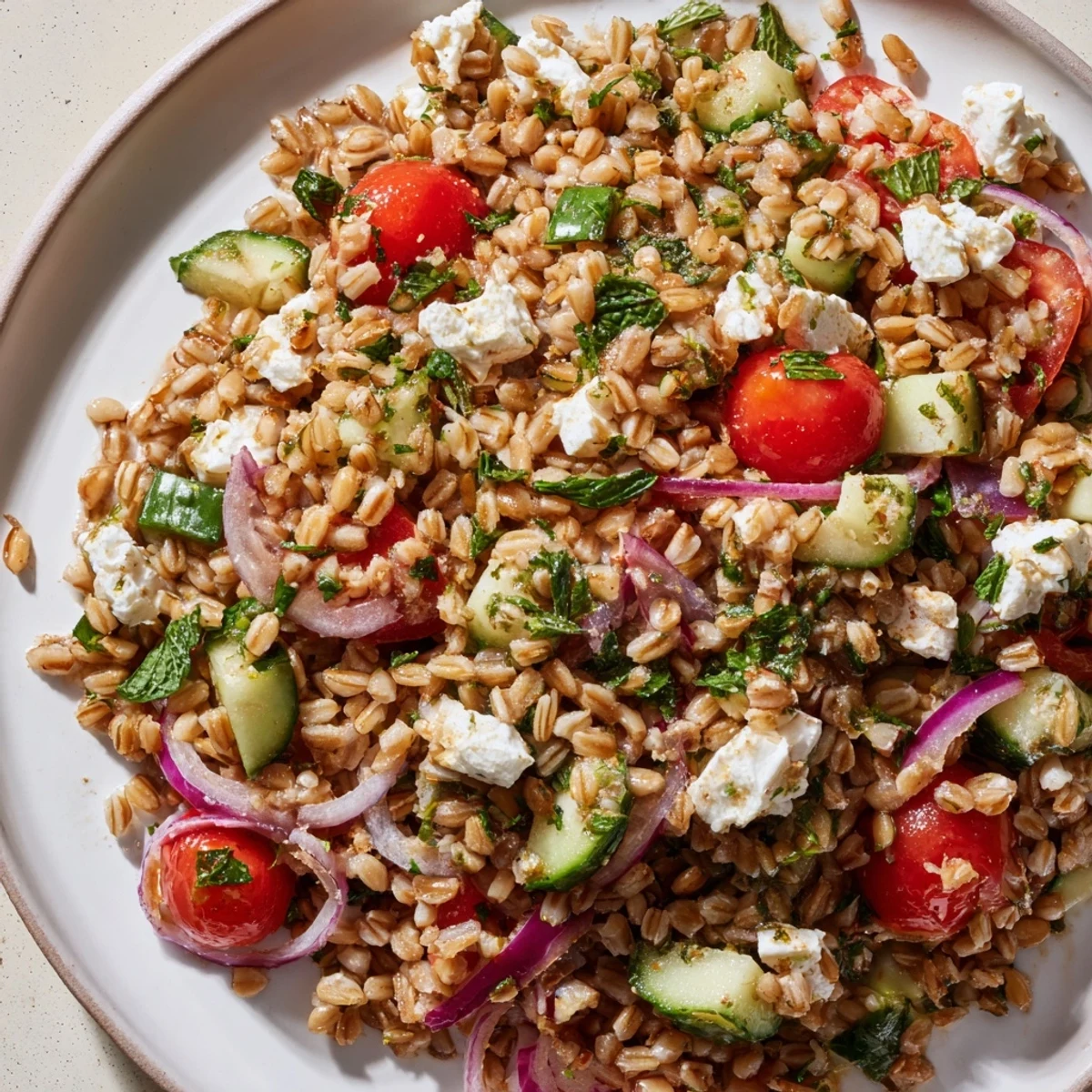
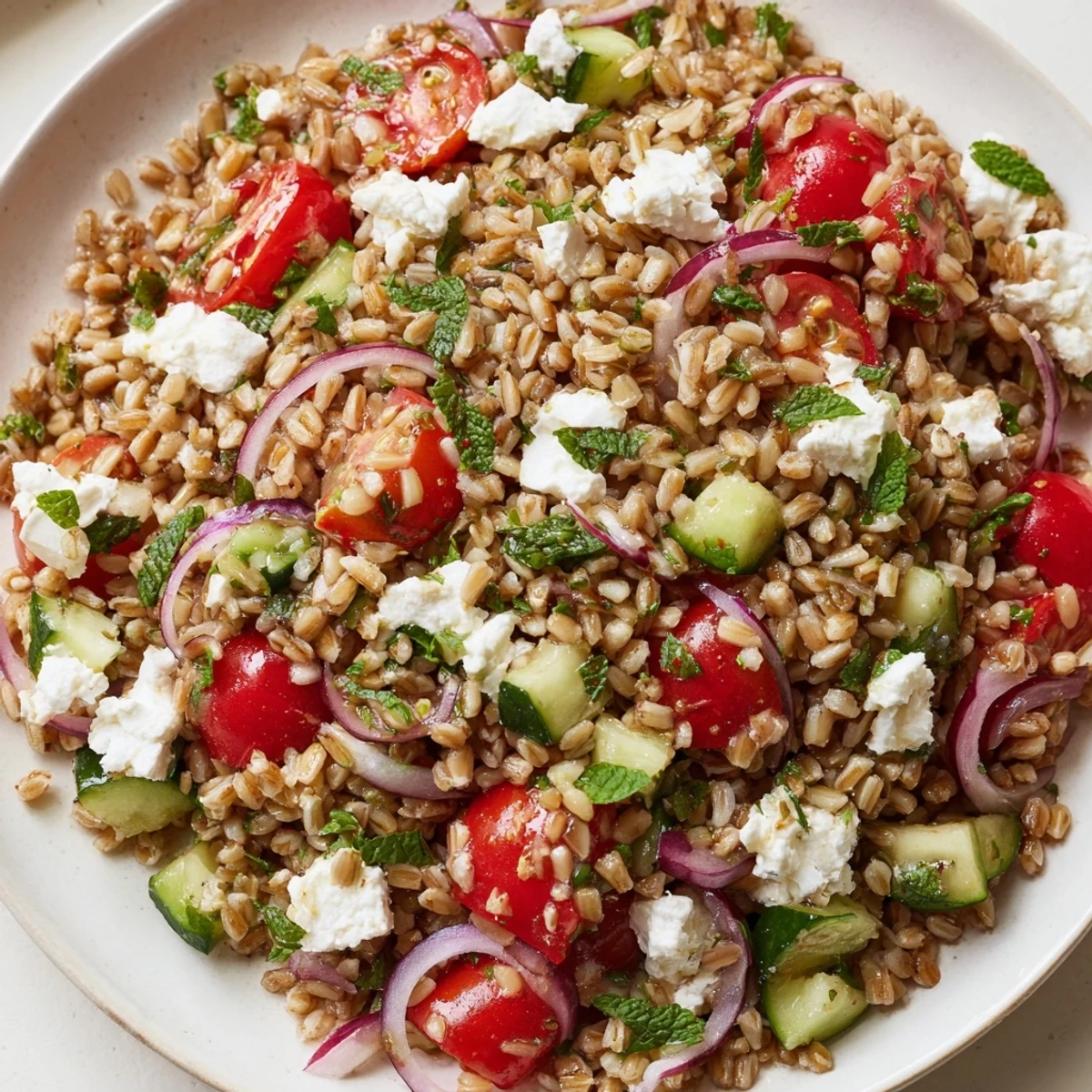
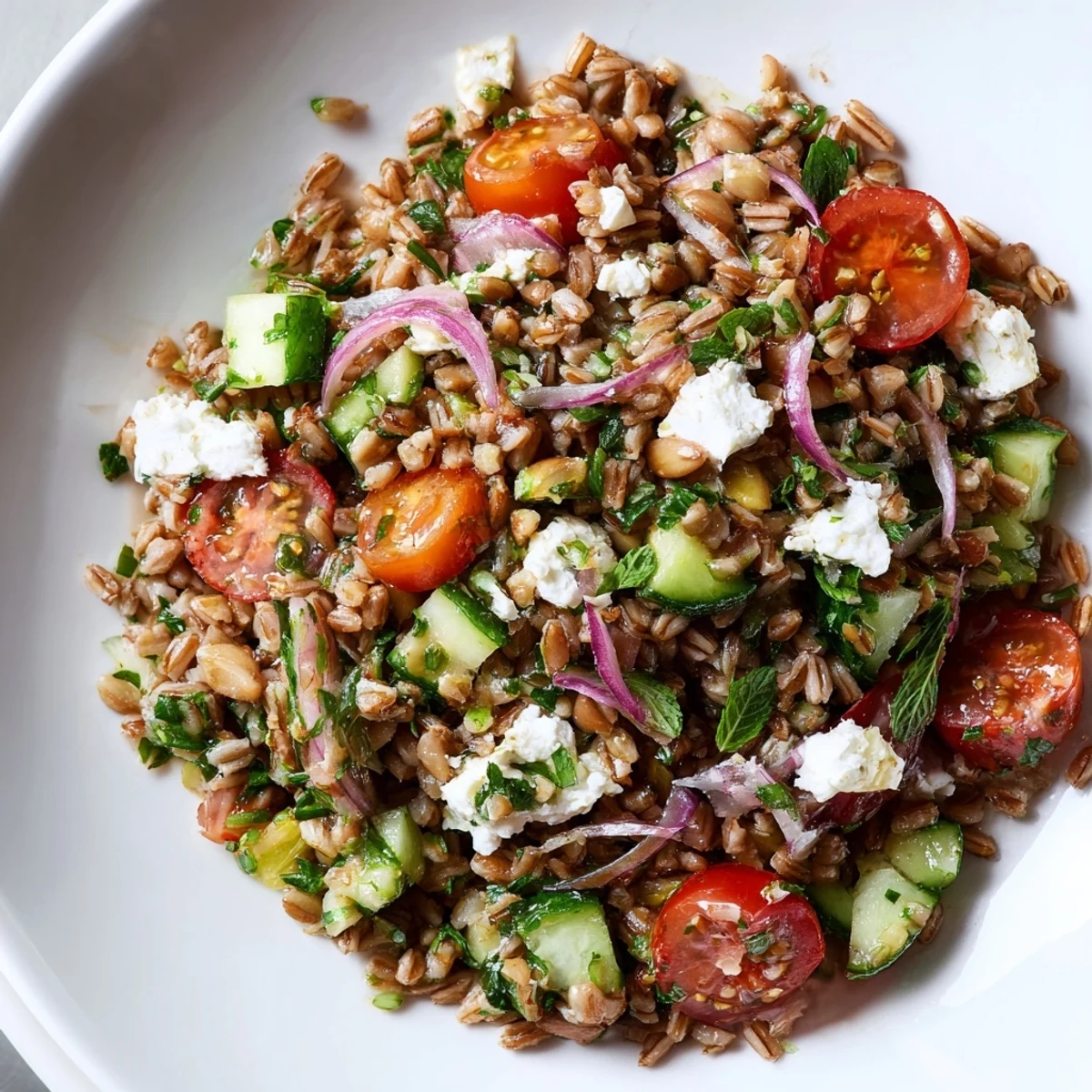
 This Mediterranean-inspired farro salad brings together chewy, nutty grains with halved cherry tomatoes, crisp cucumber, and thinly sliced red onion.
A vibrant dressing made from lemon zest, fresh orange and lemon juices, olive oil, honey, and Dijon mustard coats every bite with bright, tangy flavor.
Fresh parsley, mint, and dill add an aromatic herbal punch, while optional crumbled feta and toasted sunflower seeds provide a salty, crunchy finish.
Ready in about 50 minutes with just 20 minutes of hands-on prep, it serves four and pairs beautifully with grilled proteins or stands alone as a satisfying vegetarian lunch.
August humidity hung so thick one evening that turning on the stove felt like a personal betrayal, but a pot of farro bubbling away turned out to be the only heat worth tolerating. The smell of lemon zest hitting olive oil snapped me out of my heat stupor, and suddenly I was rifling through the crisper drawer for anything juicy and bright. Tomatoes, a half forgotten cucumber, a knob of red onion that made my eyes water the moment I sliced it. What landed on the table forty minutes later was this citrus herb farro salad, and I have been chasing that particular summer contentment ever since.
I brought a massive bowl of this to a rooftop potluck where everyone promised to bring something and half the guests showed up empty handed. Within ten minutes the bowl was scraped clean, a stranger kissed my hand in gratitude, and someone asked if I catered weddings. I did not, but I almost considered it.
Ingredients
- Farro (1 cup): The backbone of the whole dish, offering a chewy, nutty bite that never gets mushy if you cook it right.
- Water (3 cups): Plenty of liquid ensures the farro cooks evenly and stays tender, not stodgy.
- Salt (1/2 teaspoon): Added to the cooking water so the grain absorbs seasoning from the inside out.
- Cherry tomatoes (2 cups, halved): Their sweetness bursts against the citrus dressing, so pick the ripest ones you can find.
- English cucumber (1/2, diced): Cool and crisp, it breaks up the density of the grain with every refreshing crunch.
- Red onion (1/4 small, finely sliced): A sharp little kick that balances the honey and orange juice, but slice it paper thin.
- Lemon zest (from 1 lemon): The oils in the zest carry more fragrance than the juice itself, so zest before you squeeze.
- Orange juice (from 1 orange): Natural sweetness that rounds out the acidity without needing extra sugar.
- Lemon juice (from 1 lemon): Bright and sharp, it wakes up every other flavor in the bowl.
- Fresh parsley (1/4 cup, chopped): An earthy base note among the herbs, keeping things grounded.
- Fresh mint (2 tablespoons, chopped): The surprise element that makes people pause and ask what is in this.
- Fresh dill (1 tablespoon, chopped): Just enough to add a faint grassy sweetness without taking over.
- Extra virgin olive oil (1/4 cup): Use the good stuff here because the dressing is raw and the flavor shines through.
- Honey or maple syrup (1 tablespoon): A whisper of sweetness that pulls the citrus and mustard together.
- Dijon mustard (1 teaspoon): Acts as the emulsifier so the dressing clings to every grain instead of pooling at the bottom.
- Salt and black pepper (to taste): Season gradually and taste as you go because the farro and feta both bring their own saltiness.
- Crumbled feta (1/4 cup, optional): Creamy, salty crumbles that turn a side dish into something worthy of a dinner plate.
- Toasted sunflower seeds (2 tablespoons, optional): A last minute crunch that makes each bite more interesting than the last.
Instructions
- Rinse and cook the farro:
- Swish the farro under cold running water until it runs clear, then tumble it into a saucepan with the water and salt. Bring it to a rolling boil, dial back the heat, and let it simmer uncovered for 25 to 30 minutes until each grain is tender but still has a pleasant bite at its center.
- Prep the vegetables:
- While the farro gurgles away on the stove, halve the cherry tomatoes, dice the cucumber into small neat cubes, and slice the red onion as thinly as your patience allows. Set everything aside in a big loose pile on your cutting board.
- Whisk the citrus dressing:
- In your largest mixing bowl, combine the lemon zest, orange juice, lemon juice, olive oil, honey, Dijon mustard, a pinch of salt, and a generous crack of black pepper. Whisk aggressively until the dressing looks creamy and cohesive, not separated.
- Bring it all together:
- Drain the farro well and spread it on a plate to cool for about ten minutes, then dump it into the bowl with the dressing along with the tomatoes, cucumber, red onion, parsley, mint, and dill. Toss with your hands or a big spoon until every grain glistens and the herbs are scattered throughout.
- Rest and taste:
- Let the salad sit for at least ten minutes so the farro drinks up the dressing and the flavors settle into each other. Taste one more time and add salt or a squeeze more lemon if it needs waking up.
- Serve with flair:
- Mound the salad onto a platter and scatter feta and toasted sunflower seeds over the top if you are feeling generous. Serve it at room temperature or slightly chilled, whichever the weather demands.
 Pin This
 There is something quietly magical about a dish that tastes better the next day, when the herbs have softened and the tomatoes have leaked their juices into the grain. I ate the leftovers standing over the kitchen sink at midnight, and honestly that might have been the best version of all.
Making It Your Own
Throw in a handful of chickpeas or some shredded rotisserie chicken and this salad becomes a full meal with almost no extra effort. Roasted red peppers, kalamata olives, or even a handful of arugula tossed in at the last minute all play beautifully with the citrus dressing.
Storing Without Sadness
Keep it in an airtight container in the fridge and it stays vibrant for up to two days, though the herbs will darken a bit and the cucumber loses some crunch. If you are meal prepping, consider holding back half the dressing and tossing it fresh when you eat so nothing gets soggy.
What to Watch Out For
Farro contains gluten, so this is not a safe bet for anyone with celiac disease, and the Dijon mustard sneaks in an allergen people sometimes forget about. A few small adjustments go a long way toward making this dish work for everyone at your table.
- Swap maple syrup for honey to keep the entire salad vegan.
- Leave off the feta or use a dairy free alternative if someone is avoiding dairy.
- Always double check labels on mustard and feta for hidden allergens you might not expect.
 Pin This
 This is the kind of recipe that reminds you simple food, made with attention and decent olive oil, is usually all anyone really wants. Make it once and it will become part of your regular rotation without even trying.
Recipe FAQs
- → Can I make this farro salad ahead of time?
-
Absolutely. In fact, the flavors deepen and meld after a few hours in the refrigerator. Prepare it up to a day ahead, but wait to add the feta and sunflower seeds until just before serving so they stay fresh and crunchy.
- → What can I substitute for farro if I need gluten-free?
-
Quinoa or brown rice work well as gluten-free alternatives. Quinoa cooks faster—about 15 minutes—and offers a similar fluffy texture that absorbs the citrus dressing nicely. Adjust cooking times and liquid accordingly.
- → How long does leftover farro salad last in the fridge?
-
Stored in an airtight container, it stays fresh for up to two days. The farro will soften slightly as it absorbs the dressing, but the flavors remain vibrant. Give it a gentle toss before serving.
- → Can I add protein to make this a complete meal?
-
Definitely. Grilled chicken breast, chickpeas, or cannellini beans all pair beautifully with the citrus-herb flavors. For a heartier dish, a cup of drained chickpeas adds plant-based protein without overshadowing the fresh ingredients.
- → What's the best way to achieve a perfectly emulsified dressing?
-
Whisk the lemon zest, citrus juices, honey, and Dijon mustard together first, then slowly drizzle in the olive oil while whisking vigorously. The mustard acts as an emulsifier, helping the oil and acid blend into a smooth, creamy dressing that clings to the farro.
- → Should I serve this salad chilled or at room temperature?
-
Either works well. Room temperature allows the citrus and herbal notes to shine more brightly, while chilling gives a refreshing quality perfect for warm weather. Let it sit for about 10 minutes after tossing so the grains absorb the dressing.