
 Pin This
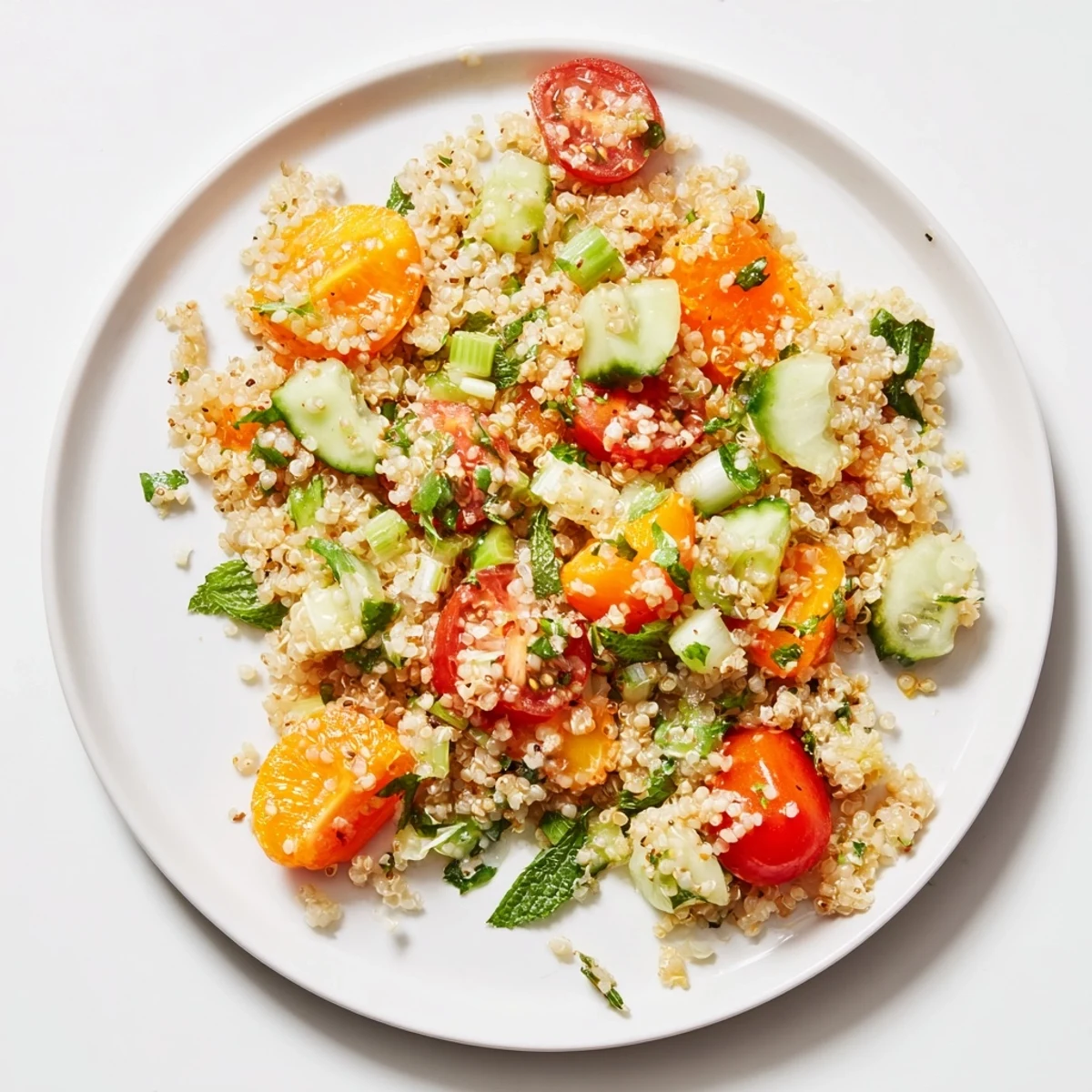
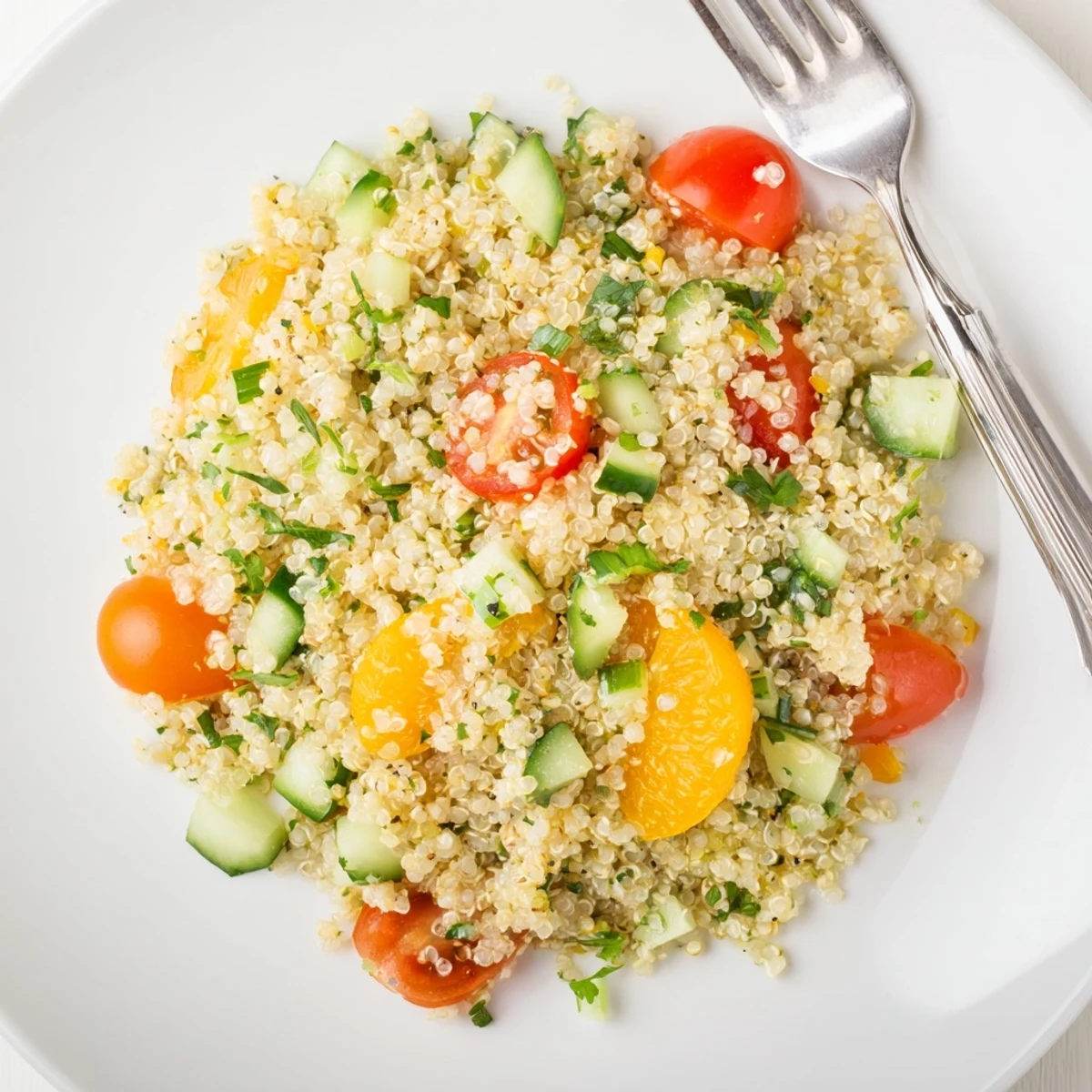
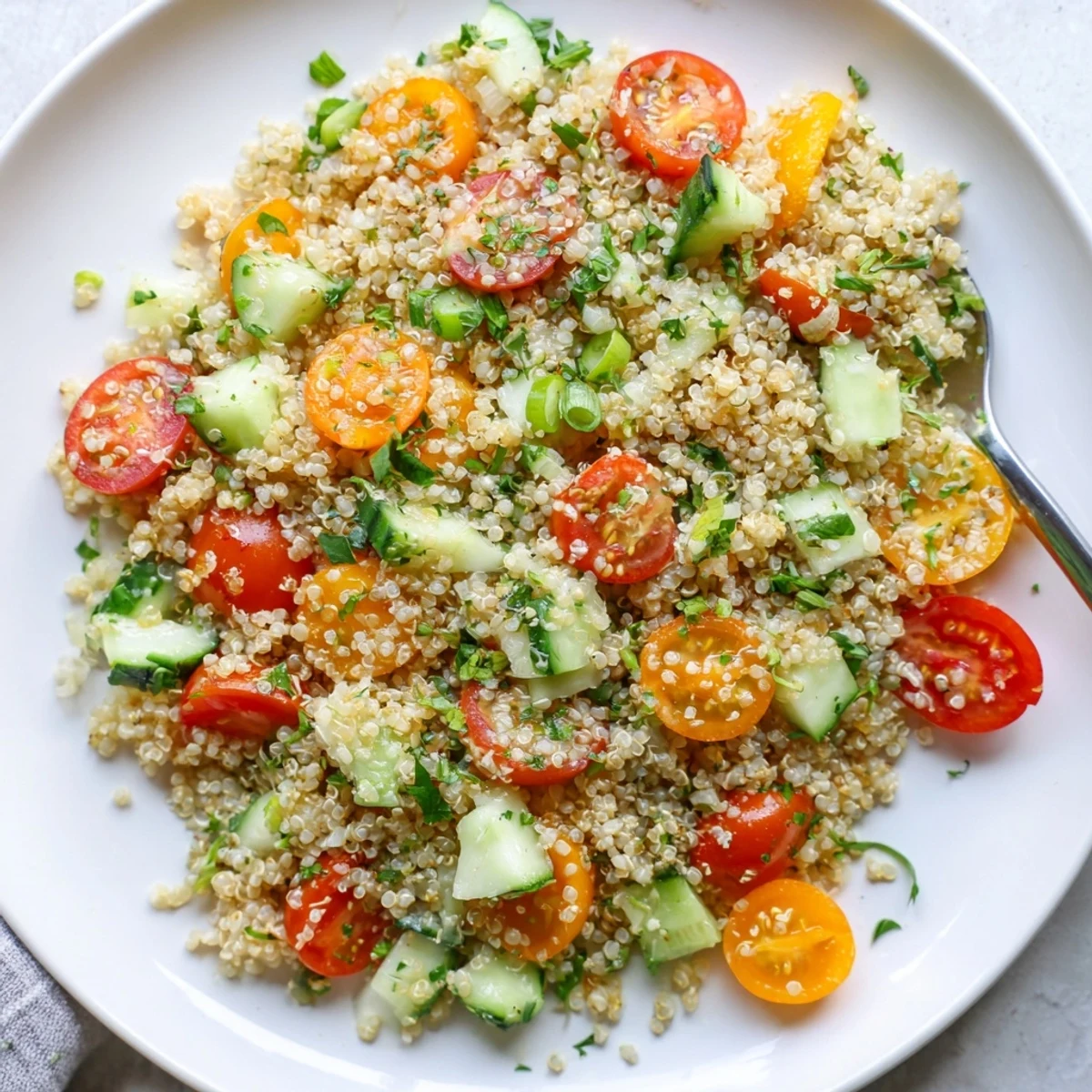
 This vibrant quinoa salad pairs fluffy, rinsed quinoa with halved cherry tomatoes, crunchy cucumber, fresh parsley, mint and scallions. A bright citrus-herb vinaigrette—olive oil, lemon and orange juices, zests, a touch of honey and Dijon—brings balance. Serve chilled or room temperature; add feta, chickpeas or grilled protein to vary texture and boost richness. Ready in 35 minutes.
The screen door slammed shut behind me on a sweltering July afternoon and all I could think about was something bright and cold for dinner. I had a bowl of leftover quinoa sitting on the counter and a windowsill full of tomatoes that were practically bursting off their vines. That evening this salad came together in twenty minutes and my roommate declared it the best thing Id eaten all summer.
I brought a massive bowl of this to a rooftop potluck last September and watched a woman I had never met eat three helpings while standing over the table. She tracked me down before leaving just to get the recipe. That moment taught me that the simplest dishes often leave the deepest impression.
Ingredients
- Quinoa: Rinse it thoroughly under cold water to remove the bitter coating called saponin because skipping this step will ruin the entire salad.
- Cherry tomatoes: Halving them releases their juices into the dressing and creates a natural sweetness you cannot replicate.
- Cucumber: A small firm cucumber adds crunch without making the salad watery.
- Fresh parsley and mint: Use both herbs because the parsley brings earthiness and the mint adds a cooling surprise in every bite.
- Green onions: Thinly sliced green onions give a mild bite that plays nicely with the citrus.
- Extra virgin olive oil: A good quality oil matters here since the dressing is raw and the flavor shines through.
- Lemon and orange juice: Freshly squeezed is non negotiable because bottled juice tastes flat and metallic.
- Lemon and orange zest: The zest holds the essential oils and doubles down on the citrus fragrance.
- Honey: Just a teaspoon balances the acidity and rounds out the whole dressing.
- Garlic: One small clove is enough since raw garlic can easily overpower a delicate salad.
- Dijon mustard: This acts as an emulsifier keeping the oil and juice from separating.
- Salt and black pepper: Seasoning in layers throughout the process builds flavor from the inside out.
Instructions
- Cook the quinoa:
- Combine the rinsed quinoa water and half teaspoon of salt in a saucepan and bring it to a boil. Reduce the heat to low cover it tightly and let it simmer for twelve to fifteen minutes until the water disappears completely.
- Steam and fluff:
- Take the pan off the heat but keep the lid on for five minutes so the grains steam and finish cooking through. Fluff with a fork and spread it on a plate to cool faster.
- Whisk the dressing:
- In a small bowl combine the olive oil both juices both zests honey garlic Dijon mustard pepper and remaining salt. Whisk vigorously until the dressing looks creamy and unified.
- Bring everything together:
- Pile the cooled quinoa tomatoes cucumber parsley and green onions into a large bowl. Pour the dressing over the top and fold gently so you dont crush the tomatoes.
- Taste and serve:
- Have a spoonful and see if it needs another pinch of salt or a squeeze of lemon. Serve it chilled or at room temperature depending on your mood.
 Pin This
 Somewhere between tossing the quinoa and pouring the dressing I realized that cooking does not always need to be complicated to be memorable. This salad taught me that a handful of fresh ingredients treated with care can outshine anything that takes hours to prepare.
My Favorite Ways to Change It Up
Crumbled feta folded in at the last minute turns this into something rich and satisfying enough for a standalone dinner. A handful of drained chickpeas adds protein without much effort and makes it feel like a complete meal.
What to Watch Out For
The mustard in the dressing means this is not fully allergen free so check your labels if you are cooking for someone with sensitivities. If you add cheese for a crowd be aware it introduces dairy into an otherwise plant based dish.
How I Store and Serve It
This salad actually tastes better after an hour in the fridge because the flavors have time to mingle and deepen. It keeps well covered for up to two days though the cucumber loses some crunch by day two.
- Give it a quick stir before serving since the dressing settles at the bottom.
- A squeeze of lime instead of lemon completely changes the personality of the dish in the best way.
- Always make a little extra because it disappears faster than you expect.
 Pin This
 Keep this recipe in your back pocket for hot days when cooking feels impossible because it asks almost nothing of you and gives everything back. Your future self will thank you when you open the fridge and find this waiting.
Recipe FAQs
- → How do I cook quinoa so it stays fluffy?
-
Rinse quinoa well to remove bitterness, use a 2:1 water-to-quinoa ratio, bring to a boil then simmer low, covered, for 12–15 minutes. Let it rest covered for 5 minutes then fluff with a fork to separate the grains.
- → Can this salad be made ahead?
-
Yes. Cook and cool the quinoa, store components separately if possible. Toss with dressing just before serving for the brightest texture; fully dressed, it keeps in the fridge for up to 2 days.
- → What citrus swaps work well for the dressing?
-
Lime works nicely in place of lemon for a more tart profile. Blood orange or grapefruit add deeper sweetness and color; adjust honey or maple to balance acidity.
- → How can I keep the herbs bright and fresh?
-
Chop herbs just before assembly and fold them in at the end. Avoid over-tossing to prevent bruising, and store prepared salad chilled to preserve color and aroma.
- → What are good protein add-ins?
-
Chickpeas, grilled chicken, or crumbled feta add protein and texture. For nuts, toasted almonds or pine nuts give crunch; swap honey for maple syrup to keep the dish fully plant-based.
- → How should this be served?
-
Serve chilled or at room temperature as a light lunch or colorful side. It pairs well with grilled vegetables, roasted fish, or as a filling for lettuce leaves or pita.