
 Pin This
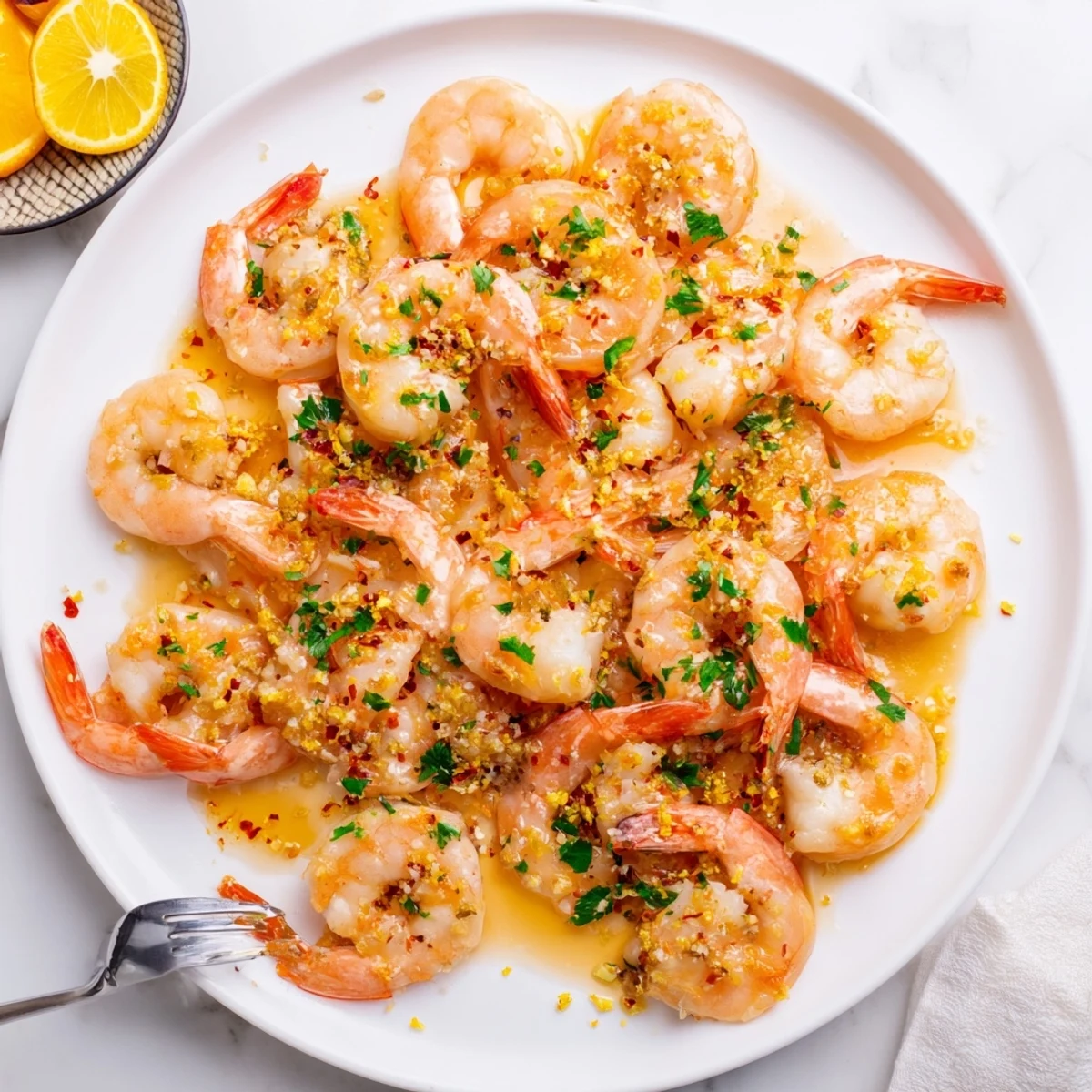
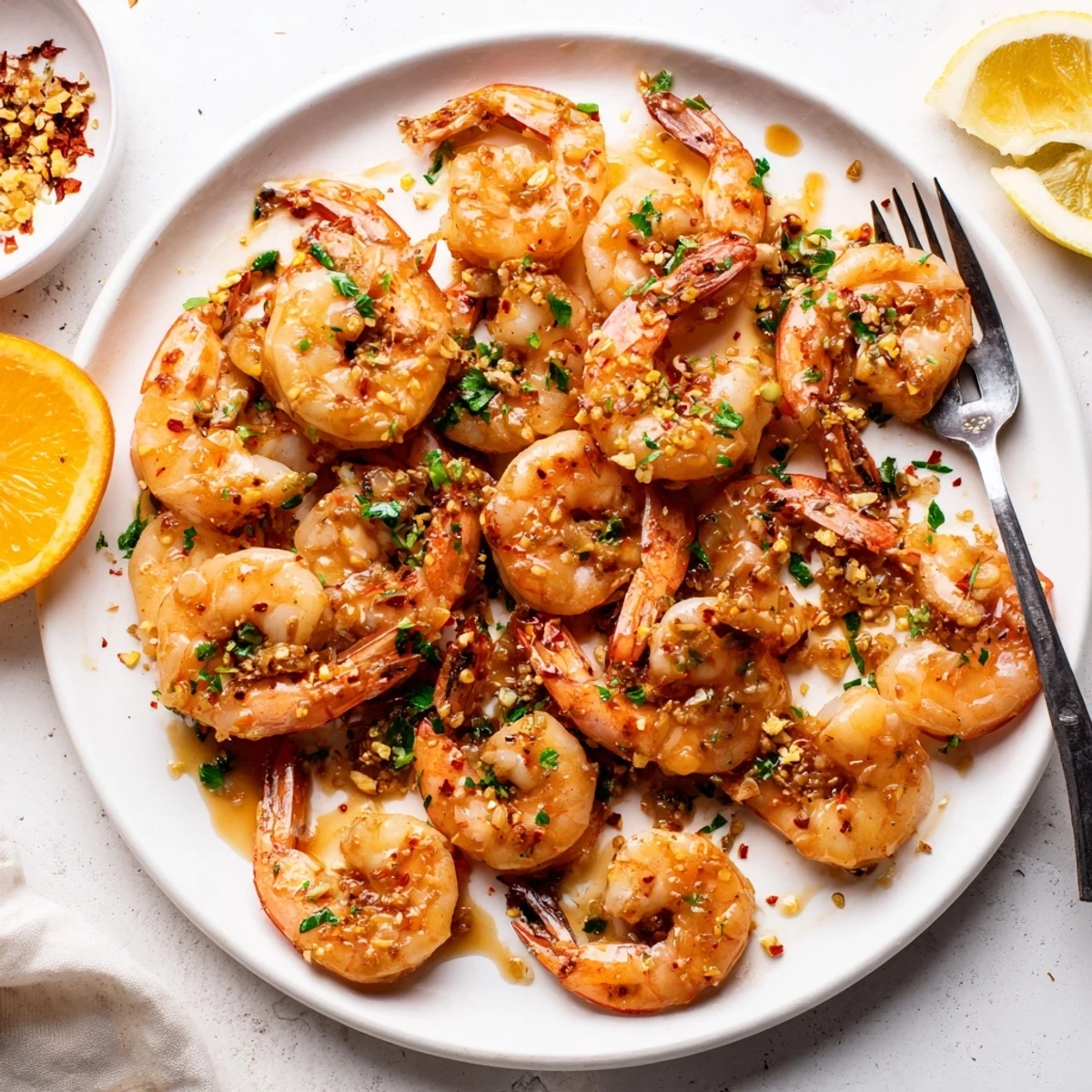
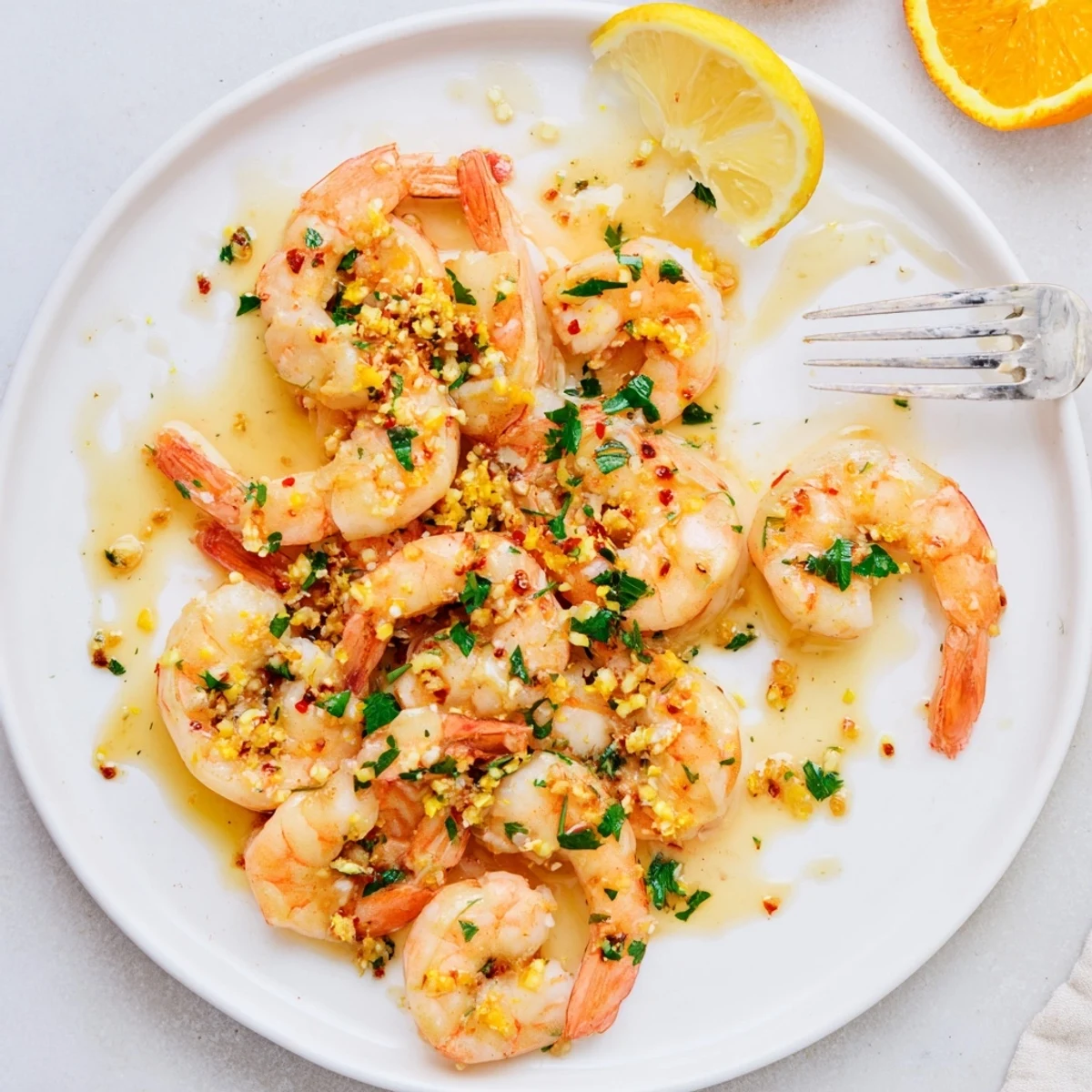
 This vibrant skillet dish features plump shrimp quickly seared and tossed in a glossy citrus honey glaze. The sauce combines fresh orange and lemon juice with honey, soy sauce, garlic, and a hint of red pepper flakes for a perfect balance of sweet and tangy flavors. Ready in just 25 minutes, this impressive yet simple meal works beautifully for busy weeknights or when entertaining guests.
The sizzle of shrimp hitting a hot skillet on a Tuesday evening is one of those sounds that instantly makes the kitchen feel alive. I threw this together one night when the fruit bowl had a lonely orange and a lemon that were past their prime for eating but perfect for squeezing. The honey caught slightly on the edge of the pan the first time, leaving little caramelized bits that were actually the best part.
My neighbor stopped by once while I was making this and ended up staying for dinner, standing in the kitchen eating straight from the skillet with a fork.
Ingredients
- 1 lb large shrimp peeled and deveined: Fresh or thawed frozen both work beautifully here, just pat them completely dry so they sear rather than steam.
- Olive oil, salt, and black pepper: A simple coating that lets the shrimp develop a golden edge before the glaze even enters the picture.
- Fresh orange and lemon juice: Bottled juice will taste flat and metallic here, so squeeze your own and save the rinds for zesting.
- Honey: This is the backbone of the glaze, providing body and a gentle sweetness that balances every sharp note from the citrus and soy.
- Soy sauce: Use a gluten free tamari if needed, it adds a savory depth that plain salt cannot replicate.
- Garlic and red pepper flakes: Two cloves of minced garlic give warmth while the pepper flakes bring a quiet hum of heat that does not overwhelm.
- Unsalted butter: Swirled in at the end to make the sauce glossy and velvety, pulling everything into one cohesive coating.
- Fresh parsley and citrus zest: The finishing touch that makes the dish look as bright as it tastes.
Instructions
- Season the shrimp:
- Toss the dried shrimp with olive oil, salt, and pepper in a bowl until evenly coated, then let them sit while you prepare the glaze so the seasoning settles in.
- Whisk the glaze:
- Combine the orange juice, lemon juice, honey, soy sauce, garlic, and red pepper flakes in a small bowl, whisking until the honey dissolves and the mixture looks unified.
- Sear the shrimp:
- Heat a large skillet over medium high heat until it shimmers, then lay the shrimp in a single layer without crowding, cooking one to two minutes per side until they curl and turn pink.
- Build the sauce:
- Transfer the shrimp to a plate and reduce the heat, pouring the citrus honey mixture into the same skillet and simmering gently until it coats the back of a spoon.
- Add the butter:
- Drop in the butter and stir continuously as it melts, watching the sauce transform from thin and bubbly to glossy and satiny.
- Bring it all together:
- Return the shrimp to the pan and toss quickly to coat every piece in the glaze, cooking just long enough to warm them through without overcooking.
- Finish and serve:
- Remove from the heat and scatter chopped parsley and citrus zest over the top, serving immediately with wedges on the side for squeezing.
 Pin This
 There is something about the way citrus and honey linger in the air that makes everyone wander into the kitchen asking when dinner is ready.
What to Serve Alongside
Steamed white rice is the easiest companion because it soaks up every drop of the extra glaze. Sautéed greens like spinach or broccolini add a slight bitterness that plays beautifully against the sweetness, and quinoa works if you want something heartier.
Swaps and Variations
Lime juice steps in easily for either the orange or lemon, giving the dish a more tropical lean. Sliced bell peppers or snap peas tossed into the skillet with the shrimp add crunch and color without changing the cooking time much.
A Few Final Thoughts
This is the kind of recipe that bends to what you have on hand and still delivers something special. A couple of small habits make it even more reliable.
- Pat the shrimp dry with paper towels before seasoning for the best sear.
- Use a skillet that gives the shrimp room in a single layer, working in batches if needed.
- Taste the glaze before adding butter so you can adjust the balance of sweet and tart.
 Pin This
 This skillet has saved more weeknight dinners than I can count, and it never fails to make an ordinary evening feel a little brighter.
Recipe FAQs
- → How do I know when the shrimp are properly cooked?
-
Shrimp are perfectly cooked when they turn pink and opaque throughout, typically taking 1-2 minutes per side. Avoid overcooking as they can become rubbery. Remove them from the heat as soon as they lose their gray translucency.
- → Can I use frozen shrimp for this dish?
-
Yes, frozen shrimp work well. Thaw them completely in the refrigerator overnight or under cold running water. Pat them thoroughly dry before seasoning to ensure proper searing and prevent the glaze from becoming watery.
- → What sides pair best with this citrus shrimp?
-
Steamed jasmine rice or fluffy quinoa absorbs the flavorful glaze beautifully. Sautéed greens, roasted asparagus, or a crisp arugula salad with citrus vinaigrette complement the bright flavors. Crusty bread also works well for sauce dipping.
- → Can I make the glaze ahead of time?
-
Absolutely. Whisk together the citrus juices, honey, soy sauce, garlic, and red pepper flakes up to 24 hours in advance. Store in an airtight container in the refrigerator. Bring to room temperature before cooking for the best consistency.
- → How can I adjust the sweetness level?
-
For less sweetness, reduce the honey to 1 tablespoon and increase the lemon juice. For more tanginess, add extra lemon or orange juice. If you prefer heat, increase the red pepper flakes or add a dash of sriracha to the glaze.
- → Is this suitable for meal prep?
-
The shrimp and glaze can be prepared separately and stored for 2-3 days. Reheat gently over low heat, adding a splash of water or citrus juice to loosen the sauce. Avoid microwaving on high as it may overcook the shrimp.