
 Pin This
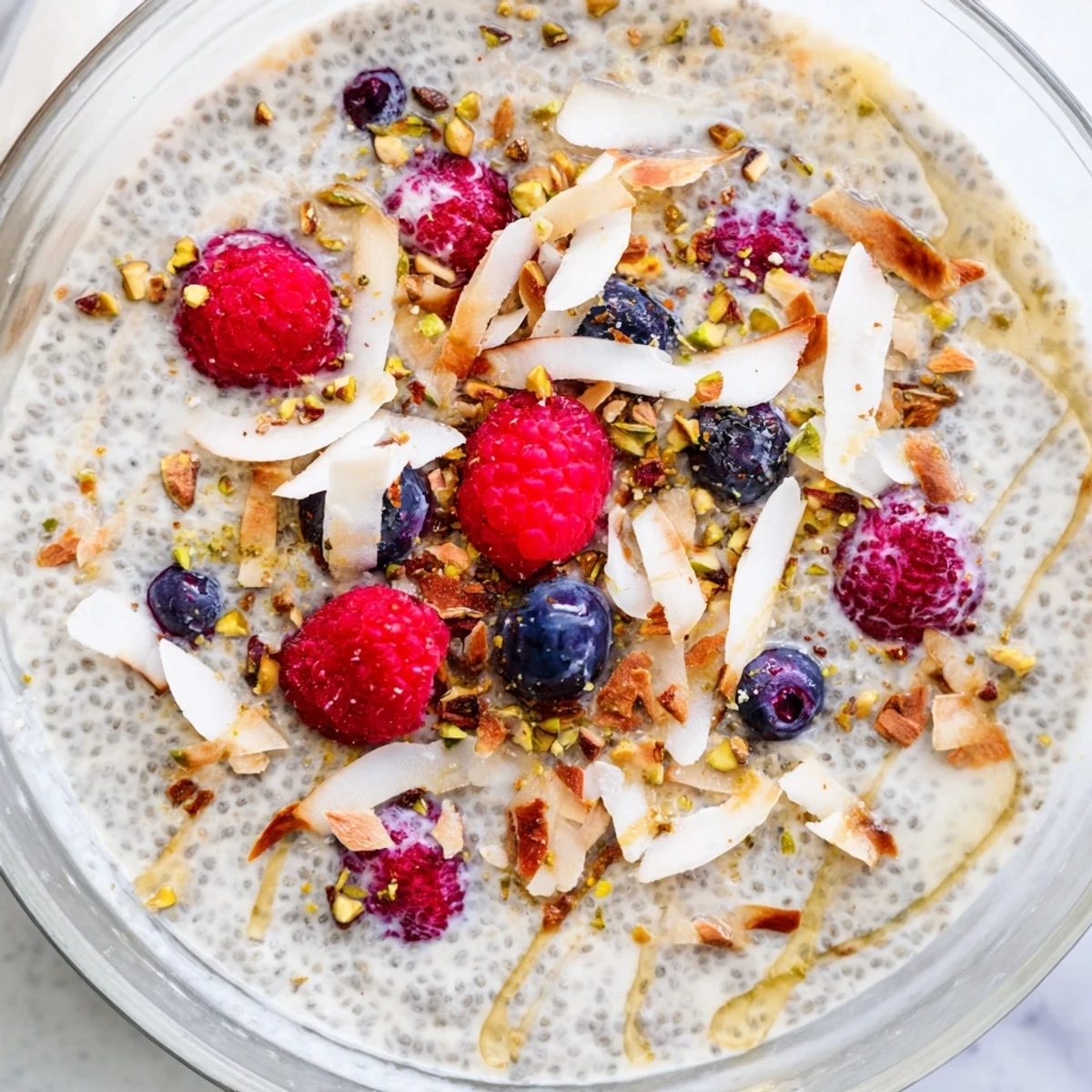
 This creamy pudding highlights the delicate balance of coconut milk and chia seeds enhanced by slow roasting at a low temperature. The slow roasting deepens the natural flavors and creates a luscious, velvety texture perfect for breakfast or a healthy snack. Subtle sweetness from maple syrup and a hint of vanilla round out this nourishing dish. Optional toppings like toasted coconut flakes and fresh berries add a delightful crunch and freshness, making each bite unique. Simple preparation and gentle stirring during roasting ensure an evenly textured, satisfying finish.
I stumbled on slow-roasted chia pudding by accident one winter morning when I forgot a batch in the oven while answering emails. What came out wasn't the usual gloopy texture—it was silky, warm, almost custard-like. The coconut milk had caramelized just slightly around the edges, and the chia seeds had swollen into these tender little pearls that dissolved on the tongue instead of sticking in your teeth.
The first time I made this for friends, I served it in mismatched jars with a pile of berries and toasted coconut on the side. One of them said it tasted like breakfast and dessert had a secret meeting, and I've never found a better way to describe it.
Ingredients
- Full-fat coconut milk: This is the backbone of the creaminess—don't swap it for light coconut milk or you'll lose that richness that makes the pudding feel indulgent.
- Unsweetened almond milk: It thins the coconut milk just enough so the pudding doesn't turn into a brick, and you can use any plant milk you have on hand without changing the flavor much.
- Chia seeds: These little seeds do all the heavy lifting, swelling up and creating that pudding texture while adding fiber and omega-3s without any weird aftertaste.
- Maple syrup: A gentle sweetness that doesn't overpower the coconut, and it blends in smoothly without leaving gritty crystals like some sugars do.
- Vanilla extract: Just a teaspoon rounds out the flavors and makes the whole thing smell like a hug.
- Sea salt: A tiny pinch brings everything into focus and keeps the sweetness from feeling flat.
- Toasted coconut flakes: They add crunch and a nutty depth that contrasts beautifully with the creamy pudding underneath.
- Fresh berries: Tart raspberries or blueberries cut through the richness and make each spoonful feel bright and alive.
- Chopped pistachios or almonds: A little bit of crunch and a hint of green or tan color makes the whole bowl look like you tried, even if you didn't.
Instructions
- Preheat and prep:
- Set your oven to 130°C so it has time to settle into that low, steady heat. This slow roast is what makes the magic happen, so don't rush it.
- Whisk the base:
- Combine the coconut milk, almond milk, chia seeds, maple syrup, vanilla, and salt in a bowl and whisk until everything looks uniform. Let it sit for 10 minutes, then whisk again—this breaks up any clumps before they set.
- Transfer to baking dish:
- Pour the mixture into a shallow ovenproof dish and cover it tightly with foil. The foil traps moisture so the pudding doesn't dry out while it cooks.
- Slow roast with love:
- Slide the dish into the oven and let it roast for 2 hours, stirring gently every 30 minutes. You'll notice the chia seeds plumping up and the mixture thickening into something creamy and custard-like.
- Cool and serve:
- Pull it out when the seeds are swollen and the pudding is thick but still spoonable. Let it cool on the counter, or chill it in the fridge if you prefer it cold, then top with whatever makes you happy.
 Pin This
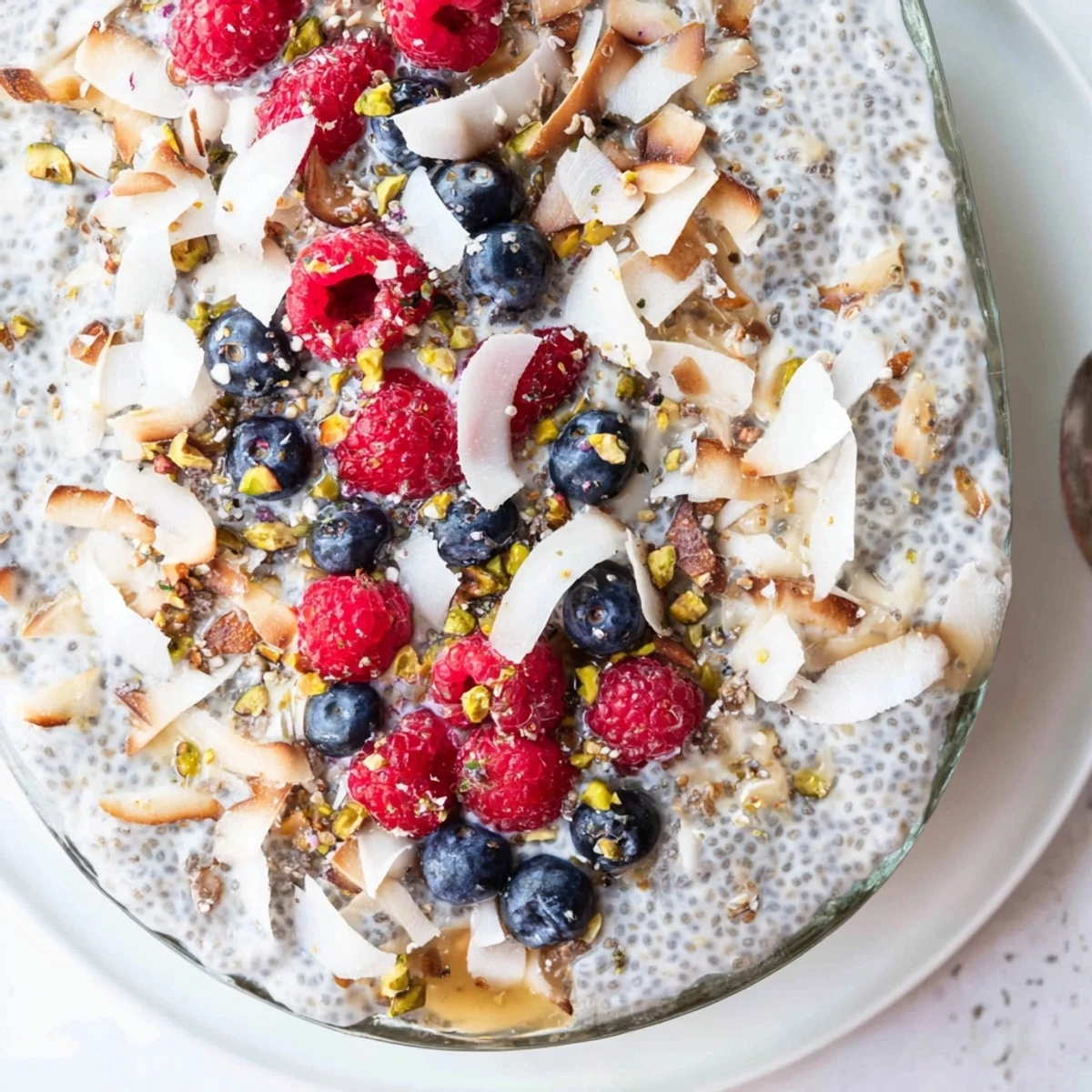
 There was a Sunday last spring when I made a double batch and left it on the counter in a big glass dish. My neighbor stopped by, saw it, and asked if it was fancy rice pudding. When I told her it was chia, she laughed and said she'd only ever eaten it out of a jar from the store, and it had always felt like eating wet gravel. She took a bowl home and texted me two hours later asking for the recipe.
Flavor Variations
You can stir in a pinch of cardamom or cinnamon before roasting for a warming spice note, or swap the maple syrup for agave if you want something a little lighter. I've also tried adding a tablespoon of cacao powder for a chocolate version, and it turned out moody and rich, almost like a mousse.
Serving Suggestions
This pudding is just as good warm as it is cold—I've eaten it for breakfast with a drizzle of almond butter, and I've also served it after dinner in small ramekins with a pile of fresh raspberries on top. It doesn't need much to feel complete, but it can handle a lot if you're in the mood to pile things on.
Storage and Make-Ahead
The pudding keeps in the fridge for up to five days in an airtight container, and it actually gets better on day two when the flavors have had time to settle into each other. If it thickens too much, just stir in a splash of almond milk before serving.
- You can portion it into jars right after roasting and chill them individually for grab-and-go breakfasts.
- Top with fresh fruit and nuts just before eating so they don't get soggy.
- If you're reheating it, do it gently on the stove with a little extra milk, stirring constantly so it doesn't scorch.
 Pin This
 This pudding has become one of those recipes I make without thinking, the kind that fits into any season and any mood. I hope it finds a quiet spot in your kitchen too.
Recipe FAQs
- → What makes slow roasting ideal for this dish?
-
Slow roasting at a low temperature allows flavors to meld while thickening the mixture gently, resulting in a creamy, rich texture without curdling.
- → Can I use different plant-based milks?
-
Yes, almond milk or any other unsweetened plant-based milk works well, adjusting creaminess and flavor subtly.
- → How do the chia seeds affect the texture?
-
Chia seeds absorb liquid and swell, creating a gel-like consistency that contributes to the pudding's thick and creamy nature.
- → Can I customize the sweetness?
-
Maple syrup can be adjusted to taste or swapped with alternatives like agave or honey for varied sweetness profiles.
- → What toppings enhance this dish?
-
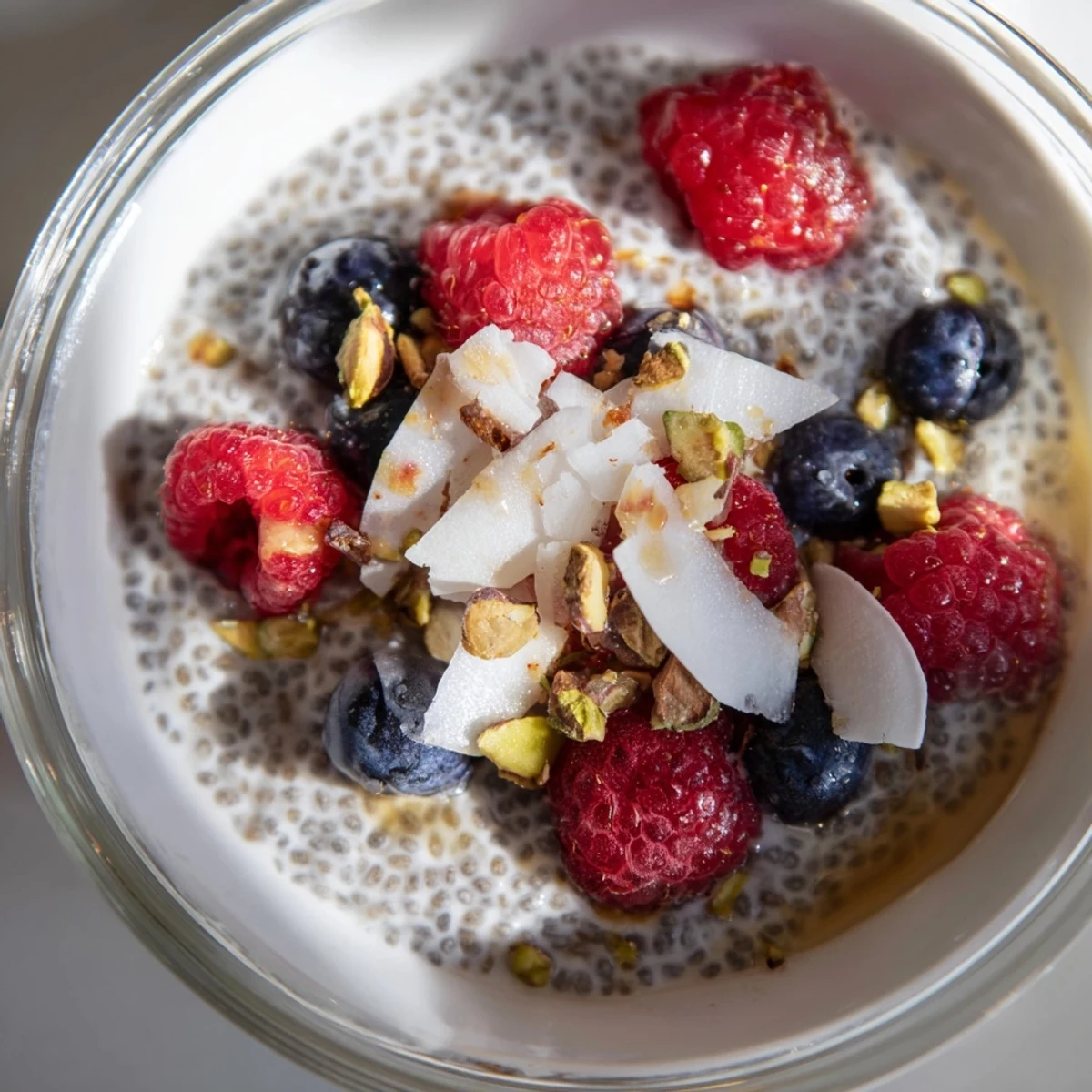
Toasted coconut flakes, fresh berries, and chopped nuts add texture and keep the flavors vibrant and balanced.