
 Pin This
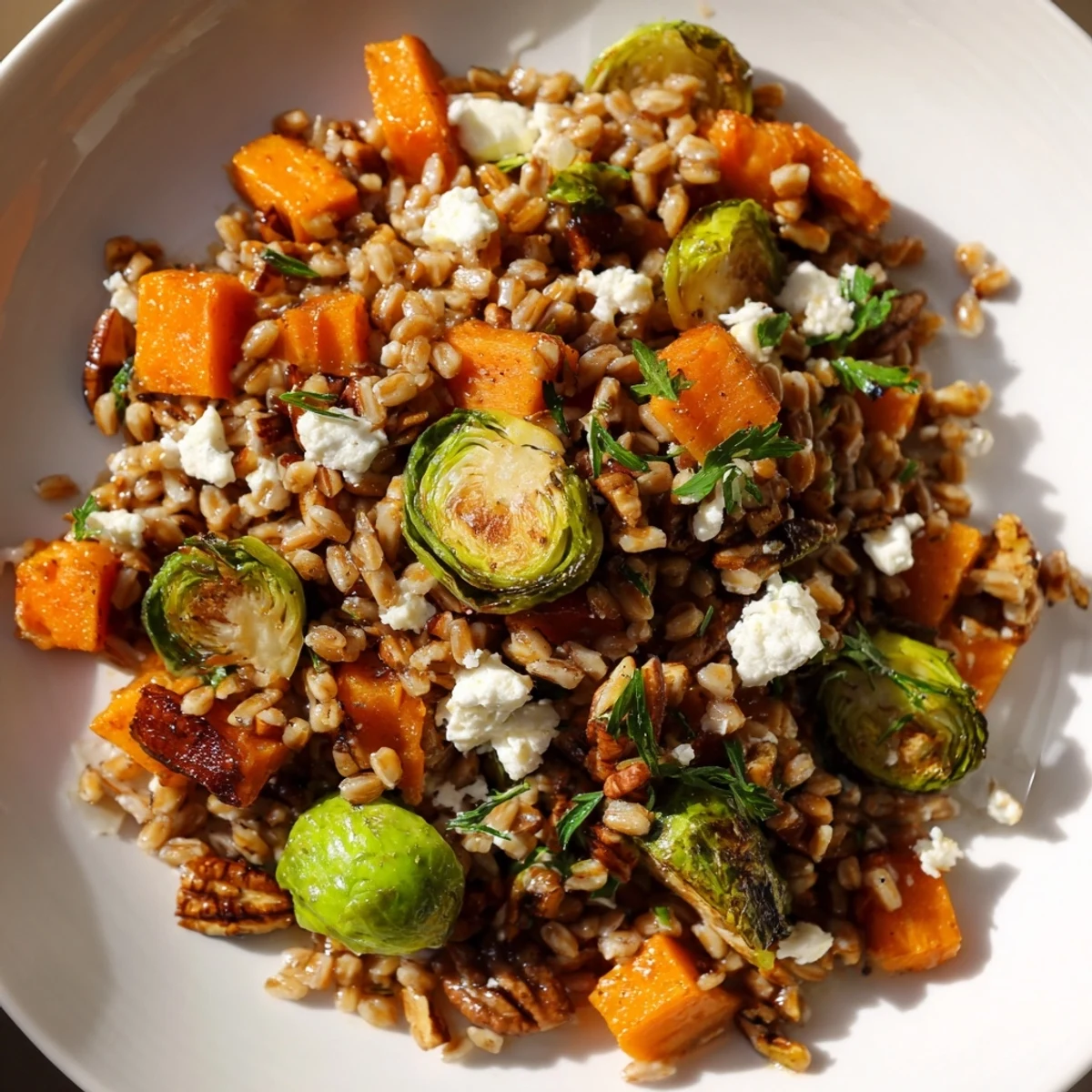
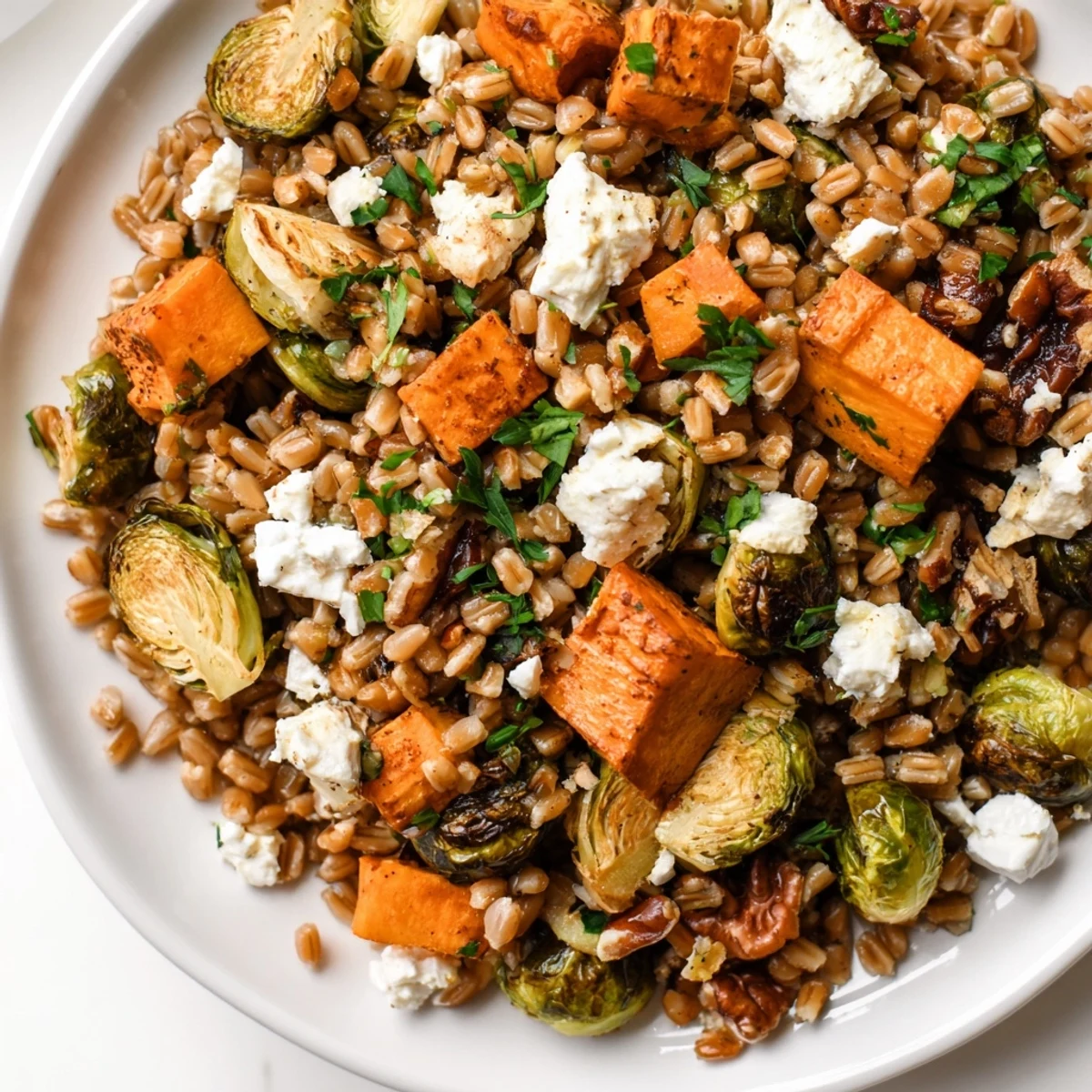
 This warm, comforting dish highlights nutty toasted farro paired with an array of oven-roasted sweet potato, bell pepper, Brussels sprouts, and red onion. The vegetables are seasoned and cooked until tender, blending textures and flavors beautifully. A zesty vinaigrette made with olive oil, apple cider vinegar, Dijon mustard, honey, and garlic ties everything together. Finished with crumbled feta, toasted nuts, and fresh parsley, this salad is perfect for cozy evenings when a nourishing and easy-to-prepare meal is desired.
There's something about the smell of farro toasting in a dry pan that immediately makes a kitchen feel intentional. A few years ago, I grabbed a bag of it at the farmers market without a real plan, and ended up combining it with whatever roasted vegetables I had on hand that autumn evening. What started as improvisation became the salad I now crave when I want something warming but not heavy, something that feels both nourishing and genuinely exciting to eat.
I remember making this for a dinner party on a chilly October evening, and one guest went back for thirds while asking how long it took to make. When I said about an hour total, she looked genuinely shocked—somehow it tasted like I'd spent the whole afternoon in the kitchen. That's the magic of this salad: it feels like you've done more work than you actually have.
Ingredients
- Farro: Use pearled farro, not whole grain, since it cooks faster and becomes tender while keeping that satisfying chew; rinsing it first prevents excess starch from making the finished salad gluey.
- Sweet potato: Cut into uniform half-inch cubes so they roast evenly and caramelize beautifully at the edges without drying out in the middle.
- Red onion: Cutting it into wedges rather than thin slices means the layers stay mostly intact during roasting, giving you these crispy-edged, tender pieces instead of burnt bits.
- Brussels sprouts: Halving them flat-side-down on the baking sheet creates a gorgeous caramelized exterior that's genuinely addictive.
- Apple cider vinegar: This is the dressing's backbone—the tartness keeps everything balanced and prevents the salad from tasting heavy, even with the roasted vegetables and nuts.
- Dijon mustard: Just a teaspoon emulsifies the dressing so it clings to the farro instead of pooling at the bottom of the bowl.
- Feta and pecans: These are finishing touches that add textural contrast and richness, but the salad stands on its own without them if you're avoiding dairy or nuts.
Instructions
- Toast the farro first:
- This is the step people skip, and it's the difference between good and really good. In a dry saucepan over medium heat, listen for that nutty aroma—usually 2 to 3 minutes of stirring—then you'll know the farro is ready to absorb the broth.
- Roast the vegetables:
- Toss them with olive oil, salt, and pepper, spread them out in a single layer so they have room to breathe, and resist the urge to stir more than once halfway through. The oven does the work here.
- Simmer the farro:
- After it toasts, pour in the broth and bring everything to a boil, then drop the heat to low and cover. You want the grains tender but still with a slight bite, which usually takes 25 to 30 minutes; if it's still crunchy at 25, give it a few more minutes but taste it first.
- Build the dressing:
- Whisk the oil, vinegar, mustard, honey, and garlic together in a small bowl—nothing fancy, just energetic whisking for about 30 seconds so the mustard distributes evenly and creates a subtle emulsion.
- Bring it all together:
- In a large bowl, combine the warm farro and roasted vegetables with half the dressing and toss gently so the grains soak up all that flavor. Taste it before you finish it off, and adjust the salt and acid to your preference.
- Finish and serve:
- Top with feta, nuts, and parsley, then drizzle with the remaining dressing. The salad is best served warm, while the farro is still releasing steam and welcoming the dressing.
 Pin This
 The moment I understood what made this salad special came when my partner took a bite and said, 'This doesn't taste like diet food,' and that stuck with me. It's generous and real—every component is there because it adds something, not because of some nutritional mandate or recipe formula I was following.
Timing and Make-Ahead
The beauty of this salad is that every component can be prepped ahead without losing anything. Roast the vegetables and cook the farro the morning of, store them separately in containers, and when you're ready to eat, combine them with the dressing and top with the fresh parsley and nuts—those should always go on just before serving so they stay crisp and don't absorb moisture. This is one of the few warm salads that also tastes good at room temperature or even chilled, though something is lost from the experience when it's cold.
Building Your Own Variations
Once you understand how this salad works—nutty grain, caramelized vegetables, bright vinaigrette—you can improvise with total confidence. In winter I use butternut squash and kale; in summer I've added roasted zucchini and cherry tomatoes, and sometimes I toss in arugula or spinach just before serving for a peppery note. The dressing formula stays the same, which means you can chase whatever vegetables look good at the market without second-guessing yourself.
Pairing and Serving Ideas
Serve this salad warm as a vegetarian main course, or alongside grilled chicken or fish if you want protein beyond the feta. It pairs beautifully with crisp white wines like Sauvignon Blanc, and it's also the kind of dish that works just as well with a simple glass of cider or even beer. One final thought: make extra, because cold leftovers for lunch the next day are genuinely better than most people's carefully planned meals.
- This salad reheats gently in a low oven if you want to serve it warm again, though it's honestly fine straight from the fridge.
- If you're bringing it to a gathering, pack the dressing separately and dress it right before serving so nothing gets soggy.
- Remember that the feta and nuts are optional but transformative, so include them unless you have a dietary reason not to.
 Pin This
 This is the kind of salad that makes you feel taken care of, like you've done something kind for yourself by actually cooking. Make it when you need something warm and real.
Recipe FAQs
- → What is the best way to cook farro for this dish?
-
Toast the farro in a dry saucepan for 2-3 minutes to enhance its nutty flavor before simmering it in vegetable broth until tender yet chewy.
- → Can I substitute the sweet potato with other vegetables?
-
Yes, butternut squash or carrots work well as alternatives, providing similar sweetness and texture when roasted.
- → How can I make this dish vegan-friendly?
-
Omit the feta cheese and use maple syrup instead of honey in the dressing to keep the flavors balanced and vegan compliant.
- → What nuts are suggested for this salad’s finishing touch?
-
Toasted pecans or walnuts add a crunchy texture and rich flavor contrast that complements the roasted vegetables and grains.
- → Is there a recommended wine pairing with this dish?
-
A crisp Sauvignon Blanc pairs wonderfully, balancing the warm, savory notes of the farro and roasted vegetables.