
 Pin This
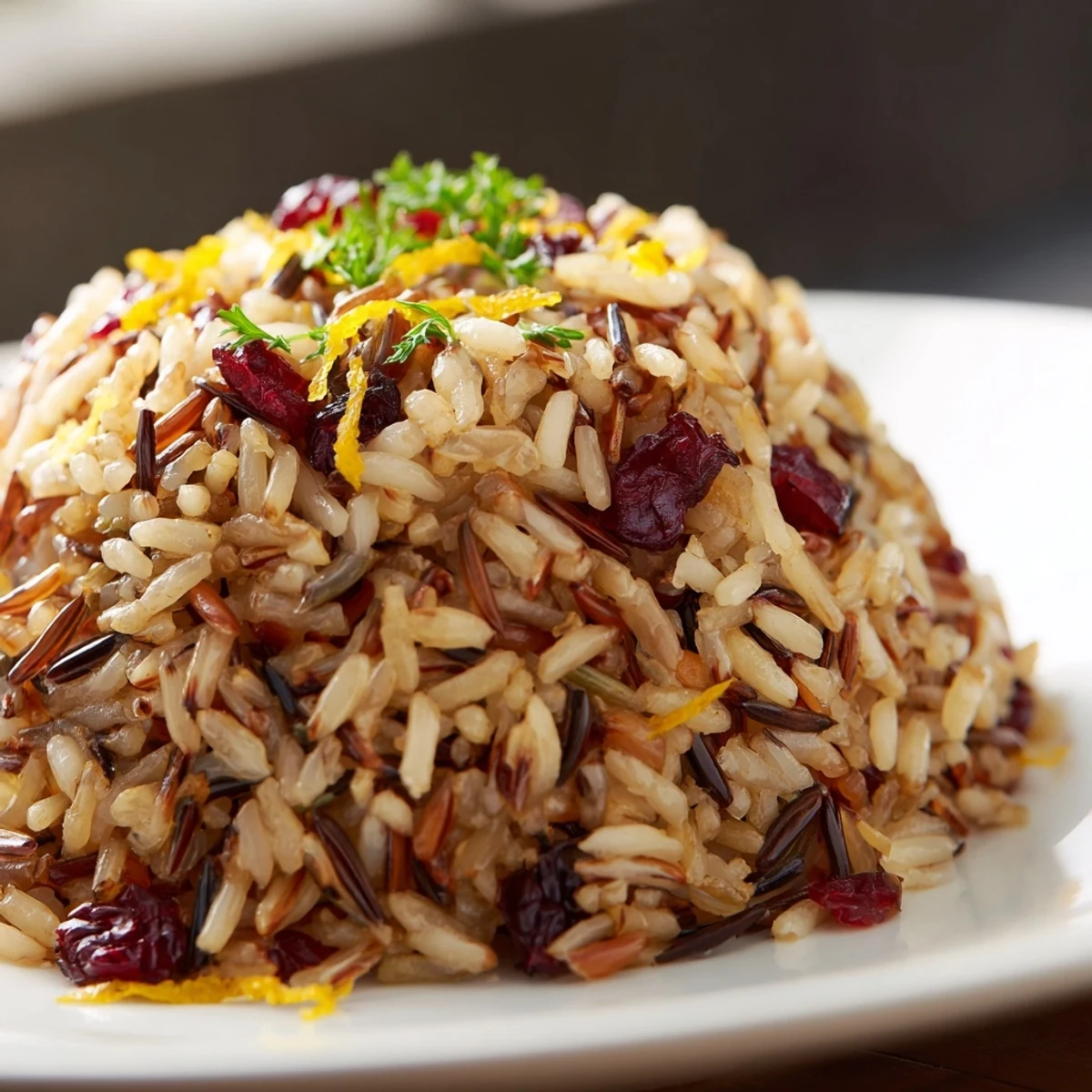
 This pilaf combines nutty wild and brown rice with sweet dried cranberries and fresh citrus zest for a lively aroma and flavor. Aromatics like chopped onion and garlic are sautéed before simmering the rice mixture with vegetable broth and orange juice. Once tender, dried cranberries, toasted almonds, and fresh parsley add texture and brightness. The dish is naturally gluten-free, vegetarian, and can be made vegan. It pairs well with roasted poultry or stands alone as a hearty vegetarian option.
I was standing in my kitchen on a gray November afternoon when my sister called to ask what I was bringing to Thanksgiving dinner. Wild rice had just caught my eye at the market—something about its earthy, almost purple-black color made me think of something more interesting than the standard sides. I came home and started playing with citrus and cranberries, and by the time the first batch was done, my whole kitchen smelled like toasted grain and bright orange. That's when I knew this pilaf had to be it.
The first time I served this was to a group of friends who had asked to bring potluck dishes to my place. One of them set it down next to a creamy casserole, and I remember feeling a little nervous—would people actually eat something this unfamiliar? But watching everyone go back for seconds, hearing them ask for the recipe, made me realize how much people are hungry for something real and a little bit different. That's the magic of this dish.
Ingredients
- Wild rice: It has a nuttier, chewier texture than white rice and actually holds up to cooking without getting mushy, plus it adds visual contrast.
- Long-grain brown rice: This mellows the earthiness of the wild rice and makes the pilaf more approachable while still keeping things wholesome.
- Low-sodium vegetable broth: The foundation of flavor; I taste it first to make sure it's not overly salty before measuring.
- Orange juice: Fresh-squeezed makes all the difference in brightness; bottled juice tastes flat by comparison.
- Onion and garlic: These become soft and almost sweet when sautéed in oil, creating the aromatic base that holds everything together.
- Dried cranberries: They add a tart sweetness that cuts through the heaviness of the grains and keeps each bite interesting.
- Orange zest: This goes in at the end to preserve that fresh citrus flavor and add a lovely pop of color.
- Toasted sliced almonds: Optional, but they give you a moment of crunch and richness; toast them yourself if you can for better flavor.
- Fresh parsley: A small gesture that makes the whole dish feel fresh and alive, especially important since everything else is cooked.
Instructions
- Toast the aromatics:
- Heat oil in your saucepan and let the onion soften until it's just starting to turn golden at the edges, then add garlic and let it get fragrant. This takes just a few minutes but builds a foundation of flavor that tastes nothing like rushed cooking.
- Coat the grains:
- Stir the rinsed rice into the hot oil and aromatics, letting each grain get coated and warm through. You'll hear it start to make a gentle sound, almost like toasting; this step changes the texture of the finished dish.
- Build the cooking liquid:
- Pour in broth, water, and orange juice all at once, then add salt and pepper. Bring everything to a boil so the liquid comes to a full rolling boil before you turn the heat down.
- Low and slow:
- Reduce heat, cover, and let it simmer quietly for 40 to 45 minutes without peeking. The rice will gradually absorb the liquid and soften; you'll know it's done when the grains are tender and no liquid pools at the bottom.
- Rest and fluff:
- Let it sit covered for 5 minutes after you remove it from heat, then use a fork to gently fluff the rice so it becomes light and separate rather than clumped.
- Finish with brightness:
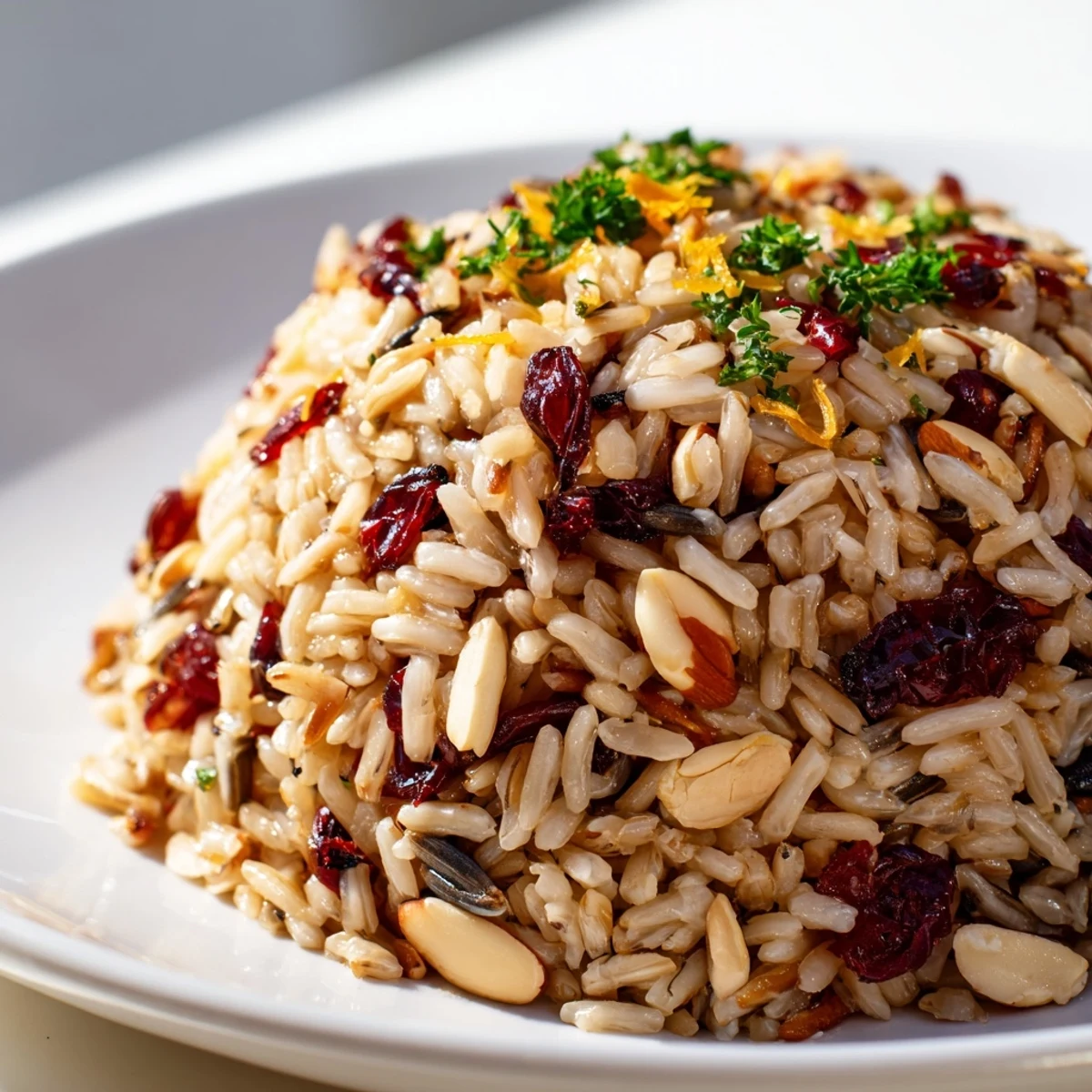
- Stir in cranberries, orange zest, parsley, and almonds while the rice is still warm so the flavors blend together. Taste it and adjust salt and pepper to your preference before serving.
 Pin This
 I remember my mom taking a bite at that holiday dinner and pausing for a moment, which made me nervous until she smiled and said it tasted like someone had actually thought about every single ingredient. That's what this pilaf does—it tastes considered and intentional, like you didn't just throw things together.
Why Wild Rice Belongs on Your Table
Wild rice gets a bad reputation for being fussy or expensive, but it's honestly just different from white rice in the best way. It has an almost leather-like chew to it, nutty undertones, and it doesn't turn to mush no matter how long you cook it. Once you've made it a few times, you realize it's just as easy as any other grain, and it transforms a simple pilaf into something memorable. The combination with brown rice keeps it from being too intense, and the citrus and cranberries echo what wild rice naturally wants to taste like.
The Citrus Question
I've made this pilaf with bottled orange juice when I was in a rush, and I've made it with fresh-squeezed, and there's honestly no comparison. Fresh juice adds a brightness that tastes alive, while bottled juice can sometimes taste like it's been sitting in someone's pantry for three seasons. If you don't have an orange on hand, a combination of fresh lemon juice and a small splash of maple syrup works in a pinch, but commit to fresh citrus if you can. It's the difference between a competent side dish and one people actually remember.
Make It Your Own
This pilaf is more of a template than a rigid recipe, which is part of why I love it. You can swap in dried apricots for some of the cranberries, add fresh herbs like thyme instead of just parsley, or use vegetable broth infused with mushrooms for a deeper flavor. I've even added roasted beets one winter just because I had them and wanted to see what would happen, and it turned out beautiful and delicious.
- Pecans and pistachios work beautifully if almonds aren't your thing, and they toast right alongside the finished dish if you're short on time.
- A handful of fresh mint or cilantro stirred in at the end brings an unexpected freshness that guests always ask about.
- If you're serving this alongside something rich like roasted duck or beef, use the full amount of orange juice to keep it bright and clean.
 Pin This
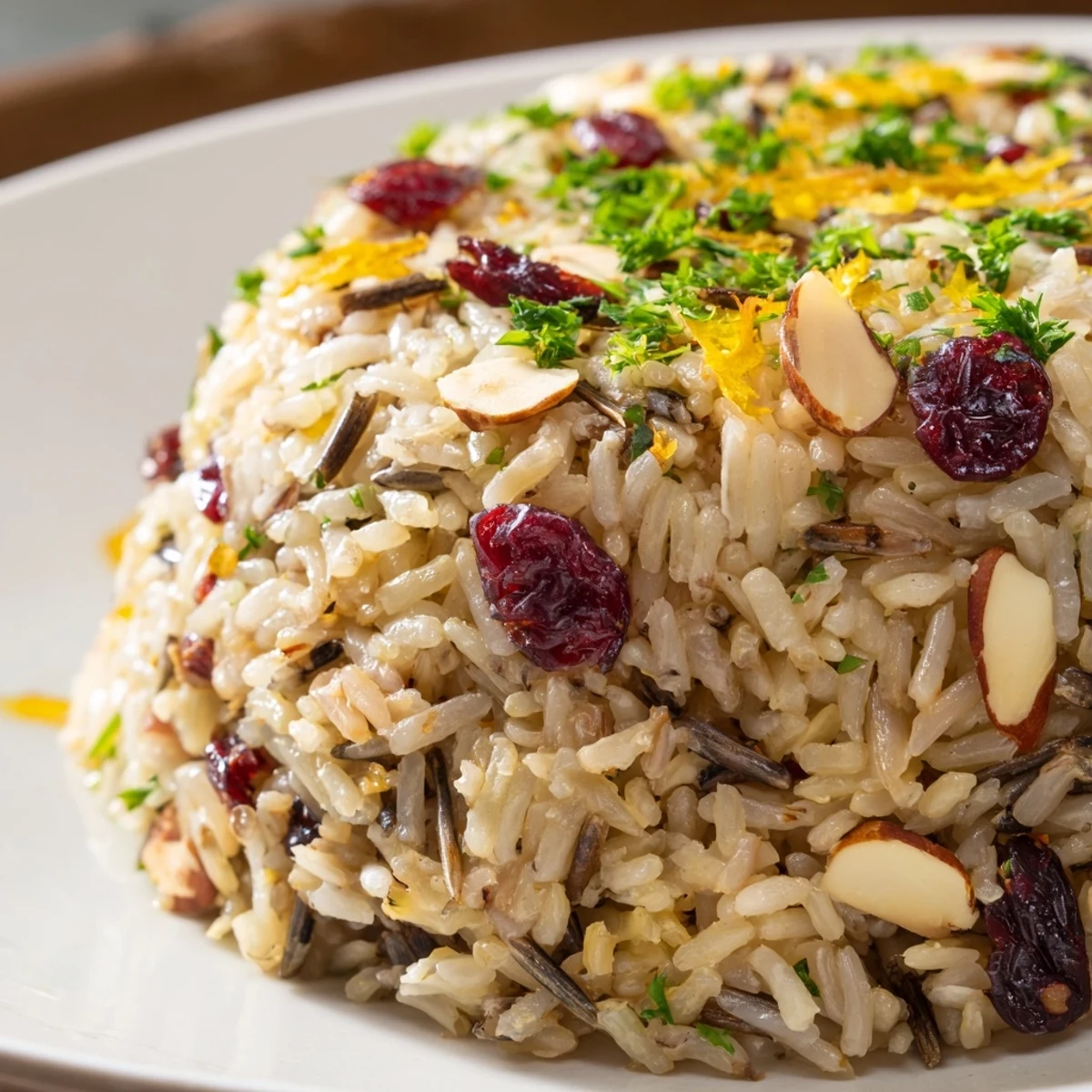
 This pilaf has become the dish I make when I want to feel like I've cooked something real and nourishing without spending hours in the kitchen. It's become something people ask for and remember, which is the highest compliment a recipe can get.
Recipe FAQs
- → What types of rice are used?
-
A mix of wild rice and long-grain brown rice creates a balance of textures and a nutty flavor.
- → Can nuts be omitted or substituted?
-
Yes, almonds are optional. For nut-free versions, omit them or substitute pecans or pistachios.
- → Is this dish suitable for gluten-free diets?
-
Absolutely, all ingredients are naturally gluten-free, but always check broth labels for potential gluten.
- → How is the citrus flavor incorporated?
-
Fresh orange juice is cooked with the rice, and orange zest is stirred in at the end for brightness.
- → Can this be served as a main dish?
-
Yes, it works well as a wholesome, vegetarian main or as a festive side dish.