
 Pin This
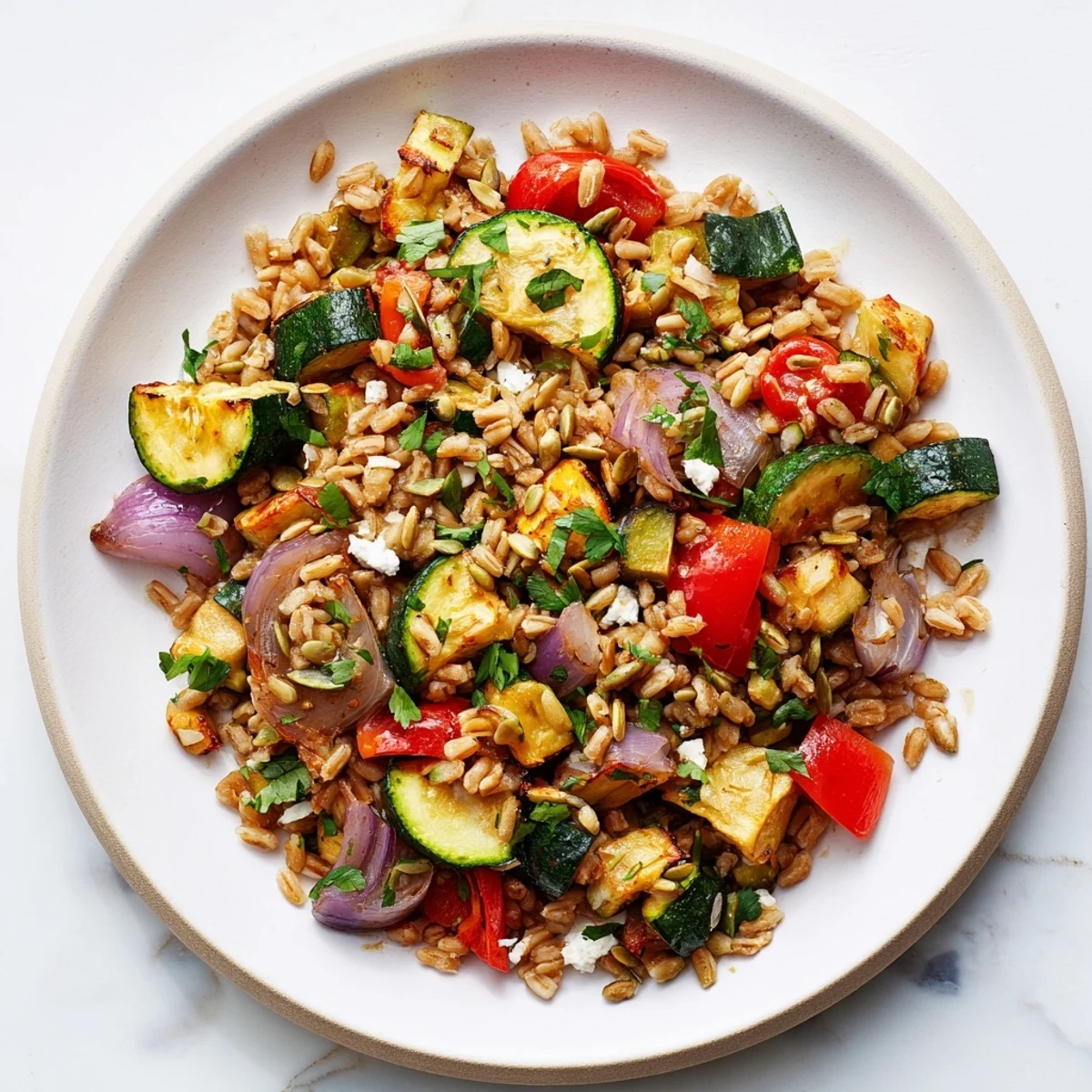
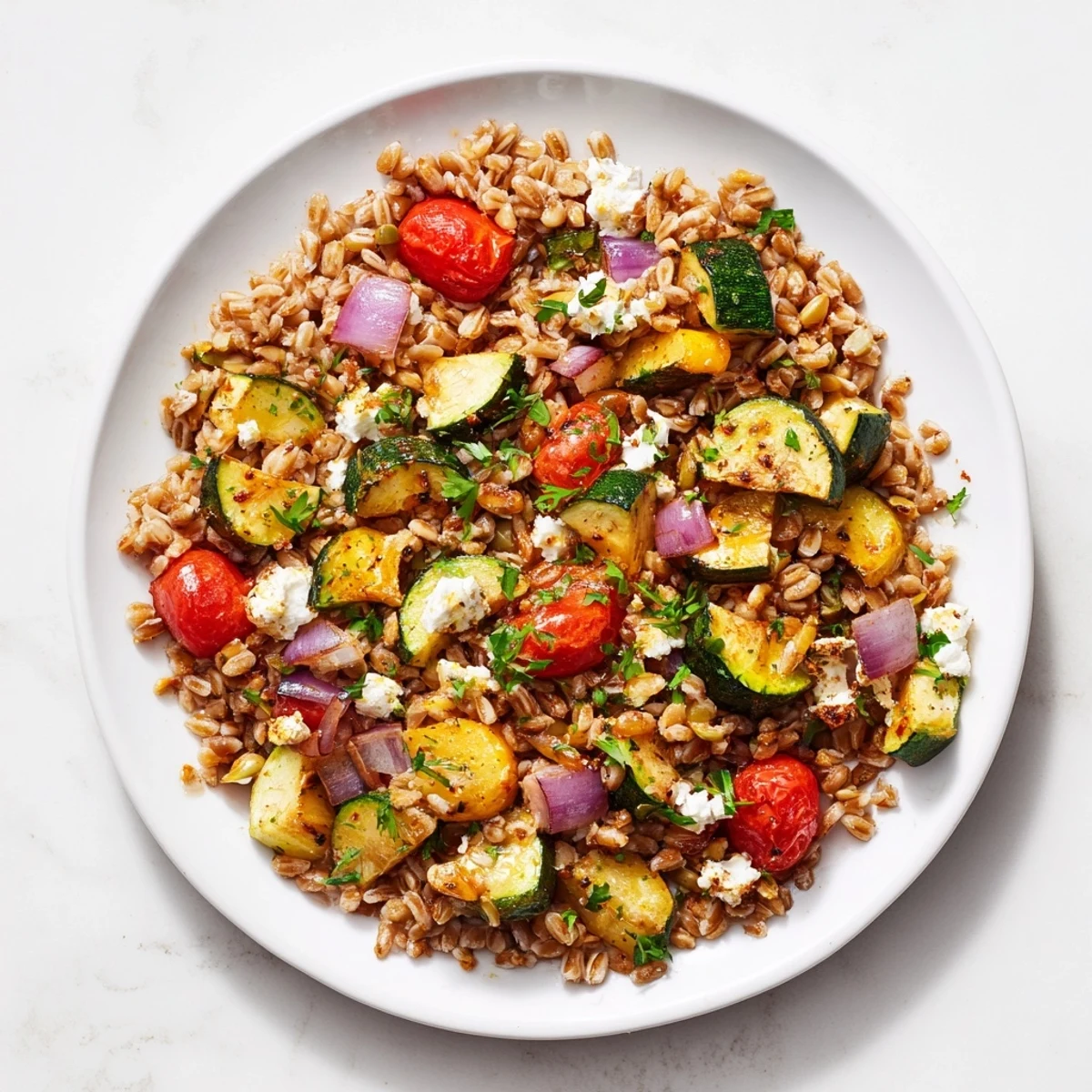
 This dish combines tender farro with a medley of zucchini, bell pepper, onion, and cherry tomatoes roasted to bring out deep, caramelized flavors. A crunchy oat and pumpkin seed topping adds texture and a hint of smokiness from paprika. Finished with a lemony olive oil dressing and optional feta, it offers a balanced, hearty meal perfect for lunch or light dinner. Easy to prepare and customizable, it suits vegetarian and gluten-free diets with simple substitutions.
I discovered this salad on a lazy Sunday afternoon when a friend brought fresh vegetables from the farmer's market and challenged me to create something beyond the typical green salad. I remembered my grandmother's approach to cooking—using whole grains as the foundation and letting each ingredient shine. That's when it clicked: why not toast oats until they're golden and crunchy, then layer them over warm farro and caramelized vegetables? The first bite brought together everything I loved about cooking—nourishment, texture, and that warm feeling of making something real from simple ingredients.
I'll never forget serving this to my book club on a Tuesday evening when I was honestly too tired to cook anything complicated. Everyone came expecting something light, but this salad proved that wholesome and satisfying aren't mutually exclusive. One friend came back for thirds and asked if I'd found the recipe in some fancy cookbook. I hadn't—it came from necessity and a pantry full of good intentions.
Ingredients
- Farro (1 cup): This nutty grain holds its texture beautifully and keeps you full longer than you'd expect. I learned to buy it in bulk because once you taste it, regular pasta feels inadequate.
- Water (2 cups) and salt (1/2 teaspoon): The ratio matters—too little water and you'll have crunchy farro, too much and it becomes mushy. Think of it like cooking rice, but more forgiving.
- Zucchini (1 medium, diced): When roasted hot enough, zucchini loses its watery nature and becomes something completely different—almost sweet and tender.
- Red bell pepper (1, diced): These add brightness and natural sweetness that intensifies in the oven. I always choose the thickest ones because they roast more evenly.
- Red onion (1 small, cut into wedges): The wedges char at the edges and become almost candy-like, adding depth without sharpness.
- Cherry tomatoes (1 cup, halved): Save these for the last few minutes of roasting or they'll collapse into nothing. Your timing here makes all the difference.
- Olive oil (2 tablespoons for vegetables, 1 tablespoon for oats, 3 tablespoons for dressing): Quality matters here more than anywhere else. Find one you actually like tasting straight from the bottle.
- Dried oregano (1/2 teaspoon): One of those pantry staples that transforms roasted vegetables from plain to Mediterranean-inspired with almost no effort.
- Black pepper (1/4 teaspoon for vegetables, 1/4 teaspoon for dressing): Freshly ground makes an actual difference—pre-ground loses its bite.
- Rolled oats (1/2 cup): Make sure you grab old-fashioned rolled oats, not instant. Instant oats disappear into dust when roasted.
- Pumpkin seeds (2 tablespoons): These add protein, richness, and that toasted depth that makes people ask what the secret ingredient is.
- Smoked paprika (1/4 teaspoon): A little goes a long way. This spice adds smokiness that suggests a grill without actually firing one up.
- Lemon juice (1 tablespoon): Fresh lemon is non-negotiable here. It's the bright note that makes everything taste alive.
- Dijon mustard (1 teaspoon): This tiny amount emulsifies the dressing and adds a subtle sophistication that people notice without knowing why.
- Garlic (1 clove, minced): Raw garlic in dressing is sharp and honest. Mince it small so it distributes evenly.
- Feta cheese (1/4 cup, crumbled, optional): If you use it, seek out real feta—the salty brine makes everything taste more intentional.
- Fresh parsley (2 tablespoons, chopped): A final green note that brightens everything and reminds you that you're eating vegetables and feeling good about it.
Instructions
- Begin with heat:
- Start by preheating your oven to 425°F and lining a large baking sheet with parchment paper. This moment of preparation sets the tone—you're creating an environment where vegetables will transform, not just cook.
- Nurture the grain:
- In a medium saucepan, combine your farro with water and salt. Bring it to a boil, then reduce the heat, cover it, and let it simmer gently for 20 to 25 minutes. You'll know it's ready when the grain is tender but still has character—it shouldn't be mushy. Listen for the gentle bubbling and trust that sound. Drain any excess water and let it cool just slightly while you tend to the vegetables.
- Prepare your vegetables:
- While the farro cooks, cut your zucchini, bell pepper, onion, and halve your cherry tomatoes. Getting them all ready before anything hits the pan means you're not rushing later. Arrange them on your baking sheet, drizzle generously with olive oil, and scatter your oregano, salt, and pepper over the top. Use your hands to toss everything together—this is how you know the oil is reaching every piece.
- Roast with intention:
- Spread the vegetables in a single layer and slide them into the oven. They need about 20 to 25 minutes, and halfway through, give them a stir. You're waiting for the edges to catch color and the vegetables to soften and concentrate their flavors. This is the magic that happens when vegetables meet real heat.
- Toast the topping:
- While vegetables roast, make your oat topping by tossing rolled oats and pumpkin seeds with olive oil, smoked paprika, and salt in a small bowl. Spread this mixture on a separate small baking sheet and bake alongside the vegetables for about 6 to 8 minutes, stirring once. You want it golden and crisp—this is where texture comes from, and it's worth paying attention to.
- Build the dressing:
- In a small jar or bowl, whisk together your extra-virgin olive oil, lemon juice, Dijon mustard, minced garlic, salt, and pepper. Taste it as you go. It should be bright and balanced—acidic enough to wake up your palate but rich enough to feel substantial.
- Assemble with care:
- When everything is ready, combine your cooled farro and roasted vegetables in a large salad bowl. Pour your dressing over the top and toss gently—you want to coat everything but preserve the integrity of the vegetables. They've worked hard to get this far, and rough handling would be unkind.
- Crown with texture:
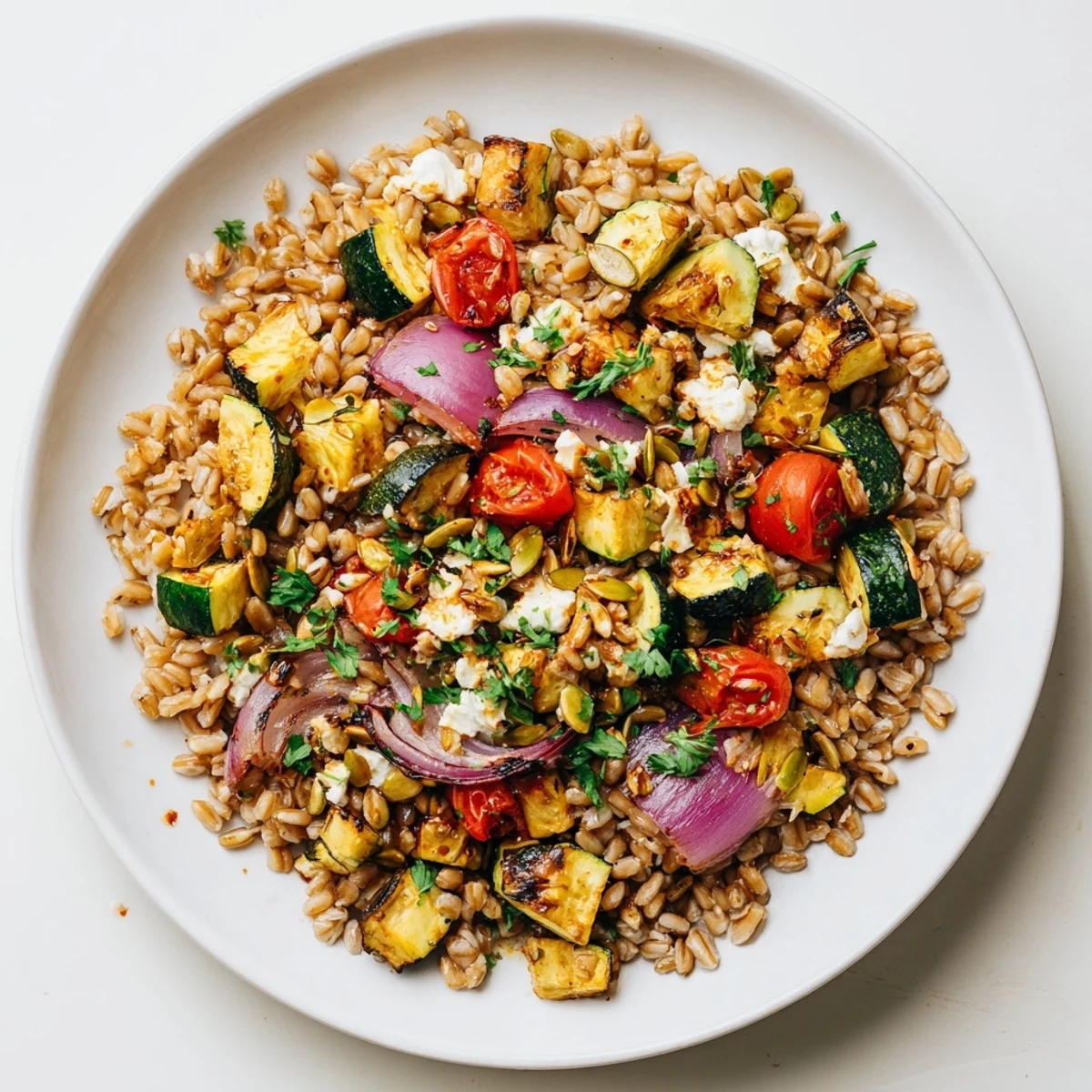
- Just before serving, top your salad with the crunchy oat topping, crumbled feta if you're using it, and chopped fresh parsley. This final layer of crunch and green is what catches the eye and the first thing your teeth encounter.
- Serve and savor:
- This salad is wonderful warm, but equally lovely at room temperature. Serve it however your moment calls for—rushed lunch or leisurely dinner.
 Pin This
 There's a moment late on a Wednesday night when my partner came home and sat down at the table, tired from a long day. I brought out this salad still warm from the oven, and watching someone genuinely satisfied by something you made—not something complicated or showoffs, just good food—that's when I understood why cooking matters. It wasn't about impressing anyone. It was about nourishment feeling like care.
Why Whole Grains Make Everything Better
There's something about cooking with farro that shifts your entire approach to eating. Unlike white rice or pasta, farro has actual substance. It fills you in a way that feels honest. I started using whole grains not because I was trying to eat healthy—though that happened—but because they actually taste like something. They have personality. Once I understood that, I stopped seeing salad as a side dish or a lunch obligation and started seeing it as real food that could anchor a meal.
The Art of Vegetable Roasting
Roasting vegetables transformed how I think about cooking. It's one of those techniques that seems simple until you realize it's actually alchemy. The dry heat of the oven concentrates flavors, caramelizes natural sugars, and creates textures that boiling or steaming simply can't achieve. I learned that cutting vegetables to consistent size matters more than any fancy technique. I learned that a crowded pan creates steam instead of char, so giving vegetables room to breathe is not a luxury but a requirement. These lessons from the oven taught me patience and respect for ingredients in ways that fancy knife skills never could.
Texture as the Secret Ingredient
This salad taught me something crucial about cooking that goes beyond recipes: texture is what makes food memorable. A salad can be nutritious and taste good, but add a contrasting crunch, and suddenly people lean forward in their seats. The toasted oats with pumpkin seeds against the tender farro and soft vegetables create a conversation in your mouth. It's why that final oat topping can't go on too early, why it matters that you're intentional about every element. This principle—the marriage of textures—changed not just how I make salads but how I approach every plate of food.
- Always finish hot dishes with something crunchy or fresh to create dimension
- Toast nuts, seeds, and grains separately from other components so they maintain their textural integrity
- Consider how each element will feel on your tongue, not just how it will taste
 Pin This
 This salad has become my go-to when I want to feel like I'm taking care of myself and everyone I feed. It's proof that nourishing food doesn't have to be complicated.
Recipe FAQs
- → What type of grain is used in this dish?
-
Farro, a nutty whole grain, is the base providing a chewy texture and rich flavor.
- → How are the vegetables prepared?
-
Zucchini, red bell pepper, onion, and cherry tomatoes are tossed with olive oil and herbs, then roasted until tender and caramelized.
- → What adds the crunchy texture on top?
-
A topping made from rolled oats, pumpkin seeds, olive oil, and smoked paprika is baked until golden and crisp.
- → Can this dish be adapted for different diets?
-
Yes, omit feta for a vegan version and swap farro for quinoa or barley to suit gluten-free needs.
- → What is the best way to serve this preparation?
-
Serve it warm or at room temperature as a satisfying lunch or a light dinner option.
- → Are there recommended additions for more protein?
-
Adding roasted chickpeas or grilled chicken boosts protein content without altering flavor balance.