
 Pin This
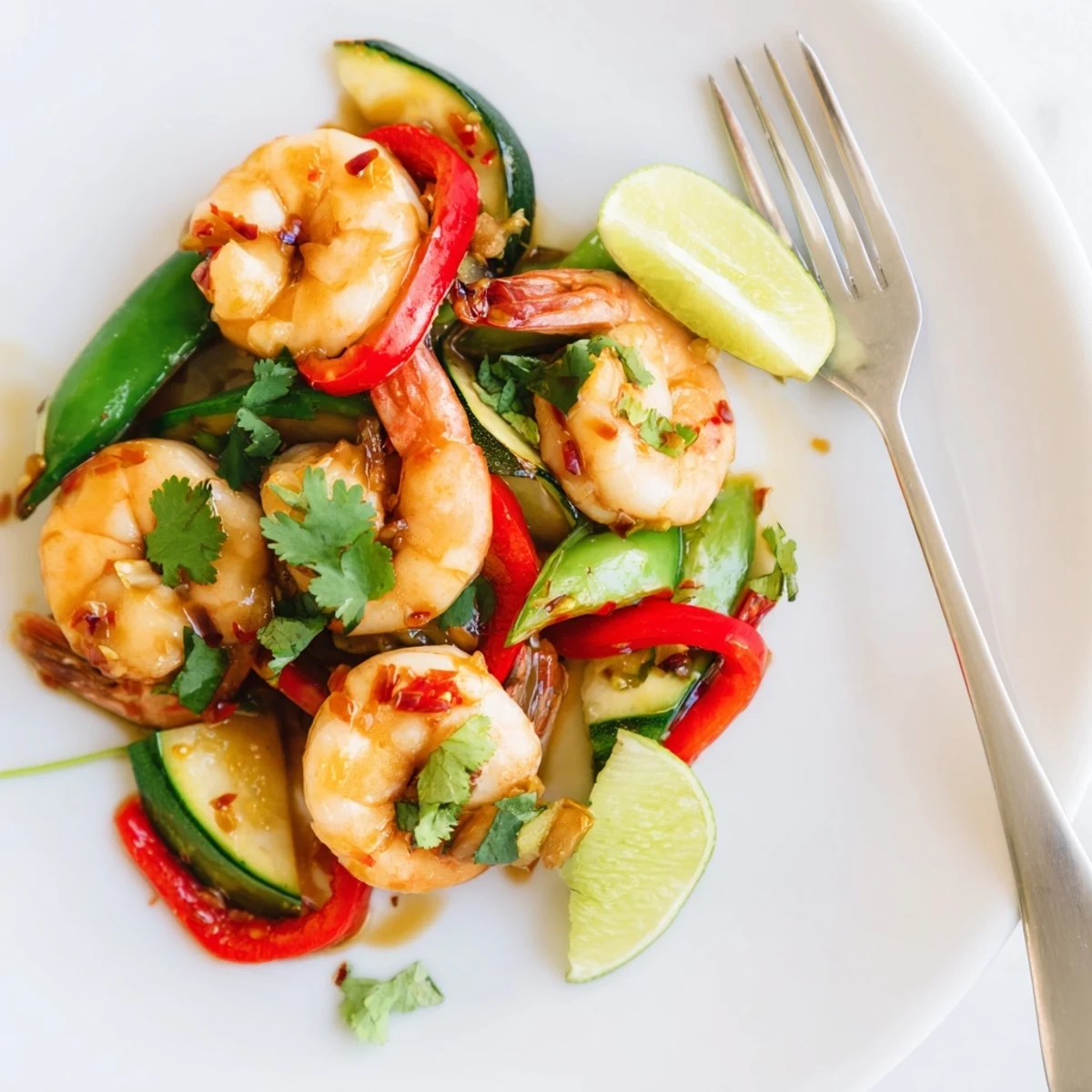
 This dish combines succulent shrimp with crisp seasonal vegetables like bell pepper and snap peas. Cooked quickly in a hot wok, the ingredients are coated in a zesty chili and garlic sauce. The result is a spicy, aromatic meal that balances sweet and savory flavors perfectly. It is an excellent choice for a fast dinner that doesn't compromise on taste or texture.
I discovered this dish on a humid summer evening when my friend Sarah showed up with a bag of just-caught shrimp from the market and challenged me to make something spicy. We had maybe twenty minutes before dinner guests arrived, so I rummaged through the fridge, grabbed whatever vegetables looked fresh, and threw together a sauce from memory. The first bite was electric—that perfect balance of heat, brightness, and the snap of vegetables still holding their texture.
The second time I made this, my partner walked into the kitchen halfway through cooking and immediately asked what smelled so incredible—that's when I knew I'd stumbled onto something special. Now whenever the kitchen fills with that garlicky, chili-tinged aroma, everyone gathers around expecting magic on a plate.
Ingredients
- Large raw shrimp, 500g: Buy them as fresh as possible and ask the fishmonger to peel and devein if you're short on time—your hands will thank you.
- Red bell pepper: The sweetness balances the chili heat beautifully, and slicing it thin means it cooks in minutes.
- Small zucchini: It adds substance without overpowering the other flavors; cut it thin so it stays slightly firm.
- Snap peas, 100g: These are the surprise ingredient that everyone raves about—they bring a fresh crunch that's almost sweet.
- Spring onions: Add these at the very end so they stay bright and peppery, not soft.
- Garlic, 4 cloves: Mince it finely so it distributes evenly and toasts into little flavor bombs in the hot oil.
- Red chilies: Start with one if you prefer mild heat and build from there; half the chili is seeds, so remove them if you want less fire.
- Soy sauce, 2 tbsp: This is your savory foundation; use gluten-free if needed and don't skip it.
- Fish sauce, 1 tbsp: It sounds intimidating but trust it—it adds an umami depth that makes people wonder what your secret ingredient is.
- Honey, 1 tbsp: Just enough to round out the sharp edges and caramelize slightly in the pan.
- Lime juice, 2 tbsp: Fresh lime is non-negotiable here; bottled versions miss that bright, zesty lift.
- Sesame oil, 1 tbsp: Drizzle it in at the end so the heat doesn't cook away its nutty fragrance.
- Vegetable oil, 1 tbsp: Use something neutral that can handle high heat without smoking.
- Fresh cilantro and lime wedges: These aren't optional—they're the final note that makes everything sing.
Instructions
- Make your sauce first:
- Whisk together the soy sauce, fish sauce if using, honey, and lime juice in a small bowl and set it nearby. This five-minute prep work means you won't be scrambling once the pan gets hot.
- Get your pan screaming hot:
- Heat vegetable oil in a large skillet or wok over medium-high heat until it shimmers and dances slightly. You want it hot enough that the garlic sizzles the moment it hits the oil.
- Bloom the aromatics:
- Add the minced garlic and sliced chilies and let them sauté for about 30 seconds—this is the moment your kitchen smells incredible. Don't walk away; this goes from fragrant to burnt in a blink.
- Sear the shrimp:
- Toss in the shrimp and cook for just 1 to 2 minutes until they start turning pink on the edges. They'll continue cooking as you add the vegetables, so resist the urge to leave them in longer.
- Add the vegetables:
- Throw in the bell pepper, zucchini, and snap peas and stir-fry for 2 to 3 minutes, stirring constantly, until they're tender but still have a slight snap. The pan should sound loud and sizzly.
- Bring it all together:
- Pour in your prepared sauce and toss everything to coat evenly, then stir-fry for another 1 to 2 minutes until the shrimp are fully cooked through and opaque. The sauce will cling to everything beautifully.
- Finish with fragrance:
- Remove from heat, drizzle with sesame oil, and toss in the sliced spring onions so they stay fresh and peppery.
 Pin This
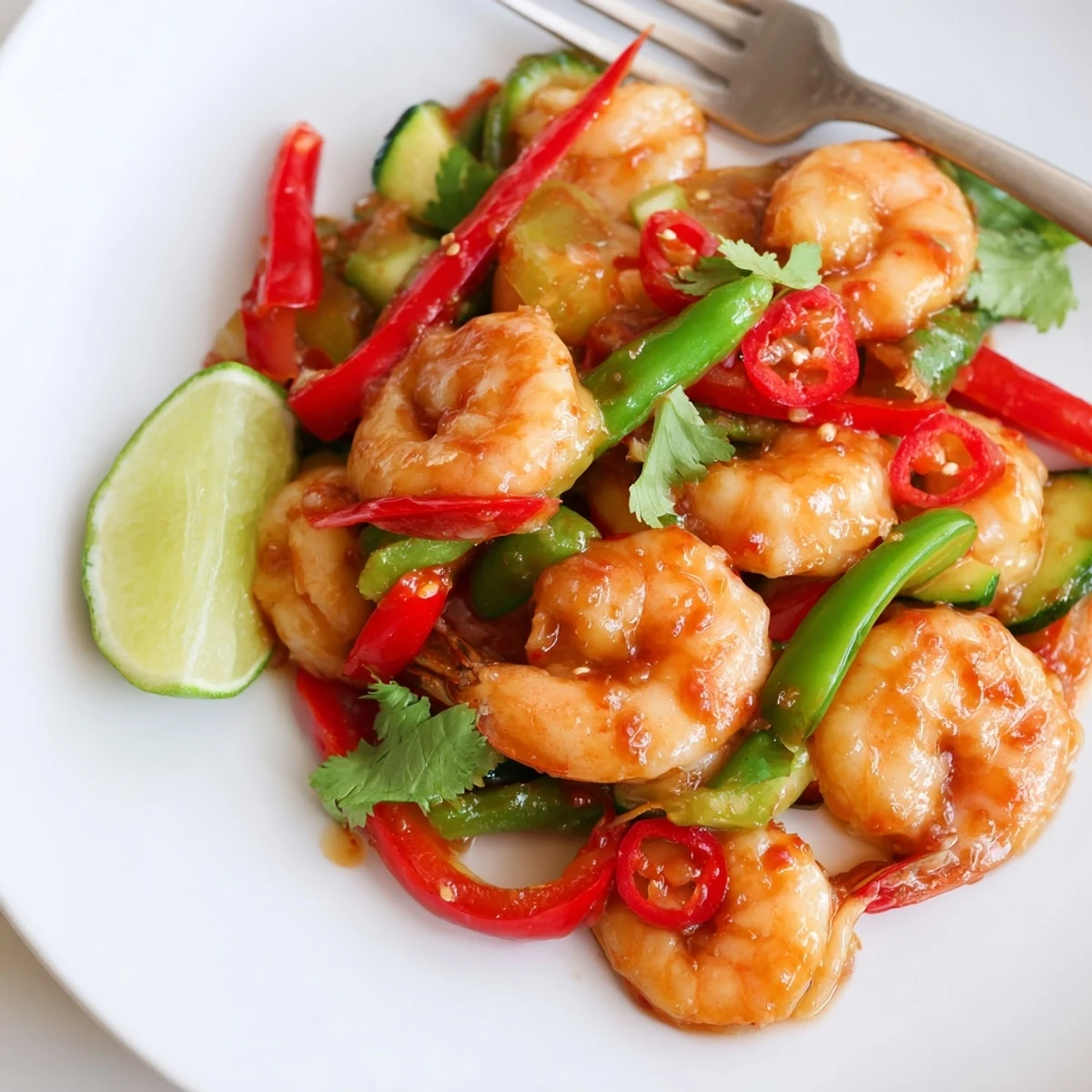
 What started as an improvised weeknight dinner has become the dish I cook when I want to impress someone without showing effort. There's something about the way it looks—vibrant, glistening, finished—that makes people think you've been planning it all day.
Why This Becomes a Go-To
Once you nail the technique here, you realize you can swap nearly any protein or vegetable depending on what you have. I've made it with scallops when I'm feeling fancy, with chicken thighs for a more forgiving cook, and with extra vegetables when I want to stretch it further. The formula stays the same, but the dish never feels repetitive.
Serving Suggestions That Actually Matter
Jasmine rice is the obvious choice and absolutely correct—it soaks up the sauce without competing. But I've also served this over cauliflower rice for friends watching carbs, and honestly, the spice-forward sauce works beautifully either way. Some nights I skip the rice entirely and serve it in lettuce wraps, which turns it into something lighter and more interactive.
How to Build Your Own Version
The magic isn't in strict adherence—it's in understanding why each element matters. The soy-fish sauce base is your anchor, the honey and lime are your balance, and the sesame oil is your finishing touch that ties everything together. Once you see how these components work, you'll trust your instincts with substitutions.
- Feeling adventurous? Add a splash of rice vinegar or a teaspoon of ginger for extra depth.
- Prefer milder heat? Use just the chili flakes instead of fresh chilies, or skip them entirely and let the garlic be the star.
- Have other vegetables on hand? Broccoli, snap beans, or even mushrooms work beautifully in the same cooking time.
 Pin This
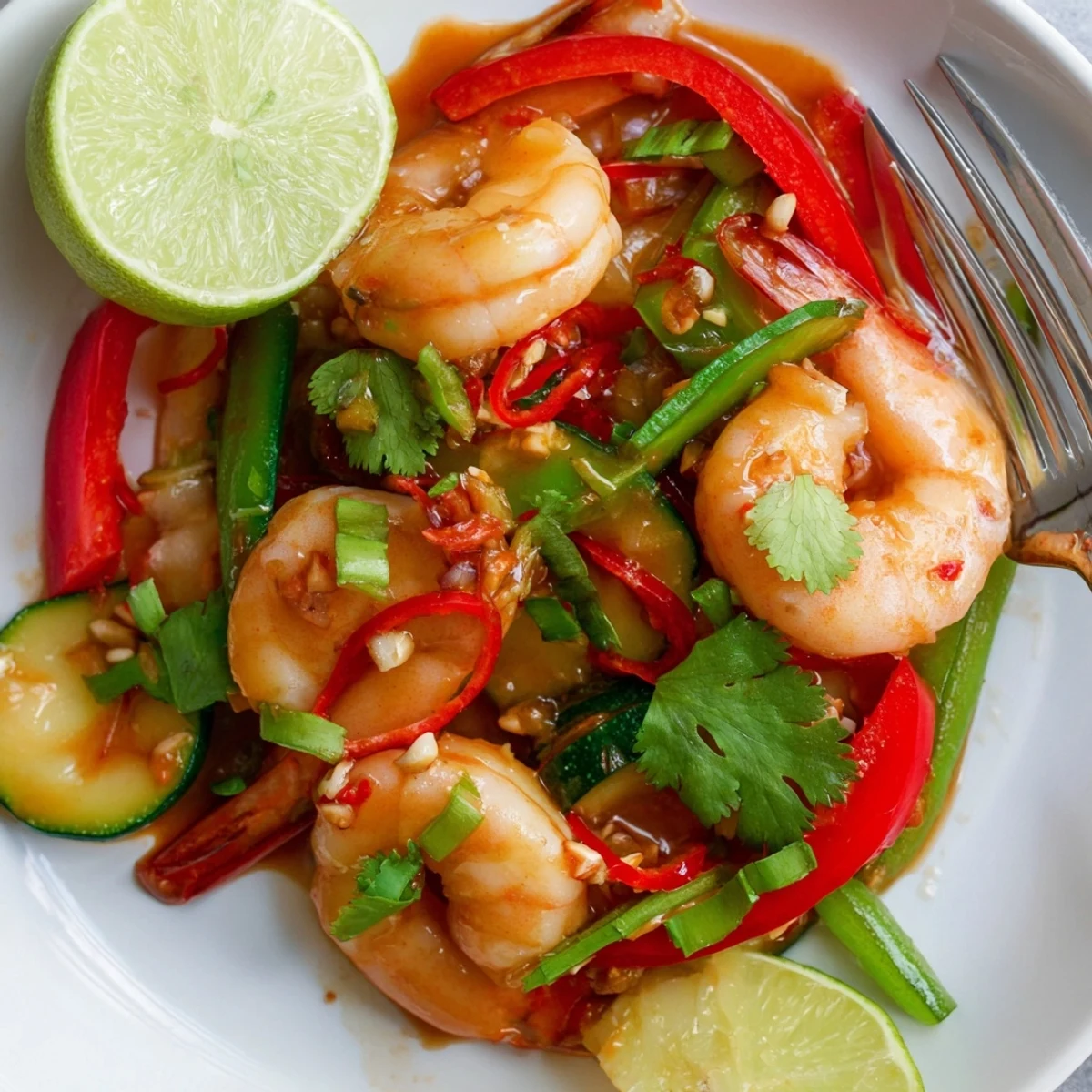
 This recipe has a way of showing up when you need it most—when you're tired but still want to eat something that feels intentional. It's become my proof that the best meals don't require hours or complexity, just attention and the right balance of flavors.
Recipe FAQs
- → How spicy is the dish?
-
The heat level depends on the number of chilies used. You can easily reduce the amount for a milder taste or increase it for extra spice.
- → Can I use frozen shrimp?
-
Yes, ensure they are fully thawed and patted dry before cooking to prevent excess water from making the dish soggy.
- → Is this dish gluten-free?
-
It can be gluten-free if you use a certified gluten-free soy sauce or tamari instead of regular soy sauce.
- → What vegetables can I substitute?
-
Feel free to swap the seasonal vegetables with whatever you have on hand, such as broccoli, carrots, or mushrooms.
- → What is the best way to serve this?
-
It pairs perfectly with steamed jasmine rice, but you can also serve it over noodles or cauliflower rice for a lighter option.