
 Pin This
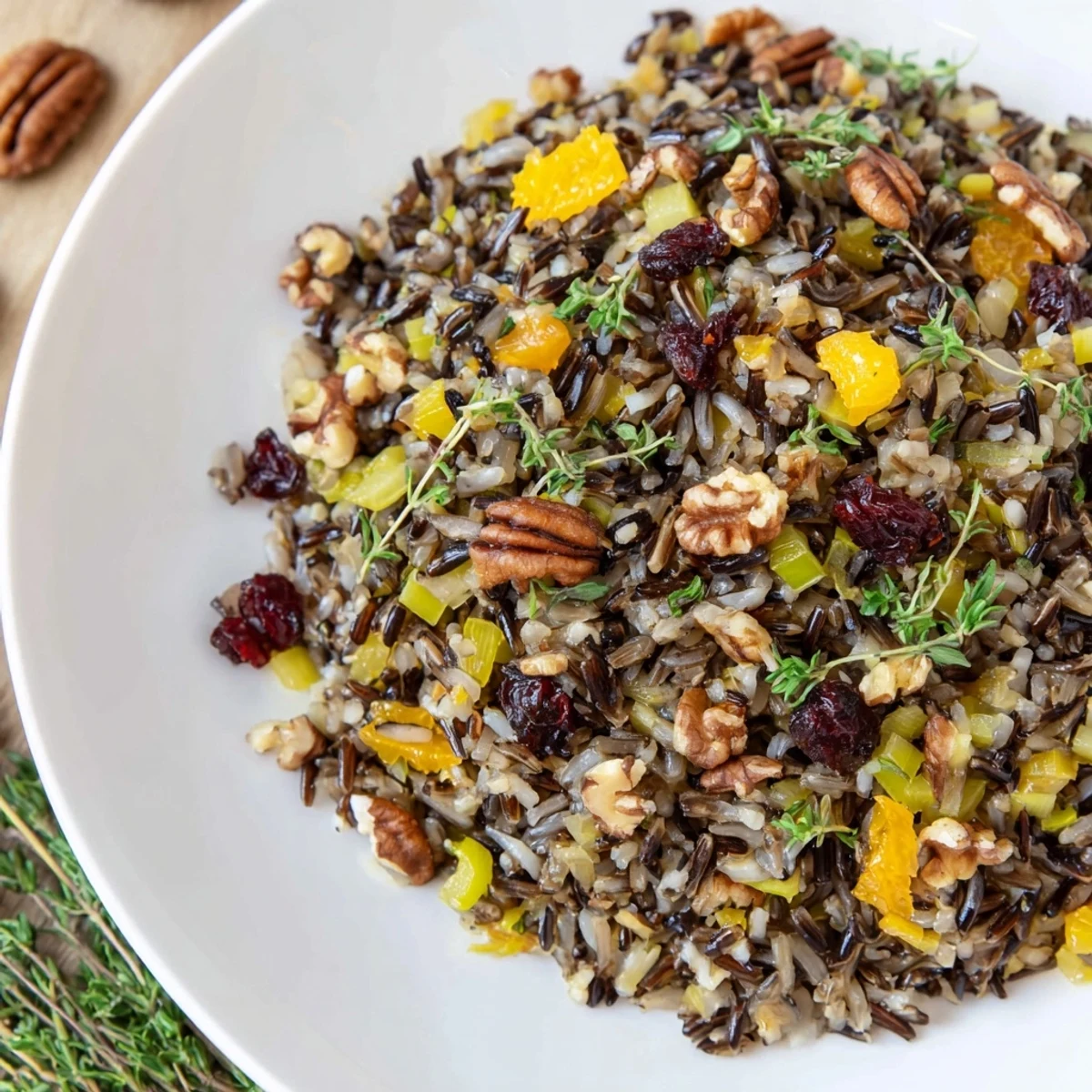
 This hearth-baked wild rice pilaf combines nutty wild and brown rice with fresh citrus juices and zests for bright flavor. Aromatic herbs like thyme and parsley deepen the taste, balanced by the sweetness of dried cranberries and the crunch of chopped pecans or walnuts. Slowly baked in the oven, the grains absorb a savory vegetable broth infused with onion, celery, and carrot for a satisfying texture and depth. Ideal as a hearty vegetarian main or a colorful side dish, it’s naturally gluten- and dairy-free, with flexible ingredient swaps to suit preferences or allergies.
A friend arrived at my kitchen on a grey November afternoon with a bundle of fresh citrus from a farmers market, and I found myself instinctively reaching for the pot of wild rice I'd been meaning to cook. The moment I mixed those bright juices with nutty grains, something clicked—a dish that felt both unexpected and somehow inevitable, like a recipe waiting to be remembered rather than invented.
I made this for a potluck where everyone brought something safe and predictable, and somehow this pilaf—with its jewel-like cranberries and fragrant herbs—became the dish people actually wanted seconds of. That's when I knew it had become something I'd make again and again, not just to feed people, but because it genuinely made them pause and ask for the recipe.
Ingredients
- Wild rice and brown rice: Wild rice brings a deep, nutty texture that regular white rice can't touch, and mixing it with brown rice gives you a pillow of grain that feels substantial without being heavy.
- Vegetable broth, orange juice, and lemon juice: These create a liquid that's savory and bright at once—the citrus doesn't make it taste like dessert, but rather wakes up every other flavor in the pot.
- Yellow onion, celery, and carrot: This aromatic base is your foundation; don't skip the sautéing step, as it softens the vegetables and lets their sweetness bloom before the rice joins them.
- Dried cranberries, orange zest, and lemon zest: The cranberries add pops of tart sweetness, while the zests bring an almost perfumy brightness that fresh juice alone can't deliver.
- Pecans or walnuts: These go in at the very end so they stay crisp and toasted; they're your textural anchor against the tender grains.
- Fresh parsley and thyme: The parsley is fresh and grassy; the thyme is earthy and subtle, and together they tie everything into a coherent whole.
- Olive oil, salt, and pepper: Quality olive oil matters here since you're tasting it directly, and salt and pepper are your final voice in the dish.
Instructions
- Heat your oven and start the aromatics:
- Preheat to 375°F and warm olive oil in your Dutch oven over medium heat. Sauté the onion, celery, and carrot for four to five minutes until they soften and smell almost sweet—you're looking for them to lose their raw edge without browning.
- Toast the rice grains:
- Add both rices and stir constantly for about two minutes, letting them coat in oil and mingle with the softened vegetables. You'll notice the grains start to smell slightly nutty and toasted—this is exactly what you want.
- Pour in the liquid and seasonings:
- Add your broth, juices, zests, thyme, salt, and pepper. Bring the mixture to a gentle simmer, then add the cranberries. The liquid should smell bright and herbaceous at this point.
- Cover and transfer to the oven:
- Seal the pot tightly with a lid or foil and slide it into the preheated oven. This is where patience becomes your ingredient—the oven's gentle, even heat will coax the rice to tenderness over the next hour without you having to stir or fuss.
- Finish with nuts and herbs:
- After an hour, remove the pot from the oven, fluff the rice gently with a fork, and fold in the pecans and fresh parsley. Taste as you go and adjust salt and pepper to suit your preference.
 Pin This
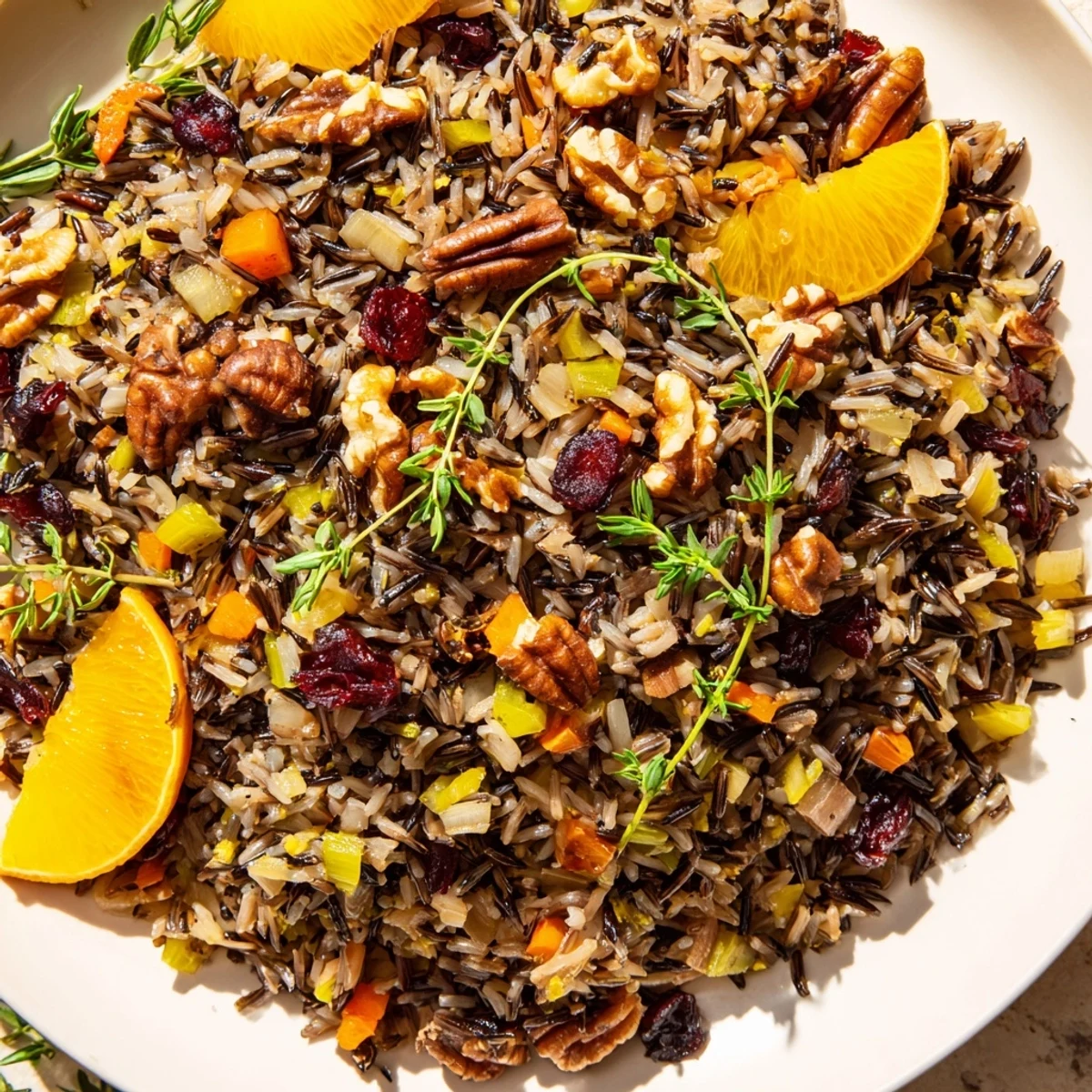
 There's a moment, just as the pilaf comes out of the oven and you lift the lid, when steam rises and carries the scent of citrus and thyme through your kitchen. That smell is your signal that something simple and honest has happened—that humble grains have been transformed into something that makes you feel genuinely happy to eat.
Why Wild Rice Matters Here
Wild rice has a chewiness and earthy depth that regular rice simply doesn't offer, and when you combine it with brown rice, you're layering two different textures—one chewy, one tender—that keep every bite interesting. It's also more forgiving in the oven; it doesn't turn to mush as easily as white rice, so you can cook this without constant monitoring. The nutty flavor it brings is subtle but unmistakable, and it plays beautifully against the brightness of citrus.
Making This a Main Course
On its own, this pilaf is a beautiful side dish, but if you want to make it a vegetarian main, you have options. A handful of cooked chickpeas stirred in at the end adds protein and a slightly creamy texture, or you can serve it alongside roasted root vegetables—beets, parsnips, or carrots tossed with olive oil and thyme work beautifully. A scatter of toasted seeds on top adds another textural layer and makes the dish feel more substantial.
The Art of Adjusting as You Go
Every oven runs slightly different, and the moisture content of rice varies from bag to bag, so taste your pilaf as it comes out and adjust the seasonings with confidence. Sometimes it needs an extra pinch of salt, sometimes a tiny squeeze of fresh lemon juice to brighten it again. This isn't a rigid formula—it's a framework, and you're the cook who knows what your palate wants.
- If the pilaf tastes slightly one-dimensional, a small pinch of salt often opens everything up rather than making it taste salty.
- A crack of fresh black pepper added at the table adds liveliness that gets lost if cooked into the pot.
- Save a bit of zest to sprinkle on top as garnish—it adds a visual pop and reminds people of what makes this dish special.
 Pin This
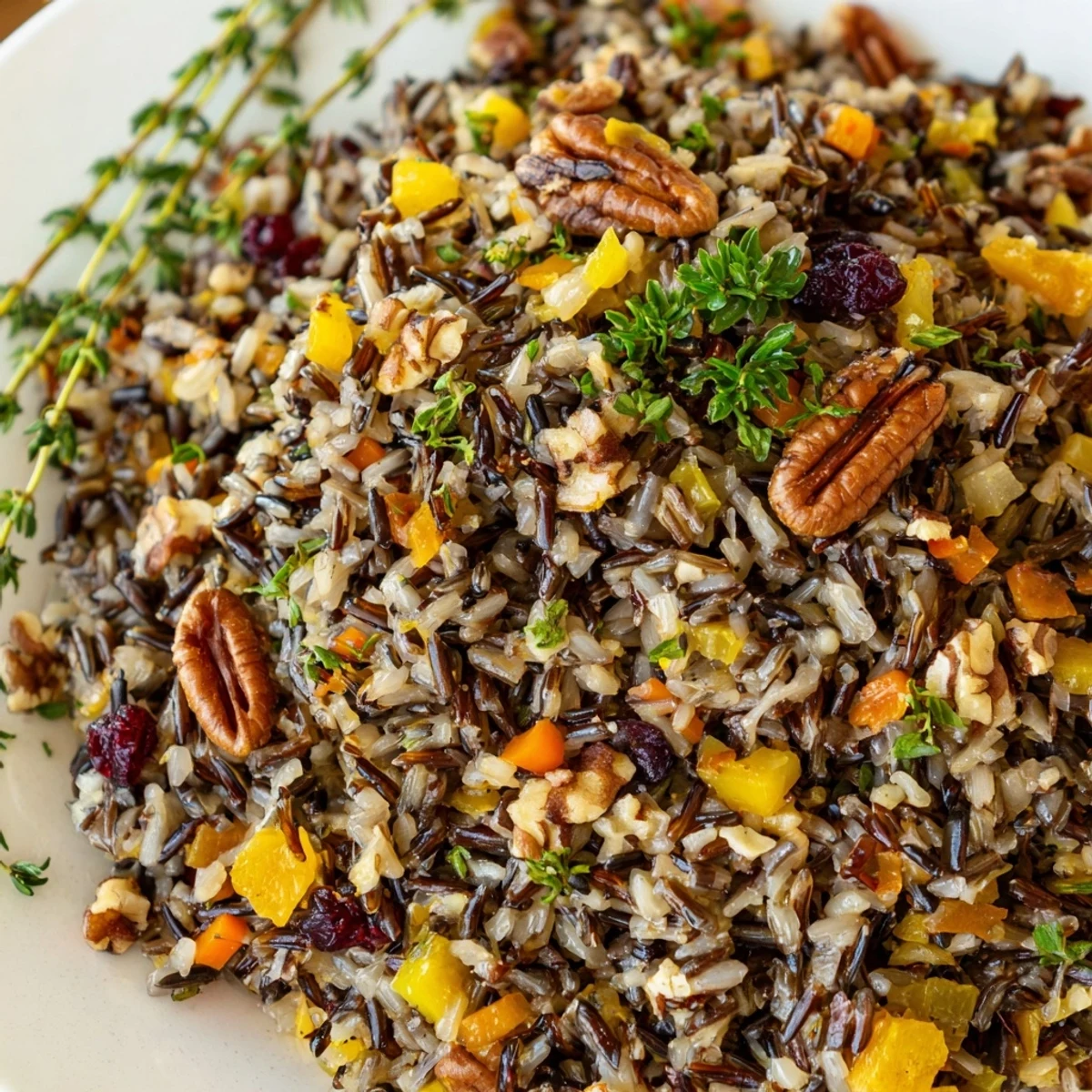
 This pilaf has become my answer to the question of what to bring to a table where you don't know exactly what everyone eats—it's a dish that honors simple ingredients and asks nothing complicated of anyone. Serve it warm, and watch how often people circle back for more.
Recipe FAQs
- → Can I substitute dried cranberries with other dried fruits?
-
Yes, dried cherries or apricots make excellent substitutes, adding a similar sweet-tart flavor to complement the citrus and herbs.
- → What nuts work best in this pilaf?
-
Pecans or walnuts provide a rich, crunchy texture that enhances the dish’s nutty profile. Chop them roughly before folding in.
- → How do I ensure the rice cooks evenly in the oven?
-
Use an oven-safe pot with a tight-fitting lid or cover with foil to trap steam. Bake at 375°F for about an hour until tender.
- → Can this dish be made vegan?
-
Yes, it is naturally vegan when using vegetable broth. Adding roasted root vegetables can make it a complete main course.
- → Is it possible to add protein to this pilaf?
-
Cooked chickpeas can be stirred in to increase protein content without altering the core flavors significantly.
- → How do the citrus elements affect the flavor?
-
Fresh orange and lemon juice and zest brighten the pilaf, balancing the earthiness of the grains and the sweetness of the dried fruit.