
 Pin This
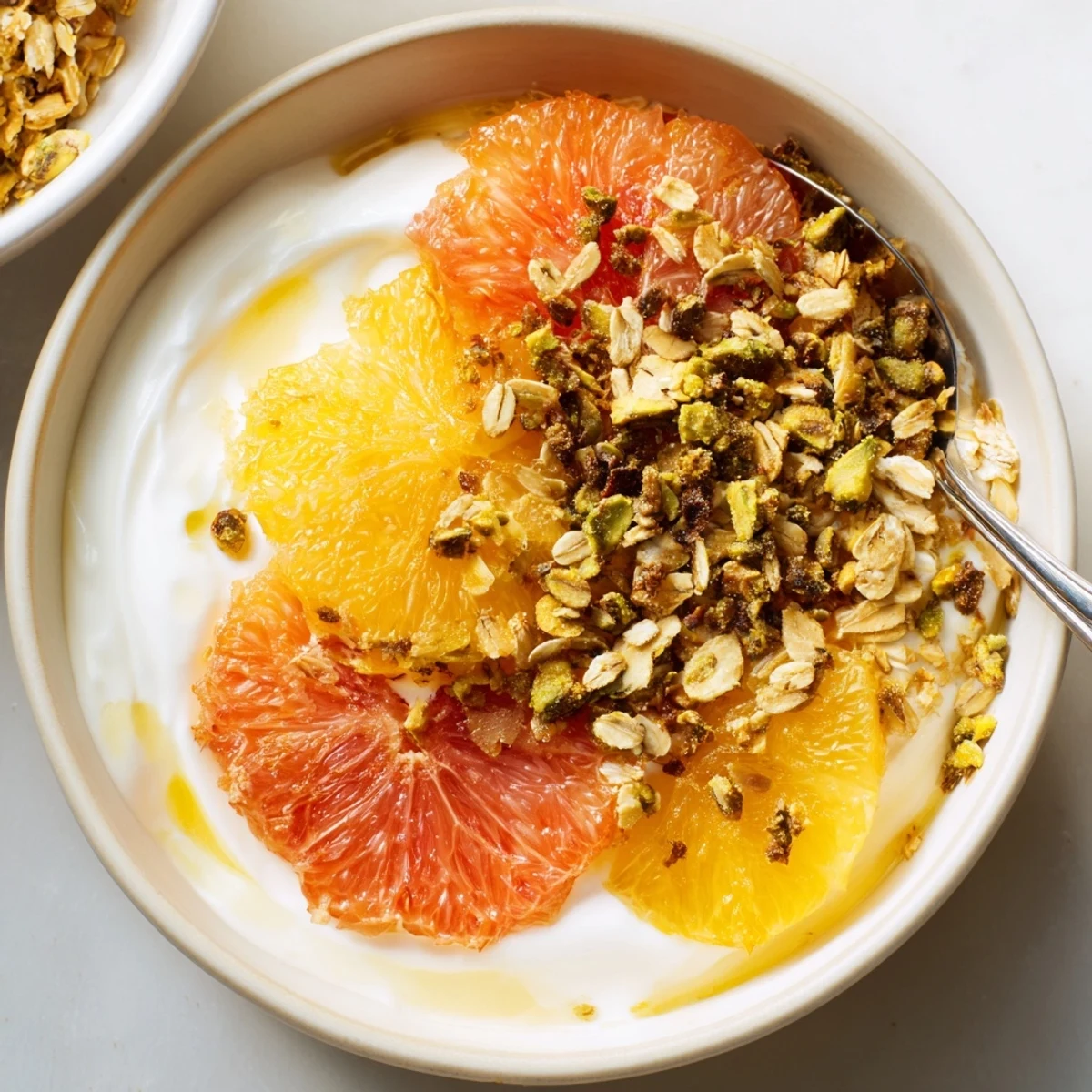
 This vibrant dish features oven-glazed citrus slices drizzled with honey and spices, paired with smooth Greek yogurt mixed with lemon zest. Topped with toasted nuts and oats for crunch, it presents a balance of warm, sweet, and tangy flavors. Ideal for a bright breakfast or light brunch, the combination offers refreshing citrus aromas and creamy textures, enhanced by a delicate honey glaze and baked to bring out natural sweetness.
Preparation involves roasting the citrus with a honey-spice drizzle, toasting crunchy toppings, and blending yogurt with honey and citrus zest before assembling warm layers. Substitutions include using coconut yogurt and maple syrup for a plant-based variation or swapping citrus varieties for color and flavor nuances.
One Sunday morning, I stood in my kitchen staring at three sad citrus fruits from the farmers market, wondering what to do with them before they aged into forgettable kitchen clutter. A friend texted asking what we should eat when she came over, and something clicked—what if I made the fruit warm and caramelized instead of treating it like a side? Twenty minutes later, we were spooning into creamy Greek yogurt topped with citrus that had transformed into something almost jammy, with honey catching the light like tiny crystals. That bowl became the start of our weekend ritual.
I made this for my sister during her visit last spring, and she ate it so quietly and deliberately that I thought something was wrong—until she looked up and asked if she could have the recipe. Now she texts me photos of her versions with different nuts or citrus combinations, and somehow that's become our little language of staying close across the distance.
Ingredients
- Large orange: Peeled and sliced into rounds, the sweetness mellows when baked and the tartness stays bright—use organic if you can because you'll really taste the difference.
- Large grapefruit: Brings a gentle bitterness that makes everything taste sharper and more interesting, trust the contrast.
- Honey: Two tablespoons for the glaze, one for the yogurt, one for topping—it's the binding thread that makes warmth and creaminess speak the same language.
- Brown sugar: Deepens the caramel notes during baking and adds subtle molasses undertones you won't be able to identify but will absolutely taste.
- Vanilla extract: Just a teaspoon bridges the gap between fruit and sweet in a way that feels almost invisible but changes everything.
- Ground cinnamon: Half a teaspoon is all you need; any more and it becomes the main character instead of a supporting player.
- Plain Greek yogurt: Full-fat holds the richness better, but low-fat works beautifully if that's what you prefer—the lemon zest keeps it from feeling thin.
- Lemon zest: Just half a teaspoon adds brightness that keeps the whole thing from becoming one-note sweet.
- Chopped pistachios: A third cup gives you that buttery, slightly salty crunch—walnuts and almonds work but pistachios have a flavor that actually complements citrus.
- Rolled oats: A quarter cup toasted with the nuts transforms into something crispy that stays that way through multiple spoonfuls.
- Sea salt: A pinch on top balances the sweetness and makes your palate keep coming back for more.
Instructions
- Heat your oven and prepare:
- Set the oven to 400°F (200°C) and line a baking sheet with parchment paper—this prevents sticking and makes cleanup feel like less of a punishment. The parchment is your small act of self-care.
- Arrange the citrus:
- Lay orange and grapefruit slices in a single layer, slightly overlapping so they roast together and share flavor. They'll look sparse now but will concentrate into something golden and jammy.
- Make the glaze:
- Whisk together honey, brown sugar, vanilla, and cinnamon in a small bowl—the mixture should smell almost indulgent. Drizzle it generously over the citrus, letting it pool in the gaps.
- Roast the citrus:
- Bake for 10 to 12 minutes until the edges caramelize and the whole tray smells like a holiday breakfast. You'll know it's done when the honey browns slightly at the edges and the fruit softens enough to bend gently with a spoon.
- Toast the nut topping:
- While citrus roasts, toss pistachios, oats, honey, and sea salt on a separate baking sheet and bake for 5 to 6 minutes until the edges turn golden and smell nutty and toasted. Keep an eye on it because nuts can go from perfect to bitter in one distracted minute.
- Prepare the yogurt base:
- Mix Greek yogurt with honey and lemon zest until creamy and bright—this is where the bowl gets its cool, smooth foundation. The lemon zest wakes everything up.
- Assemble with intention:
- Divide yogurt among four bowls, then crown each with warm roasted citrus and a generous handful of toasted nuts. The heat of the fruit melts into the cool yogurt in the most satisfying way.
- Serve while warm:
- Eat this immediately while the citrus is still warm and the nuts still have their crisp—the temperature difference is what makes it magic.
 Pin This
 Last month, a neighbor stopped by unexpectedly and I had nothing ready except this bowl, assembled in the time it took her to sit down. She tasted it, closed her eyes, and said it reminded her of a morning in Italy she'd almost forgotten about. Food that sparks someone's memory like that—that's when you know you've made something that matters beyond the recipe.
Why This Works Year-Round
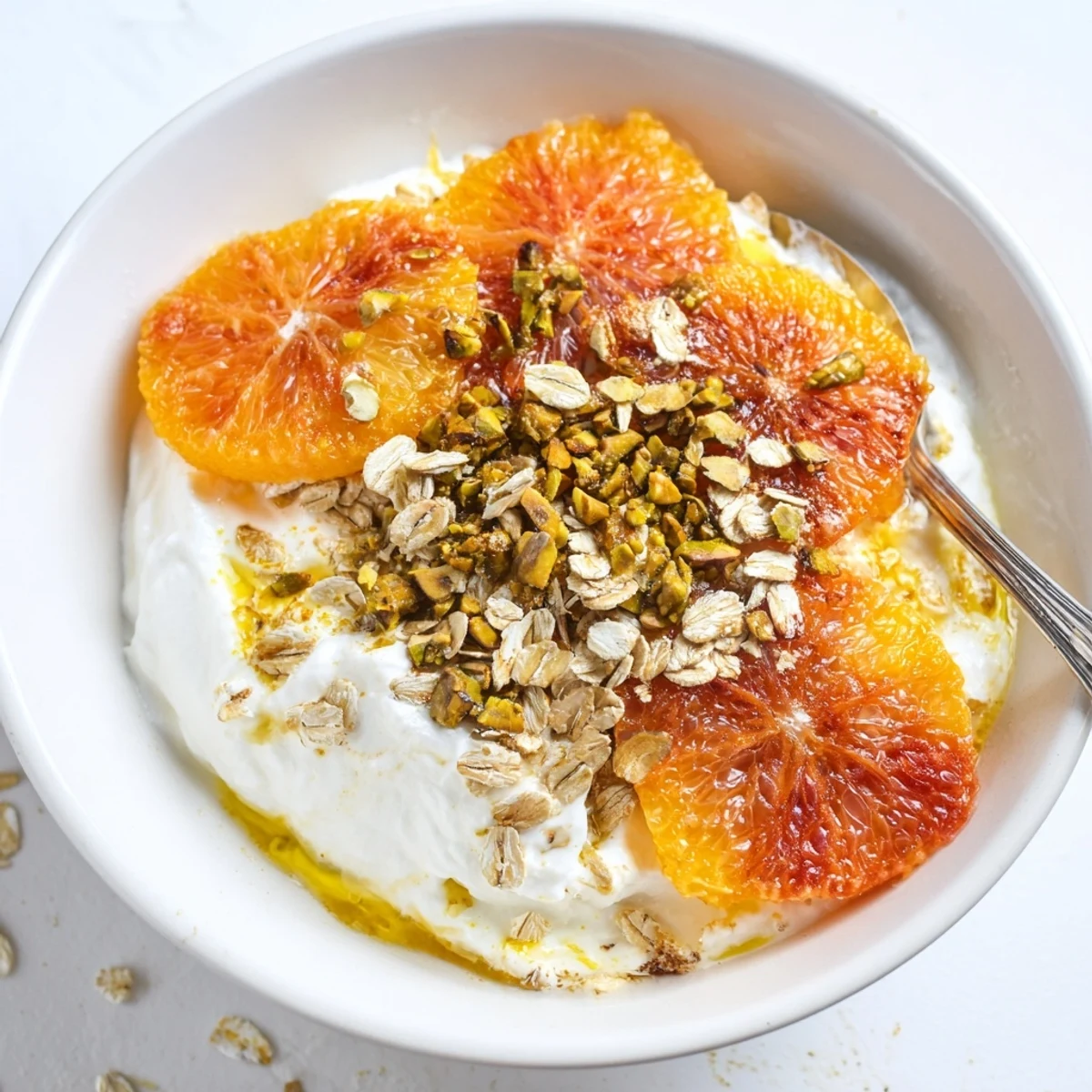
Winter calls for blood oranges and grapefruits when they're most brilliant; summer means using lighter citrus and serving it at room temperature instead. Spring deserves tangerines, and fall asks for everything all at once because citrus and stone fruits overlap beautifully in some seasons. The bowl adapts to what the market offers and asks you to pay attention to the small changes.
Customizing Your Toppings
Swap the pistachios for toasted almonds, pecans, or even pumpkin seeds without changing the soul of the dish. Some mornings I add a drizzle of tahini because I woke up wanting nuttier; other times I scatter fresh mint or basil across the top because herbs felt right. The structure stays steady while everything else gets to be flexible and curious.
Making It Vegan or Dairy-Free
Coconut yogurt brings a subtle sweetness that plays nicely with citrus, and maple syrup instead of honey deepens the flavor in a warm, almost earthy way. The roasted citrus and topping remain exactly the same, so you're only swapping the creamy base. You'll discover that these substitutions don't diminish the dish; they simply let different people sit around the same table.
- Oat milk yogurt also works beautifully and has a lighter taste if coconut feels too heavy.
- Drizzle a touch of coconut oil on the cooled nuts if you miss the richness dairy brings.
- A pinch of cardamom in place of cinnamon creates an entirely different mood when using maple syrup.
 Pin This
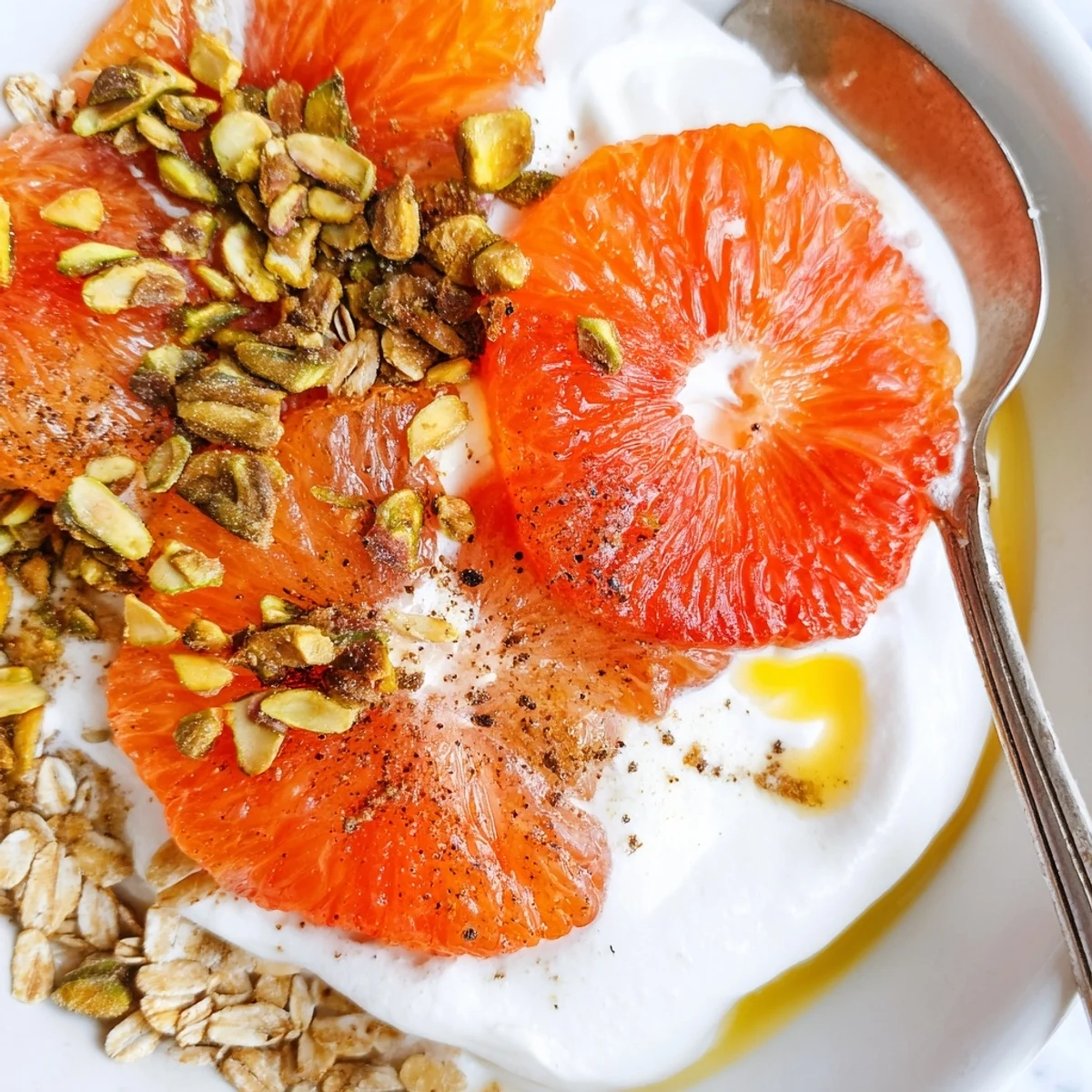
 This bowl taught me that simple ingredient combinations can taste complicated when you pay attention to texture and temperature. Make it once, and you'll understand why it keeps showing up on my table.
Recipe FAQs
- → How do I achieve the perfect caramelization on the citrus?
-
Arrange citrus slices in a single layer and bake at 400°F for 10-12 minutes until lightly golden and fragrant, ensuring even honey glaze coverage.
- → Can I substitute nuts in the crunchy topping?
-
Yes, pistachios can be replaced with walnuts, almonds, or seeds for different textures and flavors.
- → What yogurt works best for this preparation?
-
Plain Greek yogurt provides a creamy, tangy base; full-fat or low-fat work well depending on preference.
- → Is it possible to make this dish vegan-friendly?
-
Replace Greek yogurt with coconut yogurt and swap honey for maple syrup to maintain sweetness and creaminess.
- → How should this dish be served for optimal flavor?
-
Serve immediately while the glazed citrus is still warm to enjoy the contrast of textures and rich aromas.
- → Can I prepare this ahead of time?
-
The citrus and crunchy topping can be prepared earlier, but assemble just before serving to maintain freshness.