
 Pin This
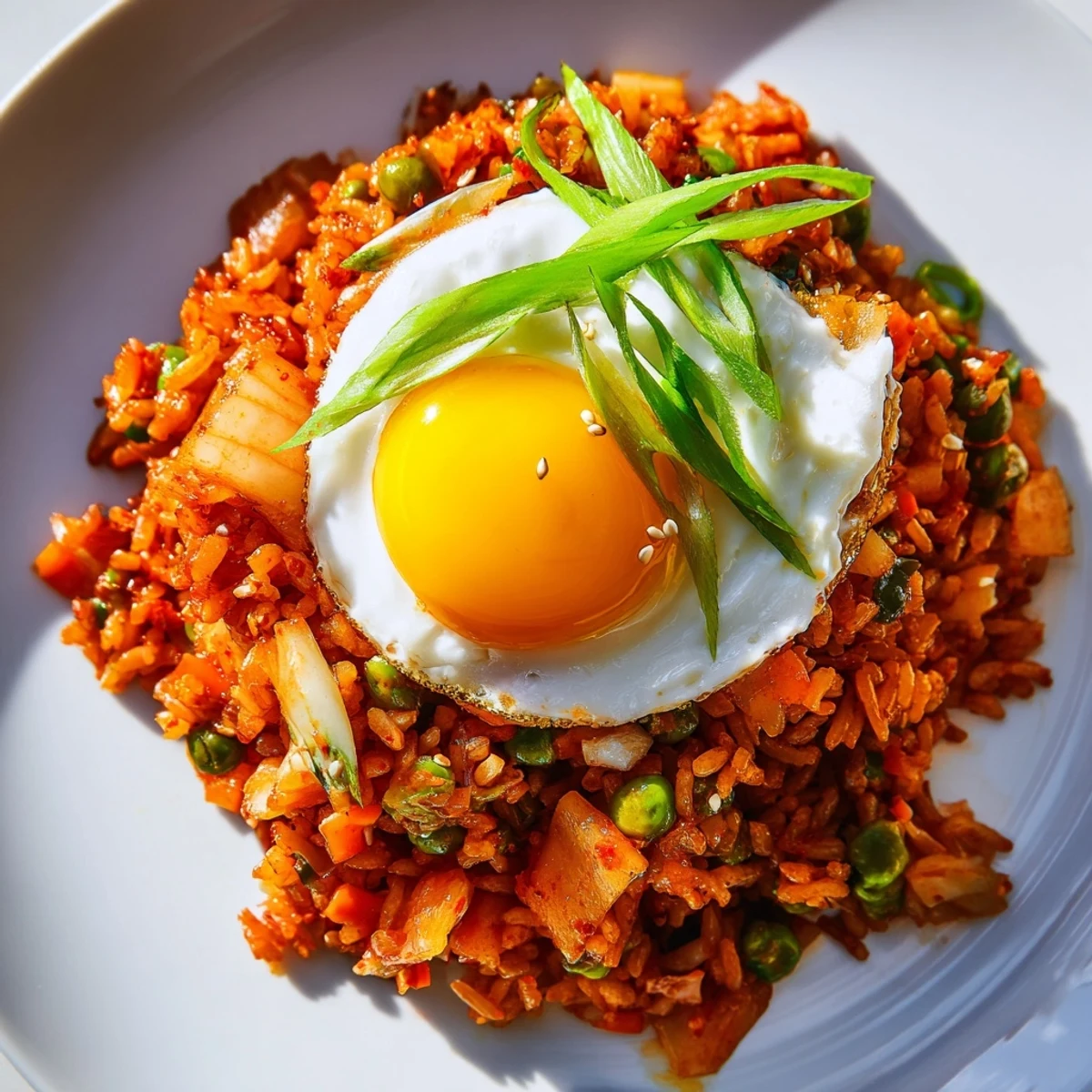
 This Korean-inspired fried rice brings together bold, punchy flavors in under 30 minutes. Day-old jasmine rice gets stir-fried with caramelized napa kimchi, aromatic garlic, and a fiery gochujang-chili sauce that coats every grain.
Golden crispy scallions add a satisfying crunch on top, while a optional fried egg rounds out the dish with rich, runny yolks. It's an easy, versatile dish that works for a quick lunch or weeknight dinner.
Customize it with tofu for extra protein, adjust the heat level with gochugaru flakes, or keep it fully vegan by skipping the eggs and using fish-free kimchi.
The sizzle of scallions hitting hot oil is one of those sounds that makes everyone in the house wander toward the kitchen, and this kimchi fried rice recipe has been my weeknight secret weapon for years now.
My roommate in college used to keep a jar of kimchi in the fridge at all times, and we would throw together versions of this dish at midnight after study sessions, burning the garlic more often than not.
Ingredients
- 2 cups cooked jasmine or short grain rice (preferably day old, cold): Day old rice is the foundation here because fresh rice holds too much moisture and turns gummy instead of getting those beautiful crispy edges.
- 1 cup napa kimchi chopped plus 2 tbsp kimchi juice: The juice is liquid gold, do not skip it, and the older and funkier your kimchi the better this dish will taste.
- 3 scallions sliced (white and green parts separated): The whites get fried crispy for garnish and the greens stay fresh and bright folded in at the end.
- 4 garlic cloves finely minced: Garlic burns fast in a hot wok so have it ready and keep it moving once it hits the pan.
- 1 small carrot peeled and diced: A pop of color and sweetness that balances the fierce chili and fermented tang.
- 1/2 cup frozen peas (optional): I add them when I want the dish to feel a little more complete as a meal on its own.
- 1 to 2 tbsp gochujang (Korean chili paste): Start with one tablespoon if you are sensitive to heat and work your way up.
- 1 tbsp soy sauce: Use a good quality soy sauce because it is doing heavy lifting in the seasoning department.
- 1 tsp toasted sesame oil: Just a drizzle at the end gives the whole dish that warm nutty finish.
- 1/2 tsp sugar: A tiny bit of sugar rounds out the acidity from the kimchi and makes everything come together.
- 1/4 tsp ground black pepper: Freshly cracked is always better.
- 2 large eggs (optional): A runny yolk over the top of this rice is not optional in my house, it is mandatory.
- 3 tbsp neutral oil: You need this split between frying the scallions and cooking the rice.
Instructions
- Fry the scallion whites until golden:
- Heat 2 tablespoons of oil in a large skillet or wok over medium high heat and add the white parts of the scallions, frying for 2 to 3 minutes until they turn deep golden and impossibly crispy, then scoop them out onto a paper towel and resist eating them all before the rice is done.
- Wake up the garlic and carrot:
- In the same pan with the remaining tablespoon of oil, toss in the minced garlic and diced carrot, stirring constantly for about a minute until your kitchen smells incredible and the garlic just starts to soften.
- Build the sauce base with kimchi:
- Add the chopped kimchi and let it cook for 2 to 3 minutes until it caramelizes slightly and the edges darken, then pour in the kimchi juice, gochujang, soy sauce, sugar, and black pepper, stirring until it becomes a thick glossy mixture.
- Toss in the rice and stir fry hard:
- Add the cold rice and use your spatula to break up every clump, stir frying for 3 to 4 minutes so each grain gets coated in that gorgeous red sauce and picks up some char from the pan, tossing in the frozen peas now if you are using them.
- Finish with sesame oil and scallion greens:
- Kill the heat, drizzle in the sesame oil, and fold in the green parts of the scallions while saving a few for the top, then taste and add more soy sauce or gochujang if it needs a push.
- Fry the eggs if you want the full experience:
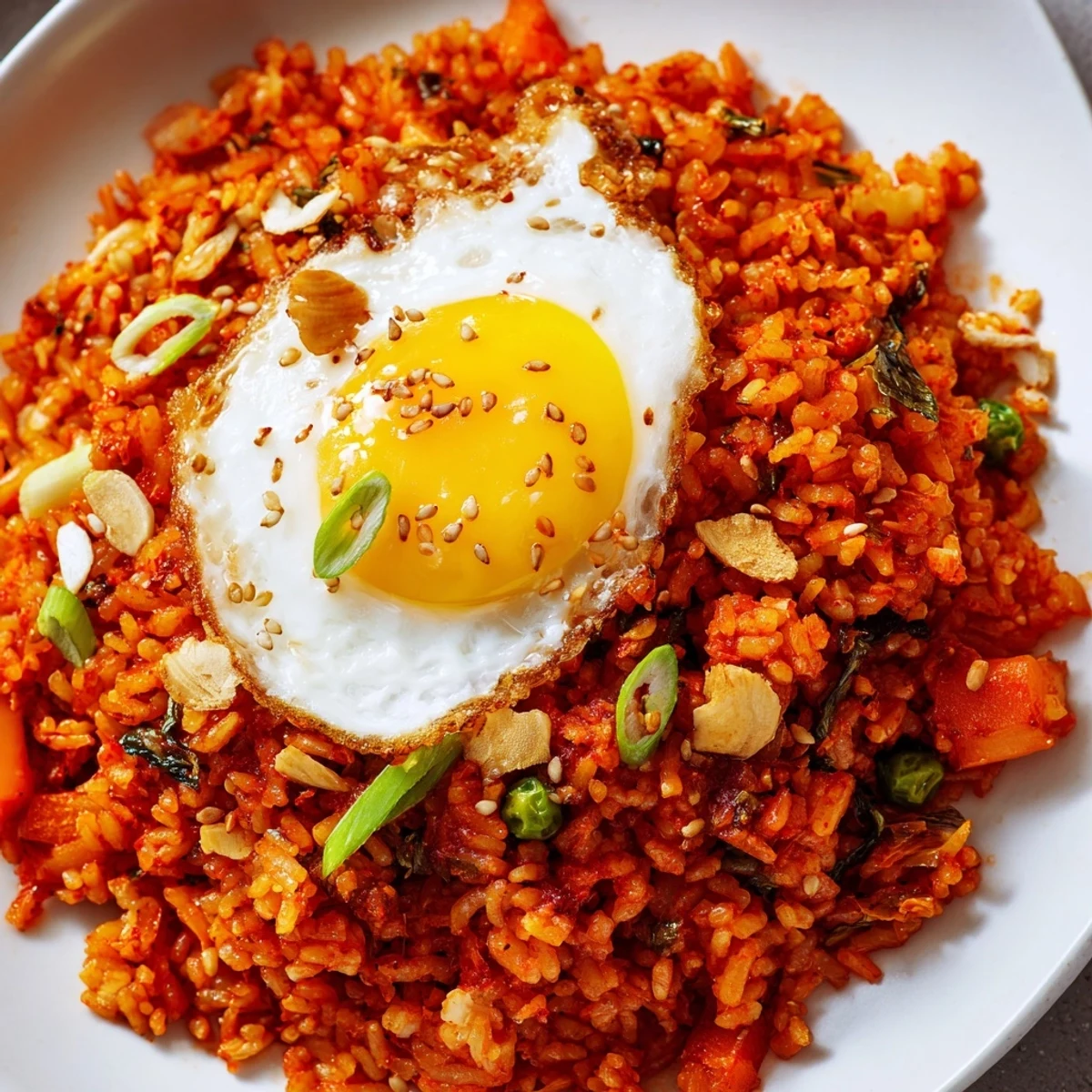
- In a separate small pan with a bit of oil, fry the eggs sunny side up until the whites are set but the yolks are still runny and ready to burst over everything.
- Assemble and serve immediately:
- Divide the rice between two bowls, scatter those crispy scallion whites over the top with a few reserved scallion greens, lay the fried eggs on top, and serve while it is piping hot.
 Pin This
 I once made this for a friend who claimed to hate kimchi, and after one bite she went quiet for a long time, then asked if I could teach her how to make it the next day.
Getting the Rice Texture Right
The difference between decent fried rice and unforgettable fried rice is all in how you handle the grain. Spread your leftover rice on a plate and use your fingers to break apart every last clump before it goes near the wok.
Making It Vegan
Skip the eggs and double check your kimchi for any hidden seafood ingredients, and consider pressing some extra firm tofu into cubes and pan frying it until golden to fold in at the end for protein and substance.
What to Serve Alongside
This rice stands on its own but a few simple sides turn it into a proper spread.
- A cold lager cuts through the heat beautifully.
- Chilled green tea is a soothing non alcoholic pairing.
- A quick cucumber salad with rice vinegar refreshes the palate between bites.
 Pin This
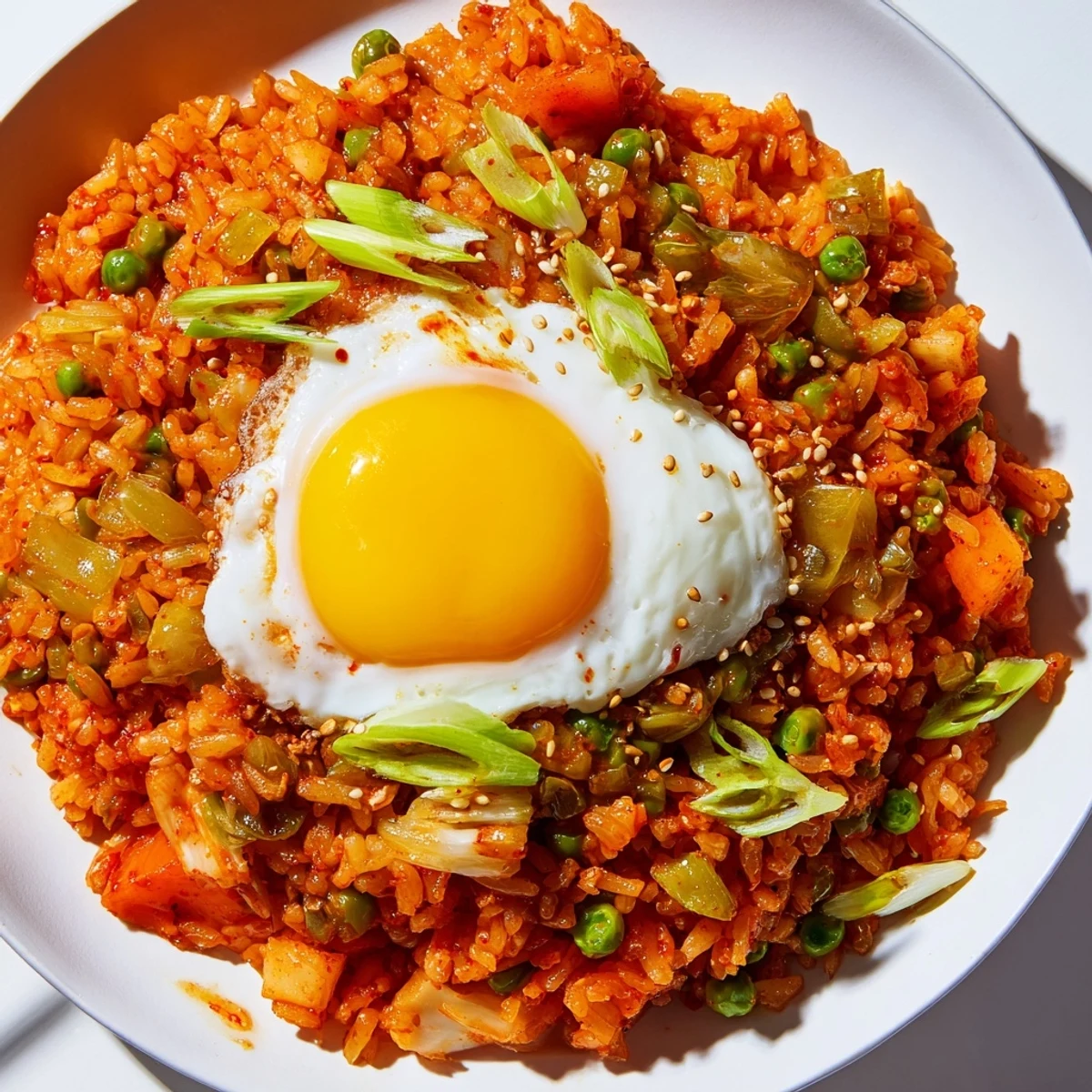
 Some dishes become part of your regular rotation without you even noticing, and this one earned its spot through pure reliability and flavor. Keep cold rice in your fridge and a jar of kimchi nearby, and dinner is never more than fifteen minutes away.
Recipe FAQs
- → Can I use fresh rice instead of day-old rice?
-
Day-old cold rice works best because the grains have dried out slightly, which prevents clumping and helps achieve that signature fried rice texture. If you only have fresh rice, spread it on a tray and refrigerate for at least 1 hour before cooking to firm up the grains.
- → How do I make the crispy scallions perfectly golden?
-
Use medium-high heat with enough neutral oil to coat the bottom of your pan. Fry the white parts of the scallions in a single layer without stirring too frequently. Once they turn golden brown (about 2–3 minutes), immediately transfer them to paper towels. They will continue crisping as they cool.
- → Is store-bought kimchi suitable for this dish?
-
Yes, store-bought napa kimchi works perfectly. For the best flavor, choose a well-fermented kimchi that has some tanginess and bubbles when opened. The kimchi juice is essential for seasoning, so don't drain it before chopping. Check the label if you need a vegetarian or vegan version, as many traditional kimchis contain fish sauce or shrimp paste.
- → What can I substitute for gochujang?
-
If you don't have gochujang, mix equal parts miso paste and sriracha or sambal oelek for a similar fermented, spicy-sweet profile. You can also use a combination of gochugaru (Korean chili flakes) with a small amount of soy sauce and sugar to approximate the flavor.
- → How should I store and reheat leftovers?
-
Store leftover fried rice in an airtight container in the refrigerator for up to 3 days. To reheat, use a skillet or wok over medium heat with a splash of oil to restore some crispness. Avoid microwaving if possible, as it can make the rice soft and mushy. Store crispy scallions separately in a dry container to maintain their crunch.