
 Pin This
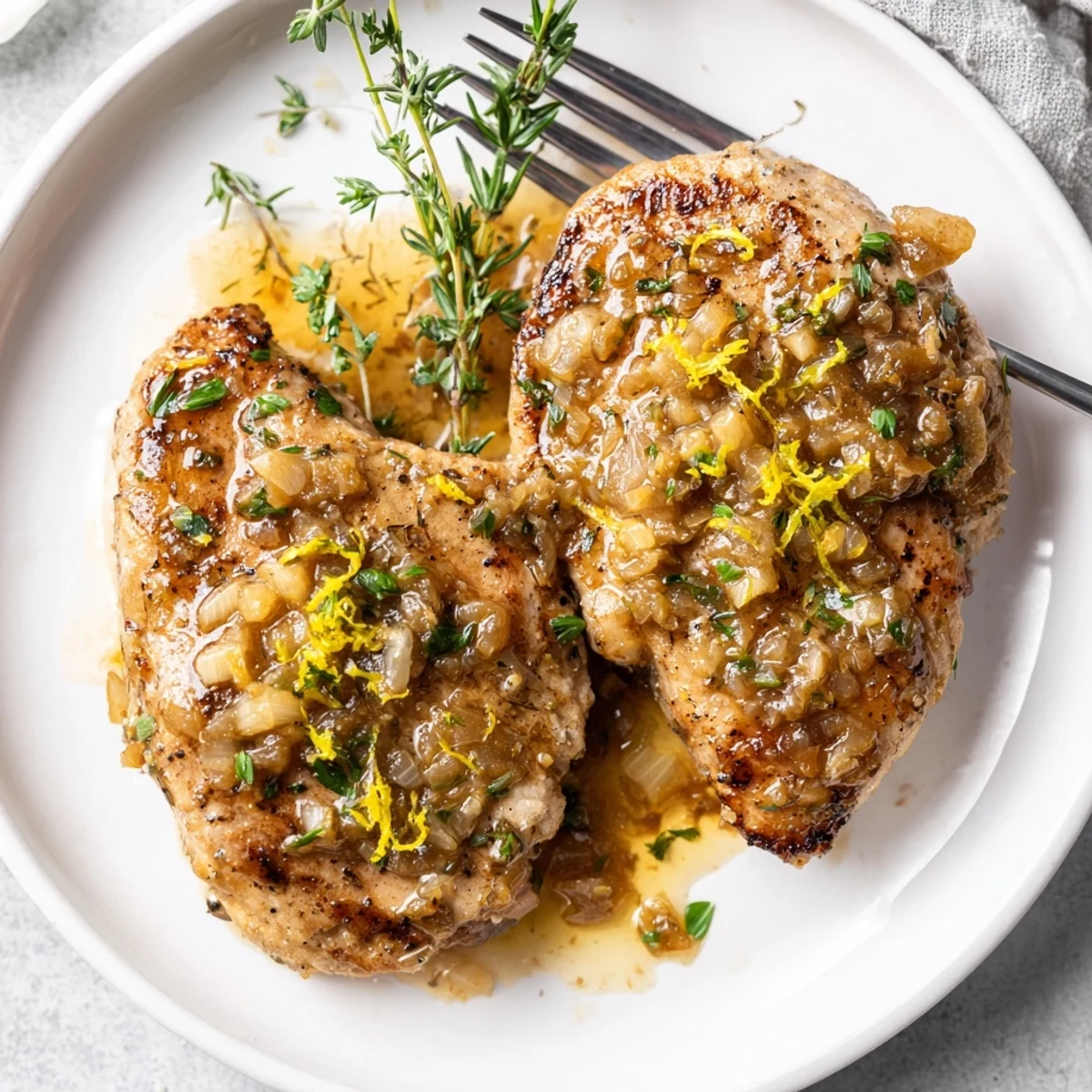
 This one-pan skillet begins with well-seasoned chicken breasts seared in olive oil until deeply golden. Remove the chicken, then sweat minced garlic and shallot and add thyme, parsley and rosemary. Deglaze the pan with lemon juice, lemon zest and chicken broth, scrape up the fond, return the chicken to simmer until cooked through, then swirl in butter for a glossy, bright sauce. Serve with roasted potatoes, rice or sautéed greens; total time about 40 minutes, with an optional quick marinade for extra flavor.
The smell of garlic hitting hot olive oil is my personal reset button, and this lemon garlic herb chicken skillet is the dish that taught me why. One Tuesday evening, rain streaking the windows, I threw together whatever looked alive in the crisper drawer and ended up with something that made my roommate stop mid sentence and just stare at her plate. It has been in heavy rotation ever since.
I made this for my sister the night she moved into her first apartment, standing in a kitchen with exactly one working burner and a spatula we found in a drawer. She called me three days later to say she had already made it twice on her own, and that is the highest compliment I know.
Ingredients
- Boneless skinless chicken breasts (4, about 1.5 lbs): Pat them dry like you mean it because moisture is the enemy of a good sear.
- Kosher salt and black pepper: Season generously on both sides, more than you think you need.
- Olive oil (2 tbsp): Use a neutral tasting one here since the herbs and lemon are the stars.
- Garlic (4 cloves, minced): Fresh is nonnegotiable, the jarred stuff will not give you the same punch.
- Shallot (1 medium, finely diced): Adds a sweetness that regular onions cannot quite match.
- Fresh thyme, parsley, and rosemary: Dried works in a pinch but fresh herbs make the sauce taste like a garden.
- Lemon juice and zest (1 large lemon): Use both for layered citrus flavor, the zest brings brightness that juice alone misses.
- Low sodium chicken broth (half cup): Low sodium lets you control the salt level as the sauce reduces.
- Unsalted butter (2 tbsp): Swirled in at the end for gloss and richness that pulls everything together.
Instructions
- Dry and season the chicken:
- Grab paper towels and pat each breast until the surface feels almost tacky. Sprinkle salt and pepper over both sides and let them sit on the counter for a few minutes to take the chill off.
- Get a golden sear:
- Heat olive oil in a large skillet over medium high until it shimmers. Lay the chicken in and do not touch it for four to five minutes until the underside is deeply golden, then flip and repeat before setting the chicken aside on a plate.
- Wake up the aromatics:
- Turn the heat down to medium and toss in the garlic and shallot. Stir constantly for about a minute until your kitchen smells incredible and everything looks soft and translucent.
- Bloom the herbs:
- Scatter the thyme, parsley, and rosemary into the pan and stir for about sixty seconds. The herbs will darken slightly and release an earthy fragrance that tells you the flavor base is ready.
- Build the pan sauce:
- Pour in the lemon juice, zest, and broth, scraping up every browned bit stuck to the bottom. Those caramelized pieces are concentrated flavor and you want all of them in the sauce.
- Braise until done:
- Nestle the chicken back into the skillet and spoon some sauce over the top. Cover with a lid and let everything simmer gently for eight to ten minutes until the thickest part of the breast reads 165 degrees on a thermometer.
- Finish with butter:
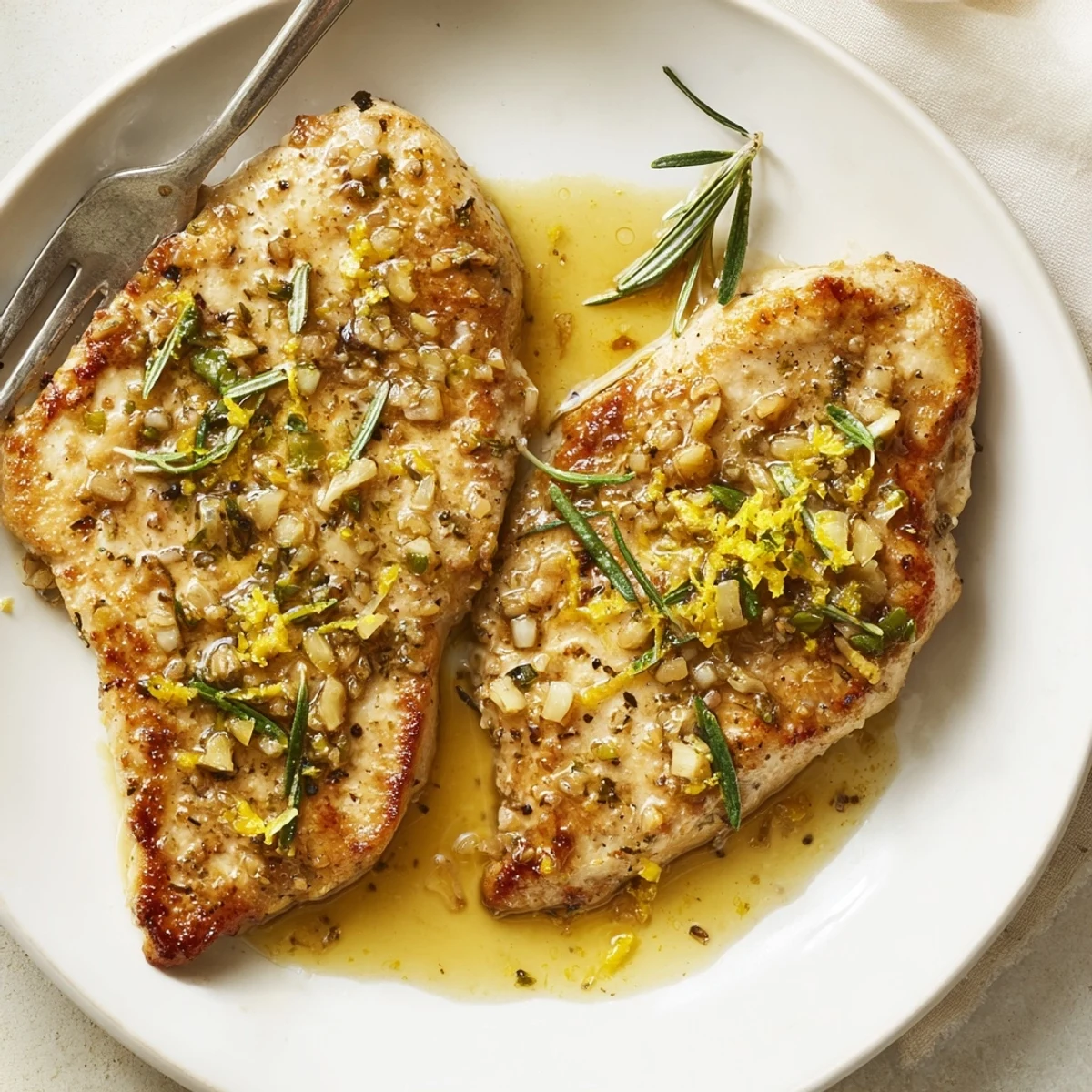
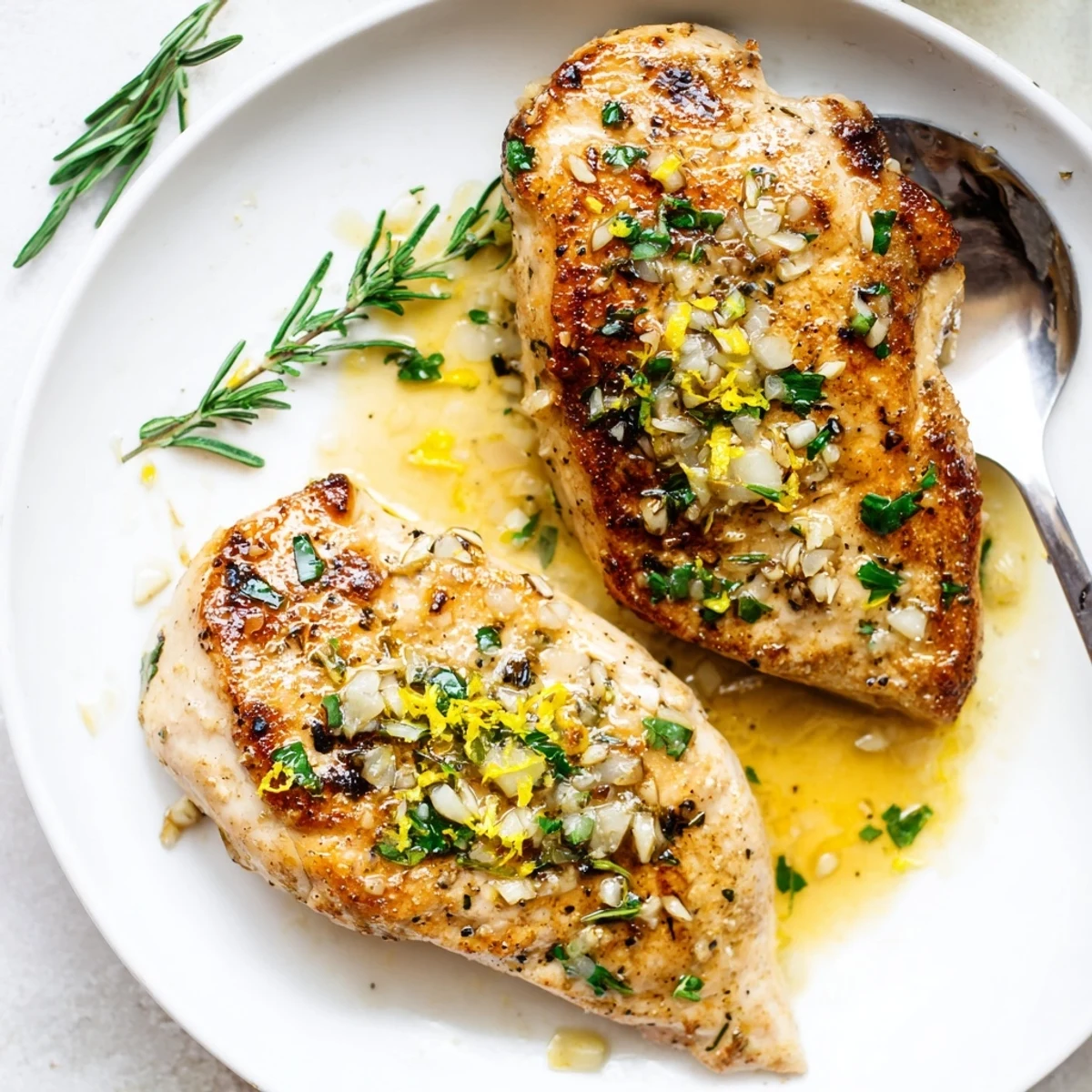
- Uncover the pan and drop in the butter, tilting and swirling the skillet until the sauce turns silky and coats the back of a spoon. Garnish with extra parsley and serve right away, spooning every drop of sauce over each portion.
 Pin This
 There is something about the sizzle of butter melting into lemon and herbs that turns an ordinary weeknight into a small celebration, even if you are eating standing at the counter.
What to Serve Alongside It
This chicken loves anything starchy enough to soak up extra sauce. Roasted baby potatoes with rosemary are my go-to, but a pile of buttery rice or a simple side of sauteed green beans with almonds works just as well. Crusty bread is not optional in my house because someone always wants to mop the skillet clean.
Making It Dairy Free
Omitting the butter sounds like you are losing the best part, but a good olive oil drizzled in at the end gives the sauce a fruity finish that is its own reward. I have also used vegan butter with decent results, though it tends to separate if the heat is too high. Pull the pan off the burner before swirling in whatever fat you choose and it will emulsify beautifully.
Storage and Reheating
Leftovers keep well in a covered container in the fridge for up to three days and reheat gently in a skillet with a splash of broth. The sauce thickens as it sits, so loosen it with a little water or extra lemon juice when warming it back up.
- Avoid microwaving on high power because the chicken dries out quickly.
- Freeze individual portions with sauce for up to two months and thaw overnight in the fridge.
- Always check that reheated chicken reaches an internal temperature of 165 degrees before serving.
 Pin This
 Keep this recipe in your back pocket for any night that needs a little brightness without a lot of fuss. The skillet does most of the work, and the sauce does all the talking.
Recipe FAQs
- → Can I use bone-in chicken instead of breasts?
-
Yes. Bone-in pieces add flavor but need longer cooking time—sear to brown, then simmer covered for 15–25 minutes depending on size, until an instant-read thermometer reaches 165°F (74°C) at the thickest part.
- → How do I prevent the garlic from burning?
-
Lower the heat after searing the chicken. Add garlic and shallot to a medium pan and sauté briefly—1–2 minutes—until fragrant and softened; stirring frequently prevents bitter, burnt notes.
- → What can I swap for chicken broth?
-
Use low-sodium vegetable broth, white wine, or water with a splash of soy or Worcestershire for umami. Adjust seasoning and acidity so the lemon remains bright.
- → How do I make the sauce dairy-free?
-
Omit the butter or finish with a drizzle of good olive oil or a small knob of plant-based butter after removing the pan from heat to maintain a glossy finish without dairy.
- → Can this be prepared ahead of time?
-
Yes. Sear the chicken and prepare the sauce, then cool and refrigerate separately up to 24 hours. Rewarm gently in a skillet, adding a splash of broth to loosen the sauce and finish with butter or oil just before serving.
- → How can I thicken the sauce if I want it richer?
-
Simmer the sauce uncovered a few minutes to reduce and concentrate flavors. For slight thickening, whisk in a slurry of cornstarch and cold water (1 tsp cornstarch per 2 tbsp water) and simmer until glossy.