
 Pin This
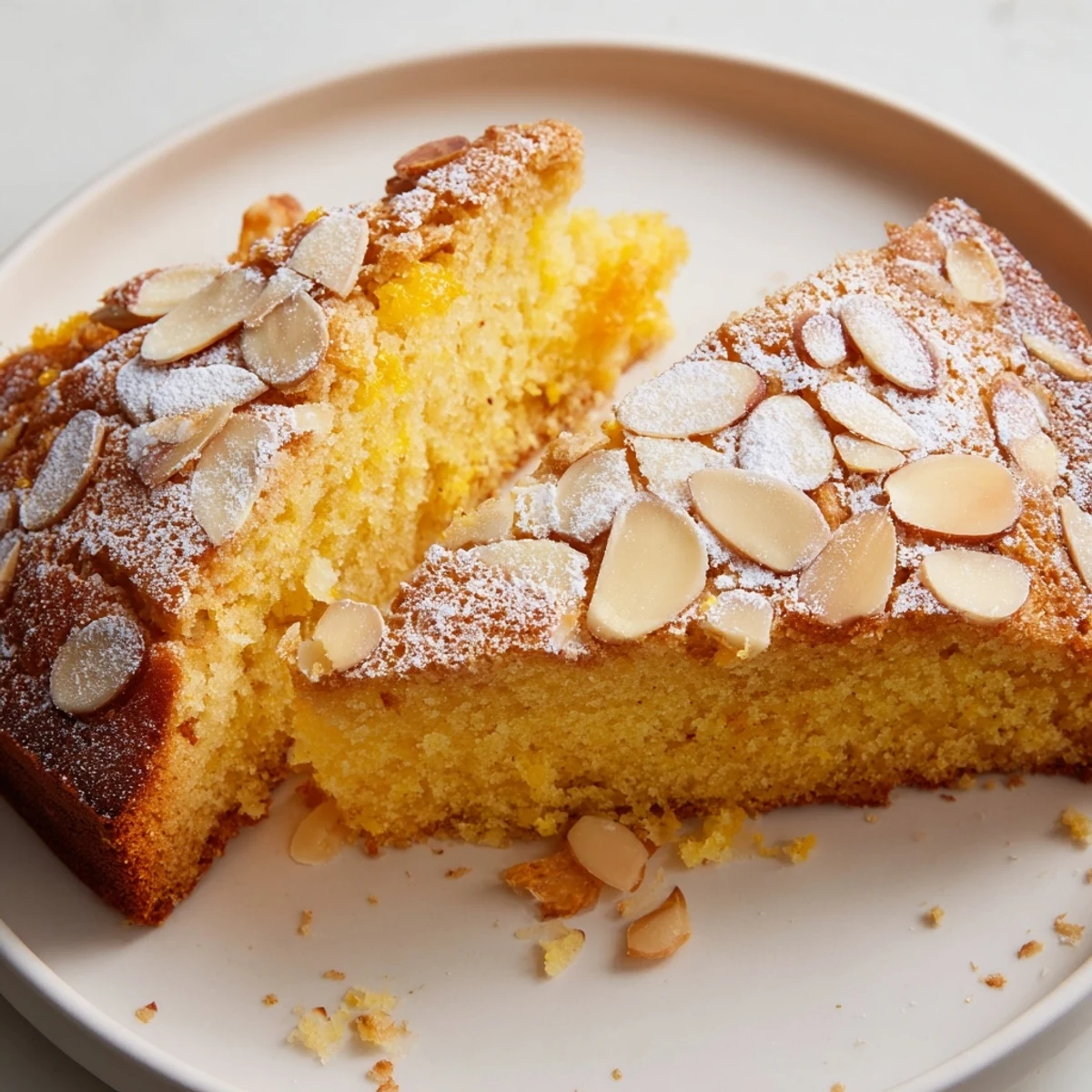
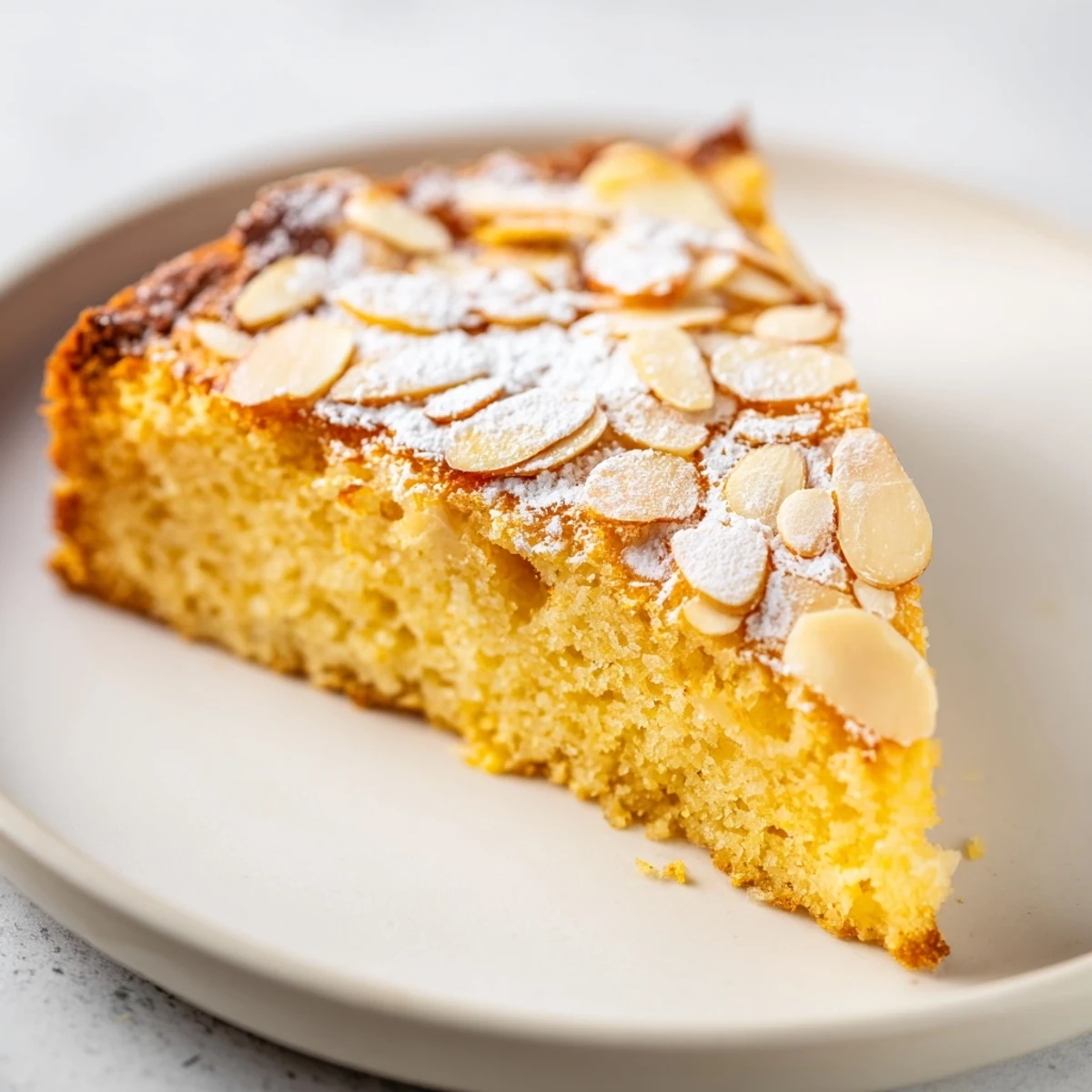
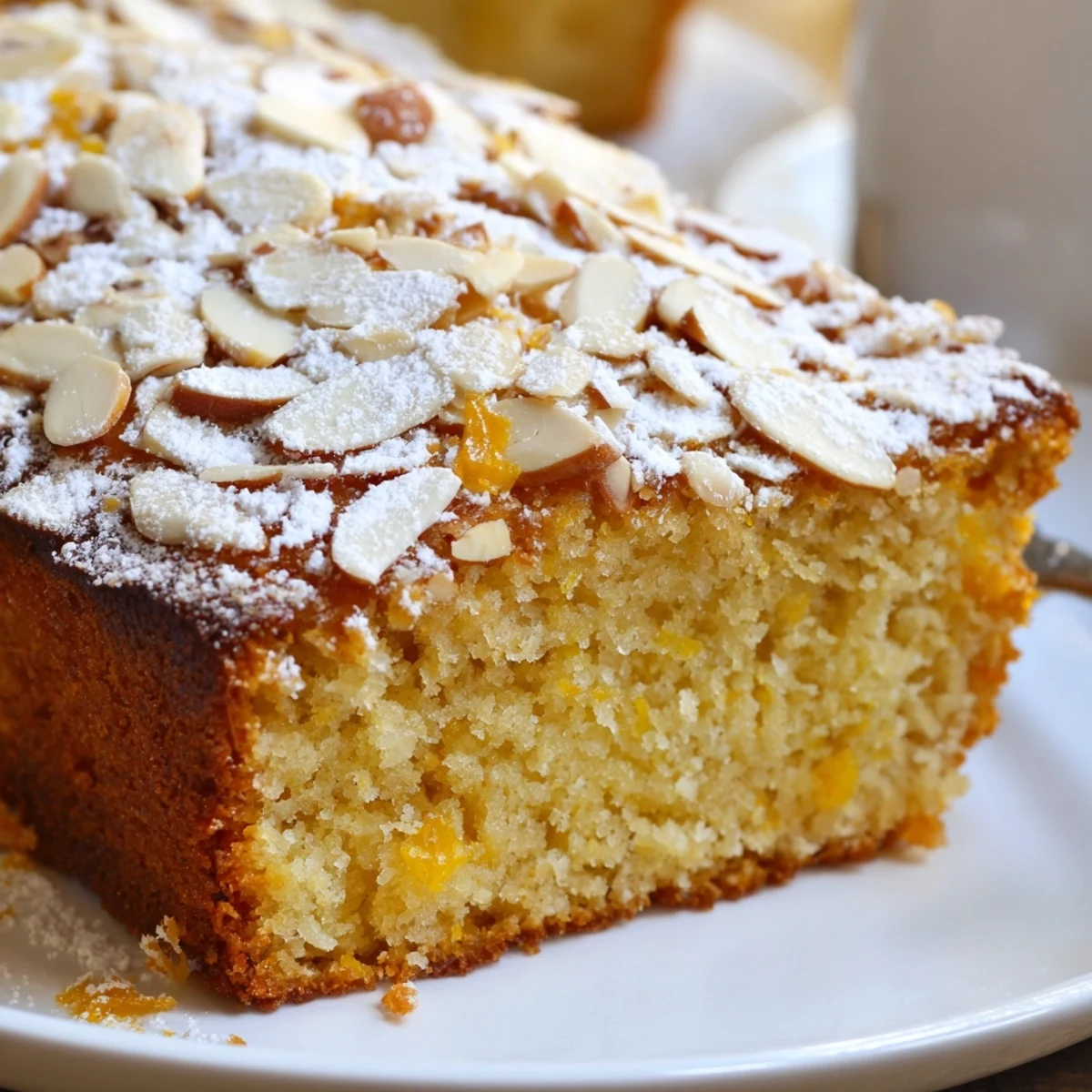
 This moist, fragrant cake combines fresh orange juice and zest with delicate almond flour for a nutty, citrusy balance. Hearth-baked to achieve a rustic golden crust, it offers a tender crumb perfect for pairing with tea or serving as an elegant dessert. The batter is gently mixed to maintain lightness, topped with sliced almonds and sugar for a crunchy finish. Variations can enhance citrus notes or richness with whipped cream or Greek yogurt. Ideal for vegetarians, this cake is simple to prepare with common pantry ingredients.
I still remember the first time I baked this orange almond cake in my grandmother's old hearth oven. The kitchen filled with this warm, citrusy aroma that made everyone pause and ask what smelled so good. What started as me trying to use up the fresh oranges from a farmers market trip became a recipe I'd make again and again. There's something about the combination of bright orange and delicate almond that feels both comforting and elegant at the same time.
I'll never forget baking this for my neighbor Sarah when she was going through a rough week. She sat at my kitchen counter while the cake baked, and by the time it came out of the oven with that perfect golden crust, she was actually smiling again. Now whenever I make it, I think of that moment and how food has this quiet power to say what words sometimes can't.
Ingredients
- Almond flour (1 1/2 cups): This is the star player here. Use a finely ground version, not almond meal with skins, or you'll lose that silky texture. I learned this the hard way when a coarser flour made the cake feel grainy.
- All-purpose flour (1/2 cup): Just enough to give the cake structure so it doesn't collapse, but not so much that it overpowers the delicate almond flavor.
- Baking powder (1 tsp): This is your rise. Don't skip it or substitute baking soda unless you want a dense, heavy cake.
- Salt (1/4 tsp): A tiny pinch that makes the orange and almond flavors sing even louder.
- Eggs (3 large, room temperature): Room temperature eggs emulsify better, creating a more tender crumb. Cold eggs will make your batter lumpy and the cake tougher.
- Granulated sugar (3/4 cup): Sweet enough to balance the citrus, but not so much that you lose the delicate almond notes.
- Unsalted butter, melted and cooled (1/2 cup): The melted butter creates a moist cake. Cooling it first prevents the eggs from scrambling when you mix everything together.
- Fresh orange juice (1/3 cup): Use fresh juice, never the bottled stuff. The difference is like night and day. If your orange isn't juicy enough, add a squeeze from a second one.
- Orange zest (from 1 large orange): This is where the magic lives. The oils in the zest are potent, so don't be shy with it.
- Vanilla extract (1/2 tsp): Adds warmth without announcing itself.
- Almond extract (1/4 tsp, optional): If you use it, go easy. A little goes a long way, and too much can taste medicinal.
- Sliced almonds (1/4 cup): These toast as the cake bakes and give you a little crunch and visual elegance on top.
- Granulated sugar for topping (2 tbsp): Mixed with the almonds, these create a subtle crunch that catches the light when you bring the cake to the table.
Instructions
- Get Your Oven Ready:
- Preheat your oven or hearth to 350°F (175°C). While it's warming, grease your 9-inch round cake pan really well, then line the bottom with parchment paper. This keeps the cake from sticking and makes it so much easier to turn out onto a cooling rack.
- Make Your Dry Foundation:
- In a large bowl, whisk together the almond flour, all-purpose flour, baking powder, and salt. Take your time here and really whisk it all together so the leavening is evenly distributed. You're creating an even base for everything else to rest on.
- Bring the Eggs and Sugar Together:
- In a separate bowl, beat your room-temperature eggs with the granulated sugar. You're looking for the mixture to become pale and slightly thickened, which takes about 2 minutes of beating. This aeration is what gives the cake its tender crumb.
- Add the Wet Flavors:
- Stir in your cooled melted butter, fresh orange juice, bright orange zest, vanilla extract, and almond extract if you're using it. Mix until everything is well combined. The batter should smell absolutely incredible at this point.
- Gently Bring It All Together:
- This is the moment that matters most. Gently fold the wet ingredients into the dry ingredients using just a spatula and a few careful strokes. You want to stop as soon as you don't see any white streaks of dry flour. Overmixing here develops gluten and makes the cake tough and chewy instead of tender and delicate.
- Fill the Pan and Dress the Top:
- Pour the batter into your prepared pan and smooth the top with a spatula. Sprinkle the sliced almonds and 2 tablespoons of sugar evenly over the top. They'll catch the heat and create this beautiful golden, slightly caramelized crust.
- Bake Until Golden:
- Bake for 30 to 35 minutes, or until the cake is golden brown and a toothpick inserted into the center comes out clean or with just a crumb or two. Every oven is different, so start checking at 30 minutes. The top should look set and a little spring back when you gently press it.
- Cool with Patience:
- Let the cake cool in the pan for 10 minutes first. This gives it just enough time to set and hold its shape. Then turn it out onto a wire rack to cool completely. The wait is hard, I know, but cutting into a still-warm cake will make it crumble.
- Add the Final Flourish:
- Before serving, dust with powdered sugar if you'd like. It's optional, but it makes the cake look like something from a bakery window and adds a delicate sweetness to the first bite.
 Pin This
 Last summer, I brought this cake to a garden party at a friend's house, and watching people taste it for the first time never gets old. Their eyes light up when they hit that bright orange flavor layered with the subtle nuttiness. That moment, when a cake becomes more than just dessert and becomes a memory, is exactly why I love this recipe so much.
The Magic of Almond Flour
Almond flour is a game-changer if you haven't worked with it before. It brings a natural richness and moisture that regular flour just can't provide. The first time I baked with it, I was amazed by how tender the crumb was without feeling dry. It's become my secret weapon in the kitchen for cakes that taste like you spent way more effort than you actually did. The flavor is subtle but unmistakable, a gentle earthiness that plays beautifully with citrus.
Making It Your Own
Once you've made this cake a few times, you start to see all the ways you can play with it. I've swapped half the orange juice for lemon juice on days when I wanted something brighter and more tart. I've added a touch of cardamom for a more exotic flavor, or even a whisper of rosemary once, which was surprisingly lovely. The beauty of this recipe is that it's forgiving enough to handle a little creativity while sturdy enough that your variations will still turn out beautifully.
Serving and Storage Secrets
This cake gets better as it sits, which is one of my favorite things about it. The flavors deepen and meld together, and it stays moist for days in an airtight container at room temperature. I'll often bake it a day ahead of a dinner party, which takes the stress out of the day-of timing. A slice served with whipped cream or Greek yogurt turns it into something elegant enough for company, while eating it plain with your morning coffee feels like a little indulgence. It also freezes beautifully for up to a month, so if you're in the mood to make two, you'll have one waiting for you later.
- Store in an airtight container at room temperature for up to three days, and it'll actually taste better on day two than day one.
- A dollop of whipped cream or Greek yogurt transforms it from homey to elegant without adding any real work.
- Slice it thinner than you think you should and serve it on your nicest plate, because this cake deserves to be treated special.
 Pin This
 Every time I bake this cake, I'm reminded that the best recipes are the ones that become part of your story. This one has, and I hope it becomes part of yours too.
Recipe FAQs
- → What gives the cake its moist texture?
-
The combination of melted butter and fresh orange juice adds moisture, keeping the crumb tender and soft.
- → Can I substitute all-purpose flour for the almond flour?
-
Almond flour provides the cake's characteristic nuttiness and moistness; substituting all-purpose flour will alter texture and flavor.
- → How do I achieve the rustic golden crust?
-
Baking in a preheated hearth or conventional oven at 350°F allows the top sprinkled with almonds and sugar to caramelize, forming a golden crust.
- → Is it possible to enhance the citrus flavor?
-
Yes, replacing half the orange juice with lemon juice adds a brighter, tangier citrus note to the cake.
- → What are good serving suggestions for this cake?
-
This cake pairs beautifully with tea and can be served alongside whipped cream or Greek yogurt for added richness.
- → How should the cake be stored?
-
Store in an airtight container at room temperature for up to three days to maintain freshness.