
 Pin This
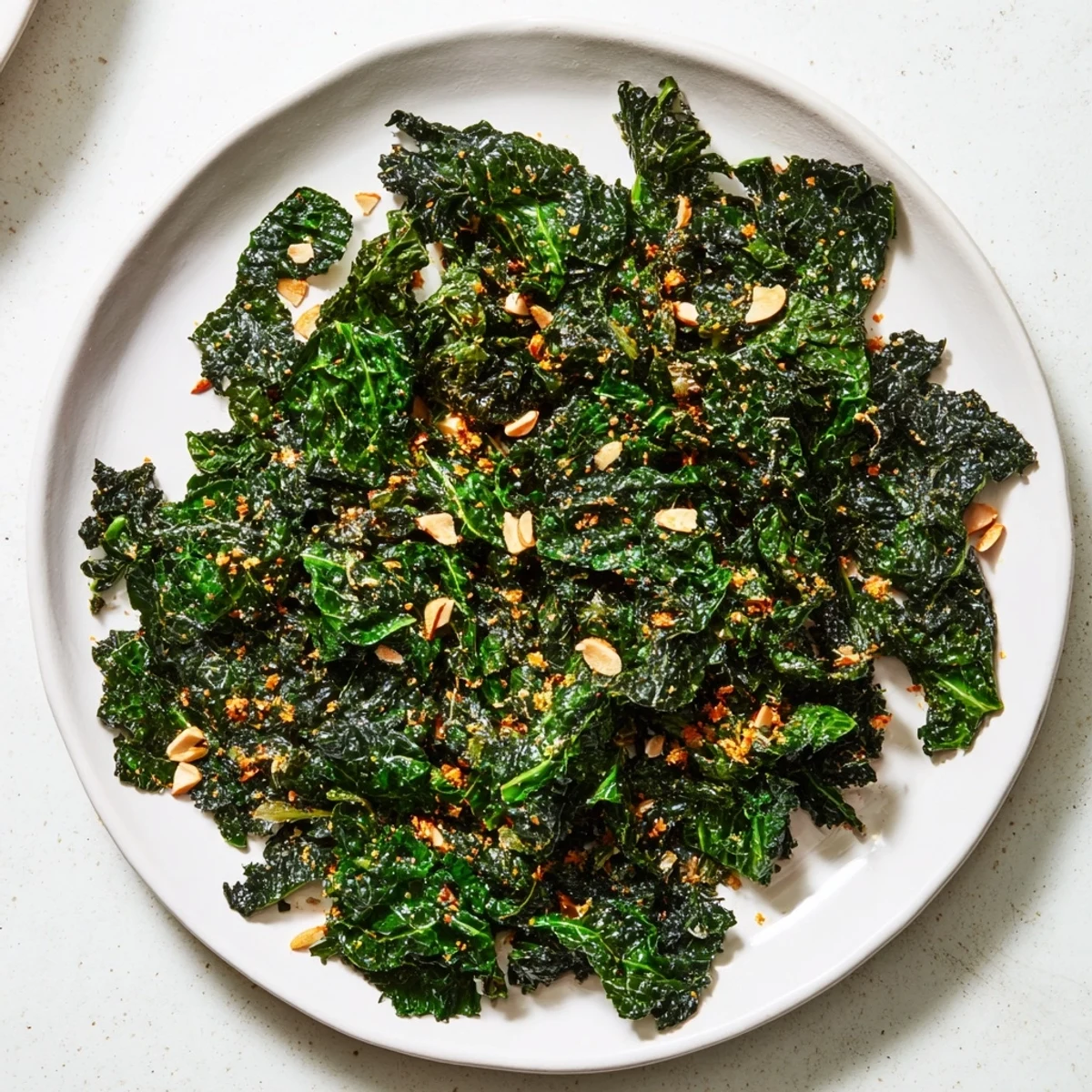
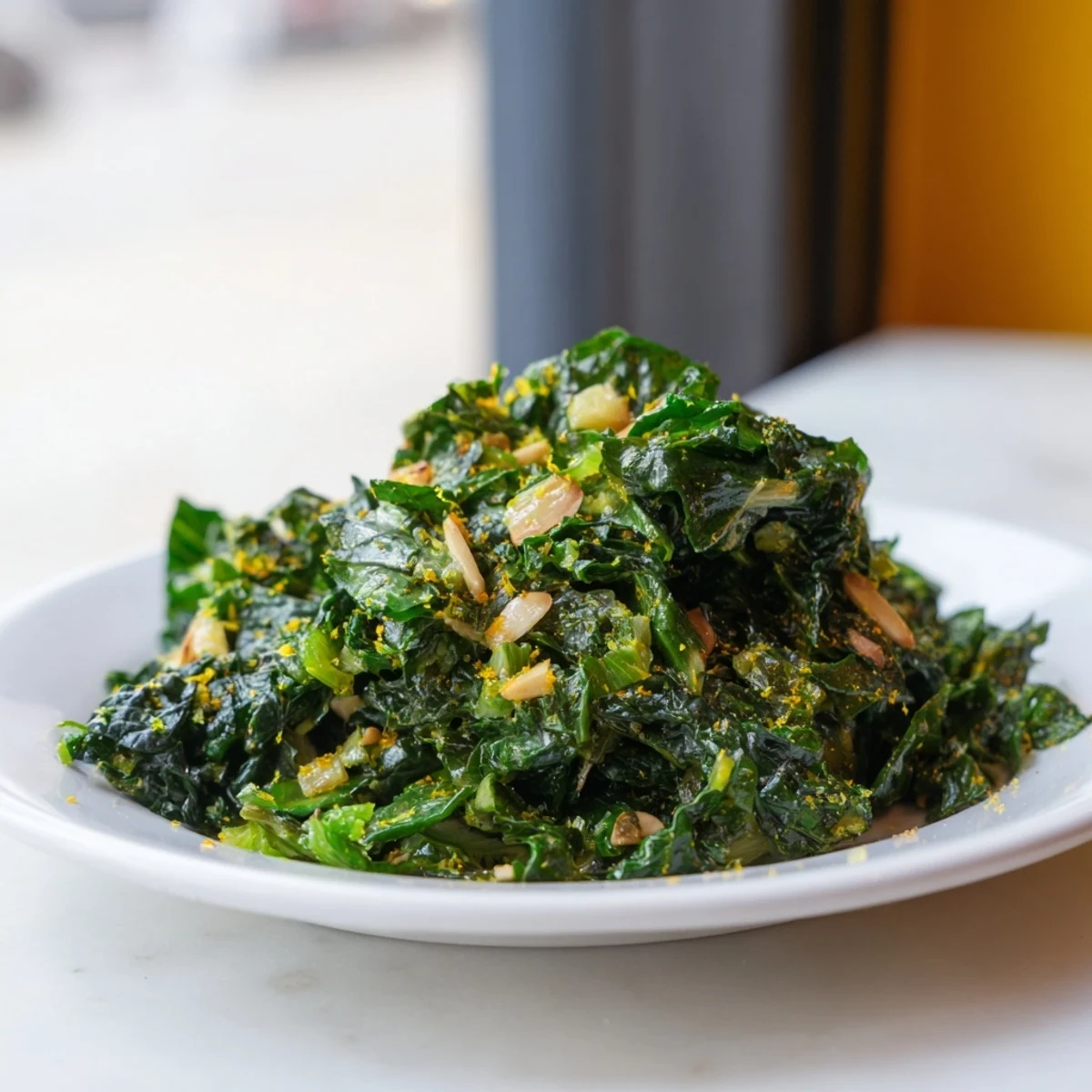
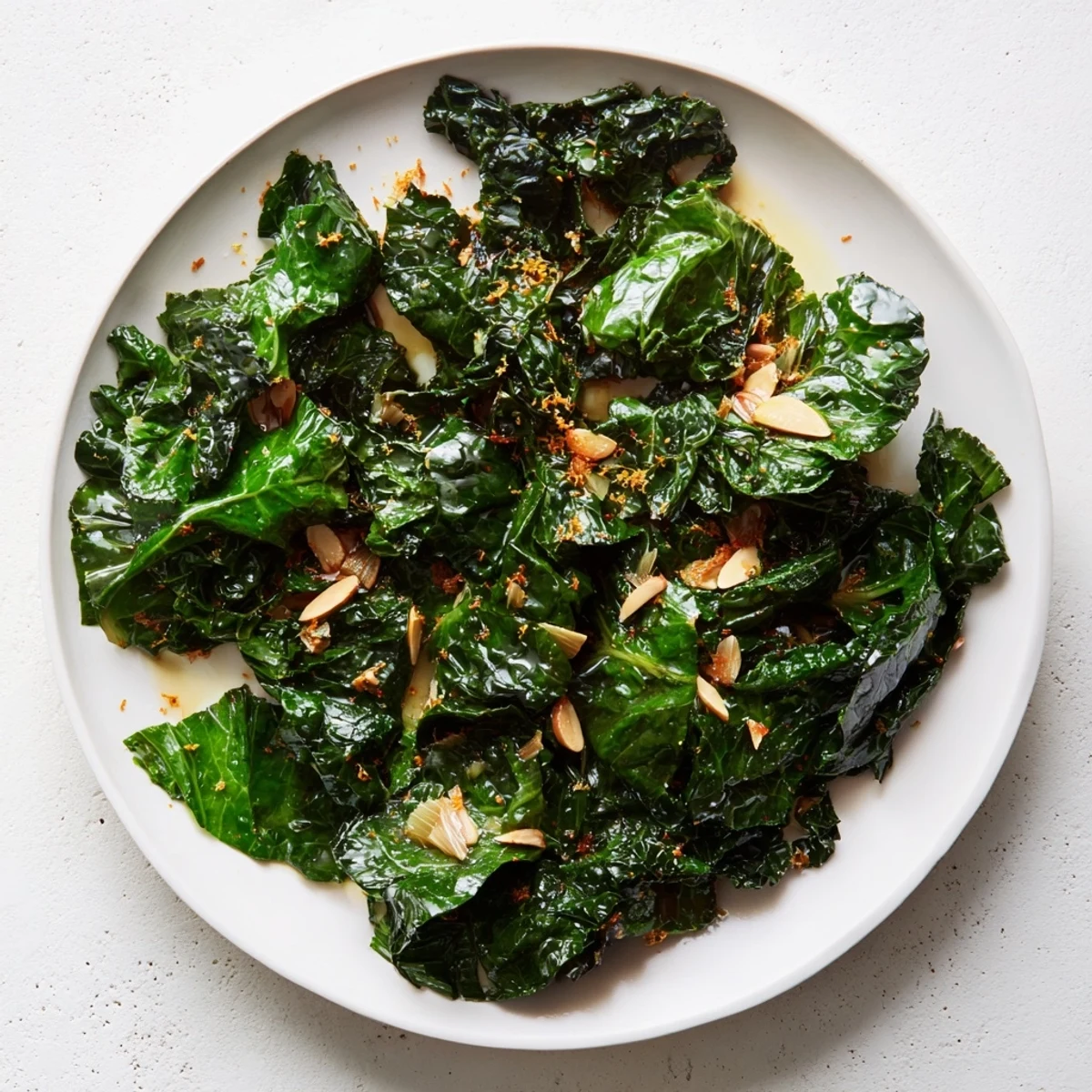
 This dish features a medley of tender winter greens slowly braised with fragrant orange zest and juice, olive oil, garlic, and shallots. The cooking process softens the greens while infusing them with citrusy brightness for a flavorful, comforting side. Finished with toasted almonds and a sprinkle of reserved zest, it provides a perfect balance of tender texture and fresh aroma. Simple to prepare, it suits vegan and gluten-free diets and pairs well with hearty mains in colder months.
There's something about the smell of orange zest hitting hot oil that stops you mid-thought—suddenly you're somewhere warmer, somewhere brighter, even if it's the middle of February and snow's piling up outside. I learned to make this when I realized my winter dinners were missing something vital: not richness, but light. A neighbor mentioned braising her greens with citrus, and the next week I found myself standing at the stove, watching dark leaves transform into something tender and alive under that golden liquid. It felt like a small rebellion against the season.
I made this for my partner's parents on a cold Sunday, not sure if they'd see it as anything more than vegetables. His mom went quiet on the first bite, then asked for the recipe before dessert even came out. That's when I knew it wasn't about the greens—it was about the conversation that happened around the table afterward, how good food has this way of making people linger a little longer.
Ingredients
- Mixed winter greens (1 ½ lbs): Kale, collard greens, and Swiss chard each bring their own personality—lacinato kale is almost buttery when cooked, collards stand up beautifully to braises, and chard adds a gentle earthiness. Removing stems isn't just fussy detail work; it lets the leaves cook evenly and keeps the texture from becoming stringy.
- Fresh orange (1 large, zested and juiced): The zest is where the real flavor lives, so never skip it or use bottled juice. Zest before juicing, and if you're worried about bitterness, use a microplane zester to get just the colored part, not the white pith underneath.
- Olive oil (2 tbsp): This is your flavor base, so use something you'd actually taste on its own—not the cheapest bottle, but you don't need the most precious one either.
- Garlic and shallot: The shallot's sweetness balances the citrus and greens' natural bitterness; garlic just quietly rounds everything out. Don't be tempted to skip the shallot or swap it for onion—it makes a real difference.
- Vegetable broth (½ cup): Water works fine if you don't have broth, but broth adds a subtle depth that lingers on your palate.
- Sea salt, black pepper, red pepper flakes: Salt brings the other flavors into focus, pepper adds warmth, and red pepper flakes are optional but they add a whisper of heat that keeps things interesting.
Instructions
- Get your base ready:
- Warm the olive oil in a large skillet over medium heat until it's fragrant and loose, about a minute. Add the shallot and garlic, stirring often, until they soften and the kitchen starts to smell like something good is happening—you want them golden, not brown.
- Wilt the greens gently:
- Add your chopped greens in handfuls, stirring between additions so each batch starts to collapse into the next. Don't rush this step; let the heat do the work. You'll watch dark piles of leaves turn glossy and reduce down to something manageable.
- Add the braising liquid:
- Pour in the orange juice and broth, then sprinkle in salt, pepper, and red pepper flakes if you're using them. Give everything a good stir to make sure the seasoning is evenly distributed and the greens are just barely submerged.
- Braise low and slow:
- Cover the skillet and turn the heat down to medium-low. Set a timer for 12 to 15 minutes, stirring occasionally so nothing sticks to the bottom. The greens will soften, the liquid will reduce, and the flavors will start to marry together.
- Finish strong:
- Remove the lid and raise the heat back to medium for a final 2 or 3 minutes to cook off any excess liquid—you want a light coating of glossy braising liquid clinging to the greens, not a pool at the bottom. Stir in most of the reserved orange zest, tasting as you go.
- Plate and garnish:
- Transfer everything to a serving dish and scatter the last little bit of orange zest and toasted almonds over the top if you're using them. Serve while it's still warm and the colors are still vibrant.
 Pin This
 My daughter, who mostly ignores vegetables, asked for seconds, which never happens. Sometimes the smallest victories at the dinner table mean the most—not because she suddenly loves greens, but because she was willing to try something different, and I got to taste my own small win in that bite.
Why This Works as a Winter Side
Winter greens are at their peak when the weather turns cold; the frost actually sweetens them slightly and makes their textures more substantial. Adding citrus to a braise is an old technique, but one that feels fresh when you're tired of the same heavy, creamy sides. The orange juice cuts through any earthiness, the acid brightens everything, and the whole dish comes together without cream or butter—it's satisfying but never heavy.
Mix and Match Variations
The beauty of this recipe is how flexible it is once you understand the principle. Lemon works beautifully if you want something sharper and more Mediterranean. Blood orange, if you can find it, adds a faint berry undertone. Grapefruit is unconventional but absolutely stunning if you're feeling adventurous. Even a splash of pomegranate juice stirred in at the end adds color and a tart pop.
Serving Suggestions and Wine Pairing
Serve this alongside roasted chicken where the citrus echoes whatever sauce you've made, under creamy polenta where it cuts through the richness beautifully, or alongside grilled pork where the brightness complements the meat's depth. A crisp white wine with some acidity—a Sauvignon Blanc or a lean Pinot Grigio—drinks beautifully alongside it, or if you're keeping it non-alcoholic, sparkling water with a squeeze of fresh lemon works just as well. This is the kind of side that quietly makes the whole meal feel intentional and put-together.
- Toast your almonds in a dry skillet for thirty seconds before the meal to wake up their flavor.
- Make it the night before and reheat gently; the flavors actually deepen as they sit.
- If you're cooking for someone with nut allergies, a drizzle of good olive oil or a scatter of toasted seeds works beautifully instead.
 Pin This
 This dish taught me that sometimes the simplest changes—a squeeze of citrus, a different approach to an old vegetable—can completely shift how you feel about a meal. That's the real magic of cooking.
Recipe FAQs
- → What types of greens work best?
-
A mix of winter greens like kale, collards, and Swiss chard provides a balanced texture and flavor.
- → Can I replace orange with other citrus?
-
Lemon or grapefruit can be used as alternatives to add a different citrus twist.
- → How do I prevent the greens from overcooking?
-
Braise gently over medium-low heat and stir occasionally to keep the greens tender but vibrant.
- → Is it necessary to use nuts for garnish?
-
Toasted slivered almonds add crunch and aroma but can be omitted for nut-free options.
- → What dishes pair well with these braised greens?
-
They complement roasted poultry, pork, or creamy grains like polenta beautifully.