
 Pin This
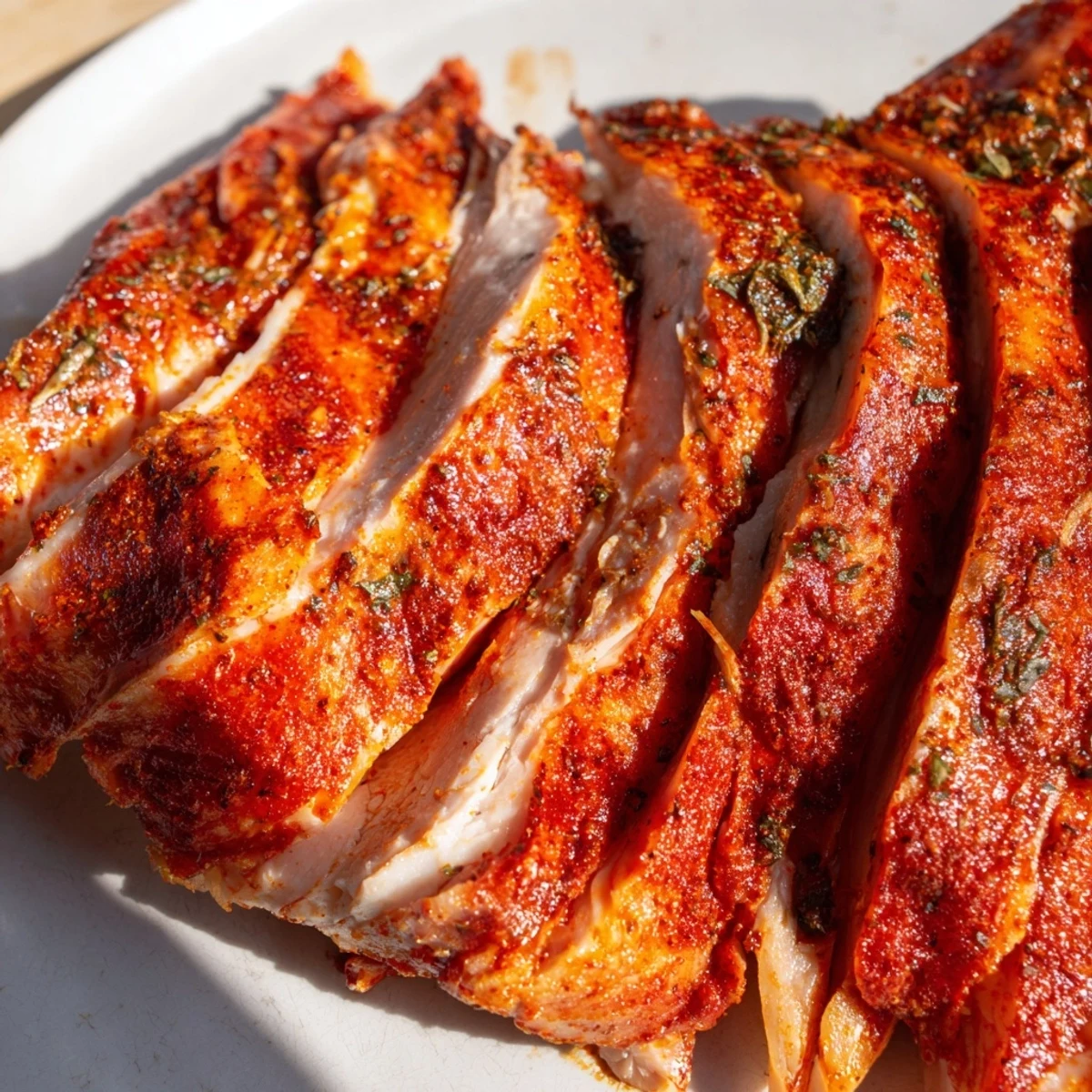
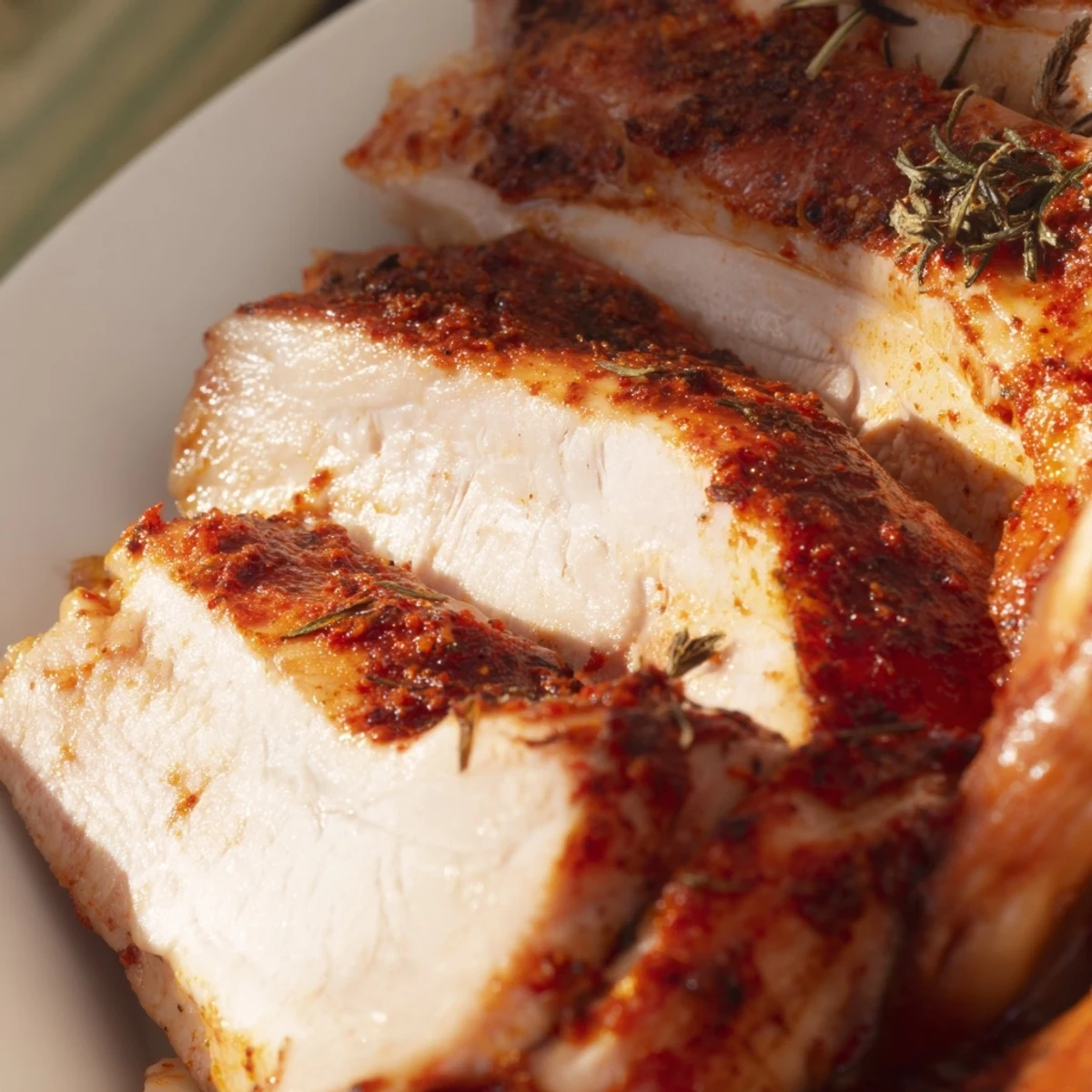
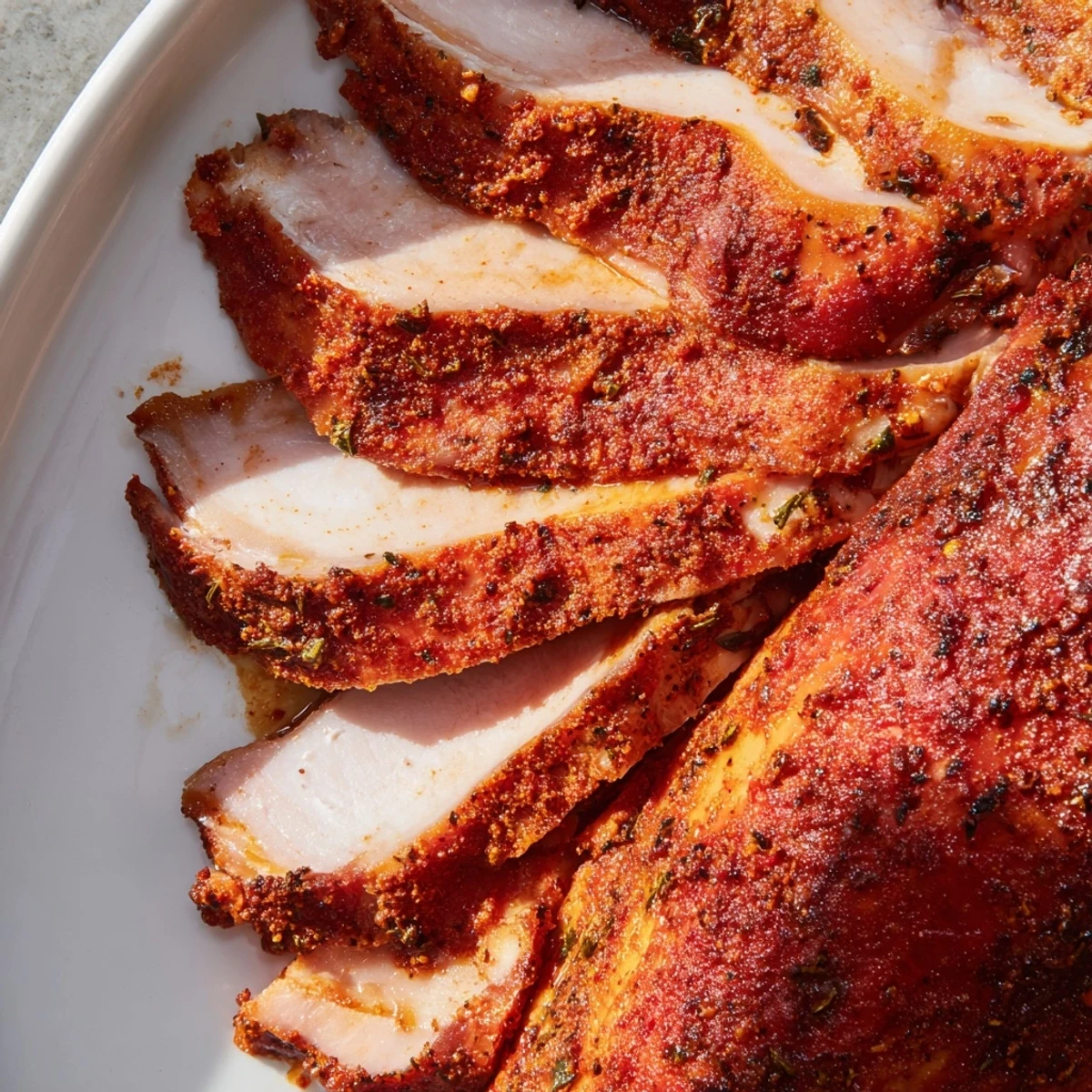
 This dish features a whole turkey seasoned with a rich blend of sweet and smoked paprika, garlic, onion, and aromatic herbs like thyme and rosemary. The turkey is coated with olive oil and butter, then slow roasted on a rack above a bed of vegetables and broth, allowing the flavors to meld and the meat to remain juicy. The process creates tender, smoky, and flavorful meat suitable for festive dinners or comforting family gatherings. Resting before carving ensures moist slices, perfect with pan juices or gravy.
There's something about the smell of paprika filling your kitchen that makes everything feel intentional and warm. My first attempt at this came on a whim one November when I wanted to try something different from the traditional herb butter approach, and that smoky spice combination became my signature move. The turkey emerged mahogany-bronzed and impossibly tender, and it's been my go-to ever since for gatherings when I want people to actually remember the main course.
I made this for my neighbor's family one December after she mentioned dreading the whole roasting process, and watching their faces light up when they tasted how tender it was made the effort completely worth it. She's been texting me for the recipe ever since, which tells you everything.
Ingredients
- Whole turkey (10–12 lbs): Make sure it's fully thawed if you're starting from frozen; rushing this step or using cold turkey throws off your cooking time unpredictably.
- Sweet paprika: This is the foundation of your spice rub, giving warmth and color without the heat.
- Smoked paprika: The secret depth that makes people ask what makes this turkey different from every other one they've had.
- Garlic powder and onion powder: These carry flavor deep into the meat while the turkey roasts, way more effective than fresh garlic scattered on top.
- Dried thyme and oregano: Mediterranean herbs that bridge the gap between savory and aromatic, softening the intensity of the paprika.
- Olive oil and butter: Together they create a paste with your spices that adheres beautifully and crisps up the skin.
- Fresh aromatics (onion, lemon, garlic, rosemary, thyme): These stuff the cavity and infuse the meat from the inside while roasting, creating steam and flavor that keeps everything juicy.
- Carrots, celery, and broth: The vegetables create a bed that keeps your turkey elevated so heat circulates underneath, and the broth becomes the base for pan juices you'll use for gravy.
Instructions
- Set your oven and prep your turkey:
- Preheat to 325°F with the rack in the lower third, which gives you gentle, even heat from below. Pat your thawed turkey completely dry with paper towels because moisture is the enemy of crispy skin.
- Build your spice paste:
- Mix all your spices together in a small bowl until everything's evenly distributed. You want the paprikas to coat everything so your rub is consistent, not clumpy.
- Season inside and out:
- Rub olive oil and melted butter all over the turkey, working under the skin on the breasts and thighs where you can reach. This is where the magic happens; coat everything generously with your spice mixture, getting it into every crevice and under the skin. The friction of your hands massaging the rub into the meat helps it adhere and penetrate.
- Stuff and truss:
- Stuff your cavity loosely with the quartered onion, lemon halves, garlic, and fresh herbs. Tie the legs together with kitchen twine and tuck the wing tips under the body so nothing sticks out and burns.
- Create your roasting environment:
- Arrange carrots and celery in your roasting pan, pour in the broth, then set a rack over the vegetables. Place your turkey breast-side up on the rack, which keeps it elevated and surrounded by steam and heat.
- Roast and baste:
- Roast for 3 to 3½ hours, basting with pan juices every 45 minutes or so to keep the skin rich and help it brown evenly. If the breast starts darkening too fast, tent it loosely with foil.
- Check for doneness and rest:
- The thickest part of the thigh should hit 165°F on a meat thermometer. Remove from the oven, tent loosely with foil, and let it rest for 20–30 minutes so the juices redistribute and the meat stays tender when you carve.
- Finish and serve:
- Carve with a sharp knife and serve with pan juices or gravy made from the broth and vegetables.
 Pin This
 The moment that really stuck with me was my mom tasting this version and saying it reminded her of roasted chicken she had in Spain, which was the highest compliment she's ever given one of my dishes. That's when I realized this recipe works because it honors the meat while adding enough personality that it stands on its own.
Why Paprika Is the Real Star
Most turkey recipes lean on herbs, but paprika does something different—it adds color and warmth without overpowering the actual turkey flavor. The sweet paprika gives you earthiness and subtle sweetness, while the smoked version brings a campfire quality that makes people pause and really notice what they're eating. Combined, they create this layered, complex spice rub that tastes intentional and restaurant-quality, not like you're just following a checklist.
The Low and Slow Philosophy
I used to cook turkey at 350°F until I realized that slower roasting at 325°F gives you so much more control and forgiveness. The meat has time to gently cook through without the skin burning, and you actually get those beautiful juices collecting in the pan for gravy instead of them evaporating. It's the difference between holding your breath the whole time and actually relaxing while the oven does the work.
Making It Your Own
This recipe is honestly a canvas for what you love—if you want more heat, push the cayenne pepper up and use extra smoked paprika. If you prefer more herbaceous notes, add fresh sage or marjoram to the cavity stuffing. The spice rub is flexible enough to experiment with while keeping the technique solid, which means you can make it three times and have three different versions that all work beautifully.
- Brining overnight in saltwater before seasoning makes the meat almost impossibly moist, especially if you're feeding a crowd or can't baste as often.
- Leftover turkey makes incredible sandwiches, grain bowls, and soups, so don't stress if you have extra meat.
- Start checking your thermometer 20 minutes before you think the turkey is done so you're not scrambling at the last second.
 Pin This
 This turkey has become my answer when someone asks what I'm most proud of cooking, which probably says more about my personality than my skill level. But there's something satisfying about a dish that's this simple, this reliable, and this genuinely delicious.
Recipe FAQs
- → How can I keep the turkey moist during roasting?
-
Basting occasionally with pan juices and tenting with foil if browning too quickly helps retain moisture. Brining overnight also improves juiciness.
- → What spices enhance the smoky flavor?
-
Using both sweet and smoked paprika along with cumin and cayenne (optional) creates a balanced smoky and slightly spicy profile.
- → Can I prepare the turkey in advance?
-
Seasoning the turkey and letting it rest in the fridge overnight intensifies flavors, making the slow roasting even more rewarding.
- → What should I use under the turkey during roasting?
-
Placing chopped carrots, celery, and broth at the pan’s base adds moisture and aromatic steam, enhancing the turkey's taste.
- → How do I know when the turkey is fully cooked?
-
Insert a meat thermometer into the thickest thigh part; it’s done when it reads 165°F (74°C).