
 Pin This
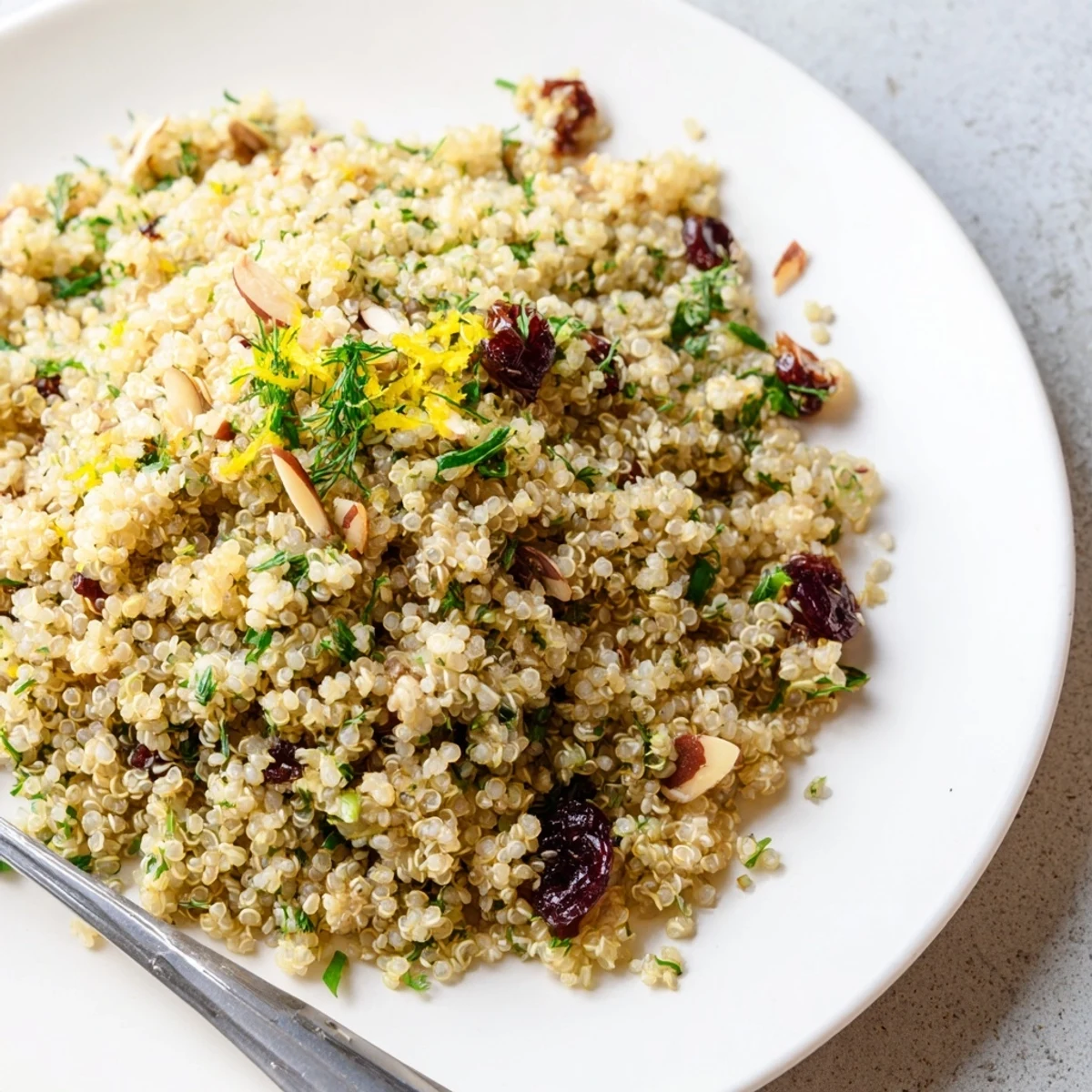
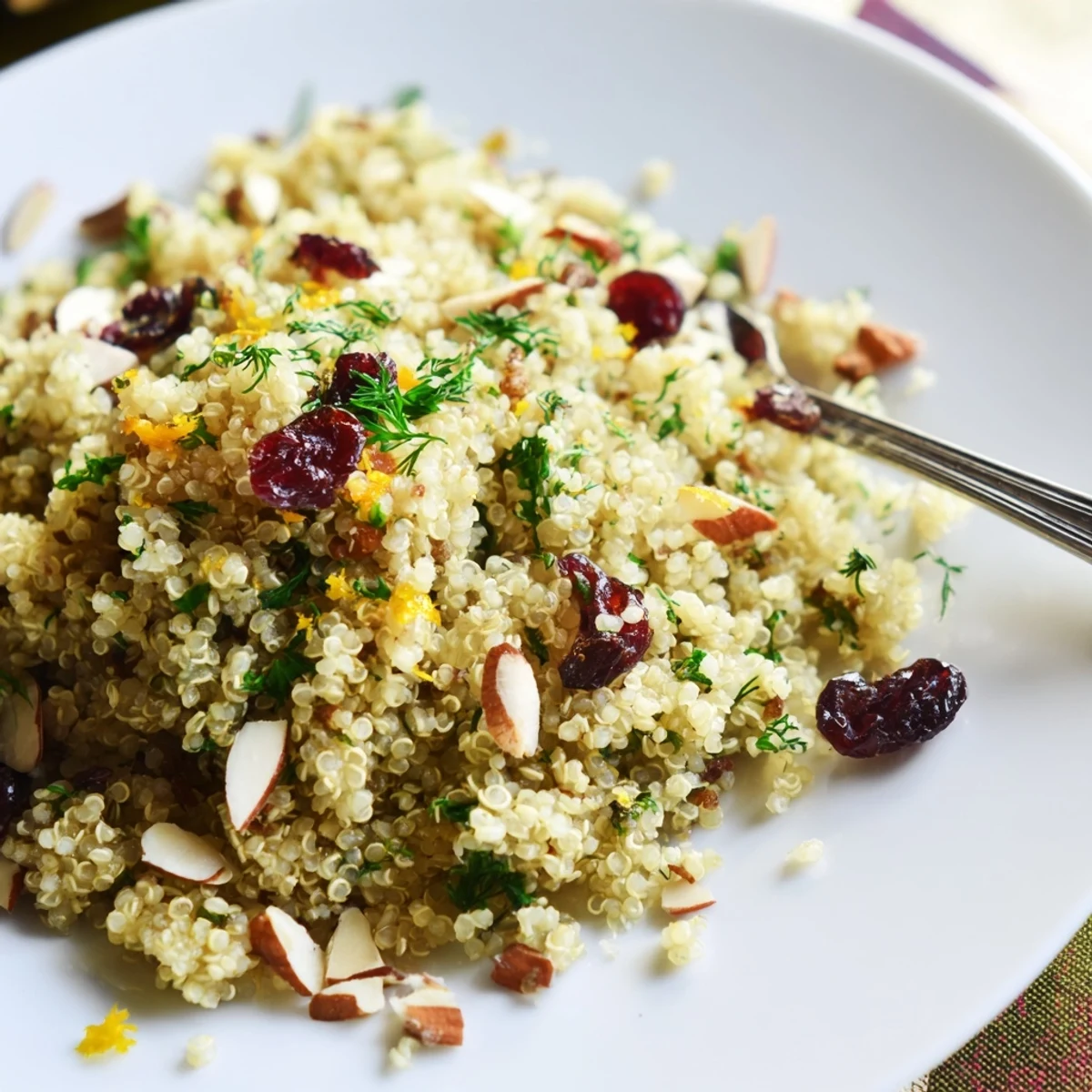
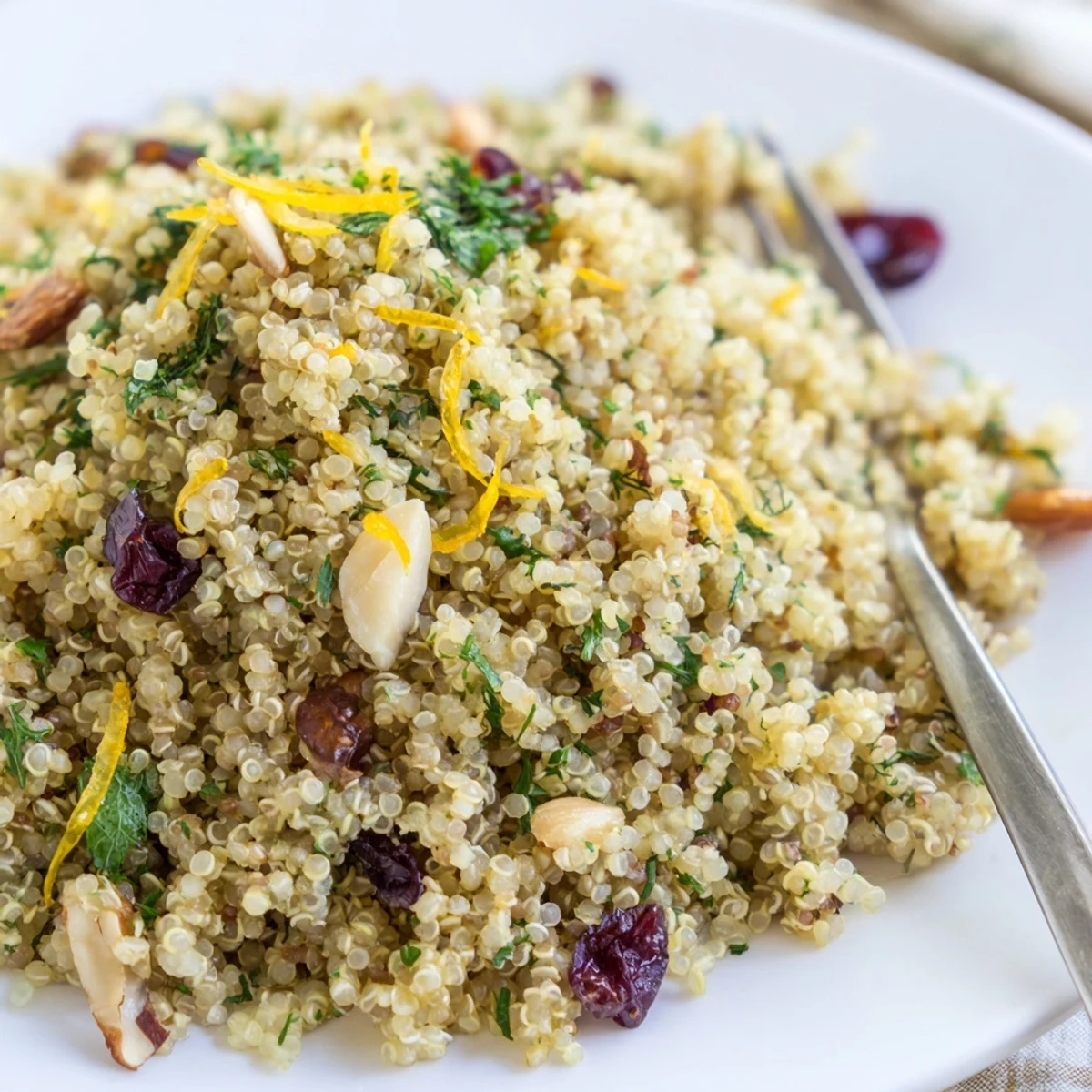
 Sauté onion and garlic before toasting the quinoa to deepen its nutty flavor. Simmer in vegetable broth until fluffy, then finish with a mix of parsley, mint, and dill. The zesty combination of lemon and orange adds a vibrant brightness, while optional almonds provide a satisfying crunch. This dish pairs wonderfully with grilled fish or chicken.
I discovered quinoa pilaf on a Tuesday when I had half an hour and a handful of herbs that needed rescuing from my crisper drawer. What started as a quick weeknight dinner turned into something I reach for whenever I need bright, uncomplicated food that actually tastes like you spent time on it. There's something about the way fresh herbs and citrus transform something as simple as quinoa into something that feels intentional and alive.
My neighbor once asked what I was cooking because the smell of toasted quinoa and lemon zest drifted over during a dinner party, and she ended up asking for the recipe before dessert. That's when I knew this pilaf had staying power—it's the kind of side dish that makes people pause and ask questions.
Ingredients
- Quinoa, rinsed: Rinsing removes the bitter coating and makes each grain fluffy and separate instead of gummy.
- Vegetable broth: This is your foundation—use something you actually enjoy drinking, because it flavors everything that follows.
- Olive oil: Good olive oil here matters more than in dishes where it cooks down; it's part of the final flavor.
- Onion and garlic: These mellow and sweetly caramelize as the quinoa toasts, building a quiet base layer.
- Fresh parsley, mint, and dill: Use them fresh, not dried—that's where the bright, alive quality comes from that makes people ask for the recipe.
- Lemon and orange zests and juices: The zests add complexity and aroma; the juices add sharpness that keeps the whole dish from feeling heavy.
- Salt and black pepper: Taste as you finish; citrus makes it easy to undershoot seasoning.
- Toasted almonds and cranberries: Optional but worth the extra texture—they turn it from a simple side into something that feels more complete.
Instructions
- Toast the aromatics:
- Heat your olive oil over medium heat and let the chopped onion soften and turn translucent, about 3 minutes. You're not looking for color here, just for it to become tender and sweet. Add the minced garlic and cook for just 30 seconds more until fragrant—garlic burns fast, so watch it.
- Toast the quinoa:
- Stir the rinsed quinoa into the pan for about a minute, stirring almost constantly. You'll hear it clicking gently against the pan, and that toasted smell is exactly what you want—it adds a subtle nuttiness that raw quinoa doesn't have.
- Simmer gently:
- Pour in your vegetable broth, bring the whole thing to a boil, then lower the heat to a gentle simmer. Cover it and let it cook undisturbed for about 15 minutes until the liquid is absorbed and the quinoa is tender. Resist the urge to peek too much.
- Rest and fluff:
- Let it sit, covered, for 5 minutes after the heat comes off. Then take a fork and fluff it gently—this keeps it light and prevents it from compacting into something dense.
- Build the brightness:
- Now comes the part that transforms it: stir in your fresh herbs, both zests, both juices, and your salt and pepper. If you're using the almonds and cranberries, fold them in now too. Taste it before you serve—citrus brightness can feel different when everything is hot.
 Pin This
 This pilaf sat on my kitchen counter on a warm spring afternoon, and I realized my kids were actually eating something green without negotiation because the lemon and orange made it taste like a small adventure instead of vegetables. That moment stuck with me.
Why This Works as a Complete Meal
On its own, it's a vibrant side dish that pairs beautifully with grilled fish or roasted chicken. But the protein in quinoa is complete—meaning it has all nine amino acids—so it can actually stand alone as a light main course, especially if you fold in the almonds for extra substance. I've served it at room temperature alongside fresh vegetables and soft cheese for a summer lunch that felt both nourishing and effortless.
The Herb Question
Fresh herbs are not decorative here; they're fundamental to the whole point of this dish. The combination of parsley, mint, and dill creates a complexity that feels Mediterranean without being heavy. If you only have access to one or two of them, that's fine—just know the flavor will shift. I once made it with only cilantro instead, and while it was delicious, it became a completely different dish with a different spirit.
Serving Suggestions and Variations
Serve it warm straight from the pan or let it cool to room temperature, which actually lets the flavors settle and become more pronounced. It keeps well in the refrigerator for three days and doesn't suffer from being made ahead. Try swapping the orange juice for a tablespoon of honey if you want subtle sweetness, or stir in pomegranate seeds for a pop of tartness and visual brightness.
- For a richer version, substitute half the vegetable broth with orange juice to deepen the citrus presence.
- If almonds aren't your style, toasted pine nuts or sunflower seeds work beautifully.
- Make it the day before and bring it to room temperature before serving—it actually improves as flavors meld together.
 Pin This
 This pilaf has become my answer to the question of what to bring to a potluck when I want to feel confident about it. It's honest, uncomplicated food that somehow tastes thoughtful.
Recipe FAQs
- → How do I prevent mushy quinoa?
-
Rinse the grains thoroughly under cold water to remove saponins, and ensure you measure the liquid accurately using a 1:2 ratio.
- → Can I use dried herbs instead of fresh?
-
While fresh herbs provide the best vibrant flavor, you can substitute dried ones using one-third of the amount specified.
- → Is this dish vegan?
-
Yes, using vegetable broth makes it completely plant-based and suitable for vegan diets.
- → What can I serve with this pilaf?
-
It complements grilled proteins like salmon, chicken, or tofu perfectly, adding a fresh and citrusy element to the plate.
- → How should I store leftovers?
-
Keep it in an airtight container in the refrigerator for up to four days, serving it warm or at room temperature.