
 Pin This
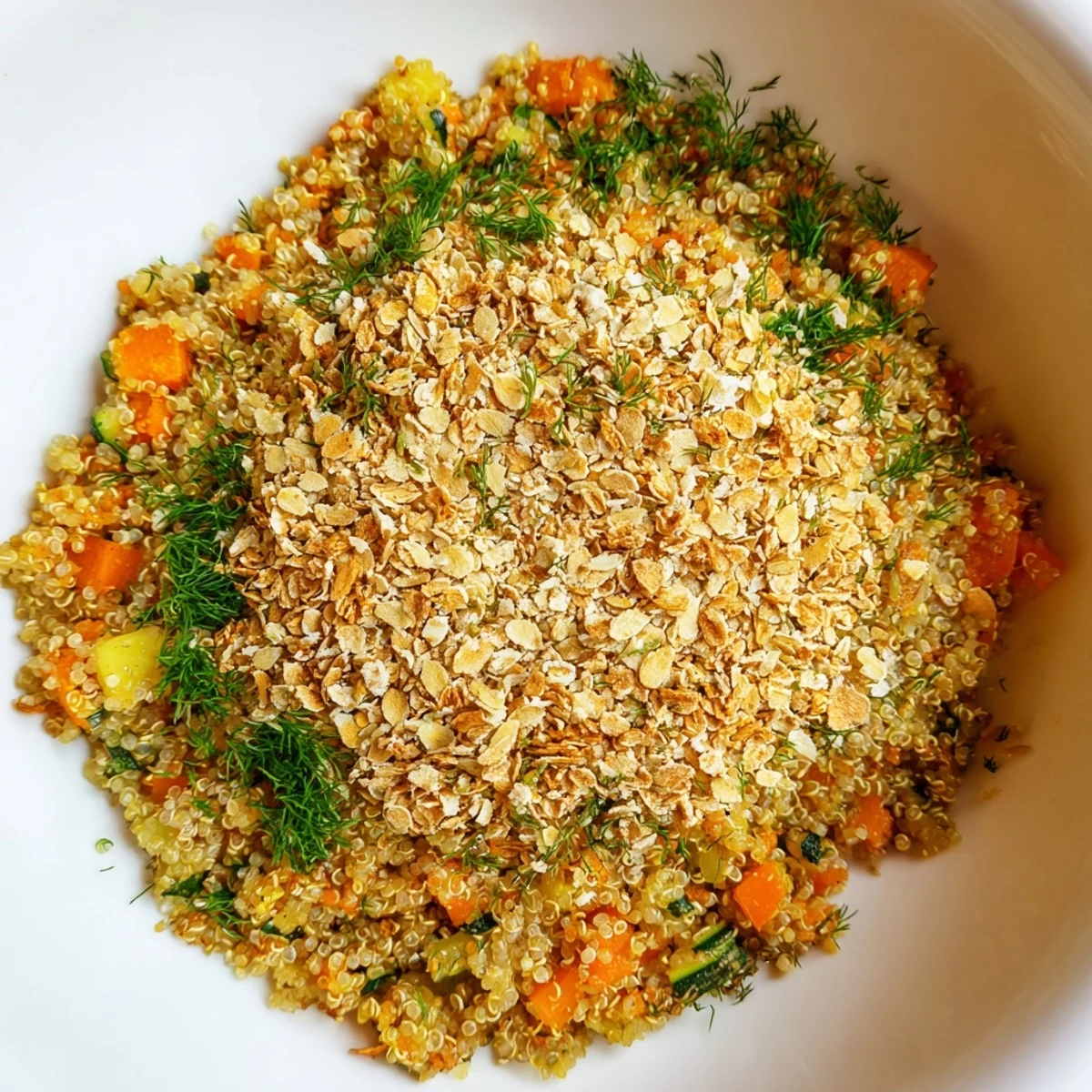
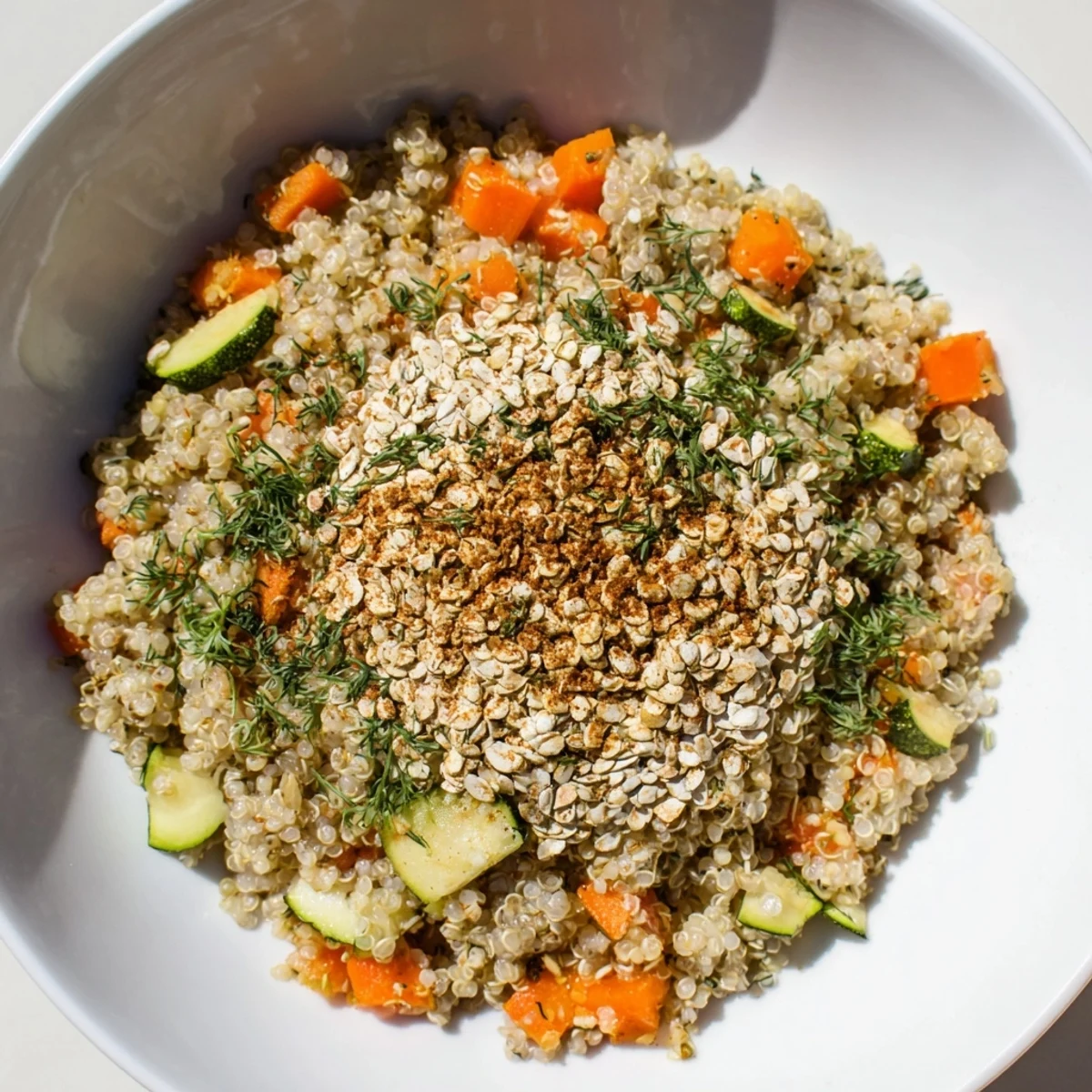
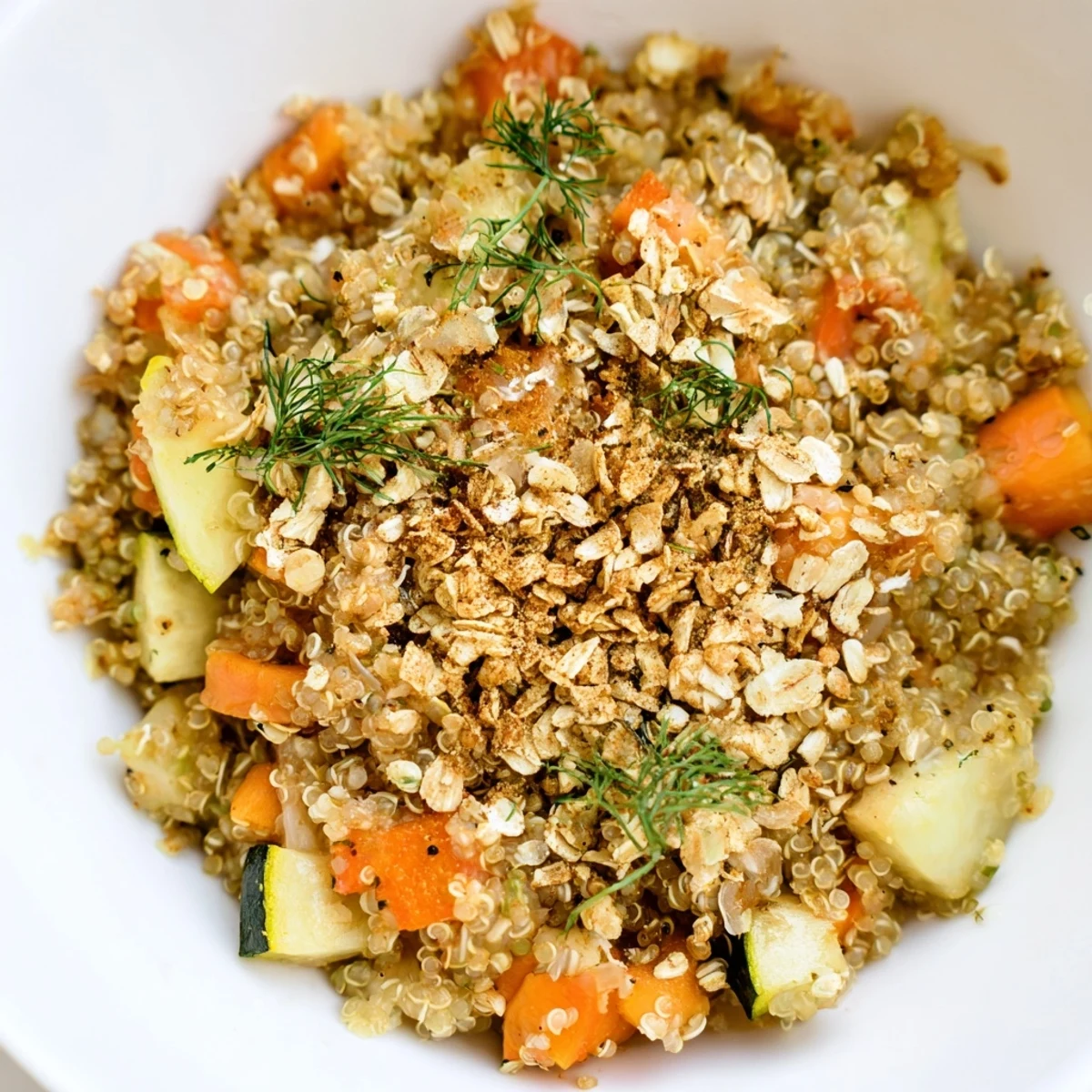
 This wholesome quinoa pilaf combines fluffy, protein-rich quinoa with sautéed onions, carrots, and zucchini, finished with fresh parsley, dill, and mint. The crowning feature is a golden, toasted oat herb topping with smoked paprika and thyme that adds delightful crunch and warmth to every bite. Ready in just 40 minutes, this vegetarian and gluten-free dish serves four as either a satisfying main or elegant side. Drizzle with lemon juice and customize the herbs to your preference for endless variations.
The first time I made this quinoa oat pilaf, I was standing in my kitchen staring at a half-empty pantry during a snowstorm. With fresh herbs wilting in the fridge and a desperate need for comfort food, I started experimenting. The nutty aroma of toasting oats filled my tiny apartment, mingling with the herbal notes in a way that made me pause mid-stir, spoon suspended, knowing I'd stumbled onto something special.
Last autumn, I brought this pilaf to a neighborhood potluck where a friend with celiac disease was attending. As everyone passed around dishes, carefully checking ingredients, her face lit up when I explained this was completely gluten-free with the right oats. She took seconds, then thirds, and later texted asking for the recipe with three exclamation points.
Ingredients
- Quinoa: Rinse thoroughly until the water runs clear to remove the natural bitter coating called saponin that can make your pilaf taste like soap.
- Vegetables: The trio of onion, carrot and zucchini creates a sweet foundation, but I've substituted bell peppers or even diced sweet potato when needed.
- Fresh herbs: The parsley-dill-mint combination completely transforms this dish from bland to vibrant, and I've learned that herbs should be added last to preserve their bright flavors.
- Rolled oats: Their neutral flavor absorbs the smokiness of the paprika beautifully, creating a topping that's addictively crunchy and aromatic.
Instructions
- Sauté the aromatics:
- Heat olive oil until it shimmers then add your diced onion, letting it slowly turn translucent and sweet. You'll know it's ready when the kitchen fills with that irresistible onion perfume.
- Build the vegetable base:
- When you add the garlic, carrot and zucchini, listen for that satisfying sizzle that signals good things are happening. The vegetables should soften but maintain some texture for the perfect bite.
- Toast the quinoa:
- Let the quinoa mingle with the vegetables for a minute before adding liquid, coating each tiny grain with flavor. This brief toasting amplifies the quinoa's nutty qualities.
- Simmer to perfection:
- Once you add the broth, you're committed to the process. Keep the heat low and resist the urge to peek under the lid too often.
- Create the oat topping:
- Watch the oats carefully as they toast, swirling the pan frequently to prevent burning. They'll turn golden much more quickly than you expect.
- Finish with herbs:
- When stirring in the fresh herbs, use a light hand to preserve their delicate structure. The warmth of the quinoa will release their essential oils just enough.
- Serve with flair:
- Be generous with the oat topping, creating a beautiful textural contrast across the top of your pilaf. I like to sprinkle from a height to ensure even distribution.
 Pin This
 My brother, notoriously picky about whole grains, came over for dinner during a rough patch in his life when I first perfected this recipe. He ate absentmindedly at first, then paused mid-bite to ask what made it so good. We ended up talking for hours over second helpings, the pilaf becoming an unexpected bridge during a time when conversation felt difficult.
Making It Your Own
What makes this recipe truly special is how readily it adapts to personal preference and seasonal availability. One summer evening when fresh herbs were abundant in my container garden, I went overboard with nearly double the herbs called for, creating an intensely aromatic version that paired beautifully with grilled fish. Another time, during winter, I added roasted butternut squash cubes and dried cranberries for a holiday twist that disappeared quickly at a family gathering.
Storage and Make-Ahead Tips
I've learned through many meal prep Sundays that this pilaf actually improves after a day in the refrigerator, as the flavors have time to meld and deepen. The key is storing the oat topping separately in an airtight container at room temperature, maintaining its satisfying crunch. When I worked long hospital shifts as a nurse, I'd portion the pilaf into containers, tucking small packets of the topping alongside, giving me something to look forward to during hurried lunch breaks.
Troubleshooting Common Issues
The most frequent hiccup I encounter when teaching friends this recipe is quinoa that turns out either waterlogged or too dry. The perfect 1:2 ratio of quinoa to liquid works in most kitchens, but altitude and specific cookware can affect absorption rates dramatically. I once made this at a mountain cabin where I needed almost a quarter cup less liquid to achieve the perfect fluffy texture.
- If your quinoa seems too wet after cooking, remove the lid and cook over low heat for another 1-2 minutes to evaporate excess moisture.
- For extra flavor dimension, replace up to half the broth with white wine or add a bay leaf during simmering.
- When reheating leftovers, sprinkle with a few drops of water before microwaving to rejuvenate the quinoa without drying it out.
 Pin This
 This pilaf has become more than just a recipe in my collection, its a reminder that sometimes the most satisfying dishes emerge from necessity rather than planning. Each time the aroma of toasting oats fills my kitchen, Im transported back to that snowstorm discovery and all the meals shared since.
Recipe FAQs
- → Can I prepare this dish ahead of time?
-
Yes, you can cook the pilaf base up to 2 days ahead and store it in the refrigerator. Toast the herb oat topping fresh just before serving to maintain its crunch and aromatic quality.
- → What vegetables can I substitute?
-
Feel free to swap in bell peppers, celery, mushrooms, or spinach based on your preferences and availability. Keep the total volume similar to maintain consistent cooking time and flavor balance.
- → How do I make the oat topping extra crispy?
-
Toast the oats for an additional 1–2 minutes and ensure they're spread in a single layer in the skillet. For even more crunch, double the topping batch and store excess in an airtight container for up to 5 days.
- → Is this suitable for a gluten-free diet?
-
Absolutely. Quinoa and rolled oats are naturally gluten-free, but always verify that your vegetable broth and oats are certified gluten-free if you have celiac disease or gluten sensitivity.
- → Can I add protein to make it more filling?
-
Definitely. Stir in cooked chickpeas, black beans, or tofu during the final step. You can also serve alongside grilled tempeh or add a drizzle of tahini sauce for added richness.
- → What herbs work best in this dish?
-
Parsley, dill, and mint create a fresh flavor profile, but basil, cilantro, or chives work beautifully as alternatives. Mix and match based on what you have on hand or your flavor preferences.