
 Pin This
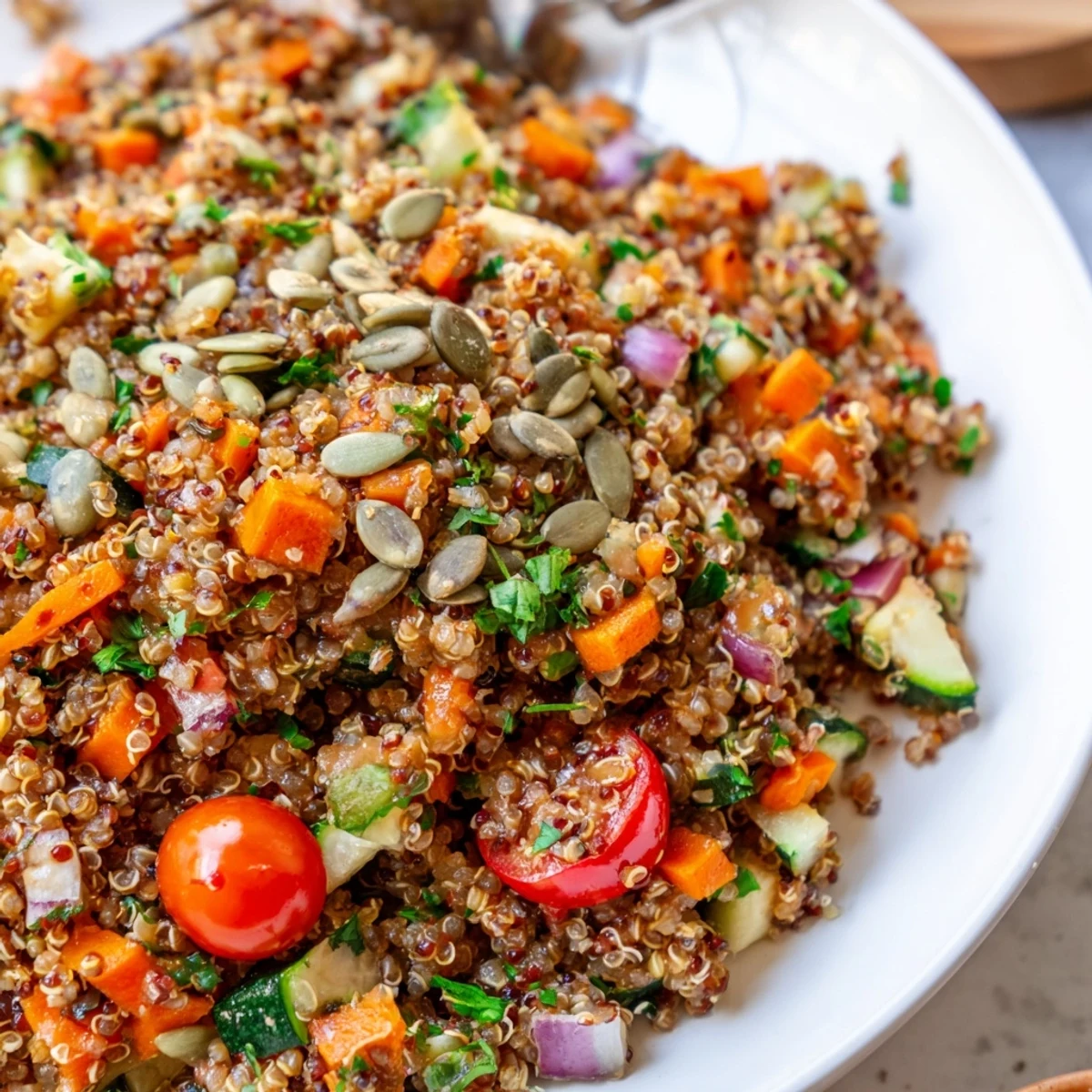
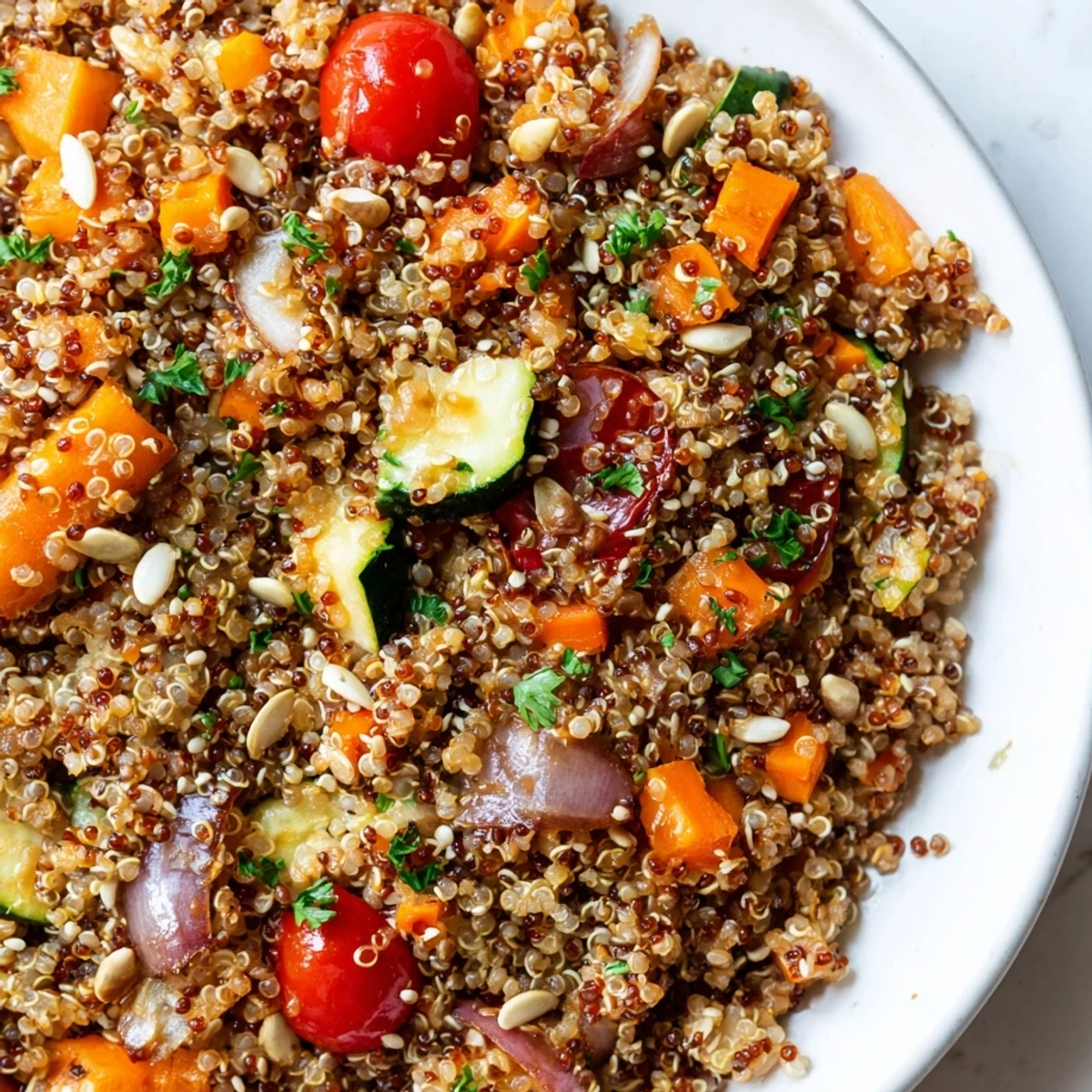
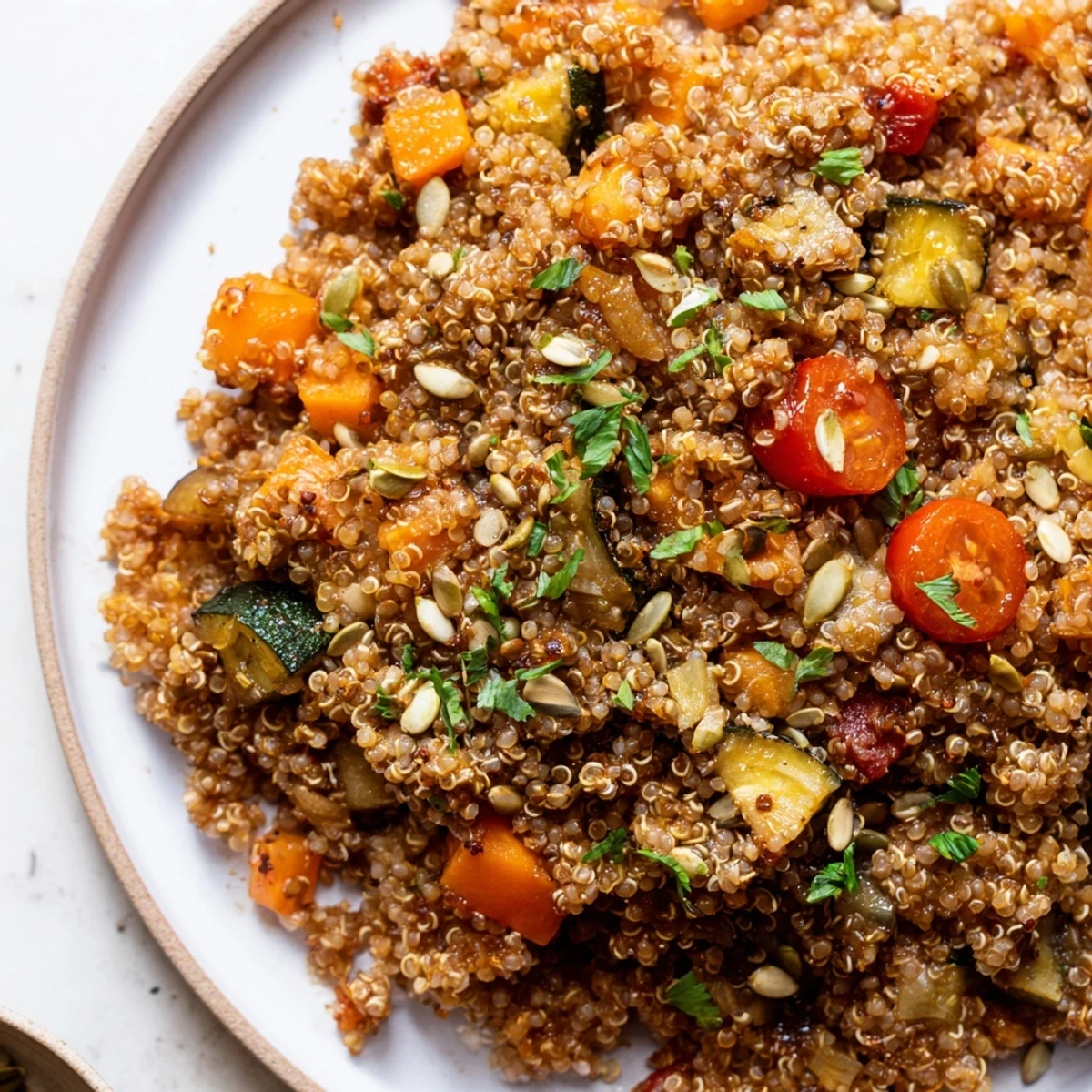
 This dish blends nutty quinoa with roasted carrots, zucchini, and bell peppers, creating a vibrant pilaf. A smooth miso glaze, made with white miso, maple syrup, rice vinegar, and sesame oil, adds a deep umami flavor. Toasted pumpkin seeds and fresh parsley offer texture and freshness. Easy to prepare within 45 minutes, this gluten-free and vegetarian option suits a variety of meals.
I discovered this pilaf on a quiet Tuesday evening when I had a half-empty crisper drawer and absolutely no inspiration. The miso glaze came about by accident—I was trying to use up a jar of white miso before it got forgotten in the back of my fridge, and somehow the sweet-tangy-nutty combination just worked. Now it's the dish I make when I want something that feels both nourishing and unexpectedly sophisticated, without spending hours in the kitchen.
I made this for a potluck last spring where everyone was bringing something heavy and expected, and somehow this bright, humble pilaf became the thing people went back to. My friend Sarah asked for the recipe before she'd even finished her plate, which is still my favorite kind of compliment.
Ingredients
- Quinoa, rinsed: Rinsing removes the natural coating that can taste bitter, and it only takes a minute under cold water.
- Low-sodium vegetable broth: Low-sodium lets the quinoa's subtle nuttiness shine instead of tasting like a salty cube.
- Olive oil: Use something you like the taste of—this is the base of your flavor foundation.
- Red onion, finely chopped: The red variety stays slightly sweet and keeps its color rather than turning dull.
- Garlic, minced: Fresh garlic matters here; it's what gives you that aromatic quality that makes the whole kitchen smell alive.
- Carrot, diced: Cut it small enough that it cooks in the same time as everything else, creating an even texture.
- Zucchini, diced: Choose a medium one; the huge ones tend to be watery and bland.
- Red bell pepper, diced: Red is sweeter than green and adds color that actually stays vibrant through cooking.
- Cherry tomatoes, halved: They burst slightly as they warm, releasing their juice into the whole dish.
- Toasted pumpkin seeds: Buy them already toasted if you can—it saves a step and guarantees they won't burn in the pan.
- Fresh parsley, chopped: Add this at the end so it stays bright green and doesn't lose its fresh edge.
- White miso paste: It's milder and slightly sweet compared to darker miso varieties, which is exactly what we want here.
- Maple syrup or honey: The sweetness balances the salty umami of the miso paste.
- Rice vinegar: It's gentler and more delicate than regular vinegar, keeping the glaze harmonious.
- Toasted sesame oil: A little goes a long way—it's intensely flavorful and adds that toasted, almost nutty depth.
Instructions
- Start your quinoa:
- Bring the broth to a boil, add your rinsed quinoa, then reduce heat to low and cover. You'll hear it settle into a gentle simmer—that's your cue that everything is working. After 15 minutes it should have absorbed all the liquid; let it rest covered for 5 minutes before fluffing with a fork so each grain stays separate and fluffy.
- Get your vegetables going:
- Heat olive oil in a large skillet over medium heat, then add the red onion and garlic. Sauté for 2-3 minutes until they're soft and fragrant—you're building the flavor base here. This is the moment where your kitchen starts smelling like actual food.
- Cook the vegetables until they're tender and bright:
- Add the carrot, zucchini, and red bell pepper, stirring occasionally for 7-8 minutes. You want them soft enough to easily pierce with a fork but still vibrant in color. Stir in the cherry tomatoes and cook for just 2 more minutes until they start to soften and release their juice.
- Combine everything together:
- Add the cooked quinoa to the skillet with the vegetables and toss everything to combine evenly. Season with salt and pepper, then stir in the toasted pumpkin seeds and fresh parsley so they're distributed throughout and the parsley is still bright.
- Make your miso glaze:
- In a small bowl, whisk together the miso paste, maple syrup, rice vinegar, sesame oil, and water until you have a smooth, pourable consistency. The miso will want to be stubborn at first, so take your time whisking and let the liquid gradually break it down.
- Finish with the glaze:
- Drizzle the miso glaze over the pilaf just before serving, or serve it on the side so people can add as much or as little as they like.
 Pin This
 There's something almost meditative about the way this pilaf comes together—the way the colors stay so vivid, how the glaze catches the light, how it somehow makes a weeknight dinner feel like you're taking care of yourself in the most genuine way.
Roasting for Extra Depth
If you have a little extra time, roast your vegetables before adding them to the pilaf. Spread them on a baking sheet, toss with a drizzle of olive oil, salt, and pepper, and roast at 425°F for about 15 minutes until they have caramelized edges and concentrate their flavors. It's not necessary, but it changes the whole experience from simple to something that tastes like you've been thinking about dinner since morning.
Making It Your Own
This pilaf is a blank canvas waiting for your preferences. Some people add crumbled feta or goat cheese for creaminess and tang, which is beautiful if you're not vegetarian. You can absolutely swap the pumpkin seeds for toasted almonds or sunflower seeds if that's what you have on hand. The glaze stays the same, but the base can shift and change depending on what your garden has, what's in your market, or just what sounds good today.
Pairing and Serving
Serve this warm as a side dish to roasted chicken or fish, or eat it on its own as a light main course. A crisp white wine like Sauvignon Blanc cuts through the richness of the sesame oil and plays beautifully with the miso's umami. Leftover pilaf keeps well for a couple of days—store the glaze separately and drizzle it fresh right before eating so it doesn't get absorbed and soggy.
- You can enjoy this dish warm or at room temperature, and it actually holds together better cold.
- Make the glaze up to a day ahead and store it in a small jar so mornings feel less rushed.
- This recipe doubles easily if you're feeding a crowd or want leftovers for the whole week.
 Pin This
 This pilaf became my answer to the question of how to eat well without it feeling like a chore. It's proof that simple, honest ingredients handled with just a little care turn into something worth remembering.
Recipe FAQs
- → What is the best way to cook quinoa for this pilaf?
-
Rinse quinoa thoroughly, then simmer in vegetable broth for about 15 minutes until liquid is absorbed. Let it rest covered for 5 minutes before fluffing.
- → Can I roast the vegetables before adding them?
-
Yes, roasting enhances their earthy flavor and adds depth to the pilaf.
- → What alternatives exist for pumpkin seeds?
-
Toasted almonds or sunflower seeds can be used as substitutes depending on preference.
- → How should I prepare the miso glaze?
-
Whisk white miso paste with maple syrup, rice vinegar, toasted sesame oil, and a little water until smooth and well combined.
- → Is this dish suitable for a gluten-free diet?
-
Yes, provided the vegetable broth and miso paste used are certified gluten-free.
- → Can any cheeses be added to enhance this dish?
-
Crumbled feta or goat cheese can complement the pilaf for a creamy contrast, but omit for a fully vegan dish.