
 Pin This
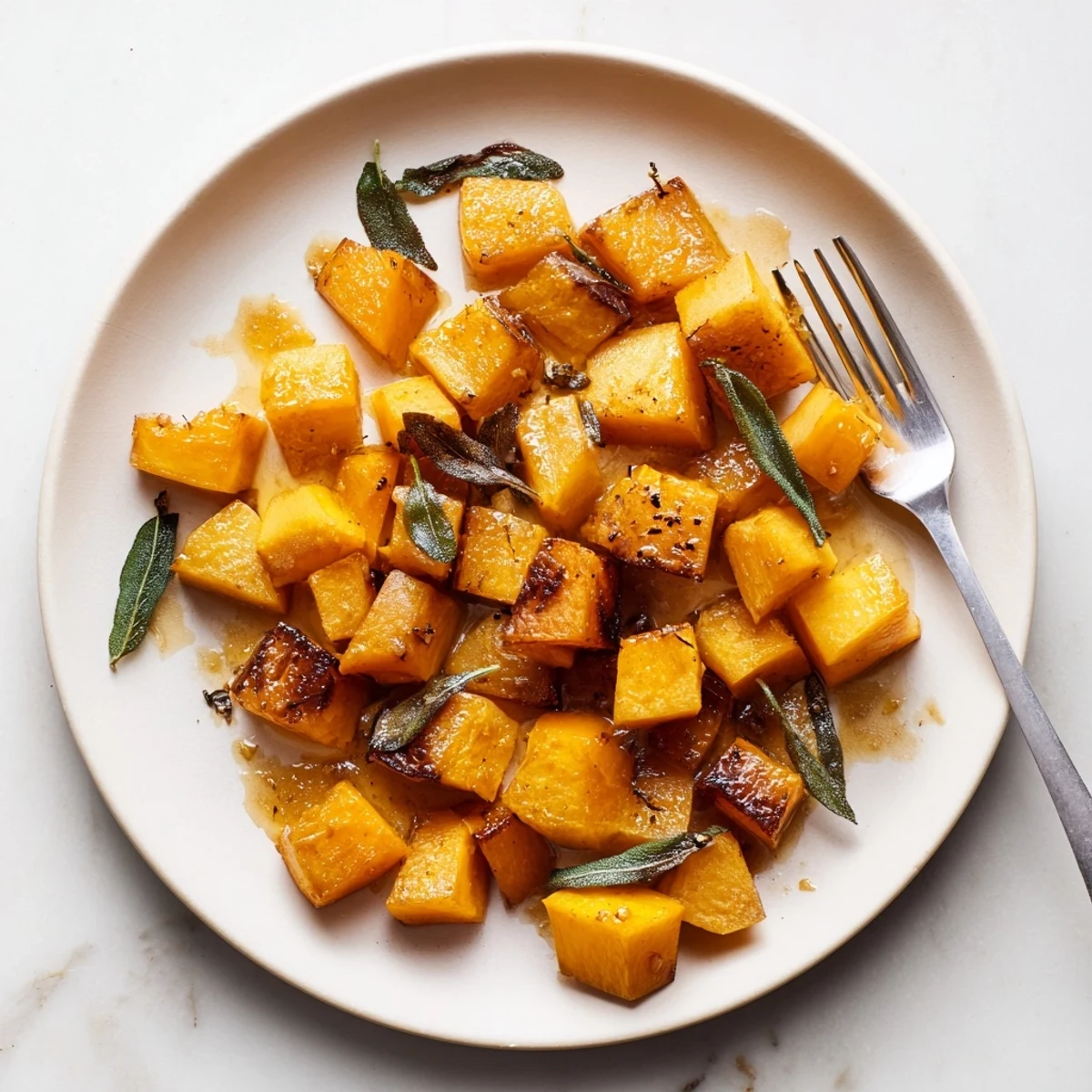
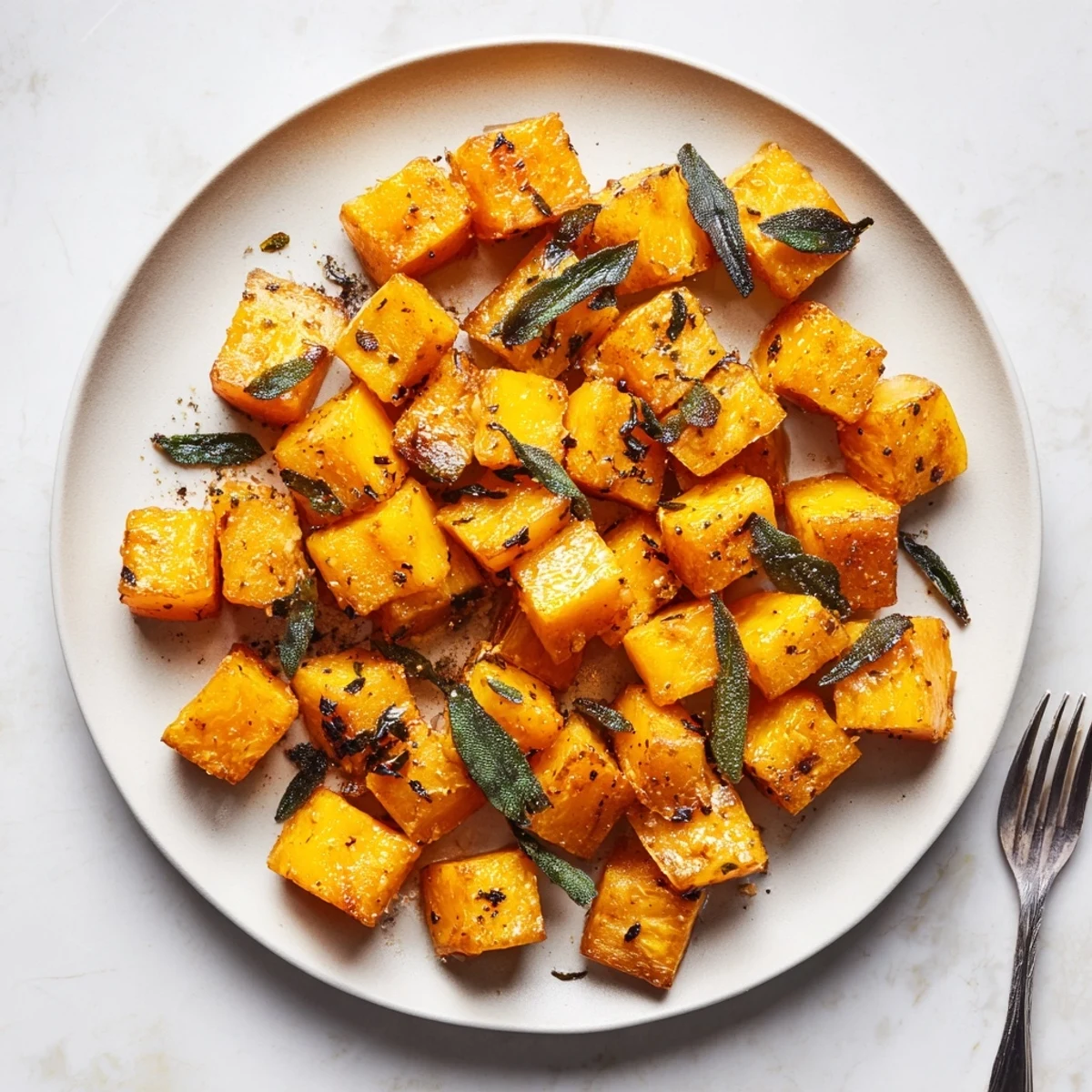
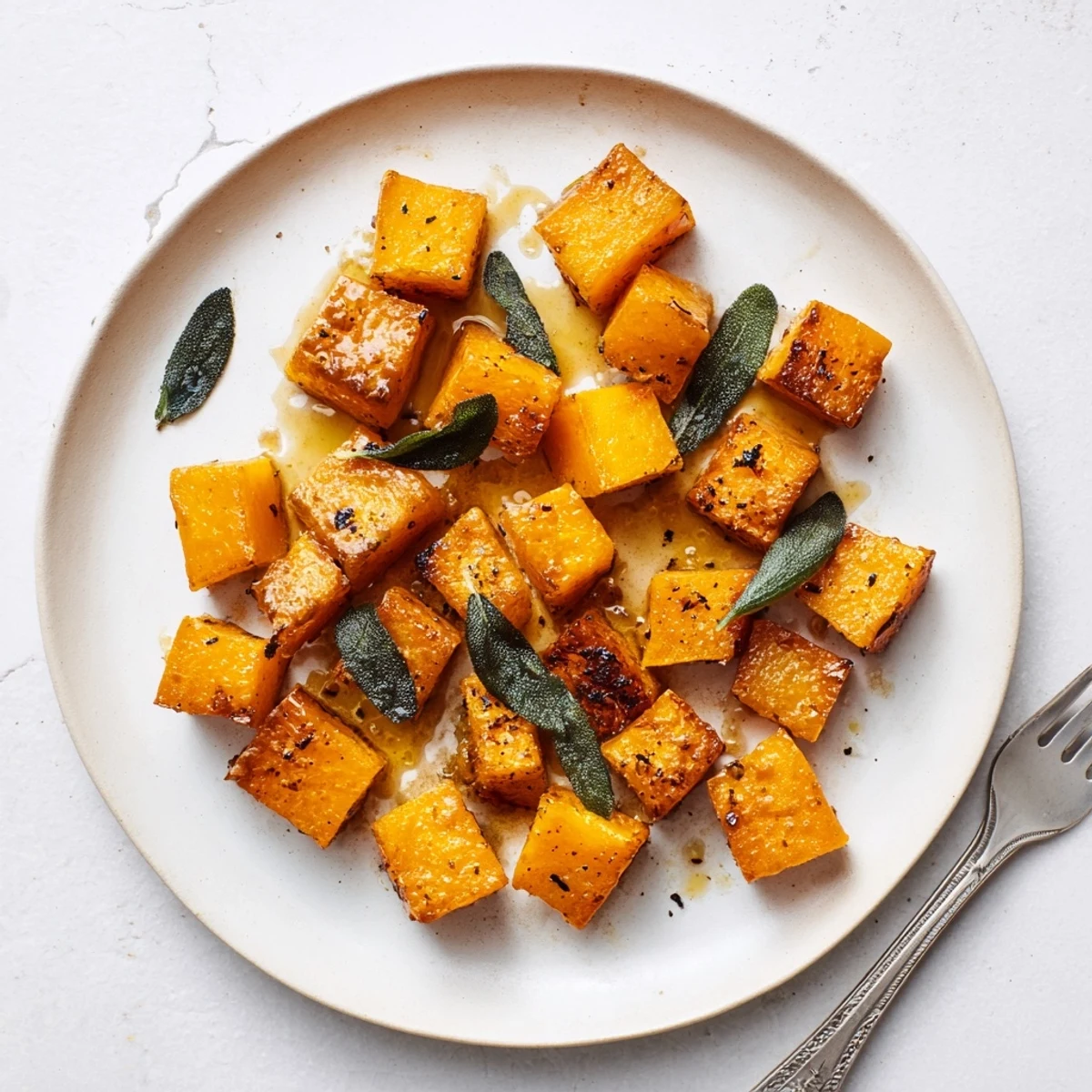
 This oven-roasted butternut squash delivers tender, caramelized cubes tossed in aromatic sage butter. The high heat creates golden edges while keeping the interior creamy and sweet. Fresh sage leaves crisp up in browned butter, adding a nutty, aromatic finish that perfectly complements the naturally sweet squash.
The preparation comes together easily—simply cube and season the squash, roast until tender, then finish with the infused butter. An optional drizzle of maple syrup enhances sweetness, while Parmesan adds savory depth. Perfect alongside roasted meats or as part of a holiday spread.
The first time I made roasted butternut squash with sage butter, my tiny apartment smelled like a fancy restaurant. I had discovered that burning butter just enough makes it taste like toasted nuts, and the way fresh sage crisps up in that golden fat is nothing short of magical. Now whenever autumn leaves start falling outside my window, this dish finds its way onto my table.
Last Thanksgiving, I brought this to a potluck and watched three different people ask for the recipe. The host actually admitted she was relieved when I told her how simple it was, because she had been convinced I had some secret culinary technique up my sleeve. Sometimes the most impressive dishes are just vegetables treated with a little respect and a lot of butter.
Ingredients
- 1 medium butternut squash: Pick one that feels heavy for its size with a deep tan color, the more mature the squash the sweeter it will roast up
- 2 tablespoons olive oil: This helps the squash develop those gorgeous caramelized edges and prevents sticking
- 3 tablespoons unsalted butter: Unsalted gives you control over the final seasoning and browns more evenly without burning
- 2 tablespoons fresh sage leaves: Fresh sage transforms completely in hot butter, becoming crispy and almost savory, do not substitute dried here
- 1/2 teaspoon kosher salt: Diamond Crystal flakes stick beautifully to the squash cubes better than table salt
- 1/4 teaspoon freshly ground black pepper: Grind it right before you need it for the best aromatic punch
- 2 teaspoons maple syrup or honey: This optional drizzle bridges the gap between savory and sweet in the most comforting way
Instructions
- Preheat your oven to 425°F and line a baking sheet:
- That high temperature is what creates the caramelization, and parchment paper saves you from scrubbing later
- Toss squash cubes with olive oil, salt, and pepper:
- Use your hands to massage the oil into every nook and cranny, the squash should glisten not drip
- Spread squash in a single layer and roast 30 to 35 minutes:
- Flip them halfway through, you are looking for deep golden edges and a fork that slides through like butter
- Melt butter in a small skillet over medium heat:
- Swirl it constantly and watch for tiny brown specks, that is when you add the sage leaves
- Cook sage until butter is golden and sage is crispy:
- This happens fast, maybe 2 minutes, pull it off the heat before it goes from golden to burnt
- Toss roasted squash with sage butter and serve warm:
- Work quickly so the butter coats everything while it is still hot and glossy
 Pin This
 My daughter used to call this orange candy when she was little. There is something about that natural sweetness coming through after roasting that makes even vegetable skeptics reach for another helping. Now she asks for it on her birthday dinner list every year.
Making It Ahead
You can cube the squash up to two days in advance and store it in an airtight container in the refrigerator. The sage butter can also be made ahead and kept at room temperature for a few hours, just give it a gentle reheat if it solidifies too much.
Serving Suggestions
This squash pairs beautifully with roasted chicken, pork tenderloin, or even as part of a vegetarian grain bowl. The sage butter adds enough richness that it can hold its own alongside a holiday roast, but it is elegant enough for a simple weeknight dinner too.
Other Variations To Try
Once you master the basic technique, do not be afraid to play around with different herbs and spices. The method works with almost any hard winter squash and the flavor combinations are endless.
- Swap fresh thyme or rosemary for the sage if that is what you have on hand
- Add a pinch of red pepper flakes to the butter for some gentle warmth
- Finish with a handful of toasted pumpkin seeds or pecans for extra crunch
 Pin This
 Some recipes complicate things, but this one proves that sometimes the most satisfying dishes are just good ingredients treated with a little patience and the right amount of heat.
Recipe FAQs
- → How do I cut butternut squash safely?
-
Use a sharp chef's knife to stabilize the squash on your cutting board. Cut off both ends, then slice the squash in half lengthwise. Scoop out seeds with a spoon, then peel the skin using a vegetable peeler before cutting into 1-inch cubes.
- → Can I prepare this dish ahead of time?
-
Roast the squash up to a day in advance and store refrigerated. Reheat in a 375°F oven for 10-15 minutes. Make the sage butter fresh just before serving for the best crispy texture and aromatic flavor.
- → What herbs work well with butternut squash?
-
Fresh sage, thyme, and rosemary all complement butternut squash beautifully. Sage provides earthy, nutty notes that enhance the vegetable's natural sweetness. Thyme offers a subtle floral aroma, while rosemary adds pine-like depth.
- → How do I know when the squash is done roasting?
-
The squash is ready when cubes are golden brown with caramelized edges and easily pierced with a fork. This typically takes 30-35 minutes at 425°F. Turn halfway through cooking for even browning on all sides.
- → Can I make this dairy-free?
-
Substitute the butter with vegan butter or olive oil. For the sage infusion, heat your chosen fat with sage leaves until fragrant and slightly golden. The flavor profile remains delicious while accommodating dairy-free dietary needs.
- → What main dishes pair well with this side?
-
This versatile side complements roasted chicken, pork tenderloin, beef tenderloin, or holiday turkey. The sage butter's richness balances lean proteins, while the squash's sweetness provides contrast to savory main courses.