
 Pin This
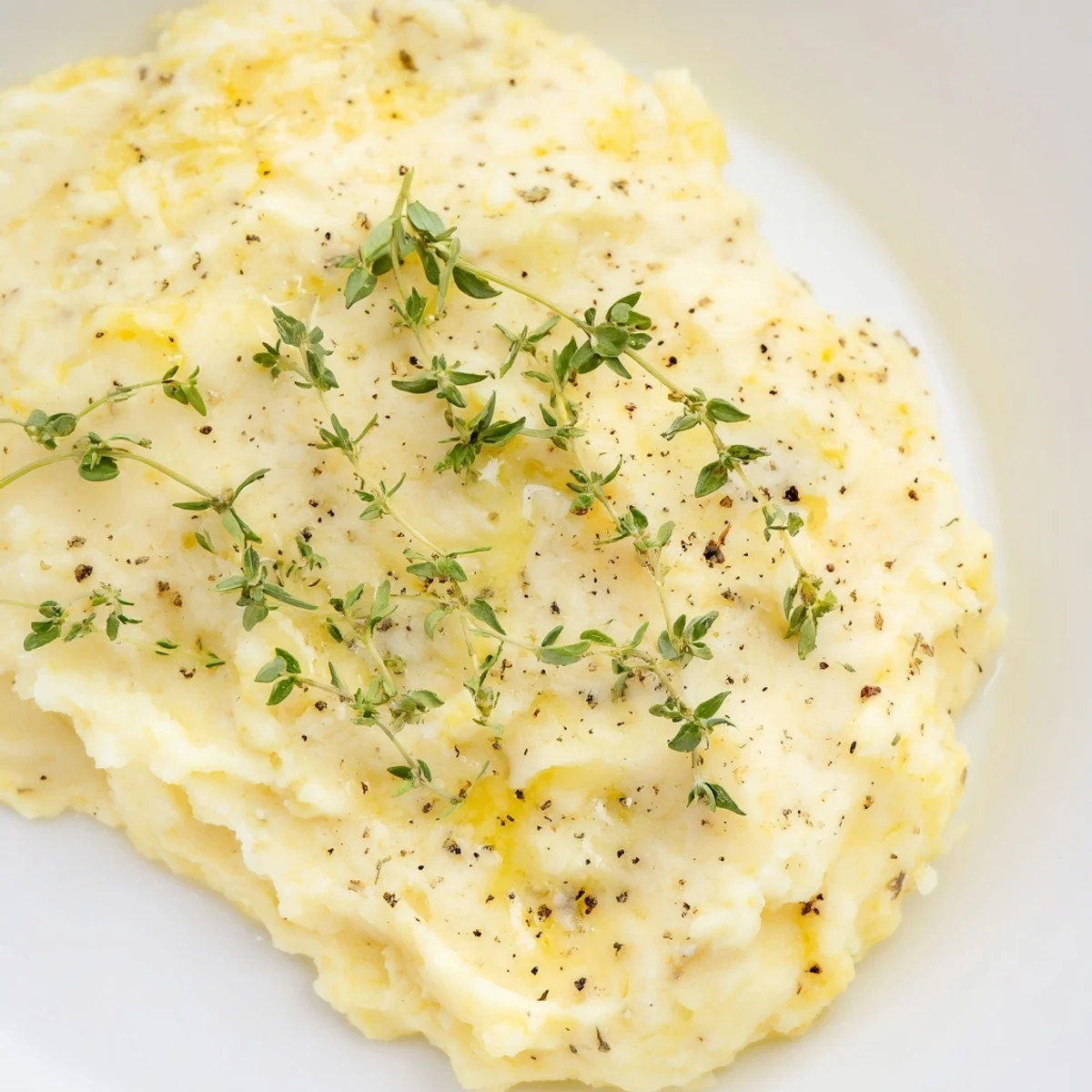
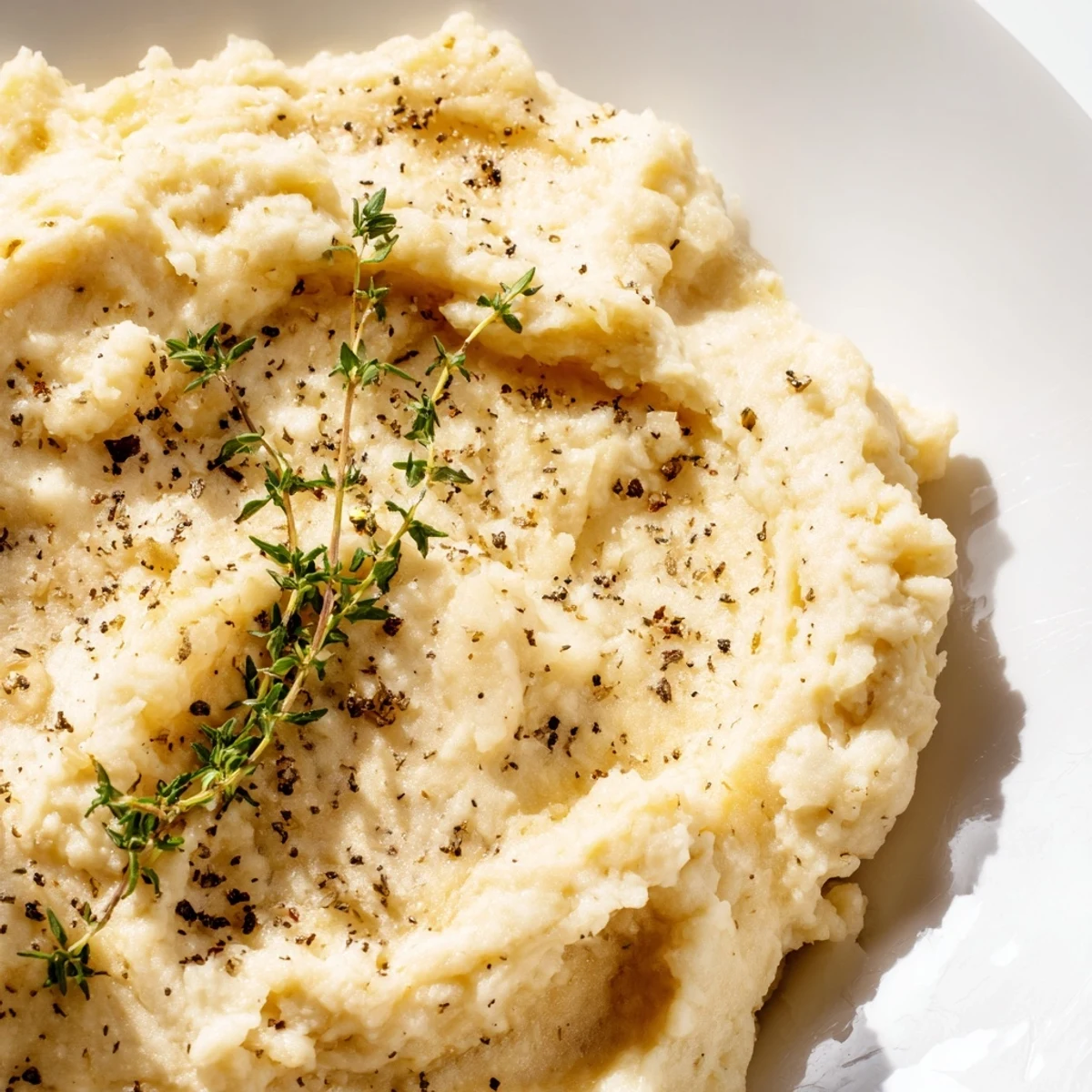
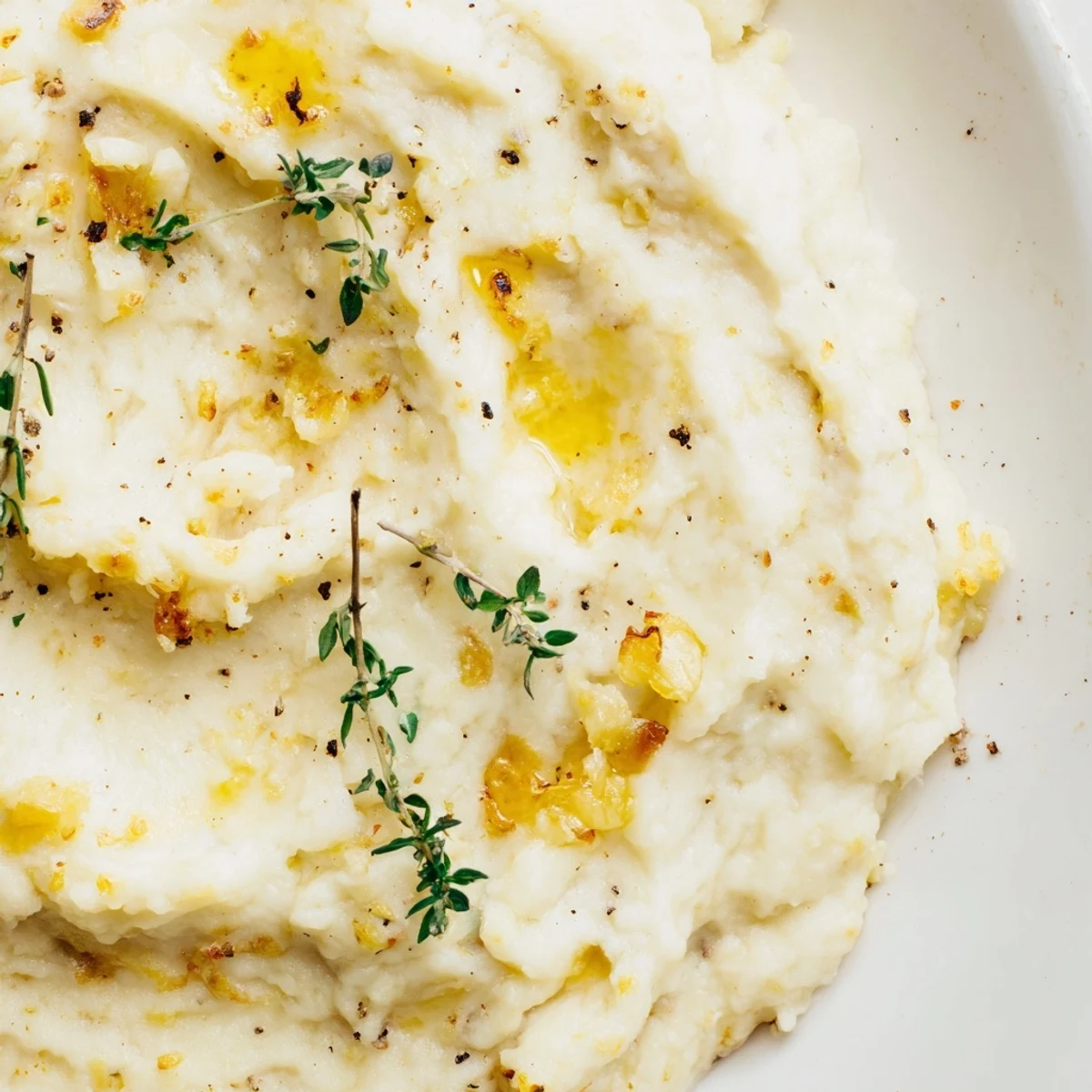
 This dish offers a creamy, flavorful mash highlighting roasted celeriac and Yukon Gold potatoes. Roasting the vegetables with olive oil, fresh thyme, garlic, salt, and pepper creates a golden, aromatic base. After roasting, the vegetables are mashed with butter and warm milk until smooth, delivering a rich yet light texture. It suits vegetarian and gluten-free diets and pairs well with a variety of mains, adding a comforting and fragrant boost to your meal.
I discovered celeriac mash by accident, really—my usual potato supplier had run out, and there was this gnarly root vegetable sitting alone at the market. Something about its pale flesh and earthy promise made me curious. The first time I roasted it with thyme and butter, the whole kitchen filled with this warm, slightly sweet aroma that made me forget I was improvising. Now it's become the side dish I reach for when I want something that feels both comforting and a little bit special.
I made this for a dinner party last winter when the weather turned cold, and watching my guests take that first spoonful—the slight pause, then a smile—told me something had clicked. One person asked what made it taste so different from regular mashed potatoes, and I realized that most home cooks have never even tried celeriac. It became this little secret that night, something I kept making because it always drew the same delighted curiosity.
Ingredients
- Celeriac: The star here—choose one that feels heavy for its size and has no soft spots, as those indicate age and bitterness creeping in.
- Yukon Gold potatoes: Their natural creaminess balances the earthiness of the celeriac, and they break down smoothly without becoming gluey.
- Fresh thyme: If you're using dried, halve the amount, as it concentrates more intensely when roasted.
- Olive oil: Don't skip this step or use a neutral oil—the olive oil carries the flavor and creates that golden, slightly caramelized edge on the vegetables.
- Butter and milk: Whole milk gives you silky texture; if you want richness, use cream instead, but honestly, the butter does most of the heavy lifting here.
- Garlic cloves: Smash them whole rather than mincing; they infuse the vegetables as they roast, then come out cleanly without burning.
Instructions
- Get your vegetables ready:
- Cut the celeriac into roughly 2 cm cubes—smaller than you might think, because it's denser than potato and needs time to soften. The potatoes can be a bit larger.
- Coat and spread:
- Toss everything on the baking tray with olive oil, thyme, smashed garlic, salt, and pepper, making sure each piece gets a light coating. A single layer matters; crowding the pan steams rather than roasts them.
- Roast until golden:
- Into a 200°C oven they go for 35–40 minutes. You'll know they're ready when the edges caramelize slightly and a fork slides through the celeriac easily—there should be no resistance.
- Remove the garlic:
- Once everything cools just enough to handle, fish out those garlic cloves and discard them; they've given their all.
- Mash into creaminess:
- Transfer to a bowl, add your warm milk and butter, and mash or mix until the texture is smooth. If using a hand mixer, be gentle—you want creamy, not gluey.
- Taste and finish:
- Season again with salt and pepper, as roasting concentrates flavors and you might need more than you expect. Serve immediately while it's still hot and fluffy.
 Pin This
 There's a quiet satisfaction in serving something your guests have never encountered before, especially when it becomes a regular request after that first time. This mash has moved beyond being a side dish in my kitchen—it's become the thing I make when I want to remind myself why I love cooking.
Why This Pairing Works
Celeriac mash pairs beautifully with rich proteins because its subtle sweetness and earthiness don't compete for attention, they complement. Roasted meats, mushroom ragout, or even a simple herb-crusted fish all shine when this is on the plate beside them. The thyme bridges everything together, creating a cohesive flavor story without dominating.
Making It Your Own
This is one of those recipes where small additions feel natural and never out of place. A squeeze of lemon juice at the end brightens the whole dish and cuts through the richness in the best way. Some people add a pinch of nutmeg, which feels almost heretical until you taste it, then suddenly it makes perfect sense. Even a handful of crispy sage or a touch of horseradish can transform it depending on what you're serving alongside.
Storage and Reheating
This mash keeps beautifully in the fridge for up to three days, and reheats gently on the stovetop with a splash of milk to restore its creamy texture. It also freezes well if you want to make extra and save it for a busier week. The flavor actually deepens slightly after a day or two, so leftovers are never an afterthought.
- Reheat gently over medium heat, stirring often so the bottom doesn't stick or scorch.
- If it feels stiff when cold, adding just a tablespoon of milk at a time brings it back to life.
- Freeze in portions if you're thinking ahead, and thaw overnight in the fridge before reheating.
 Pin This
 This is the kind of dish that sneaks into your regular rotation and somehow becomes essential. Once you've made it, you'll find yourself thinking of it whenever you need a side that feels both simple and thoughtful.
Recipe FAQs
- → Can I use dried thyme instead of fresh?
-
Yes, dried thyme works well. Use about one-third the amount of fresh thyme to maintain balanced flavor.
- → What can I substitute for whole milk?
-
Plant-based milks like almond or oat milk provide a creamy texture while keeping the dish vegan-friendly.
- → How do I ensure the mash is smooth and creamy?
-
Roast the vegetables until tender and mash them using a potato masher or hand mixer, then add warm milk and butter gradually.
- → Can I prepare this mash ahead of time?
-
Yes, store covered in the fridge and gently reheat with a splash of milk to restore creaminess.
- → What dishes pair best with this mash?
-
It pairs wonderfully with roasted meats, grilled vegetables, or hearty vegetarian mains.