
 Pin This
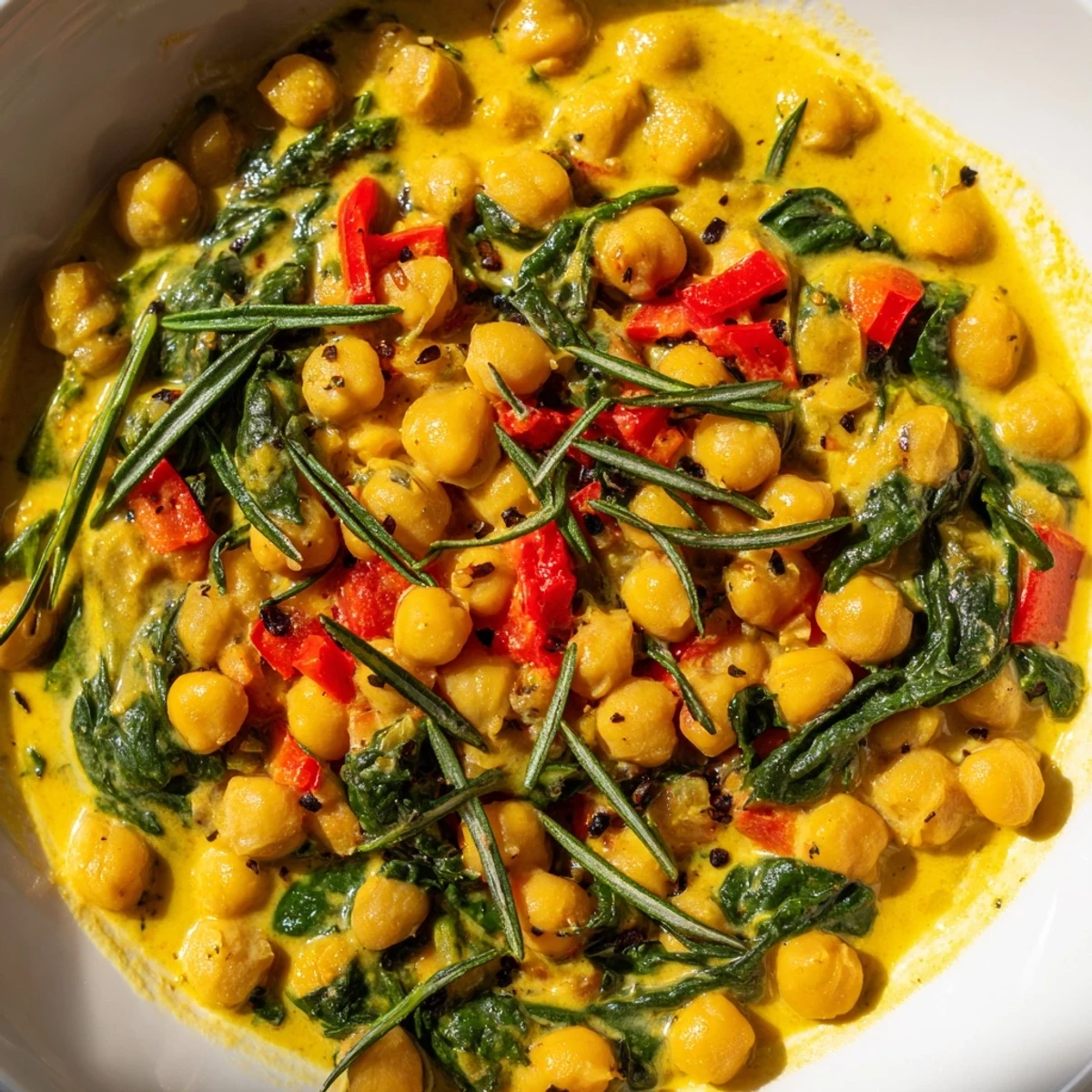
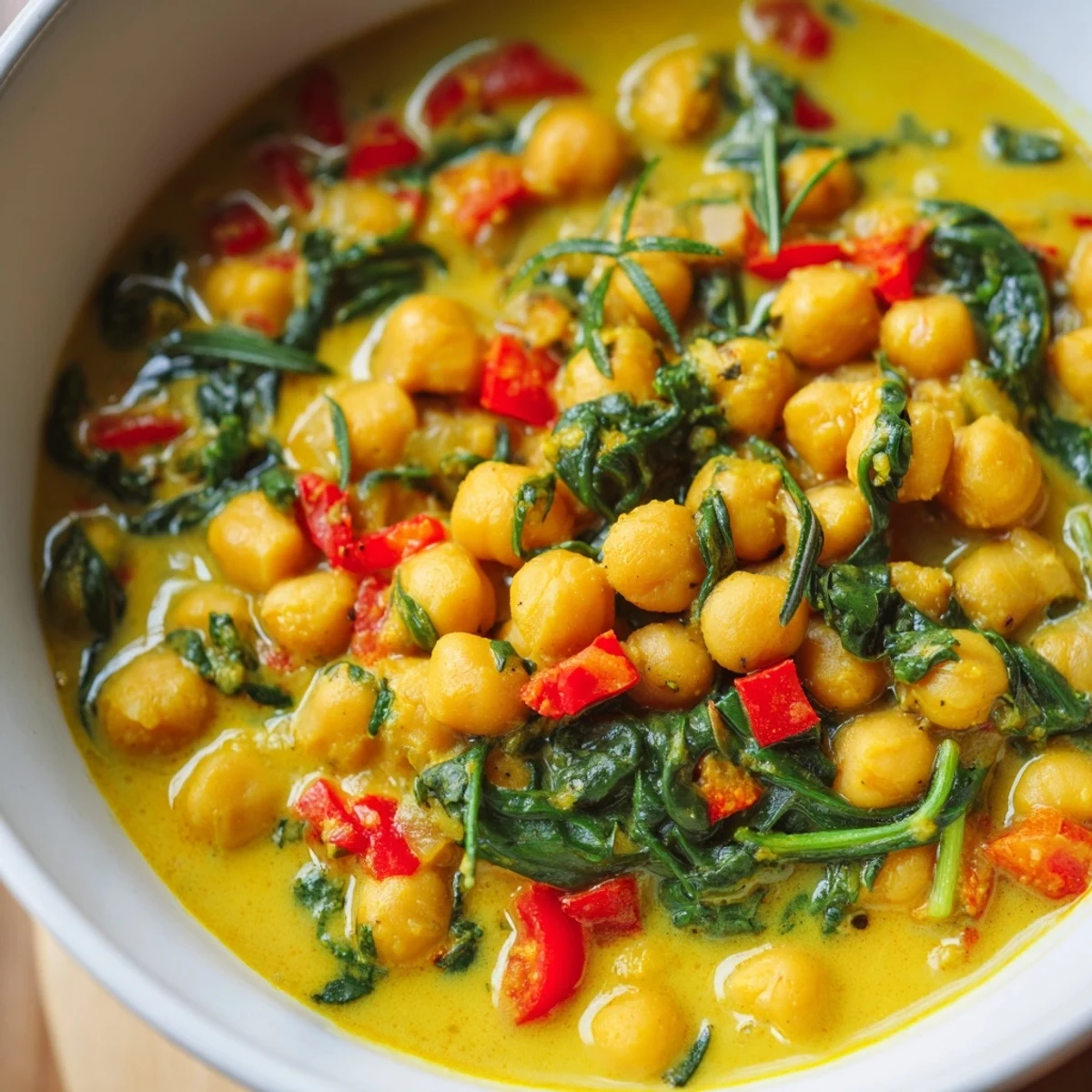
 This colorful skillet combines tender chickpeas with aromatic rosemary and golden turmeric to create a warm, flavorful dish. Fresh vegetables like onion, garlic, and red bell pepper build a savory base, while spices such as cumin and smoked paprika add depth. Simmered gently with vegetable broth and finished with lemon juice and spinach, this meal delivers both vibrant taste and wholesome nutrition, suitable for vegetarians and gluten-free diets.
One Tuesday evening, I stood at my stove with a handful of fresh rosemary and an almost-empty pantry, determined to turn a couple of cans of chickpeas into something worth talking about. The moment I added the turmeric to the warm oil, the kitchen filled with this golden, almost intoxicating warmth that seemed to settle into every corner. My roommate walked in mid-cook and asked what I was making, and honestly, I wasn't entirely sure until the flavors came together and suddenly it was undeniably dinner. That dish taught me that the most satisfying meals sometimes come from necessity rather than planning.
I made this for a small dinner party where one guest mentioned being newly vegetarian and slightly anxious about it. Watching them clean their plate and ask for the recipe felt like a small victory, not just for the dish itself, but for showing them that vegetarian cooking could be this straightforward and genuinely delicious. That's when I realized this wasn't just an easy weeknight meal—it was something that could quietly change how people thought about what they ate.
Ingredients
- Yellow onion: The foundation of flavor here, and the first thing that hits the oil—it mellows and sweetens as it softens, creating the base everything else builds on.
- Garlic: Just two cloves, but don't skip mincing them finely; they dissolve into the oil and become almost invisible while making everything taste deeper.
- Red bell pepper: Choose one that's firm and glossy; it adds sweetness and brightness without overpowering the earthier spices.
- Baby spinach: This goes in last on purpose, just long enough to wilt but not so long that it loses its character and turns to mush.
- Chickpeas: Make sure to rinse them well under cold water—this removes excess sodium and starch, so they stay individual and tender rather than turning into paste.
- Fresh rosemary: If you have access to it, fresh is genuinely worth seeking out; dried works, but fresh brings a brightness that feels almost peppery in the best way.
- Ground turmeric: The star spice here, warming and slightly bitter, but don't use more than a teaspoon or it can become overwhelming and a little medicinal.
- Ground cumin: This adds earthiness and works with the turmeric to create a flavor profile that feels intentional rather than random.
- Smoked paprika: A small amount adds a subtle depth and color without making the dish taste smoky in an obvious way.
- Chili flakes: Completely optional, but a pinch transforms this from warm to warming in a way that's hard to describe until you taste it.
- Olive oil: Use something you actually like; this is early enough in the cooking that its flavor matters.
- Vegetable broth: Low-sodium is key so you can control the salt yourself; this brief simmer is where the flavors truly become friends with each other.
- Lemon juice: The final brightness that ties everything together, preventing the dish from feeling one-note or heavy.
Instructions
- Warm your oil and start with onion:
- Pour the olive oil into a large skillet over medium heat and let it warm until it shimmers slightly. Add your finely chopped onion and let it cook undisturbed for the first minute or so, then stir occasionally—you're looking for it to become translucent and just barely golden at the edges, which takes about 3 minutes.
- Build your aromatics:
- Add the minced garlic and diced red bell pepper to the softened onion, stirring occasionally as they cook together for about 4 minutes. You'll notice the kitchen beginning to smell noticeably better; that's how you know the vegetables are releasing their sweetness.
- Bloom your spices:
- Stir in the fresh rosemary, turmeric, cumin, smoked paprika, and chili flakes if you're using them, and sauté for just about 1 minute. This brief cooking time allows the spices to release their essential oils into the warm oil, creating an almost perfumed base that's far more flavorful than if you'd just thrown them in dry with the chickpeas.
- Bring in the chickpeas and broth:
- Add your drained chickpeas to the skillet along with the vegetable broth, season generously with salt and freshly ground black pepper, and stir everything together. Let this simmer uncovered for about 10 minutes, stirring occasionally—the broth will reduce slightly, and the flavors will begin to truly meld together into something cohesive.
- Wilt in the spinach:
- Add your chopped spinach to the skillet and stir it in gently; it will look like far too much at first, but within 2 to 3 minutes it will collapse into the dish. Taste it at this point and see if you're happy with the seasoning.
- Finish with brightness:
- Squeeze in the juice from half a lemon, stir gently, and taste again—adjust salt and pepper as needed. The lemon should taste bright without tasting distinctly lemony; if you can taste individual citrus, you've added too much.
- Plate and garnish:
- Spoon this warm, golden skillet into bowls or onto plates, scatter fresh parsley over the top if you have it, and serve with lemon wedges alongside. Some people squeeze extra lemon directly into their bowl; others don't, and both are completely valid.
 Pin This
 I've made this dish on countless weeknights when I'm tired but still want something that feels like I actually cooked, and somewhere along the way it became the meal I make when I want to prove to myself that simple ingredients and a little care can create something genuinely satisfying. There's something grounding about standing over a single skillet, watching separate flavors slowly become one, knowing that dinner is practically inevitable.
The Magic of Fresh Rosemary
Fresh rosemary brings something to this dish that dried simply cannot replicate—a kind of peppery clarity that makes you suddenly aware of how much flavor a single herb can carry. If you can find fresh rosemary at your market, it's worth the small extra effort to chop it finely and add it early, because it transforms what could be a straightforward spiced chickpea situation into something that feels more intentional and complete. That said, dried rosemary absolutely works if that's what you have; just use half the amount and don't expect quite the same brightness.
Serving and Pairing Ideas
This skillet is genuinely complete on its own, but it becomes something even more satisfying when served alongside something sturdy—crusty bread for soaking up the broth, warm quinoa or rice for making it more substantial, or even tucked into a piece of whole grain flatbread if you're looking for something you can hold in your hand. Some people serve it in bowls with a small dollop of coconut yogurt on top, which adds richness without compromising the vegetarian nature of the dish. The lemon wedges on the side let everyone adjust the brightness to their own preference, which feels like a small kindness.
Variations That Keep Things Interesting
The beauty of this recipe is that it welcomes small changes based on what's in your kitchen or what you're craving that day. If spinach doesn't appeal to you, kale or Swiss chard will work beautifully and add a slightly earthier note; if you have access to fresh herbs beyond rosemary, fresh thyme or oregano can swap in seamlessly. For extra richness on days when you're not being strictly dairy-free, a small spoonful of plain yogurt stirred in at the very end creates a subtle creaminess, and a handful of pomegranate seeds or a splash of balsamic vinegar can add unexpected depth and brightness.
- If you prefer more heat, add an extra quarter teaspoon of chili flakes or a pinch of cayenne pepper rather than dumping in a whole extra teaspoon.
- A handful of toasted pine nuts or chopped almonds stirred in at the very end adds texture and richness without changing the fundamental character of the dish.
- Make this a day ahead and reheat it gently; somehow it tastes even better the next day as the flavors continue to get to know each other.
 Pin This
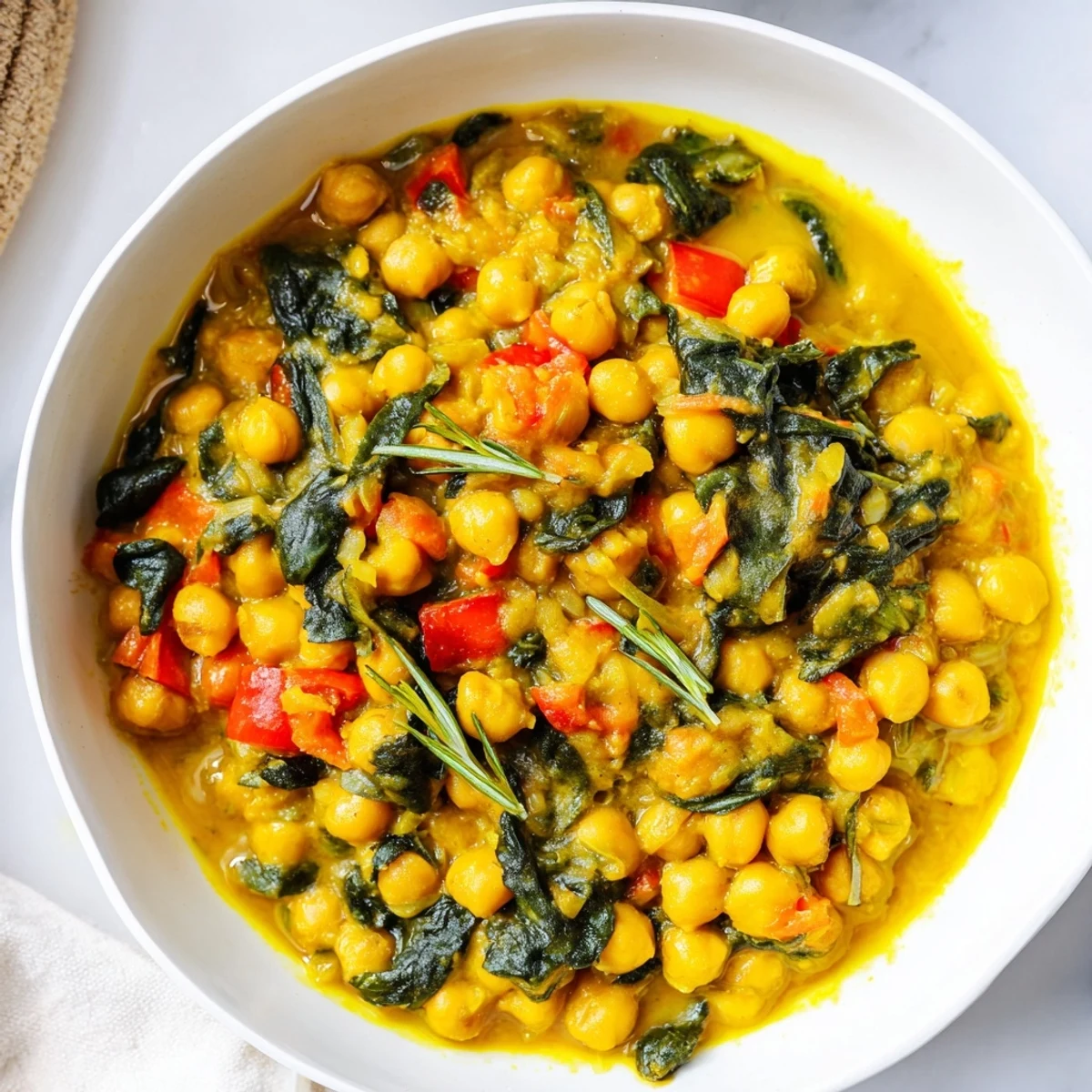
 This skillet has become one of those recipes I turn to when I need something warming and grounding, something that proves you don't need complexity to create real comfort on a plate. It's taught me that the best meals often come from respecting simple ingredients and giving them time to become something greater than themselves.
Recipe FAQs
- → Can I substitute spinach with other greens?
-
Yes, kale or Swiss chard work well as alternatives to spinach, offering similar texture and nutrition.
- → How do I enhance the creaminess without dairy?
-
Stirring in coconut yogurt before serving adds richness while keeping the dish dairy-free.
- → Is the turmeric flavor strong in this dish?
-
The turmeric provides a warm, earthy undertone that complements the herbs and spices without overpowering.
- → What sides pair best with this skillet?
-
Crusty gluten-free bread, rice, or quinoa make excellent accompaniments for a complete meal.
- → Can I prepare this skillet in advance?
-
Yes, it reheats well and flavors deepen after resting overnight in the refrigerator.