
 Pin This
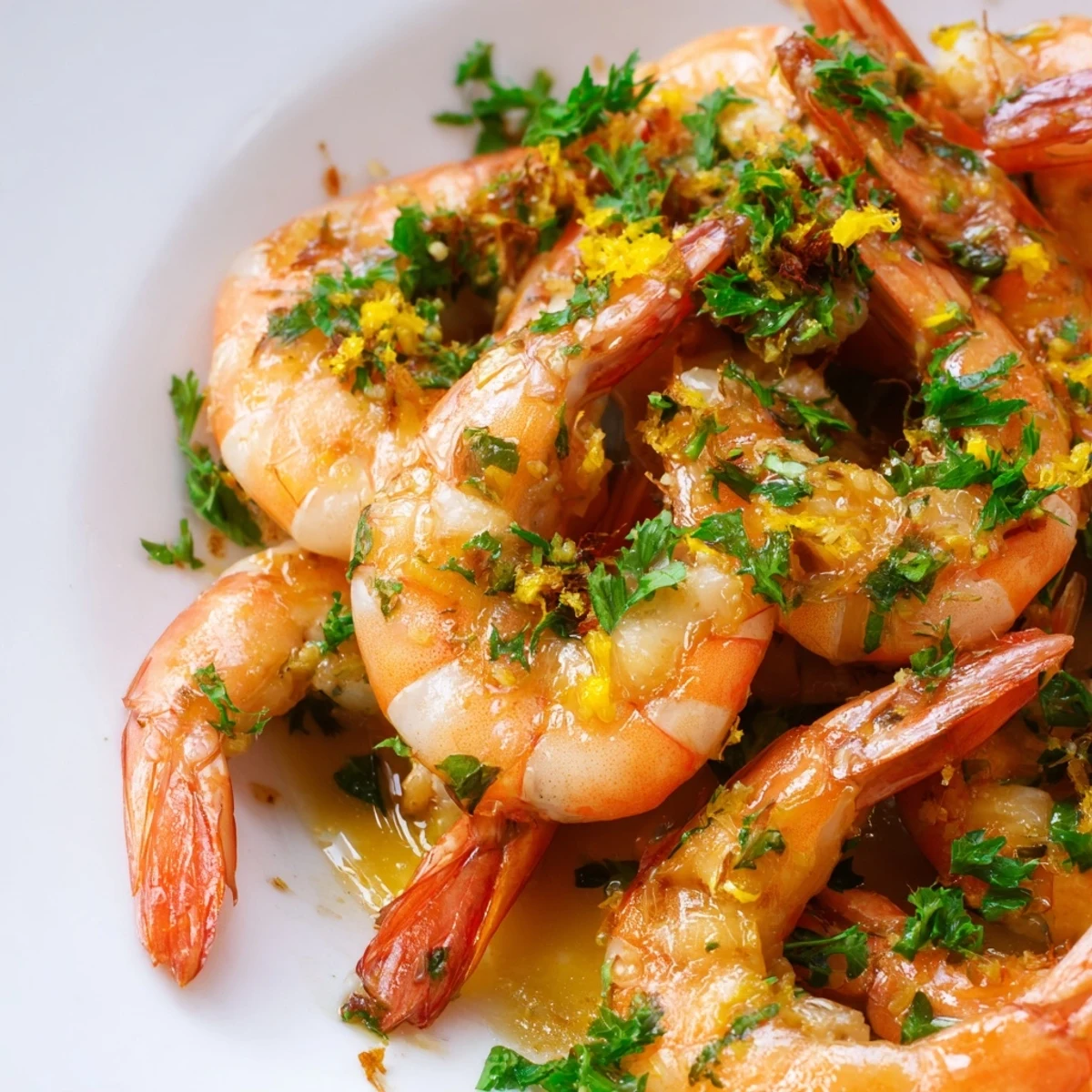
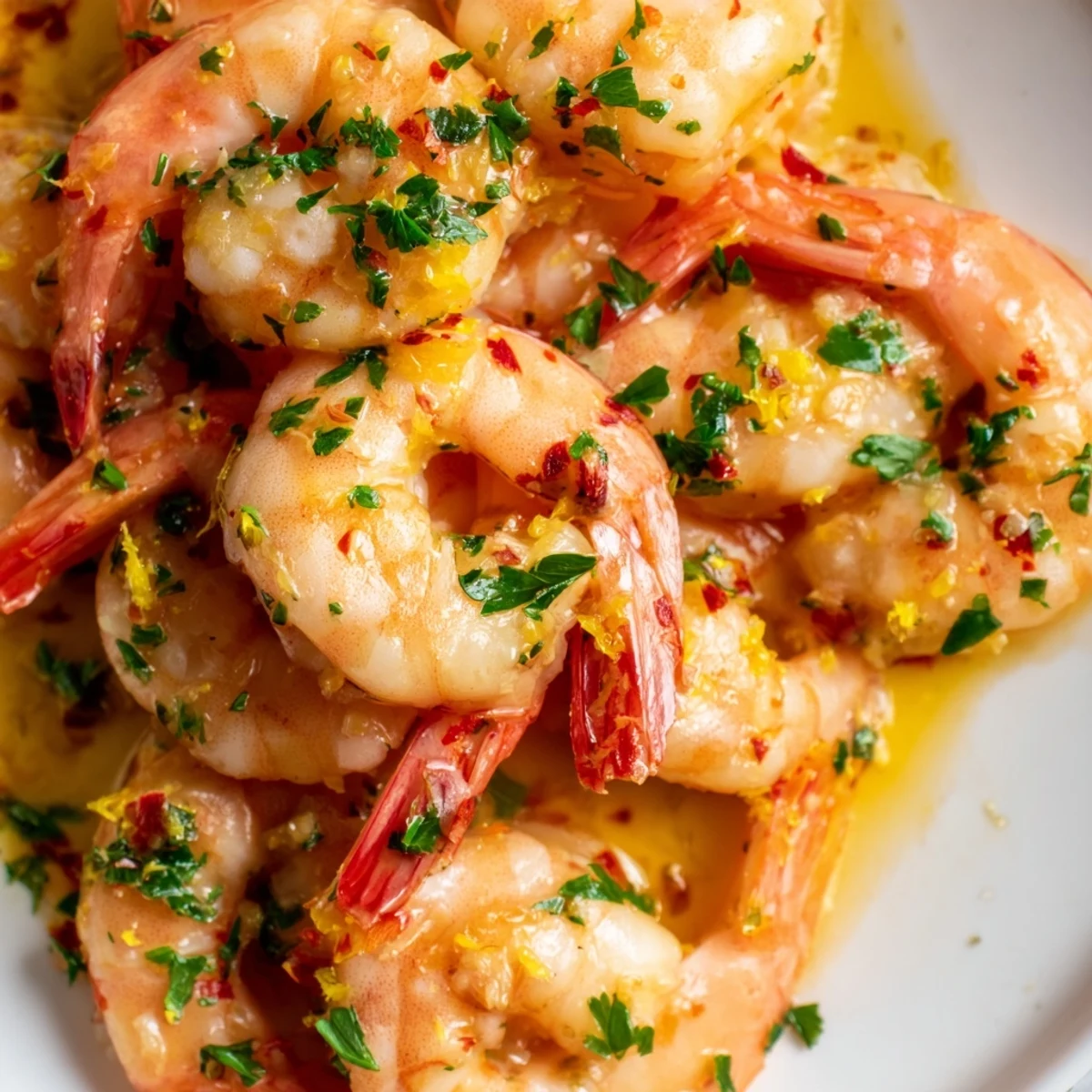
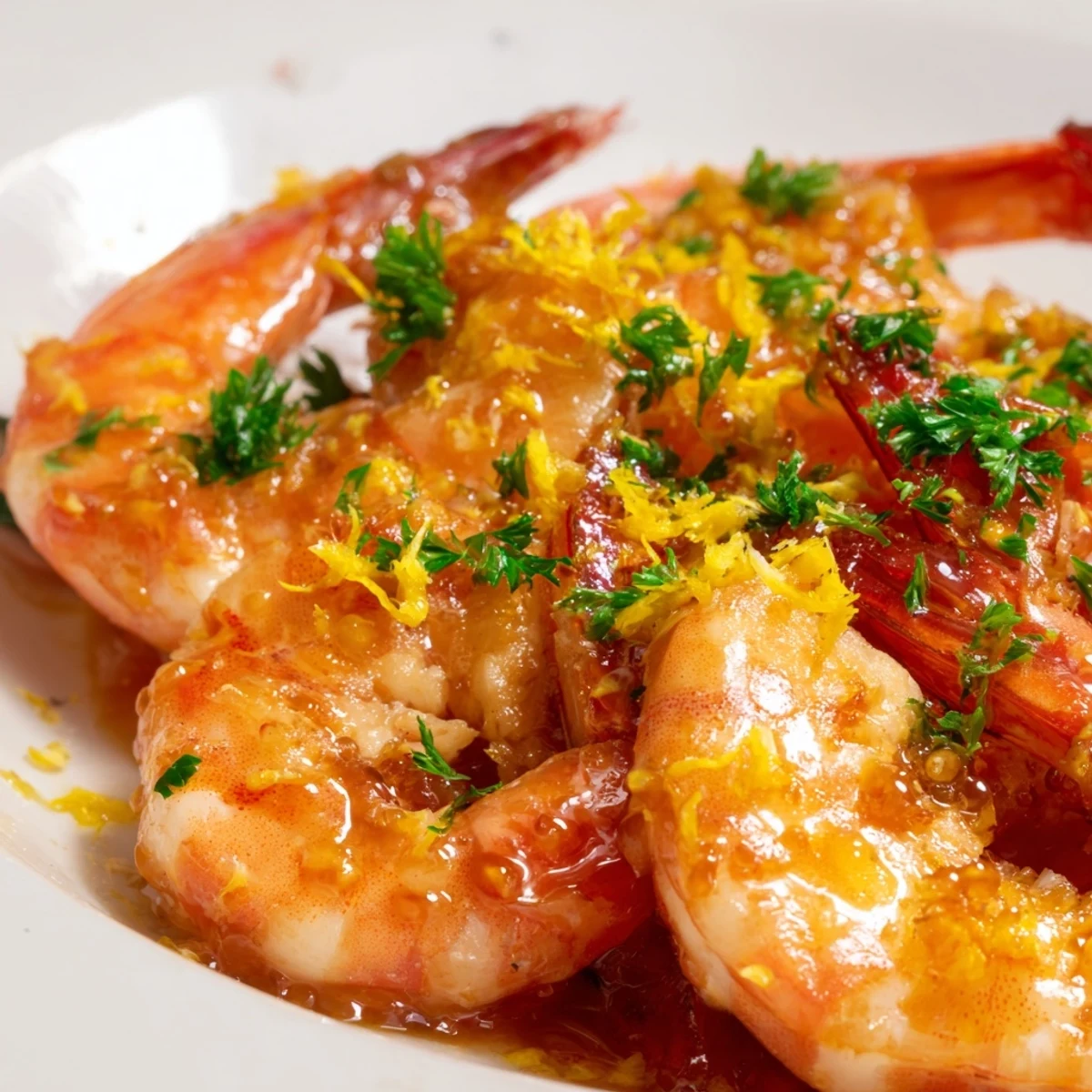
 This dish brings together succulent shrimp sautéed in a fragrant glaze made from saffron and honey, enhanced by smoky paprika and fresh lemon zest. The shrimp are marinated in olive oil, garlic, and lemon juice before being seared to perfection in butter. The glaze is gently simmered to thicken and coat the shrimp, then garnished with fresh parsley and served with lemon wedges. Ideal served alongside rice or crusty bread to soak up the vibrant sauce.
There's something about the smell of saffron hitting hot butter that stops you mid-thought. I discovered this dish by accident one evening when I had beautiful shrimp waiting and a tiny jar of saffron threads I'd been too nervous to use. The honey and smokiness came next, almost instinctively, and what emerged was elegantly simple but tasted like I'd spent hours planning it. Sometimes the best meals arrive this way, unscripted and golden.
I made this for someone who claimed they didn't like seafood, just to prove a point. Within three bites, they were quiet, the kind of quiet that means they're tasting something their mouth hasn't decided on yet. By the end of the plate, they asked for the recipe. That moment—when food dissolves skepticism—is why I keep coming back to this one.
Ingredients
- Large shrimp, peeled and deveined (500 g): Larger shrimp cook more evenly and stay tender if you don't overdo it; they also look more impressive on the plate.
- Olive oil (2 tbsp): Use a good quality one for the marinade since its flavor matters here.
- Smoked paprika (1/2 tsp for marinade, 1/2 tsp for glaze): The smokiness is what makes people ask what that subtle depth is; don't skip it or use regular paprika.
- Ground black pepper (1/4 tsp): Freshly ground tastes noticeably better if you have a mill.
- Sea salt (1/2 tsp): A light hand here—the glaze will add more seasoning as it reduces.
- Garlic clove, minced (1): Fresh garlic mingles with the saffron in a way that powder never quite achieves.
- Lemon juice (from 1/2 lemon): Fresh juice only; bottled changes the whole character of the dish.
- Saffron threads (1/4 tsp): This is the star ingredient—steep it properly and it blooms; rush it and it stays dusty.
- Hot water (2 tbsp): Use water hot enough to steep the saffron, around 70–80°C.
- Honey (2 tbsp): Raw honey has a slightly deeper flavor, but any good honey works.
- Unsalted butter (1 tbsp): Unsalted lets you control the salt; salted butter can push you over the edge.
- Lemon zest (from 1 lemon): Use a microplane for the finest zest, which disperses through the glaze more smoothly.
- Fresh parsley, chopped (2 tbsp): The green is half the presentation; don't think of it as optional.
- Lemon wedges, for serving: Let people squeeze fresh lemon at the table—it brings everything back to life.
Instructions
- Steep the saffron:
- Pour hot water over the saffron threads in a small bowl and let them sit for 5 minutes. Watch them bleed their golden color into the water—that's how you know they're releasing. If you rush this, the glaze will taste flat.
- Prepare the shrimp:
- Toss the peeled shrimp with olive oil, smoked paprika, pepper, salt, minced garlic, and lemon juice in a medium bowl. This 10-minute wait matters; the flavors cling to the shrimp rather than sliding off in the pan.
- Cook the shrimp:
- Melt butter in a skillet over medium-high heat until it foams, then add the marinated shrimp. Sauté 2–3 minutes per side until they turn from translucent to opaque pink—the moment they lose their raw look is when you flip them. Overcook by 30 seconds and they toughen; undercook and they taste raw.
- Build the glaze:
- Lower the heat to medium and pour in the steeped saffron water with its threads, the honey, remaining smoked paprika, and lemon zest. Stir gently so the shrimp turn in the glaze, and let it bubble and thicken for about 2 minutes. You'll see it go from thin to glossy; that's your sign it's ready.
- Finish and serve:
- Take the skillet off the heat, scatter the chopped parsley over the top, and bring it straight to the table with lemon wedges on the side. The heat keeps the glaze loose and glossy; letting it sit cools it down and makes it stick.
 Pin This
 The first time someone asked me to explain why this dish felt special, I couldn't quite put it into words—then I realized it wasn't the individual ingredients, it was how they played together. The saffron whispers underneath, the smoke hovers like a secret, and the honey ties it all in a bow that feels too luxurious for a weeknight. That's when a recipe stops being instruction and becomes something you want to repeat.
Why Saffron and Smoke Were Made for Each Other
In most kitchens, saffron and smoked paprika live in separate territories. But here, saffron's floral, almost perfumed quality softens the paprika's intensity, and together they create something that tastes neither traditional nor strange—just gracefully in between. The honey bridges them further, sweet enough to make both feel rounded rather than harsh. Once you taste how these three work, you start noticing their balance in other dishes too.
Timing and Temperature: The Quiet Skills
This recipe only has five steps, but each one has a temperature window where it performs best. Shrimp especially are forgiving only if you're paying attention; the difference between perfectly cooked and rubbery is about 45 seconds. With the glaze, medium heat lets it thicken without breaking, while medium-high for the shrimp ensures they get a light sear on the outside while staying tender within. These aren't complicated techniques, just small details that separate good from memorable.
Serving and Pairing Ideas
This glaze is too good to waste, so serve the shrimp with something to soak it up—creamy rice, fluffy couscous, or thick slices of crusty bread work beautifully. The acidity from lemon and the richness of the glaze also pair well with white wines that have a bit of body, or even a crisp rosé if you want something lighter. Leftovers are incredible cold the next day over greens, though honestly, there rarely are any.
- Spread a little of the glaze on warm flatbread with arugula for next-day lunch magic.
- If you have extra glaze, drizzle it over roasted vegetables or grilled fish another night.
- The parsley garnish isn't just decoration—it cuts the richness and freshens every bite.
 Pin This
 There's a reason this dish appears on tables without much fanfare but with a lot of satisfaction—it feels special without being complicated. Make it once and it becomes one of those recipes you return to when you want to feel like you're cooking well.
Recipe FAQs
- → What gives the glaze its smoky flavor?
-
The smoky flavor comes from smoked paprika, which adds a warm, subtle heat to the honey-saffron glaze.
- → How should the saffron be prepared for this dish?
-
Saffron threads are steeped in hot water for 5 minutes to release their color and aroma before being added to the glaze.
- → Can I substitute the butter used in cooking?
-
Yes, a dairy-free or plant-based butter can be used to keep the dish dairy-free without compromising flavor.
- → What sides pair well with this shrimp skillet?
-
Rice, couscous, or crusty bread are excellent choices to accompany the shrimp and to soak up the flavorful glaze.
- → How do I ensure the shrimp cooks perfectly?
-
Cook the shrimp for 2-3 minutes per side over medium-high heat until just pink and opaque to avoid overcooking.