
 Pin This
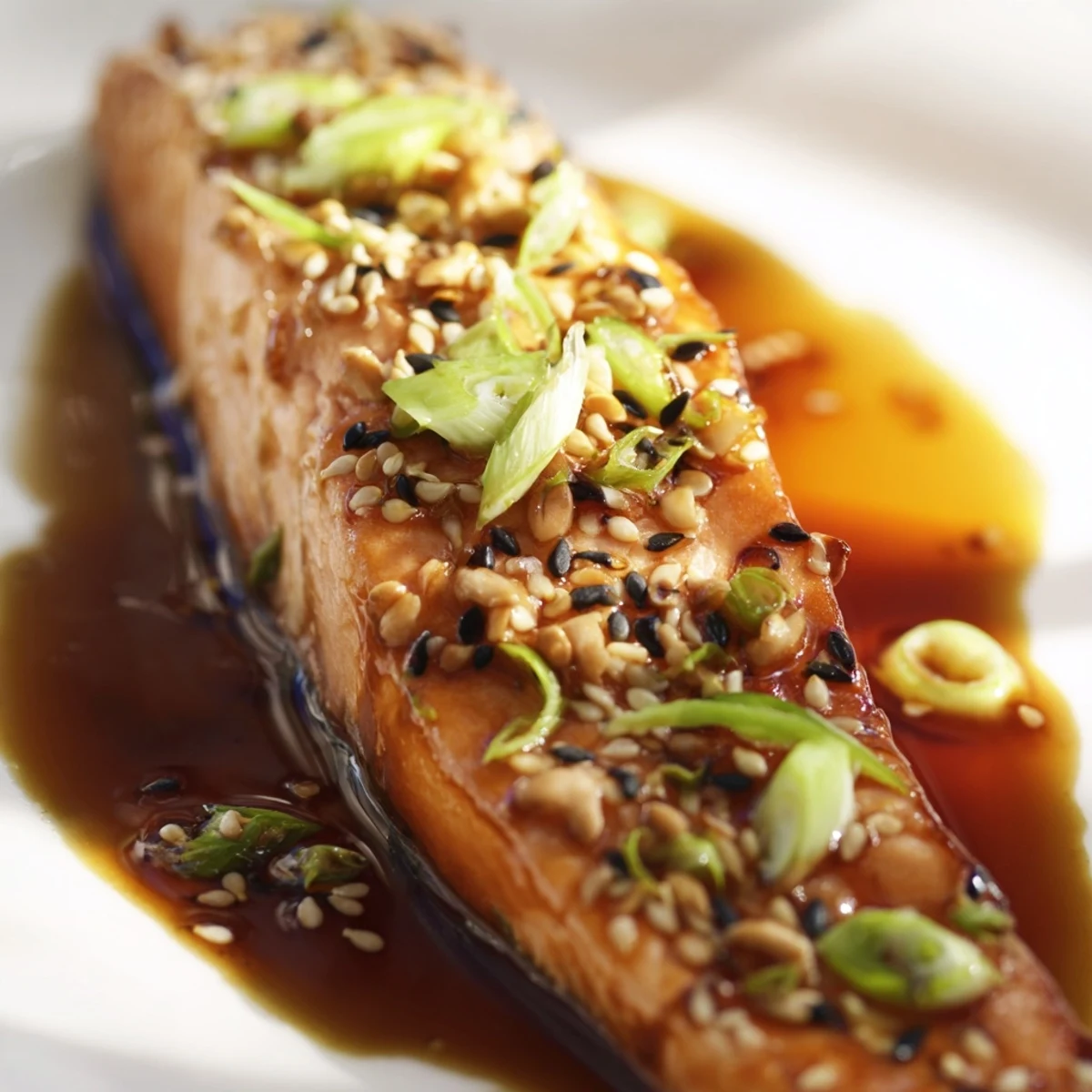
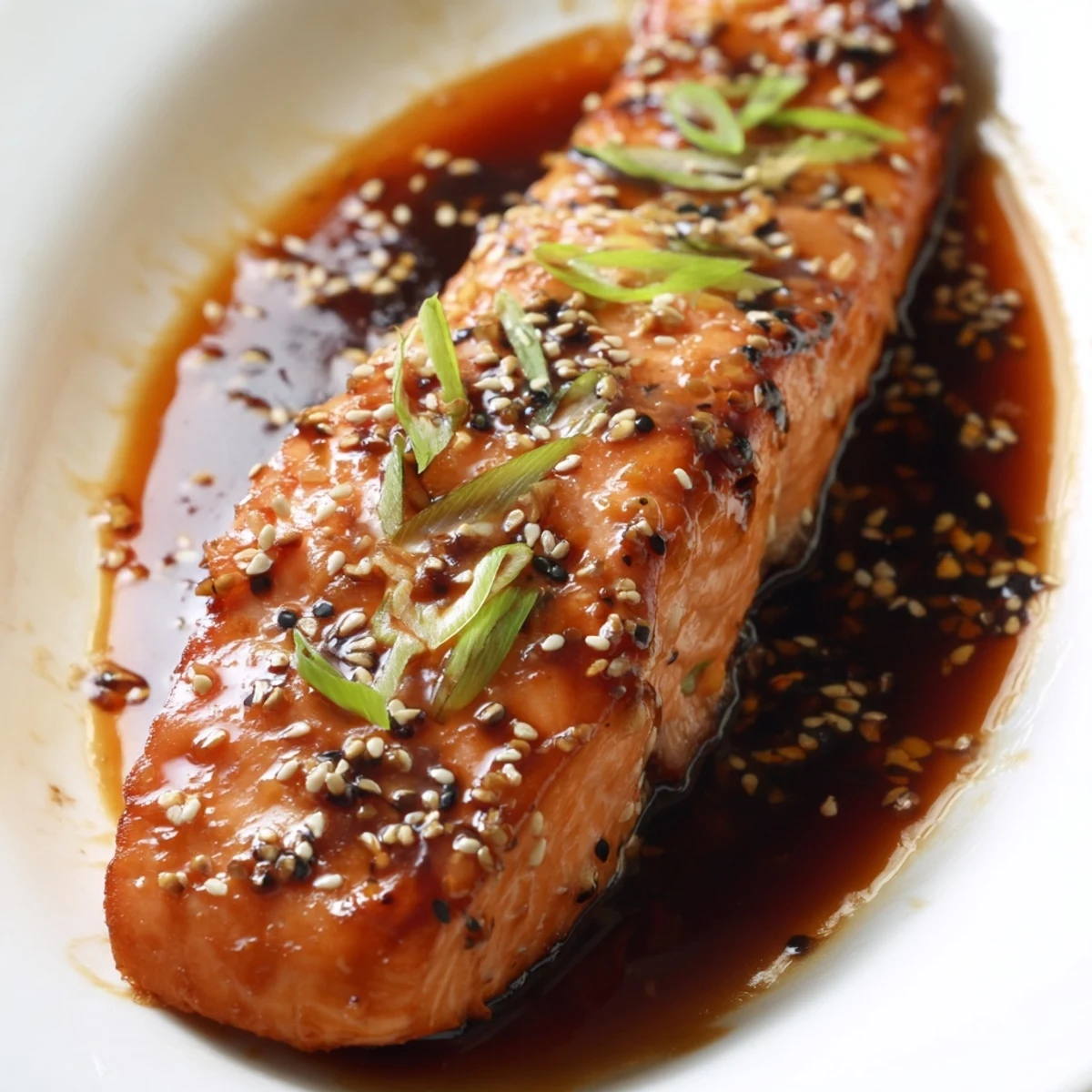
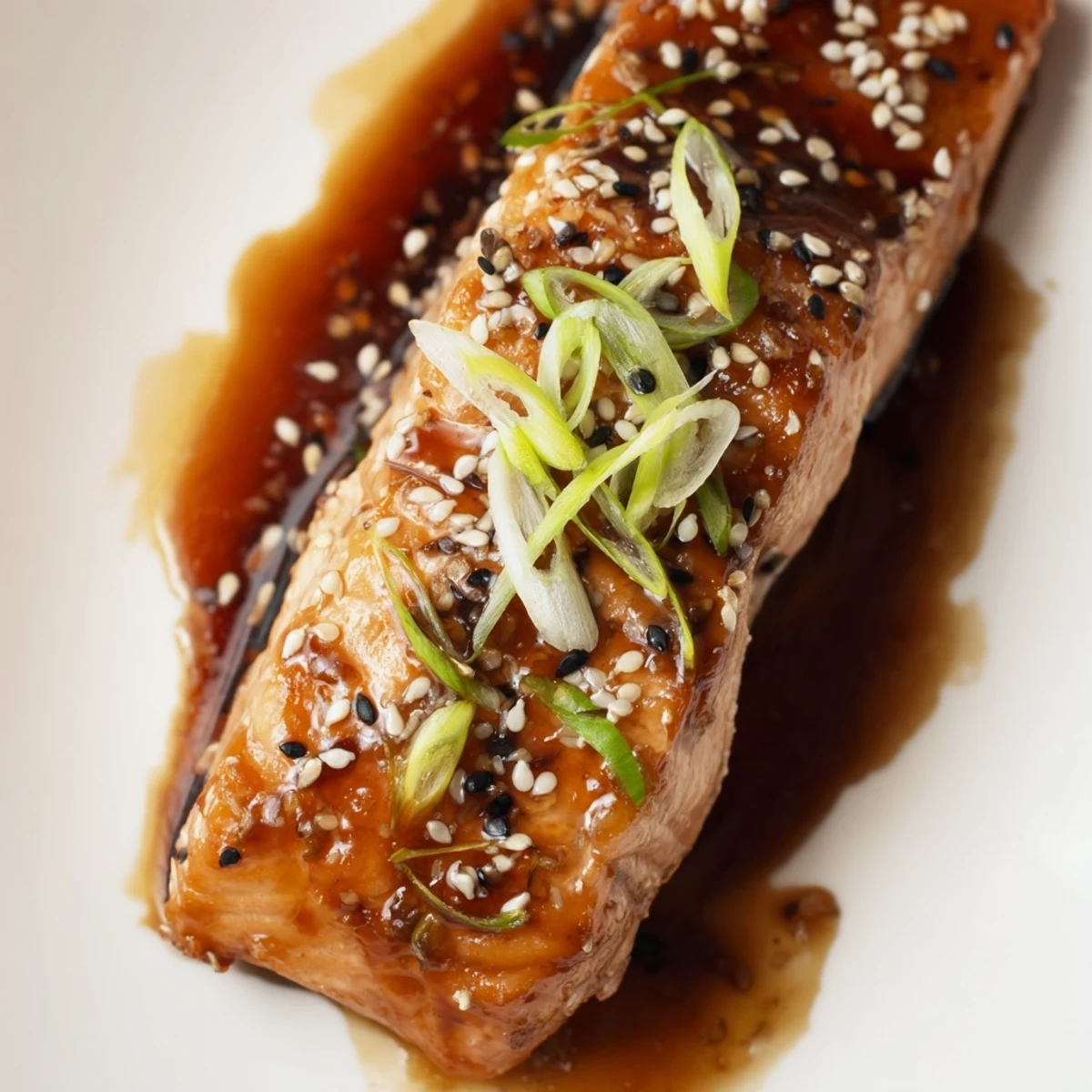
 This salmon features a vibrant glaze made from sake, fresh orange juice, honey, and cinnamon, offering a perfect balance of sweet, tangy, and warming flavors. The fish is oven-baked until flaky and tender, then finished with a caramelized glaze and garnished with toasted sesame seeds and citrus wedges for freshness. Ideal for a quick yet flavorful dinner.
The first time I glazed salmon with sake, I wasn't thinking about Japanese tradition or fusion cooking—I was just standing in my kitchen on a Tuesday evening, holding a bottle of sake my friend had left behind, wondering what to do with four beautiful salmon fillets. The combination of that warm alcohol, bright citrus, and an unexpected pinch of cinnamon felt like it was meant to happen, and the moment I tasted it, I understood why this dish has stayed in my regular rotation ever since.
I remember serving this to friends who claimed they didn't really eat much fish, and watching their faces when they took that first bite—there was genuine surprise followed by immediate quiet satisfaction as they went back for more. That's when I knew this recipe wasn't just good, it was the kind of dish that changes minds.
Ingredients
- Salmon fillets: Look for fillets that are uniform in thickness so they cook evenly; about 170 grams each is the sweet spot for this glaze-to-fish ratio.
- Sake: Use something you'd actually drink—it makes a real difference in the final flavor.
- Fresh orange juice: Bottled works in a pinch, but fresh-squeezed gives the glaze a brighter, more alive quality.
- Soy sauce: This is your umami anchor, grounding all the sweetness and citrus.
- Honey and brown sugar: Together they create a glaze that's glossy without being cloying; the brown sugar adds a subtle molasses depth.
- Fresh ginger: Grate it right before you use it so you capture all those sharp, spicy oils.
- Ground cinnamon: A half teaspoon is all you need—it's there as a whisper, not a shout.
- Citrus zests: This is where the brightness lives; zest generously and don't hold back.
- Spring onion and sesame seeds: These finish the dish with texture and a fresh, nutty contrast to the warm glaze.
Instructions
- Make the glaze:
- Combine sake, orange juice, soy sauce, honey, brown sugar, ginger, cinnamon, and both zests in a small saucepan. Watch as it comes to a gentle simmer—you'll smell the cinnamon and citrus dancing together, which is how you know it's working. Let it bubble away for 6 to 8 minutes until it's reduced by about half and coats the back of a spoon; this is when it goes from liquid to glossy magic.
- Prepare your oven:
- Heat your oven to 200°C (400°F) or get your broiler ready on medium-high. A few minutes of preheating makes all the difference for even cooking.
- Ready the salmon:
- Lay your fillets skin-side down on a parchment-lined baking tray and season lightly with salt and pepper. Parchment paper is your friend here—it prevents sticking and makes cleanup effortless.
- Glaze and bake:
- Brush the salmon generously with your glaze, saving some for later basting. Slide the tray into the oven and bake for 10 to 12 minutes until the salmon flakes easily and is cooked through but still moist in the center.
- Finish strong:
- If you want that caramelized, glossy exterior, brush the salmon once more and place it under the broiler for just 1 to 2 minutes—watch it closely so it doesn't burn. Transfer to plates and drizzle with the remaining glaze while it's still warm.
- Garnish:
- Top with thinly sliced spring onion, toasted sesame seeds, and a wedge of lemon or orange for brightness and texture.
 Pin This
 There was an evening when my neighbor smelled this cooking through the shared wall and knocked on my door asking what that incredible aroma was. I ended up plating an extra portion, and something shifted—suddenly I wasn't just cooking for myself anymore, and food felt like its real purpose: bringing people closer.
Why This Glaze Works So Well
The magic here is in how the ingredients talk to each other. Sake brings a subtle sweetness and alcohol that burns off, leaving behind a silky richness that other glazes can't quite match. The citrus juices keep everything bright and prevent the glaze from becoming heavy, while soy sauce grounds everything in savory depth so the dish never tips into being too sweet. Cinnamon is the unexpected player—just enough to add warmth and intrigue without announcing itself, like a secret joke that only the palate understands.
Pairing and Serving Suggestions
I've learned that what you serve alongside this salmon matters almost as much as the dish itself. Jasmine rice soaks up the glaze like a dream and adds a gentle, floral sweetness that complements the cinnamon beautifully. Steamed greens—anything from bok choy to asparagus—cut through the richness and add a necessary brightness to the plate. For wine or sake pairing, stick with something crisp and chilled; the acidity echoes the citrus in the glaze and keeps your palate refreshed between bites.
Variations and Adaptations
Once you understand how this glaze works, you start seeing possibilities everywhere. I've made it with lime instead of orange for a sharper, more tropical note—wonderful if you're in the mood for something more assertive. For a gluten-free version, swap soy sauce for tamari and you lose nothing; the depth remains exactly the same. Some nights I add a splash of mirin for extra sweetness and gloss, though that's optional and depends on your mood. The beauty of this recipe is that it's flexible enough to follow your instincts while staying true to its character.
- Try white miso paste whisked into the glaze for umami that goes even deeper.
- A splash of rice vinegar at the end adds a subtle tang that brightens everything.
- Toasted nori strips scattered on top bring a savory ocean note if you want to lean into the Japanese influences more.
 Pin This
 This salmon has become my go-to when I want to cook something that feels special without the fuss, something that makes your kitchen smell like a moment worth remembering. It's the kind of meal that turns an ordinary evening into something worth talking about.
Recipe FAQs
- → What type of salmon is best for this dish?
-
Fresh, skin-on salmon fillets about 6 oz each work best to hold moisture during baking.
- → Can I substitute the sake in the glaze?
-
Yes, dry white wine or mirin can replace sake for a similar flavor profile.
- → How do I achieve a thick, shiny glaze?
-
Simmer the mixture until reduced by half to concentrate flavors and thicken the glaze.
- → Is the cinnamon flavor strong in this preparation?
-
The ground cinnamon adds a subtle warmth that complements the citrus without overpowering.
- → What sides pair well with this salmon?
-
Steamed greens, jasmine rice, or a crisp salad balance the dish nicely.
- → Can I make this gluten-free?
-
Use tamari instead of soy sauce to keep the glaze gluten-free.