
 Pin This
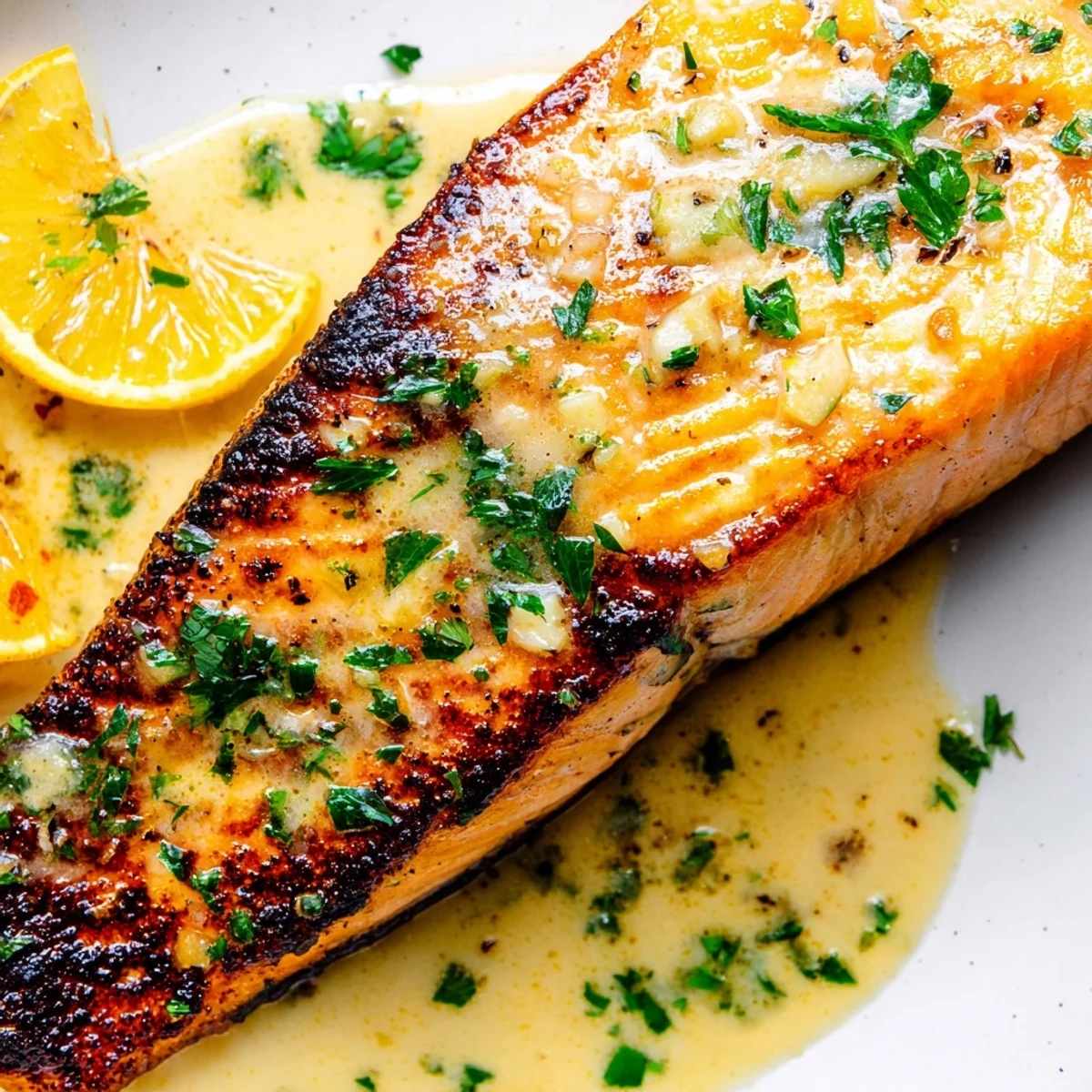
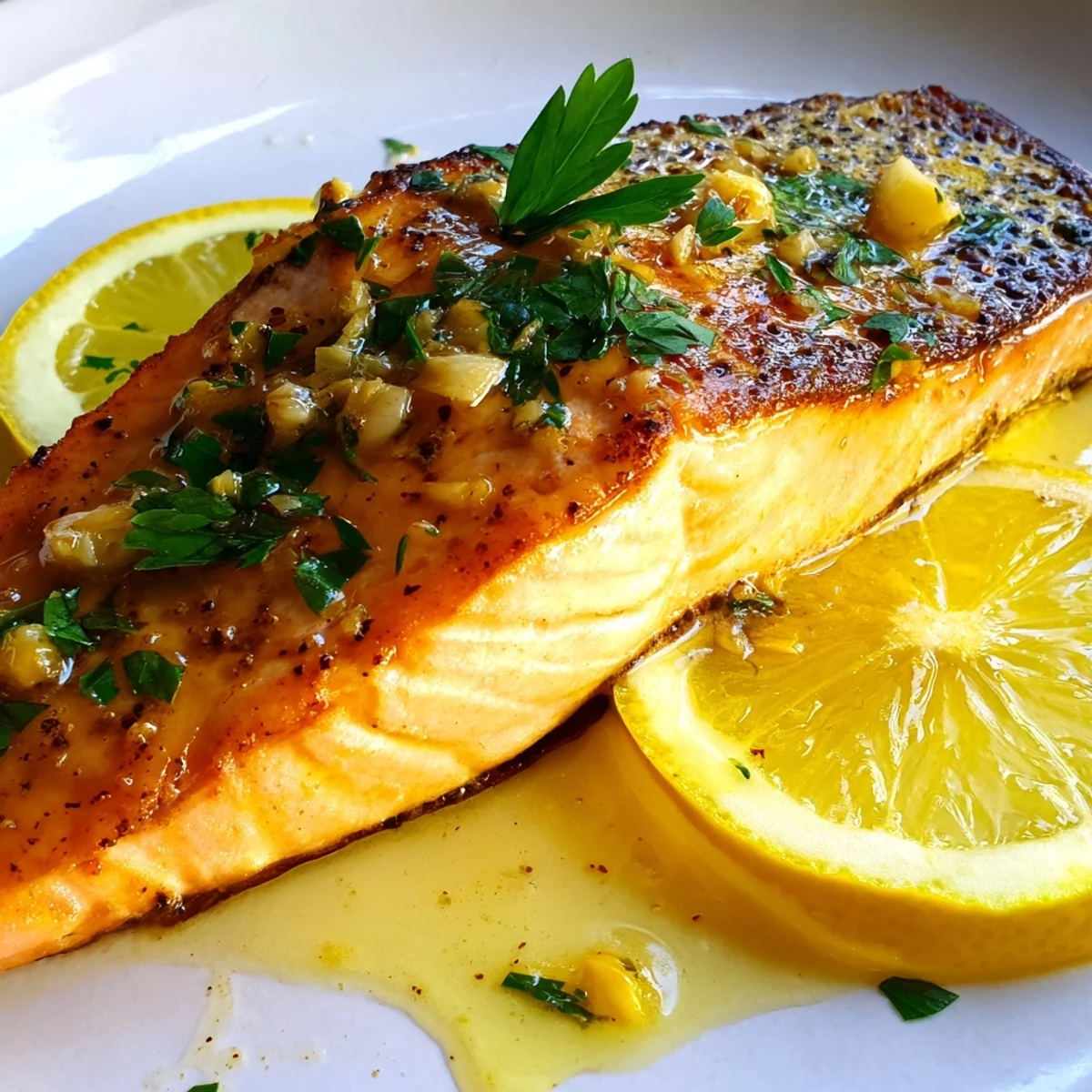
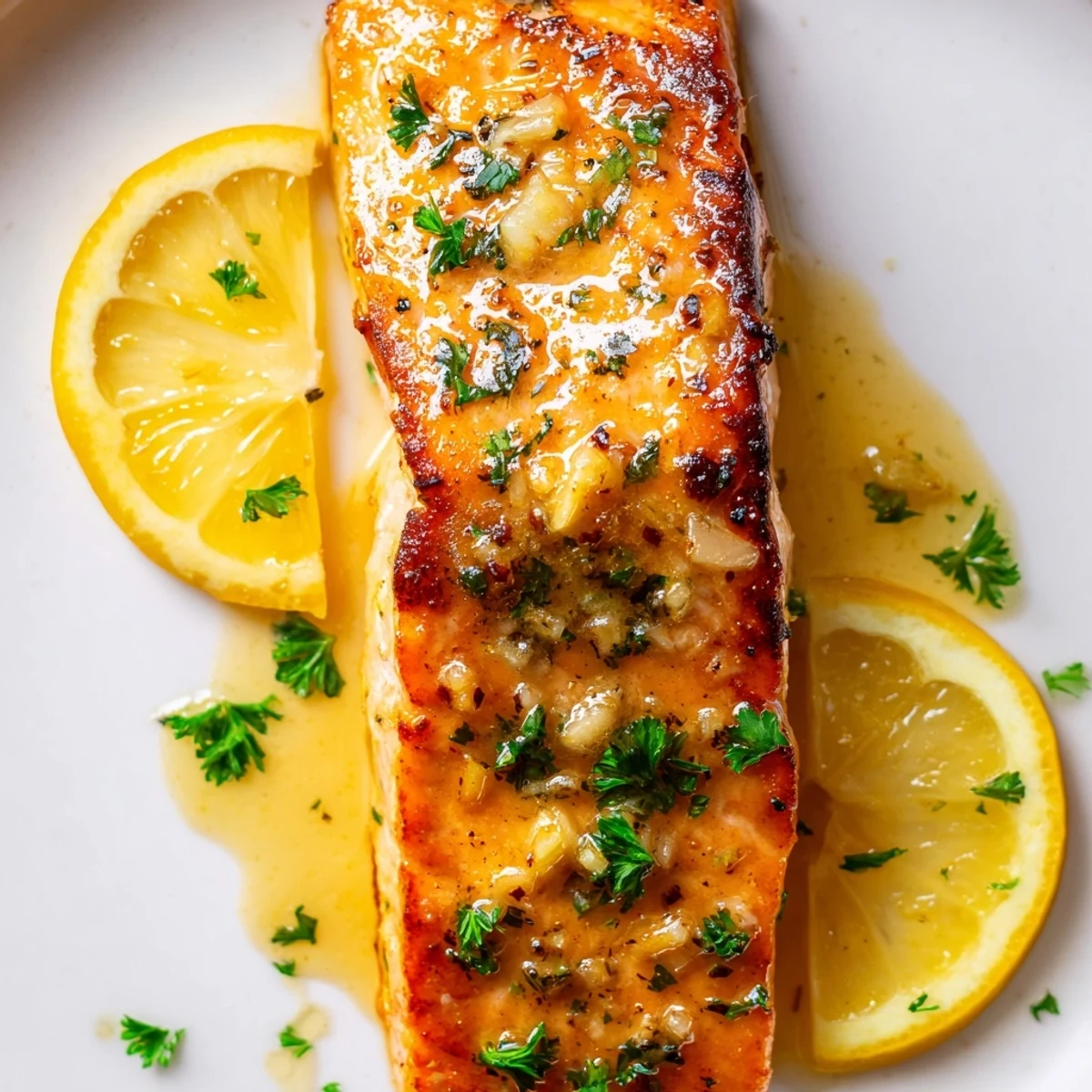
 This elegant seared salmon features crispy skin and tender, flaky flesh finished with a bright lemon butter sauce. The process is straightforward: season and sear the fillets skin-side down until golden, then build a quick pan sauce with garlic, fresh lemon juice, and butter. Perfect for weeknight dinners or entertaining guests.
The first time I tried making seared salmon at home, I was terrified of overcooking it. Standing in my kitchen, watching that beautiful pink fillet hit the hot pan with its satisfying sizzle, I realized cooking fish wasn't the intimidating process I'd built it up to be. The aroma of butter and lemon mingling in the air as I nervously flipped that first fillet changed everything for me.
Last summer during a weekend at the lake, I made this salmon for friends as the sun was setting over the water. We were all sunburned and hungry, and I remember the kitchen window open letting in a breeze while everyone crowded around watching me flip the fillets. Someone popped open a bottle of chilled wine, and even though we ended up eating on paper plates on the dock, it felt like the most perfect meal.
Ingredients
- Skin-on salmon fillets: The skin acts as a protective barrier, keeping the delicate fish moist while providing that incredible crispy texture that makes this dish special.
- Fresh lemon: After burning through countless bottles of pre-squeezed juice, I learned that the oils in fresh lemon zest make all the difference in bringing brightness to the dish.
- Unsalted butter: Using unsalted lets you control exactly how salty your final sauce becomes, which I discovered after a particularly over-salted disaster early on.
- Fresh parsley: Beyond just a pretty garnish, it cuts through the richness of the butter and adds a subtle peppery freshness that dried herbs simply cant match.
Instructions
- Prep your fillets:
- Pat those beautiful salmon pieces completely dry with paper towels, getting them as moisture-free as possible. Season both sides generously, letting the salt, pepper and garlic powder cling to the surface.
- Create the perfect sear:
- Get your pan properly hot before adding the oil, then place the fillets skin-side down with confidence. Press gently with a spatula to ensure the skin makes full contact with the hot surface, listening for that satisfying sizzle.
- Master the flip:
- After about 4 minutes when the skin is crispy and golden, carefully flip each fillet. The second side needs just 2-3 minutes until the center is barely translucent.
- Build your sauce:
- In that same flavor-filled pan, let butter melt and bubble slightly before adding garlic. When the kitchen fills with that amazing garlic aroma, add your lemon zest and juice, scraping up all those wonderful browned bits from the bottom.
- Bring it all together:
- Spoon that glorious lemon butter sauce directly over the salmon, letting it cascade down the sides. Finish with a shower of fresh parsley and extra lemon slices for both beauty and brightness.
 Pin This
 My partner, who claimed to hate fish entirely, reluctantly tried a bite of this salmon during our second date and immediately asked for seconds. It became our Friday night tradition for nearly a year, and even now, years later, whenever I make it, we exchange knowing glances about that night and how this simple dish somehow became part of our story.
Finding the Perfect Salmon
After chatting with my fishmonger one rainy Tuesday, I learned to look for salmon with firm, translucent flesh and skin that appears silver and clean. The fillets should be evenly colored with no browning at the edges and smell fresh like the sea, never fishy. When possible, wild-caught offers more flavor than farmed, though good quality farmed salmon can be an excellent affordable option.
The Importance of Temperature
I spent months wondering why restaurant salmon had that perfect medium center while mine always seemed overcooked. The breakthrough came when a chef friend explained the concept of carryover cooking and suggested removing salmon from heat when the center registers 120°F for perfectly cooked salmon at serving time. That single temperature tip transformed my relationship with cooking fish entirely.
Serving Suggestions
This salmon creates an instant dinner party when served over a bed of lemony risotto or alongside roasted asparagus that hits the oven just as you start cooking the fish.
- For a lighter option, serve atop a salad of peppery arugula dressed simply with olive oil and lemon.
- Leftover cold salmon makes an incredible addition to a grain bowl with quinoa, avocado, and a drizzle of yogurt sauce the next day.
- Remember to reserve any extra sauce from the pan to drizzle over side dishes for cohesive flavor.
 Pin This
 This seared lemon salmon reminds me that sometimes the simplest preparations let truly good ingredients shine. Its become my go-to proof that impressive cooking doesnt always require complicated techniques or obscure ingredients.
Recipe FAQs
- → How do I get crispy salmon skin?
-
Pat the fillets completely dry with paper towels before searing. Start with skin-side down in a hot skillet with oil, and press gently for the first minute. Keep the heat at medium-high to allow the skin to crisp without burning.
- → Can I prepare this ahead of time?
-
You can prepare ingredients in advance—mince garlic, zest and juice the lemon, and chop parsley. However, cook the salmon fresh for best texture. The sauce comes together in minutes once the fish is seared.
- → What's the best way to tell when salmon is cooked through?
-
The salmon is done when it flakes easily with a fork and the flesh is opaque but still moist inside. This typically takes 6-7 minutes total cooking time. Avoid overcooking, as it dries out the delicate fish.
- → Can I substitute the butter in the sauce?
-
Yes. For a dairy-free version, replace butter with additional olive oil or ghee. Avocado oil also works well and adds a subtle richness to the lemon sauce.
- → What sides pair well with this dish?
-
Steamed asparagus, green beans, or broccoli complement the richness beautifully. For heartier sides, serve with roasted potatoes, rice pilaf, or a fresh garden salad. A chilled Sauvignon Blanc pairs wonderfully.
- → How do I remove pin bones from salmon?
-
Use clean tweezers or needle-nose pliers to grasp each pin bone and pull at a slight angle, following the direction they lie in the fillet. Feel with your fingers first to locate them, then pull firmly and steadily.