
 Pin This
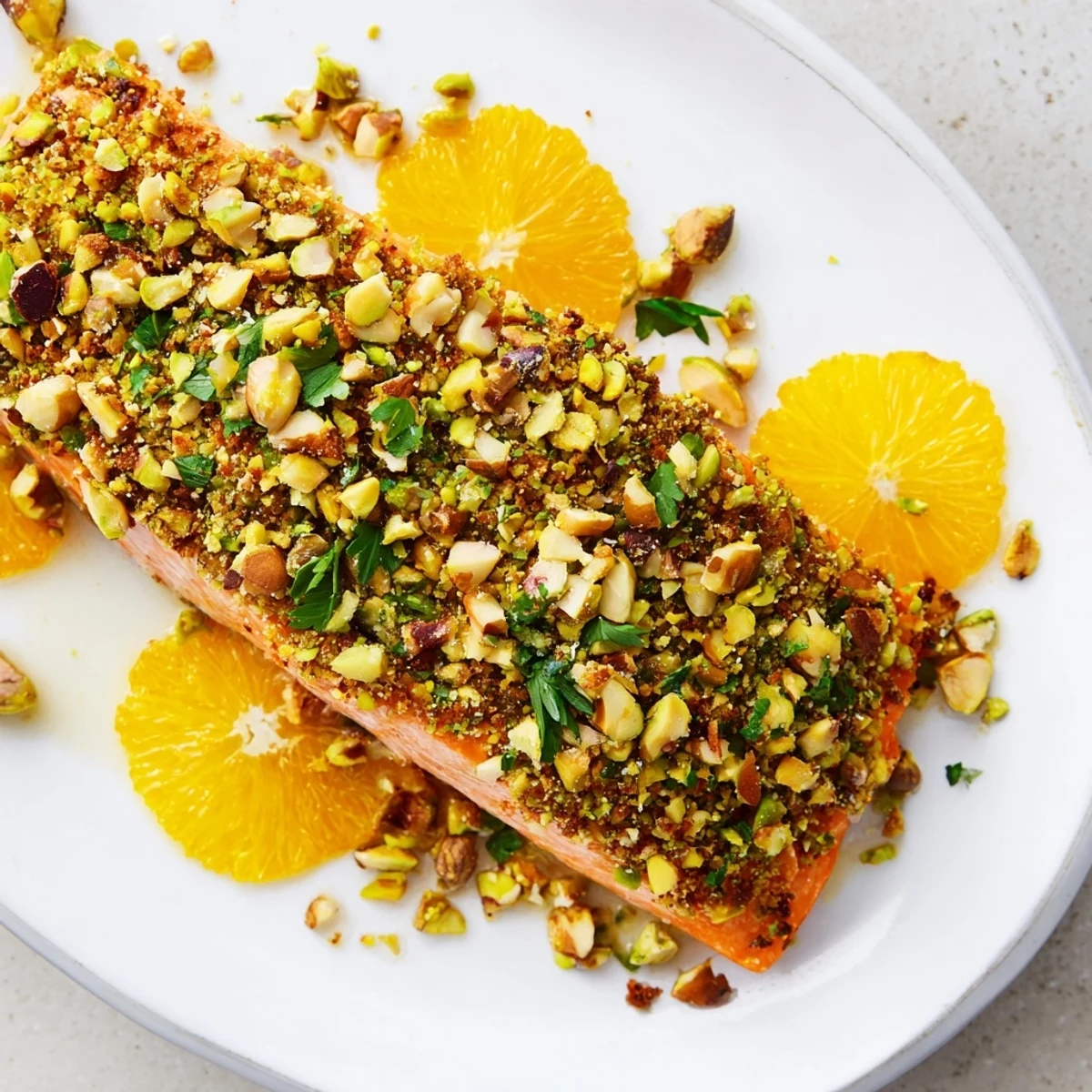
 This dish delivers a vibrant, zesty experience by combining tender salmon fillets with a crunchy, mixed nut crust. The preparation involves marinating the fish in a blend of lemon and orange juices with Dijon mustard before searing it to golden perfection. The result is a light yet satisfying meal that balances rich, nutty flavors with bright, refreshing citrus notes, perfect for a quick modern European dinner.
There's a particular magic that happens when you combine lemon, salmon, and the subtle crunch of toasted nuts—it was a Tuesday evening when I first stumbled onto this combination, completely by accident, after grabbing whatever citrus was left in the fruit bowl and some hazelnuts from the pantry. The kitchen filled with this warm, nutty aroma as the crust started to caramelize in the pan, and I realized I'd discovered something that felt both elegant and genuinely effortless. That dish has lived in my rotation ever since, not because it's fancy, but because it tastes like something you'd serve to people you actually want to impress.
I made this for my sister once when she was stressed about a presentation, and watching her face light up at the first bite—the way she slowed down and actually tasted it instead of just eating—reminded me that the best meals are the ones that pull people present. No fancy plating needed, just good ingredients treated with respect.
Ingredients
- Salmon fillets (4, about 180 g each): Skin-on holds up better in the pan, but skinless works too if that's your preference—just watch them a touch more carefully so they don't stick.
- Olive oil (2 tbsp): This goes into your marinade base, so use something you'd actually taste, not the cheapest bottle.
- Lemon and orange zest and juice: The zest carries more punch than the juice alone, so don't skip it—that's where the real flavor lives.
- Dijon mustard (1 tbsp): Acts as both flavor and emulsifier, helping the marinade cling to the fish.
- Garlic (2 cloves, minced): Raw garlic in the marinade gives you a subtle bite that grounds all the citrus brightness.
- Mixed nuts (1/3 cup, finely chopped): Almonds, pistachios, or walnuts all work beautifully—or mix them for complexity; chop them fine enough to adhere but not so fine they turn to nut butter.
- Fresh parsley (1 tbsp, chopped): Adds green flecks to your crust and a hint of herbal freshness.
- Sea salt and black pepper: Season generously but taste as you go.
- Lemon wedges and orange segments (for garnish): These aren't just decoration—they brighten the plate and give people a way to add more citrus if they want it.
Instructions
- Start with dry salmon:
- Pat those fillets completely dry with paper towels—moisture is the enemy of a good crust. Season them evenly all over with salt and pepper and let them sit for a minute while you prep everything else.
- Mix your citrus marinade:
- Whisk together olive oil, lemon zest and juice, orange zest and juice, Dijon mustard, and minced garlic in a small bowl until it's well combined and smells absolutely bright. This is your flavor anchor.
- Prepare the nut crust:
- In a separate bowl, combine your finely chopped nuts with fresh parsley. The nut mixture should feel almost sandy—that's what gives you that perfect crunch.
- Coat the salmon:
- Brush each fillet generously with the citrus-mustard marinade on the top side, then press the nut mixture firmly onto that wet surface so it actually adheres. This is where the magic starts—you're building texture.
- Get the pan hot:
- Heat your nonstick skillet over medium-high heat until it's genuinely hot, then add a splash of olive oil. You'll know it's ready when the oil shimmers and moves freely across the pan.
- Sear the crust side first:
- Place the salmon fillets crust-side down in the hot pan and resist the urge to move them—let them sit undisturbed for 2 to 3 minutes so that nut mixture turns golden and releases a toasty, warm fragrance. You'll hear it sizzle gently, which is your cue it's working.
- Flip and finish gently:
- Carefully flip each fillet, reduce the heat to medium, and cook for another 4 to 5 minutes until the salmon flakes easily with a gentle fork and the flesh is opaque all the way through. Don't overcook it—the carryover heat will continue cooking for another minute or two even after you pull it from the pan.
- Rest and plate:
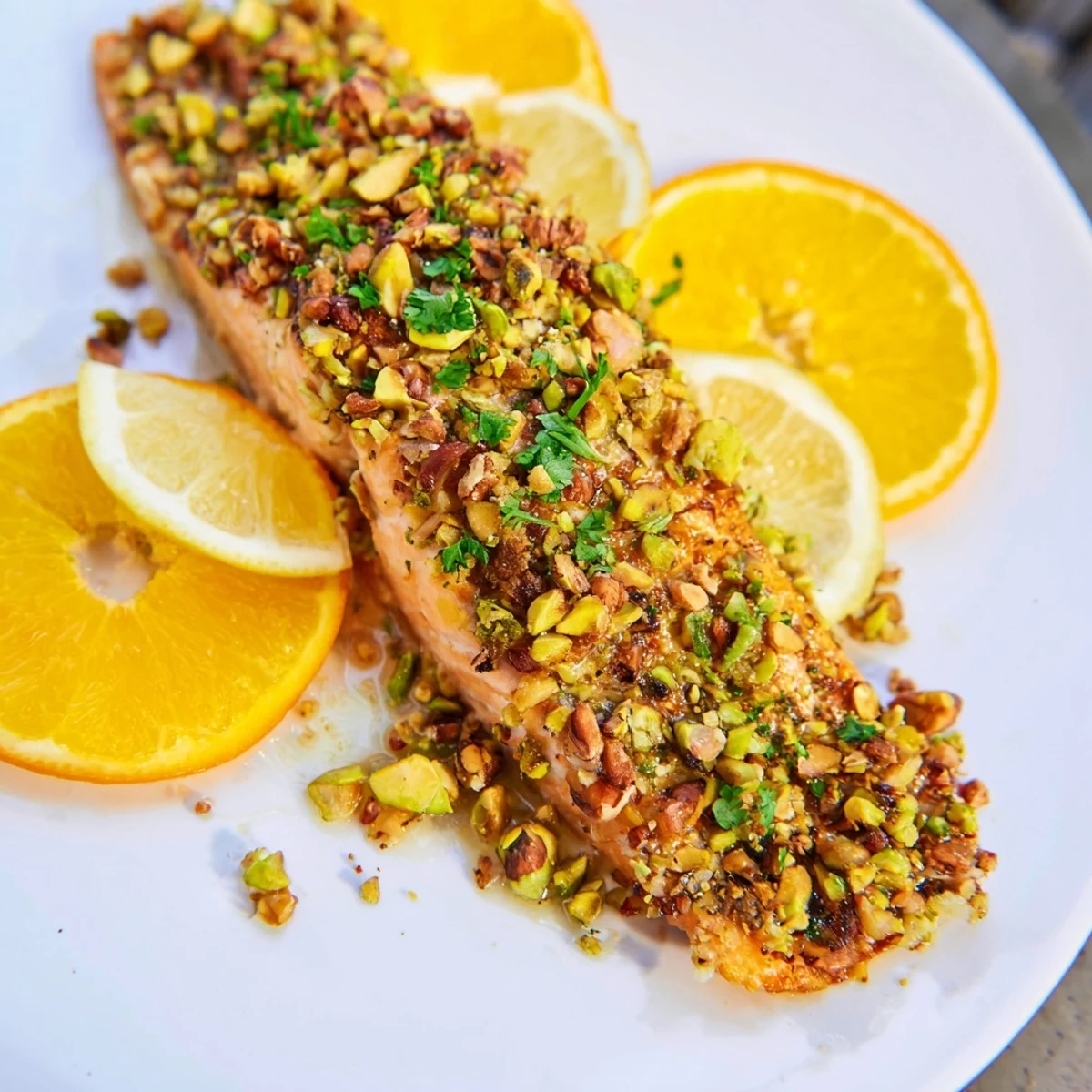
- Remove the fillets from the pan and let them rest for 2 minutes on the plate—this keeps them moist and gives the juices a moment to redistribute. Garnish with fresh parsley, lemon wedges, and orange segments, then serve immediately while everything is still warm.
 Pin This
 I remember cooking this for someone who usually orders plain grilled fish at restaurants, watching them take a bite and immediately ask for the recipe—that's the moment I knew this wasn't just a weeknight dinner, it was something that changed how they thought about cooking at home. That's the power of respecting your ingredients and not overthinking it.
The Nut Crust Secret
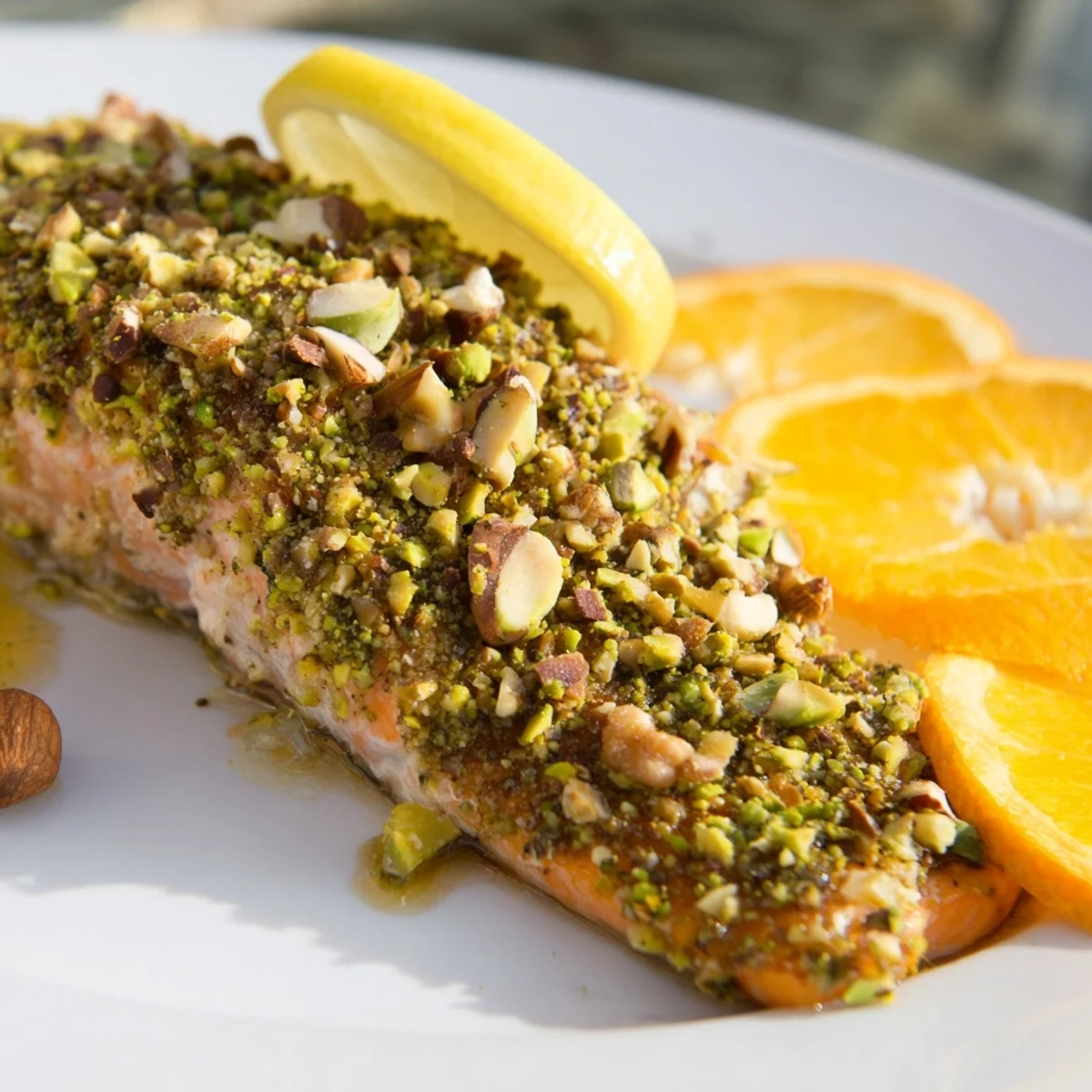
The crust is everything here, and I learned this the hard way after making it with nuts that were chopped too coarsely—they rolled right off in the pan. The trick is to pulse your nuts in a food processor just until they're fine and sandy-textured, not ground into flour but not chunky either. You want them to feel almost like breadcrumbs, which gives you enough surface area to toast beautifully while still maintaining that satisfying crunch when you bite through. The parsley mixed in helps too—it adds color and a tiny bit of moisture that helps everything bind together.
Citrus Balance and Brightness
Using both zest and juice from two different citrus fruits might seem like overkill, but the lemon and orange play different roles in your dish. The lemon zest brings sharp, peppery brightness to the crust, while orange adds a subtle sweetness and depth that rounds out the whole flavor picture. If you only used juice, you'd miss half the intensity, so don't skip the zesting step—it takes an extra 30 seconds and transforms the entire flavor profile.
Pairing and Serving
This dish shines brightest when you don't overcomplicate what comes alongside it—a simple green salad with a light vinaigrette, or just steamed asparagus with a whisper of salt, lets the salmon be the star. The brightness of the citrus and nuttiness of the crust means it doesn't need a heavy side dish, just something to balance the richness of the fish.
- Serve with a chilled Sauvignon Blanc or a crisp Albariño if you're drinking wine—the acidity cuts through the richness perfectly.
- Have your garnishes ready before you start cooking so you can plate immediately while everything is still warm.
- If you have leftover salmon, it's genuinely good cold the next day with a simple salad, so don't hesitate to make extra.
 Pin This
 This recipe exists because good food doesn't have to be complicated—it just has to respect the quality of what you're starting with. Make it tonight and taste the difference.
Recipe FAQs
- → What types of nuts are best for the crust?
-
Almonds, pistachios, or walnuts work wonderfully, though hazelnuts or pecans offer delicious variations.
- → How do I tell when the salmon is fully cooked?
-
The salmon is done when it flakes easily with a fork and appears opaque throughout the center.
- → Can I use skinless salmon fillets?
-
Yes, both skin-on and skinless fillets work well for this preparation method.
- → What wine pairs best with this dish?
-
A chilled Sauvignon Blanc complements the citrus and nutty flavors beautifully.
- → Is this dish suitable for gluten-free diets?
-
Yes, this specific preparation is naturally gluten-free as it relies on nuts and citrus for flavor.