
 Pin This
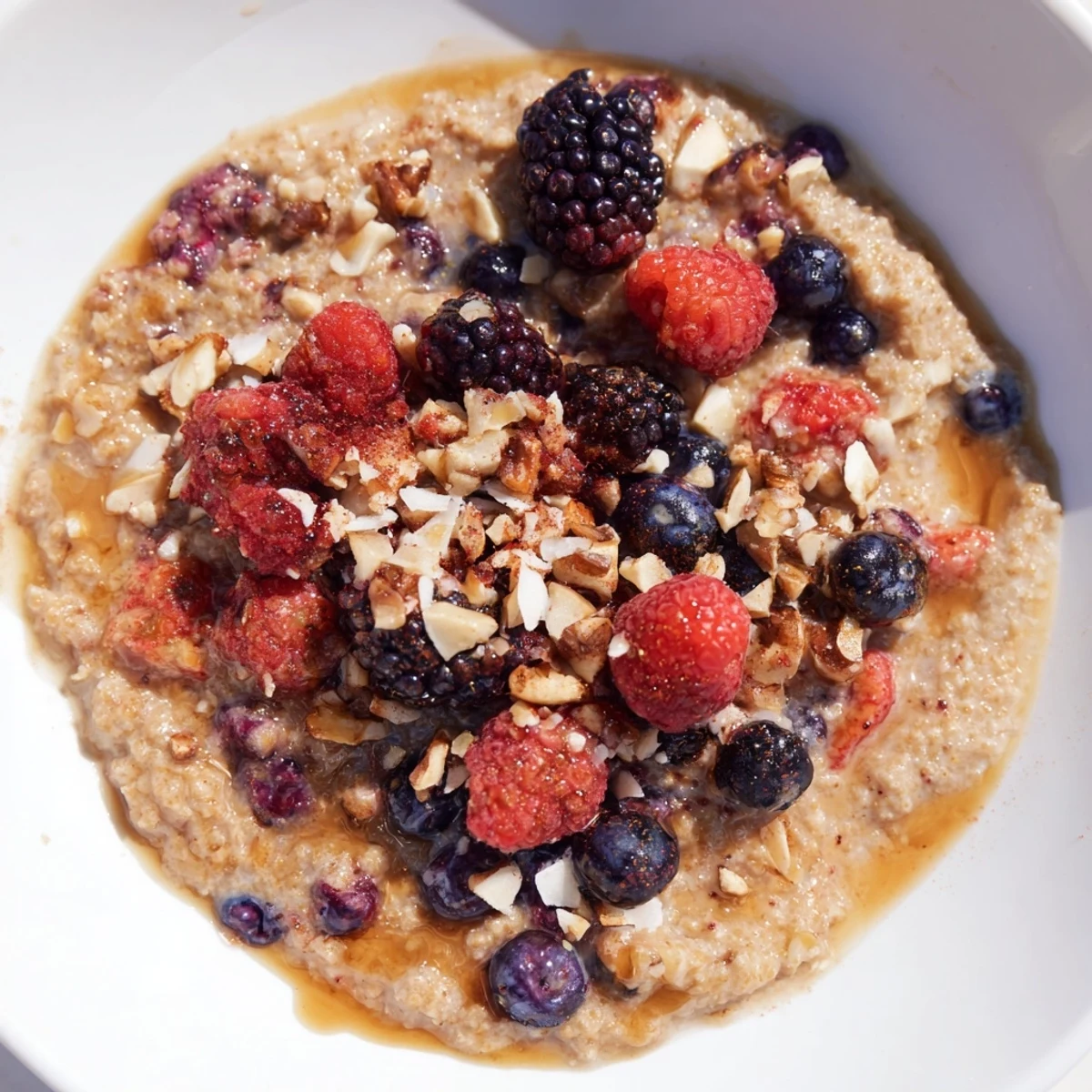
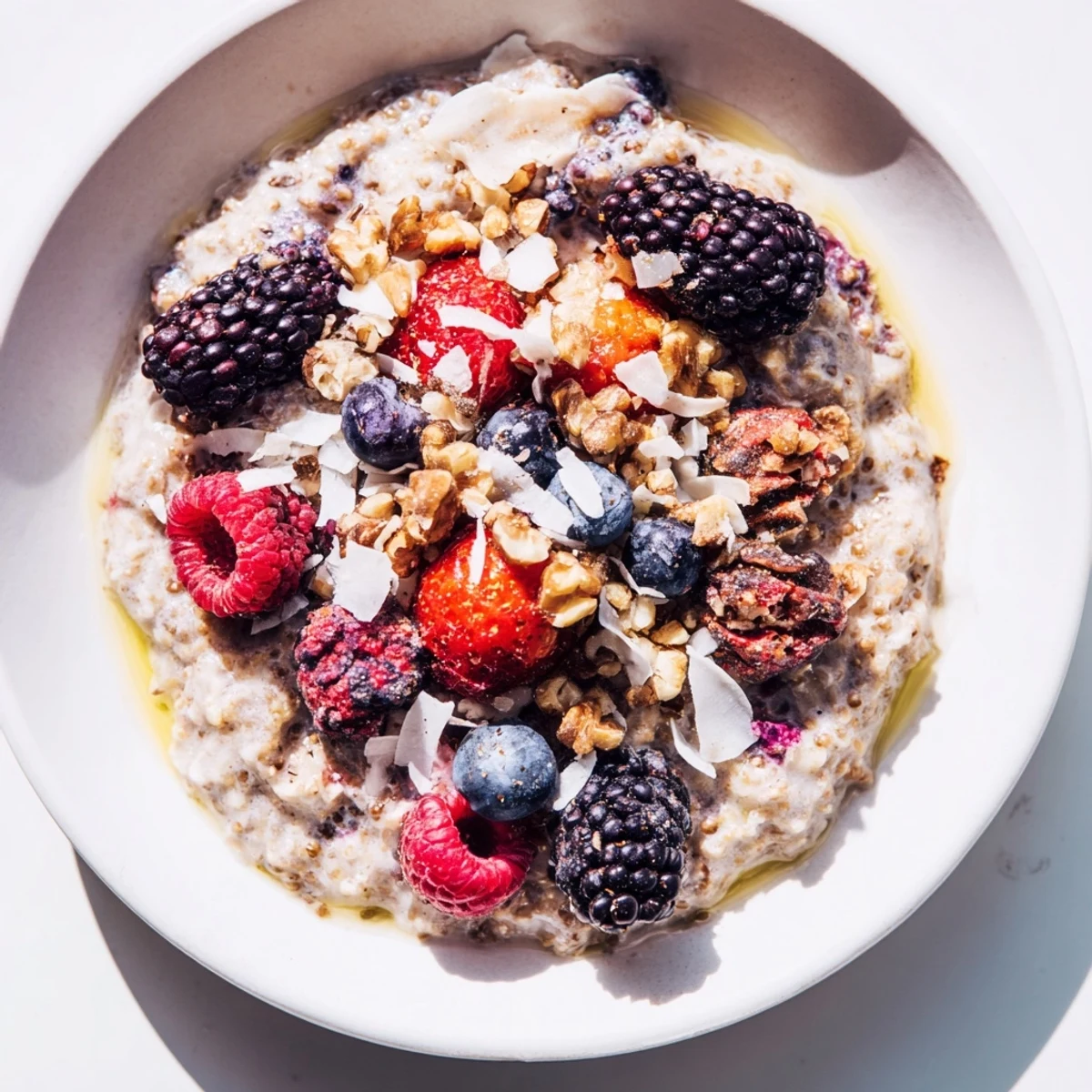
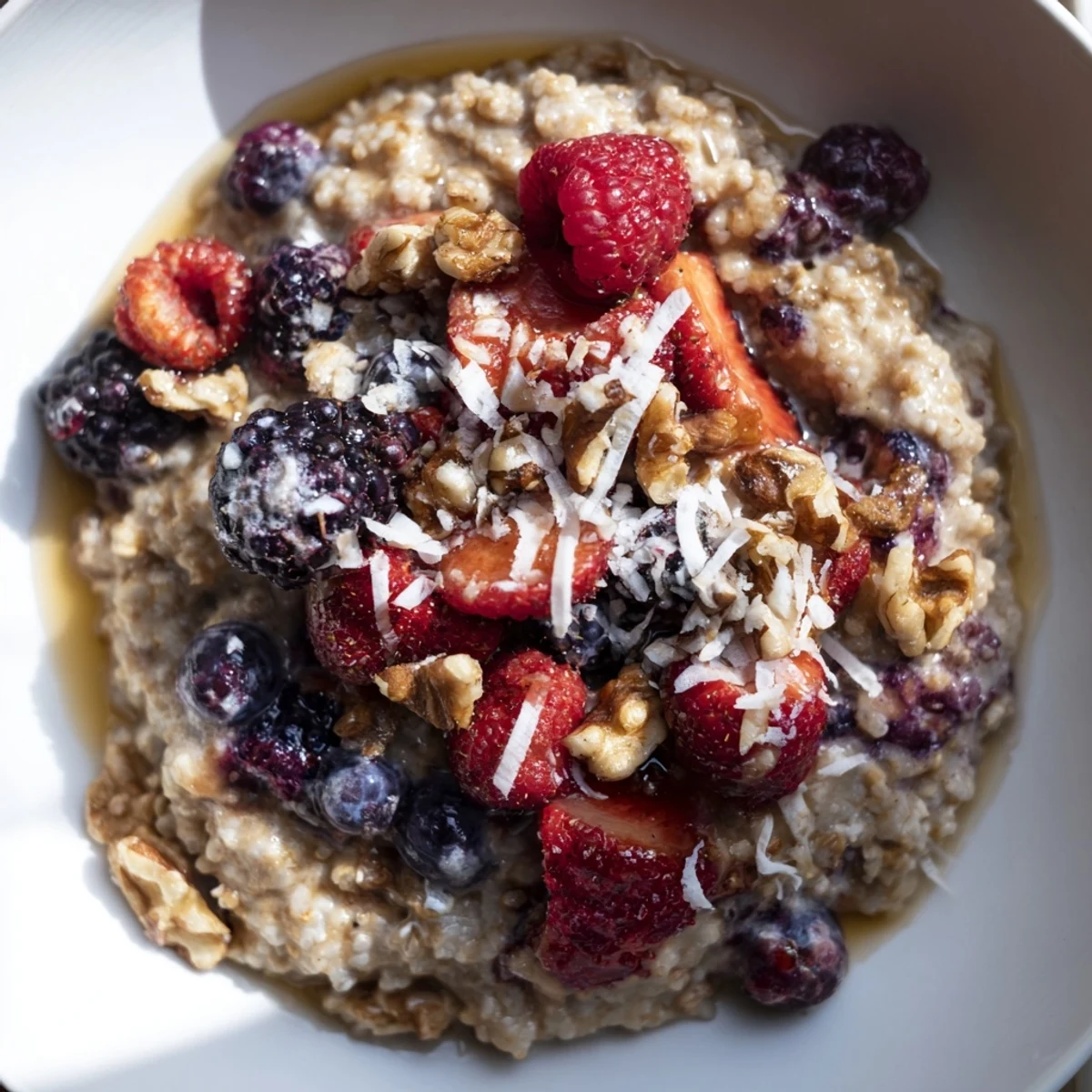
 This wholesome dish features buckwheat groats slowly roasted to deepen their nutty flavor, then simmered with almond milk and a medley of fresh or frozen berries. The cinnamon and vanilla add subtle warmth and sweetness, enhanced by a touch of maple syrup. Creamy and naturally sweet, it offers a comforting, gluten- and dairy-free way to start your day with nourishing ingredients and optional crunchy toppings.
I discovered buckwheat porridge on a misty morning in a small café tucked away in the Carpathian foothills, where an elderly woman served me a steaming bowl that tasted like autumn and comfort wrapped together. The nutty aroma hit me first, followed by that gentle sweetness of berries melting into something warm and grounding. I spent the next three years trying to recreate that exact moment in my own kitchen, and this slow roasted version finally captured it.
I remember making this for my partner on a Sunday morning when we were both exhausted from moving into a new apartment. The smell of roasting buckwheat filled our empty kitchen, and suddenly everything felt like home again. That bowl of porridge, topped with fresh raspberries and a drizzle of maple syrup, became the moment we knew the move was going to be okay.
Ingredients
- Raw buckwheat groats: The heart of this porridge. Raw groats have a sharper, nuttier flavor than pre-roasted ones, and roasting them yourself means you control exactly how deep and fragrant they become. One cup is perfect for four generous servings.
- Unsweetened almond milk: Two and a half cups provides the base, though you can use oat, soy, or dairy milk depending on what your body craves. The unsweetened version lets the buckwheat and berries be the stars.
- Water: Half a cup helps the porridge cook evenly without becoming too thick. It also softens the buckwheat more gently than milk alone.
- Pure maple syrup or honey: Two tablespoons is enough to sweeten without overwhelming. Real maple syrup has a deeper flavor that honey can't quite match, but both work beautifully.
- Vanilla extract: Just one teaspoon, but it adds a whisper of complexity that makes people ask what your secret ingredient is.
- Ground cinnamon: Half a teaspoon warms the entire bowl with its spice. Toast it lightly in the pan if you want the flavor to really shine.
- Sea salt: A pinch is all you need. Salt doesn't make things taste salty; it makes everything taste more like itself.
- Mixed berries: One and a half cups of fresh or frozen. Frozen berries are actually perfect here because they release their juice slowly as they warm, creating a gentle swirl of color throughout. Don't thaw them first.
- Toasted nuts or seeds: A quarter cup of almonds, walnuts, or pumpkin seeds adds a satisfying crunch and keeps you full longer. Toast them yourself if you have time; the difference is worth it.
- Unsweetened shredded coconut: Two tablespoons optional, but it adds a subtle richness that feels almost luxurious.
Instructions
- Roast the buckwheat until it smells like a forest:
- Preheat your oven to 300°F. Spread the buckwheat groats in a single layer on a baking sheet—don't overcrowd them, give them space to breathe. Roast for fifteen minutes, stirring halfway through. You're looking for a light golden color and that wonderful toasted aroma that fills your kitchen. This step is what transforms ordinary buckwheat into something special.
- Build the porridge base:
- Pour your roasted buckwheat into a medium saucepan with the almond milk, water, maple syrup, vanilla, cinnamon, and salt. Stir everything together until the buckwheat is evenly distributed. This is a moment to taste the vanilla and smell the cinnamon—you're creating something intentional here.
- Let it simmer gently:
- Bring the mixture to a simmer over medium heat, then reduce to low and cover with a lid. Let it cook for twenty minutes, stirring occasionally with a wooden spoon. The buckwheat will gradually absorb the liquid and become tender. The saucepan should whisper quietly, not bubble frantically.
- Welcome the berries:
- After twenty minutes, add your mixed berries straight from wherever they've been resting. Stir gently—you want to coax them into the porridge without crushing them. Continue cooking uncovered for five to ten minutes, until the buckwheat is completely tender and the porridge has a creamy, almost velvety consistency. The berries will begin to release their juice, creating beautiful ribbons of color.
- Finish with intention:
- Taste the porridge. If it needs more sweetness, drizzle in a touch more maple syrup. Spoon into bowls and top with your toasted nuts, coconut, fresh berries, and a final drizzle of syrup if you like. The real pleasure is in eating it warm, within minutes of finishing.
 Pin This
 I learned to make this porridge because my daughter developed a sensitivity to gluten, and I was determined that her breakfasts would still taste like love, not like limitation. This bowl became our morning ritual, and it meant something deeper than just food—it meant I could still take care of her in the way I wanted.
The Gift of Slow Roasting
There's something meditative about roasting buckwheat. The gentle heat doesn't rush anything; it coaxes out flavors that quick cooking would miss. This is true for so much in cooking and in life—the best things rarely come from speed. Slow roasting reminds us to slow down with our breakfast, to sit with our coffee a little longer, to notice the taste of what we're eating before we've already moved on to the next thing.
Making It Your Own
The beauty of this porridge is how forgiving and flexible it is. The buckwheat and berries are non-negotiable, but everything else is a conversation between you and what you have on hand. I've made it with honey instead of maple syrup, with coconut milk for richness, with cardamom instead of cinnamon when I wanted something more exotic. I've topped it with pistachios, with granola, with a simple drizzle of almond butter. Each version tells a different story.
Storage and Reheating
This porridge lives happily in the refrigerator for up to three days, which means you can make a double batch and have breakfast ready for mornings when you're running late. When you reheat it, add a splash of milk to bring back the creamy texture—cold porridge thickens up, and that splash is like giving it permission to become itself again. I prefer to reheat gently on the stovetop rather than the microwave, but both work. The berries stay sweet and intact either way.
- Store in an airtight container and reheat over low heat with an extra splash of milk
- Add fresh berries and toasted nuts after reheating for the best texture and taste
- This makes an excellent cold breakfast too, if you prefer it chilled on warm mornings
 Pin This
 This porridge taught me that breakfast doesn't have to be complicated to be nourishing. It just needs to be made with attention, with ingredients you believe in, and with the quiet understanding that how we begin our day matters. Serve this warm, soon after cooking, and watch how people slow down to eat it.
Recipe FAQs
- → Can I use different types of milk for cooking?
-
Yes, almond, oat, soy, or dairy milk all work well, adjusting the flavor and dietary preferences.
- → Is it necessary to roast the buckwheat before cooking?
-
Roasting enhances the nutty aroma and adds depth, but you can skip it for a quicker version.
- → Can frozen berries be used directly?
-
Frozen berries can be added straight from the freezer without thawing; they cook down nicely and add natural sweetness.
- → How can I adjust the sweetness level?
-
Maple syrup or honey can be increased or decreased according to taste to balance natural berry tartness.
- → What are some optional toppings that complement this dish?
-
Toasted nuts, shredded coconut, extra berries, or a drizzle of maple syrup add texture and flavor.