
 Pin This
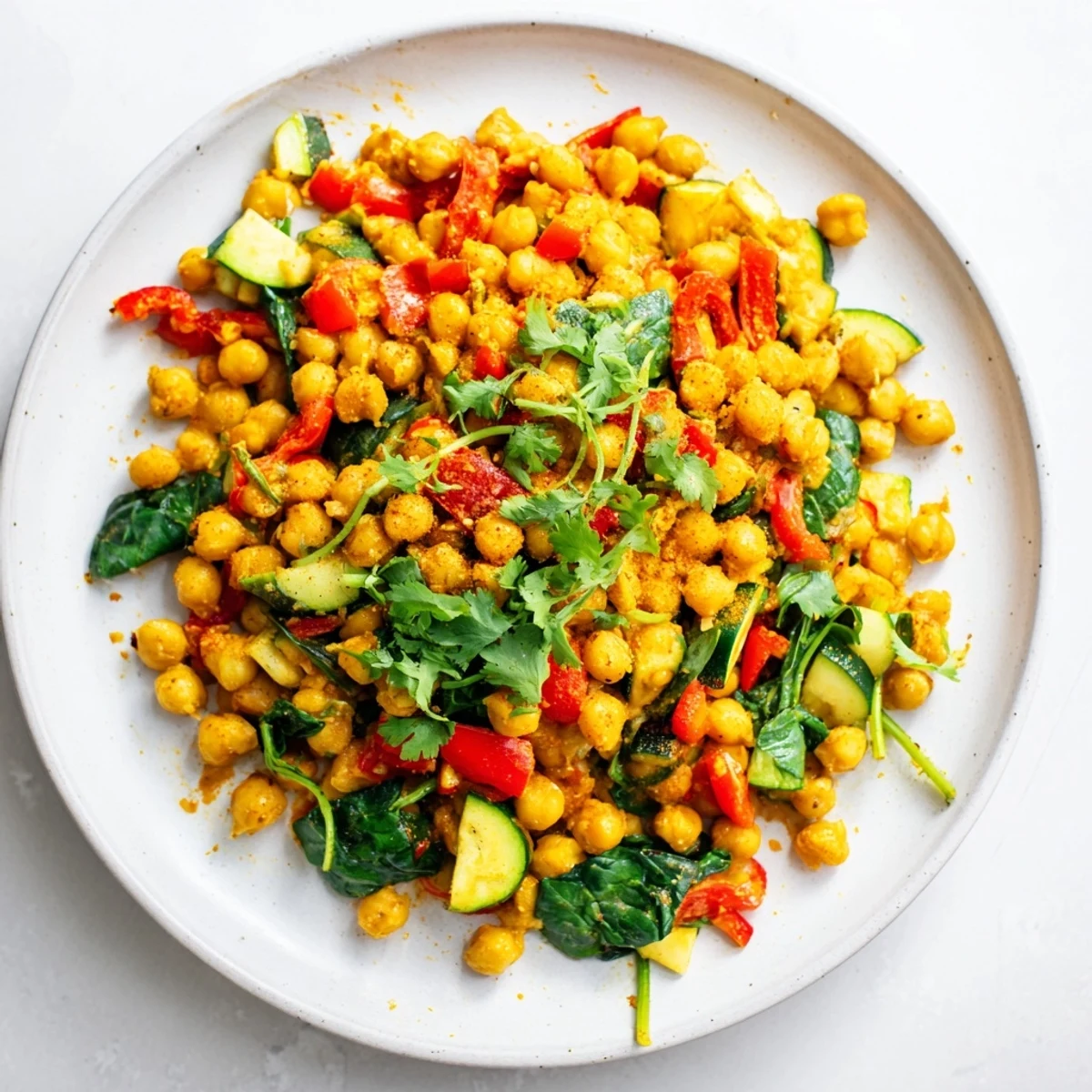
 This vibrant skillet features protein-rich chickpeas cooked with aromatic turmeric and fresh vegetables. Onions, garlic, bell pepper, zucchini, and baby spinach combine with warm spices like cumin and smoked paprika to build a layered flavor profile. Simmered briefly with vegetable broth and finished with lemon juice and cilantro, this dish offers a wholesome, colorful option that's quick to prepare and satisfying to eat. Ideal for vegetarians and gluten-free diets, it pairs well with grains or flatbreads.
I tossed a can of chickpeas into a hot skillet one Wednesday night with nothing but turmeric and hope. The kitchen filled with that earthy, golden smell, and I knew I was onto something. By the time I stirred in the spinach, I had accidentally created what would become my go-to dinner whenever I craved comfort without the fuss.
I made this for a friend who swore she didnt like chickpeas, and she went back for seconds without realizing what she was eating. We sat on the couch with our bowls, and she kept asking what spice made it taste so good. It wasnt just the turmeric, it was the way everything came together in that skillet, humble ingredients turning into something vibrant and alive.
Ingredients
- Chickpeas: The hearty base of this dish, I always rinse them well to get rid of that tinny canned taste and let them crisp up a bit in the pan.
- Red onion: Adds a slight sweetness when it softens, and I slice it thin so it practically melts into the skillet.
- Garlic: Just two cloves, but they perfume the whole dish, so dont skip that quick sauté or let them burn.
- Red bell pepper: Brings color and a gentle sweetness that balances the earthy spices beautifully.
- Zucchini: Soaks up all the flavors and adds a soft texture, I dice it small so it cooks quickly.
- Baby spinach: Wilts down to almost nothing but adds a fresh, green contrast at the end.
- Tomato: A fresh tomato breaks down just enough to create a light, tangy sauce without making things too wet.
- Cilantro: I was once a cilantro skeptic, but it brightens this dish in a way parsley never could.
- Olive oil: The foundation for sautéing, it carries the spices and keeps everything from sticking.
- Turmeric: This is the star, that golden warmth that stains your wooden spoon and makes the kitchen smell like a hug.
- Cumin: Adds a smoky, slightly nutty depth that makes the dish feel grounded and complete.
- Smoked paprika: A little goes a long way, it whispers of campfires and adds complexity without heat.
- Black pepper and sea salt: Simple seasonings that let the other flavors shine, I always taste before serving and adjust.
- Red pepper flakes: Optional, but I like a tiny pinch for a gentle warmth that sneaks up on you.
- Vegetable broth: Just a splash to help everything simmer together and meld into one cohesive dish.
- Lemon juice: The final squeeze wakes everything up, cutting through the richness with bright acidity.
Instructions
- Start with the aromatics:
- Heat your olive oil until it shimmers, then add the sliced red onion and let it soften for a few minutes, stirring occasionally. The edges will start to turn translucent and sweet, thats when you toss in the garlic and let it bloom for just thirty seconds.
- Build the vegetable base:
- Add the diced bell pepper and zucchini, stirring them around so they get coated in that fragrant oil. Let them cook until theyre just tender but still have a little bite, about four or five minutes.
- Bloom the spices:
- Sprinkle in the turmeric, cumin, smoked paprika, black pepper, and salt, stirring quickly so the spices coat every piece of vegetable. Youll smell the transformation immediately, earthy and warm and a little bit magical.
- Add the chickpeas and tomato:
- Stir in the chickpeas and chopped tomato, then pour in the vegetable broth. Let everything simmer together, stirring occasionally, until most of the liquid has evaporated and the tomato has broken down into a light sauce.
- Wilt the spinach:
- Toss in the baby spinach and stir until it collapses into the skillet, which only takes about two minutes. It looks like a lot at first, but it shrinks down and adds that fresh green contrast.
- Finish and season:
- Squeeze in the lemon juice and stir in the chopped cilantro, then taste and adjust the salt or pepper if needed. Serve it warm, topped with extra cilantro if you have it.
 Pin This
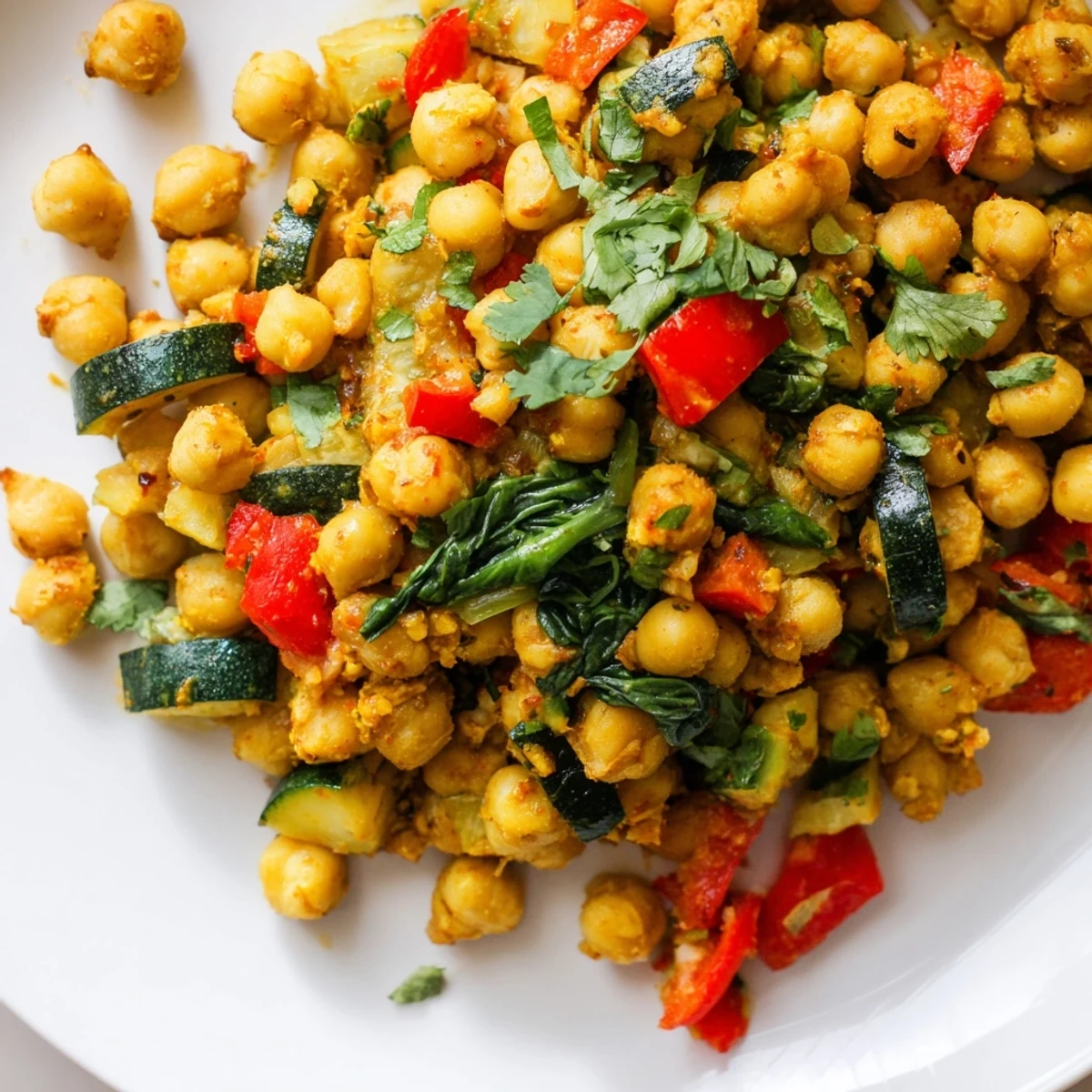
 One rainy Saturday, I made a double batch and ate it three days in a row, each time over a different grain. It tasted a little different every time, quinoa made it nutty, rice made it comforting, and flatbread turned it into a scoopable feast. Thats when I realized this dish wasnt just a recipe, it was a mood.
Serving Suggestions
I love piling this over a bed of fluffy basmati rice or quinoa, letting the juices soak into the grains. Sometimes I serve it with warm pita or naan for scooping, and if Im feeling indulgent, a dollop of coconut yogurt on top adds a creamy coolness that contrasts beautifully with the warm spices. Leftovers also make a great filling for wraps or grain bowls the next day.
Customization Ideas
This skillet is endlessly adaptable, I have swapped zucchini for eggplant, added roasted sweet potato cubes, and even stirred in kale when I ran out of spinach. If you want more protein, a handful of toasted cashews or a fried egg on top turns it into an even heartier meal. The spice level is gentle, but you can crank up the heat with extra red pepper flakes or a drizzle of hot sauce.
Storage and Reheating
This keeps well in the fridge for up to four days, and I actually think it tastes better the next day after the flavors have had time to marry. I reheat it gently in a skillet with a tiny splash of water to loosen it up, or microwave it in short bursts so the vegetables dont turn mushy. It doesnt freeze quite as well because the zucchini gets watery, but the chickpeas and tomato hold up if you want to try.
- Store in an airtight container and keep the cilantro garnish separate so it stays fresh.
- Reheat gently and add a fresh squeeze of lemon to brighten it back up.
- If meal prepping, cook the vegetables just until tender so they dont overcook when reheated.
 Pin This
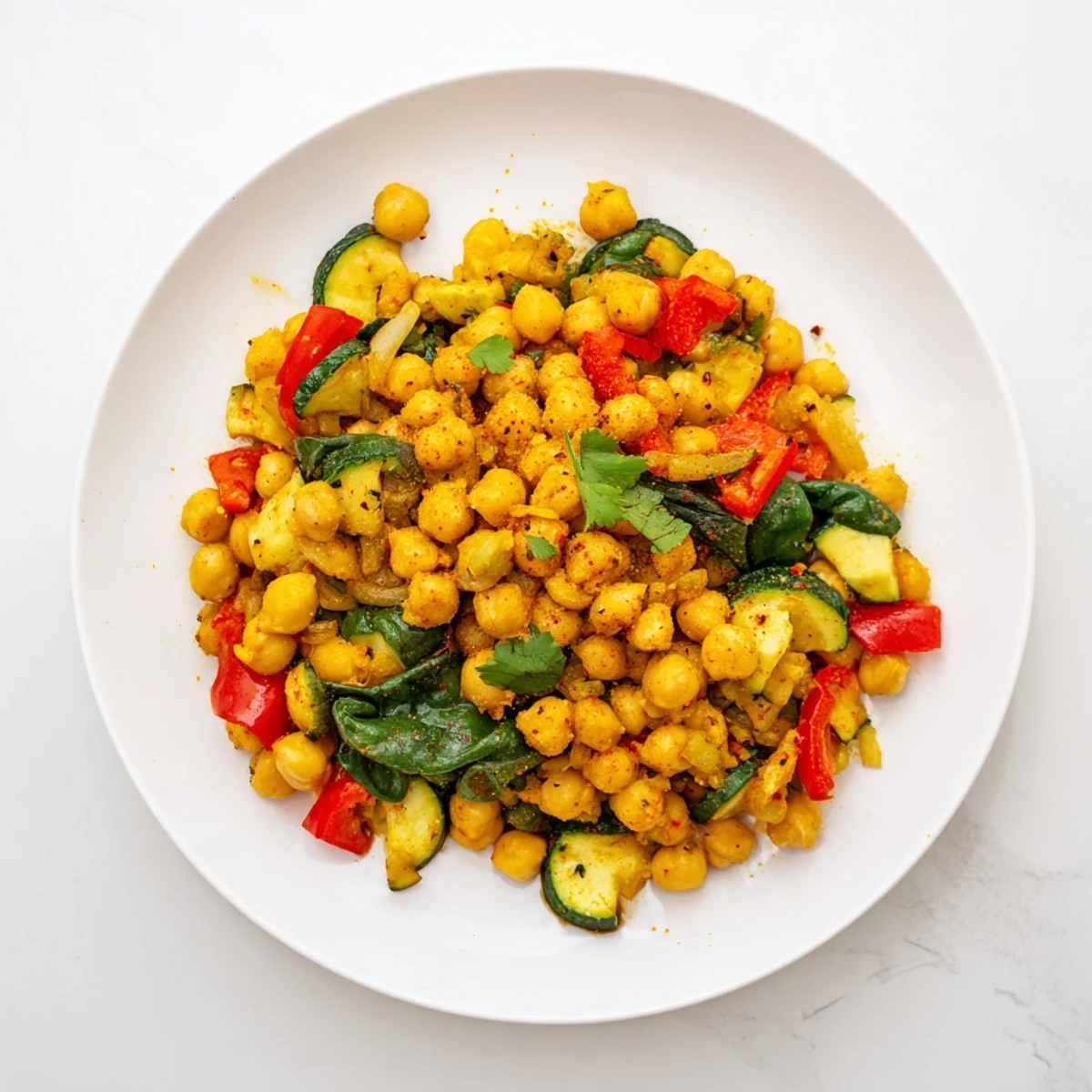
 This skillet has saved me on countless busy nights, and it never feels like I am settling for something quick. It feels like I am feeding myself something real, something that glows golden and tastes like care.
Recipe FAQs
- → What spices enhance the chickpeas in this dish?
-
Turmeric, cumin, smoked paprika, black pepper, and optional red pepper flakes provide warmth and depth to the chickpeas and vegetables.
- → Can I substitute the vegetables used here?
-
Yes, zucchini can be swapped for eggplant or sweet potatoes to vary texture and flavor while maintaining the dish's essence.
- → How do I achieve the best texture for the chickpeas?
-
Drain and rinse canned chickpeas well, then simmer with spices and vegetables until heated through and flavors meld without overcooking.
- → Is it necessary to use vegetable broth?
-
Vegetable broth adds depth but water can be used as a lighter alternative without sacrificing moisture during cooking.
- → What garnishes work well with this skillet?
-
Fresh cilantro and a squeeze of lemon brighten the dish, while a dollop of Greek or coconut yogurt adds creaminess if desired.
- → What serving options complement this dish?
-
It pairs nicely with rice, quinoa, or warm flatbread, enhancing the hearty, wholesome nature of the meal.