
 Pin This
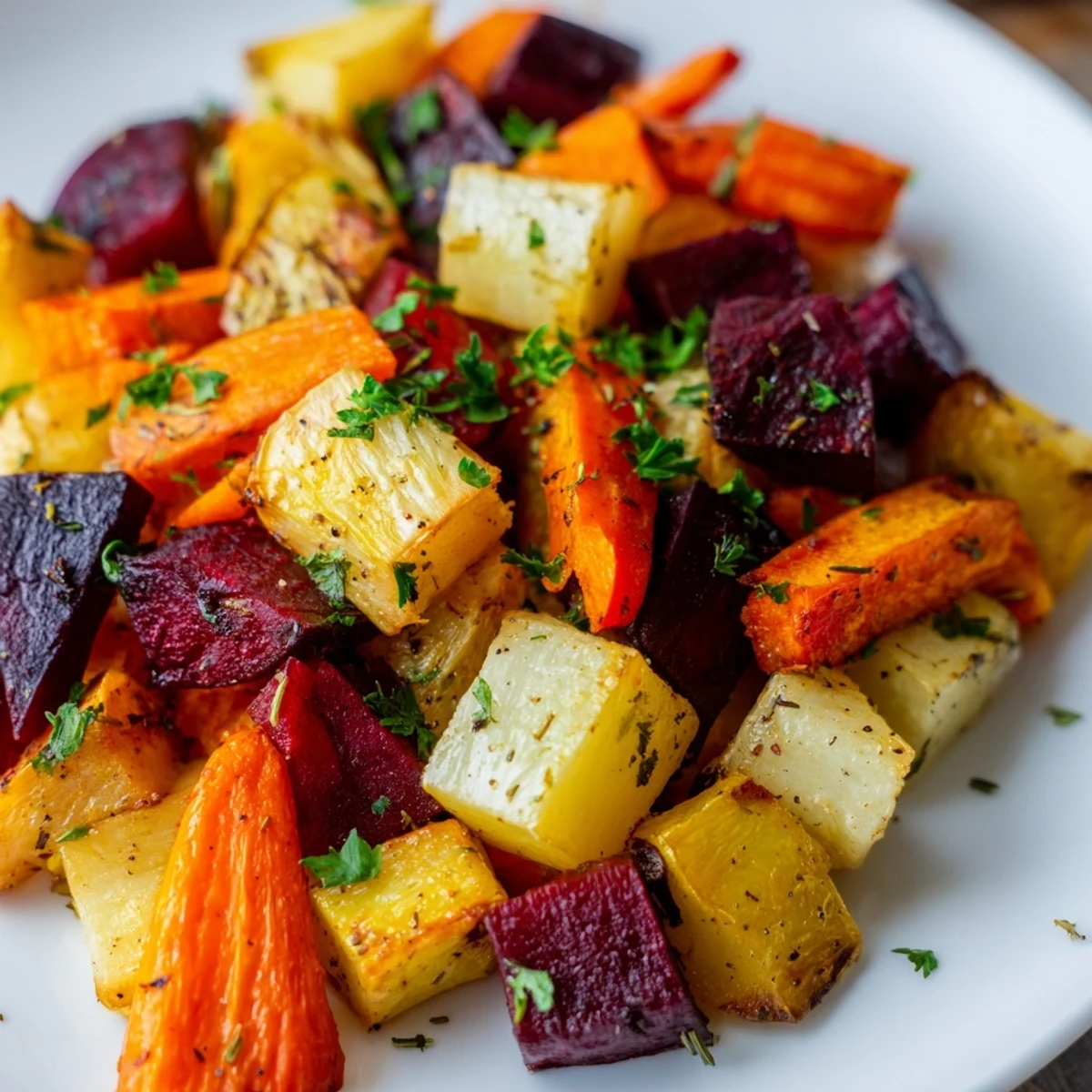
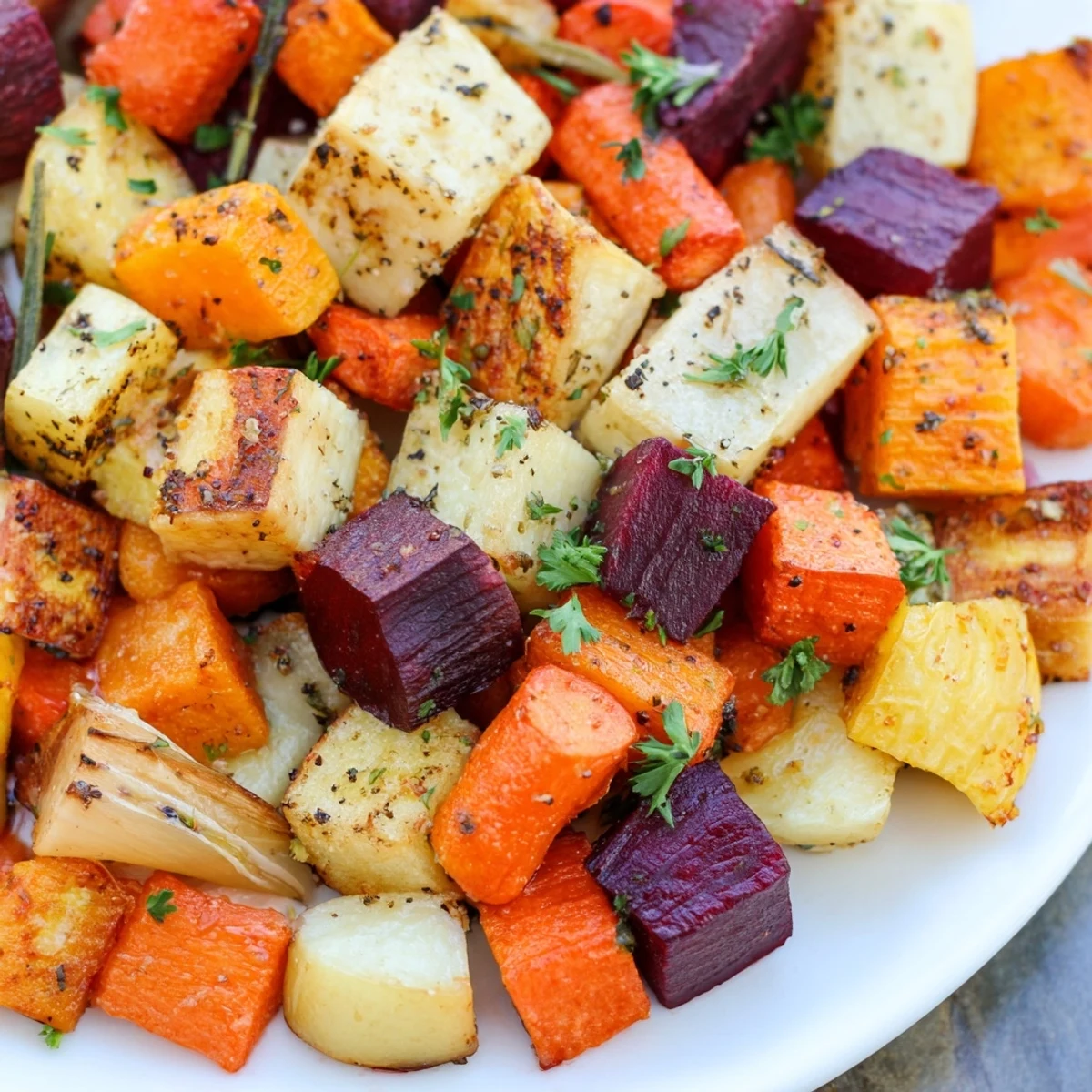
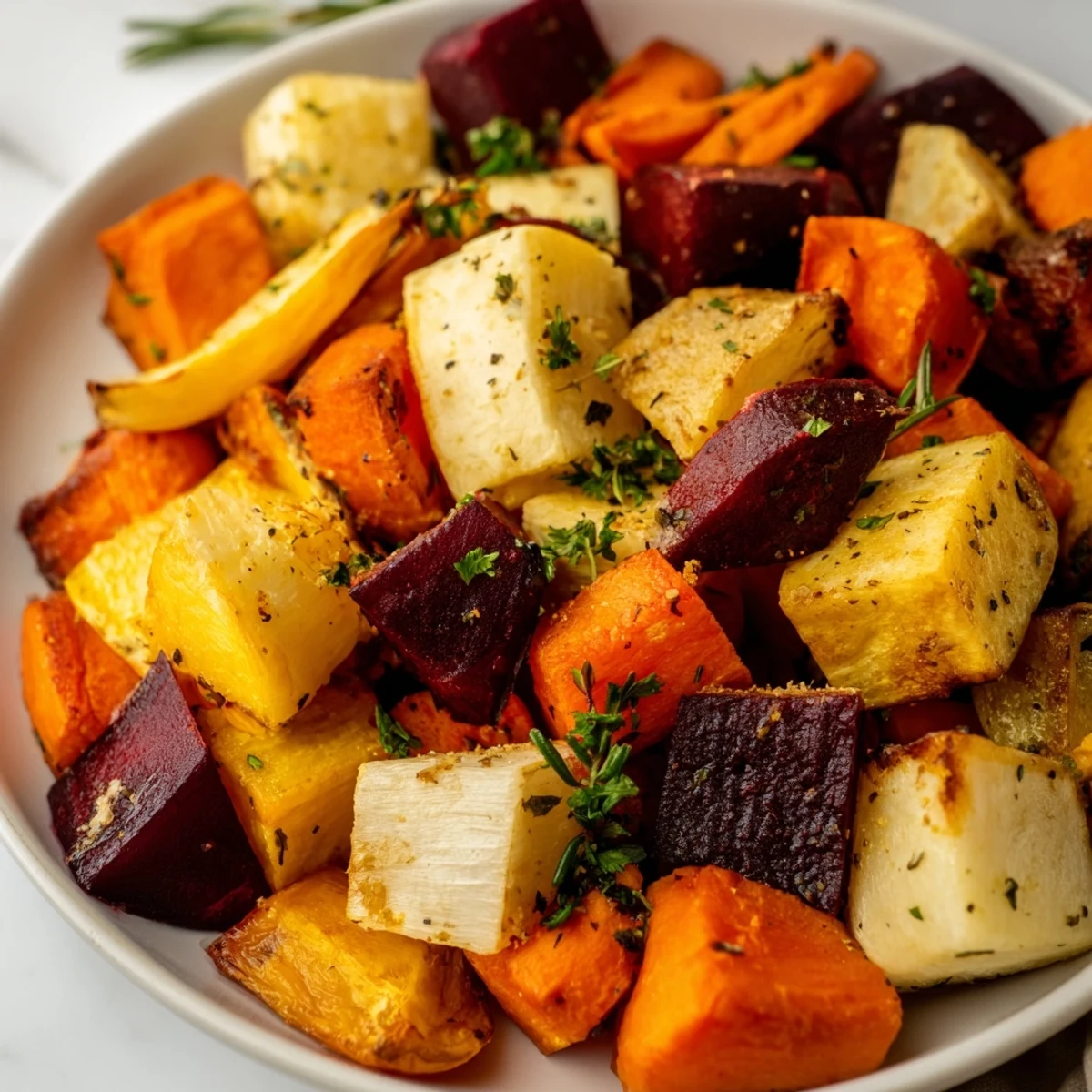
 This vibrant medley of root vegetables combines carrots, parsnips, sweet potato, beet, and rutabaga, coated in olive oil and aromatic herbs. Roasted at high heat until tender and golden, it delivers a comforting, naturally seasoned side. Optional fresh parsley adds a bright finish. Simple preparation and roasting make it a versatile, wholesome addition to any meal.
There's something about autumn that makes me crave the smell of root vegetables hitting hot oil in the oven. I stumbled onto this combination quite by accident one October when I had a jumble of forgotten produce in my crisper drawer and decided to throw them all on one sheet pan rather than cook them separately. The beet juice bleeding into the sweet potato, the parsnips turning caramel at the edges—it felt like organized chaos, and somehow it worked perfectly.
I made this for my sister's potluck last winter, and it became the first thing that disappeared from the table. People kept asking what made it taste so good, and the truth is nothing fancy—just vegetables and intention. She asked for the recipe the next day, and now she texts me photos whenever she makes it.
Ingredients
- Carrots: Two medium ones cut into chunks; they'll soften beautifully and provide natural sweetness without being cloying.
- Parsnips: Often overlooked, but they caramelize into something almost nutty when roasted, adding unexpected depth.
- Sweet potato: Use one large one cut into cubes; it keeps its shape better than you'd think and gets creamy on the inside.
- Red beet: One medium beet adds earthiness and that gorgeous color; it'll bleed slightly into everything, which is part of the charm.
- Rutabaga or turnip: A small one rounds out the flavor with subtle peppery notes, though turnip is milder if you prefer.
- Olive oil: Three tablespoons is the sweet spot for coating without making them greasy or steamed-tasting.
- Sea salt and black pepper: One teaspoon salt, half teaspoon pepper; taste as you go because different vegetables have different absorption rates.
- Thyme and rosemary: Use fresh if you have it; dried works fine but adds different intensity, so adjust to your preference.
- Garlic: Two minced cloves scatter throughout and become almost sweet as they roast, not harsh at all.
- Fresh parsley: Optional but worth it; adds a fresh finish that cuts through the richness.
Instructions
- Heat your oven and prep your stage:
- Get the oven to 425°F and line a baking sheet with parchment paper while you're thinking about it. This matters because you want everything ready when you've got wet vegetables waiting.
- Gather and chop your vegetables:
- Cut everything into roughly one-inch pieces so they cook evenly. Don't stress about perfection here; irregular shapes actually create more crispy edges, which is the whole goal.
- Coat everything in oil and seasoning:
- Toss the vegetables with olive oil, salt, pepper, herbs, and garlic in a large bowl. Make sure every piece gets touched by the oil, especially the garlic, so nothing sticks later.
- Spread and roast:
- Arrange vegetables in a single layer on your sheet, giving them room to breathe. If it looks crowded, use a second sheet; overcrowding means steaming instead of roasting, and you want that caramelization.
- Stir halfway through:
- After about 20 minutes, give everything a gentle stir so the bottom pieces move to the outside. They should be golden and tender after 35 to 40 minutes total.
- Finish and serve:
- Transfer to a platter and scatter fresh parsley on top if you have it. Serve while the edges are still crispy and the insides are creamy.
 Pin This
 What struck me most about this dish was how it transformed something that could have been waste—those vegetables I almost forgot about—into something people genuinely wanted more of. That taught me something about cooking that no recipe can really tell you: sometimes the best meals come from paying attention to what you have.
The Magic of Roasting
Roasting isn't complicated, but it's almost spiritual if you think about it the right way. The heat draws out the vegetables' natural sugars and concentrates them, which is why a roasted carrot tastes completely different from a raw one. It's like roasting unlocks something that was already there, just waiting.
Herb Swaps and Variations
I've made this with sage and it tasted almost savory and autumn-like. Oregano leans more Mediterranean. Even a pinch of cumin changes the whole feeling. The framework stays the same but your mood on any given day can change what the dish becomes, which is kind of the beauty of it.
Serving and Pairing
This sits beautifully next to roasted chicken or fish, but it's substantial enough to be the main event if you serve it over grains or with a dollop of something creamy. A squeeze of lemon right before eating brightens everything and cuts through the natural sweetness. I've also had people ask if they could eat it straight out of the pan the next day, which tells you everything you need to know.
- Butternut squash chunks add even more sweetness if you want the dish to feel like dessert for your dinner.
- A drizzle of balsamic vinegar at the end creates this unexpected richness that people always comment on.
- Leftovers reheat beautifully in a 350°F oven for 10 minutes and taste nearly as good as fresh.
 Pin This
 This recipe isn't about following rules perfectly; it's about understanding that root vegetables deserve heat, time, and a little attention. Make it your own, taste as you go, and remember that the best meal is the one you actually want to eat.
Recipe FAQs
- → What root vegetables are included in this medley?
-
Carrots, parsnips, sweet potato, red beet, and rutabaga or turnip are the primary vegetables used.
- → How are the vegetables seasoned?
-
The mix is tossed with olive oil, sea salt, black pepper, thyme, rosemary, and minced garlic for aromatic flavor.
- → What is the recommended roasting temperature and time?
-
Roast the vegetables at 425°F (220°C) for 35–40 minutes, stirring once halfway through to ensure even cooking.
- → Can the herbs be substituted?
-
Yes, sage or oregano can be used in place of thyme and rosemary to vary the flavor profile.
- → How can I add brightness to the dish before serving?
-
A squeeze of fresh lemon juice added just before serving enhances the flavors and adds brightness.