
 Pin This
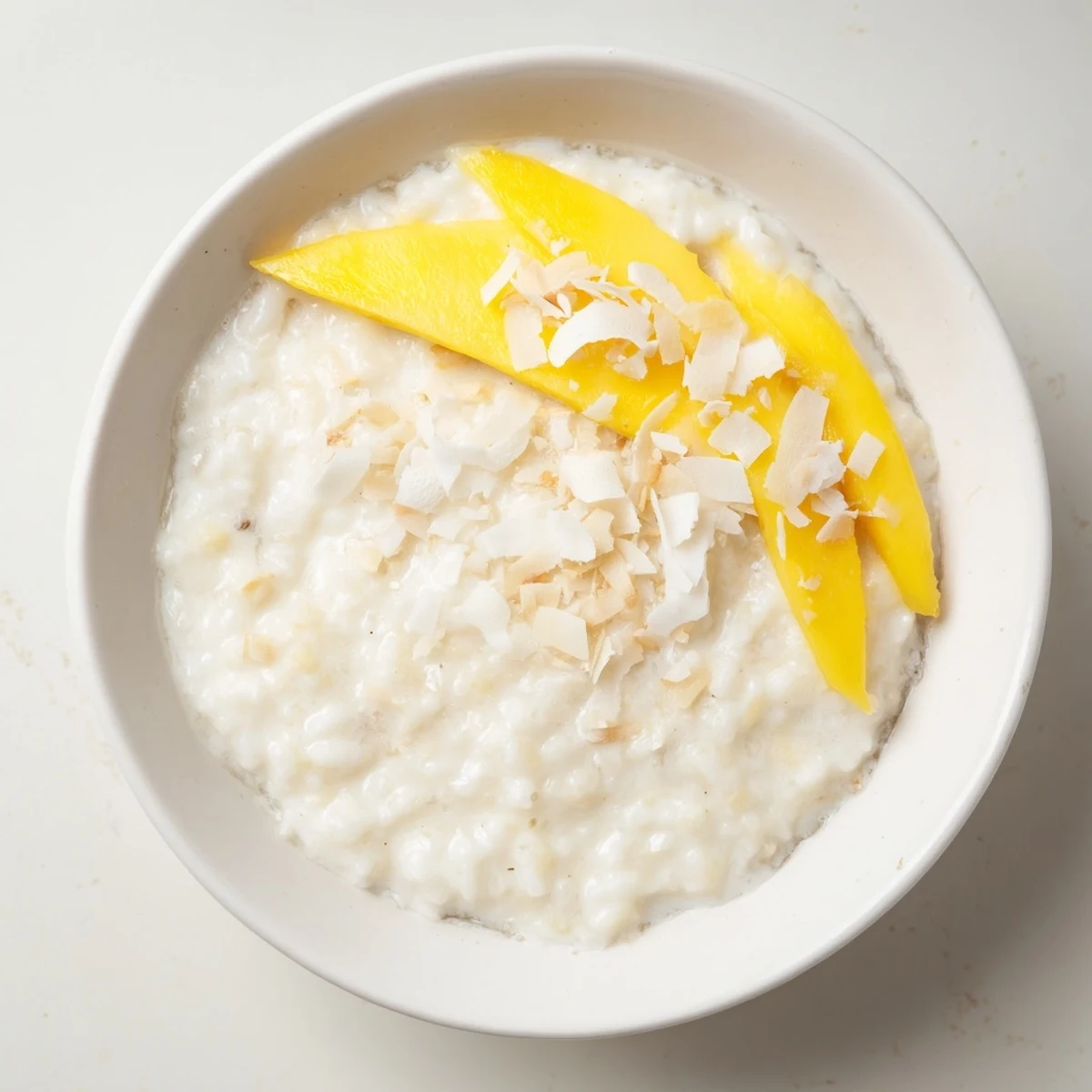
 Indulge in this velvety smooth coconut rice pudding where tender grains are slowly simmered in rich coconut milk until perfectly thickened and creamy. The addition of pure vanilla creates a warming, aromatic flavor profile that feels luxurious yet incredibly simple to prepare.
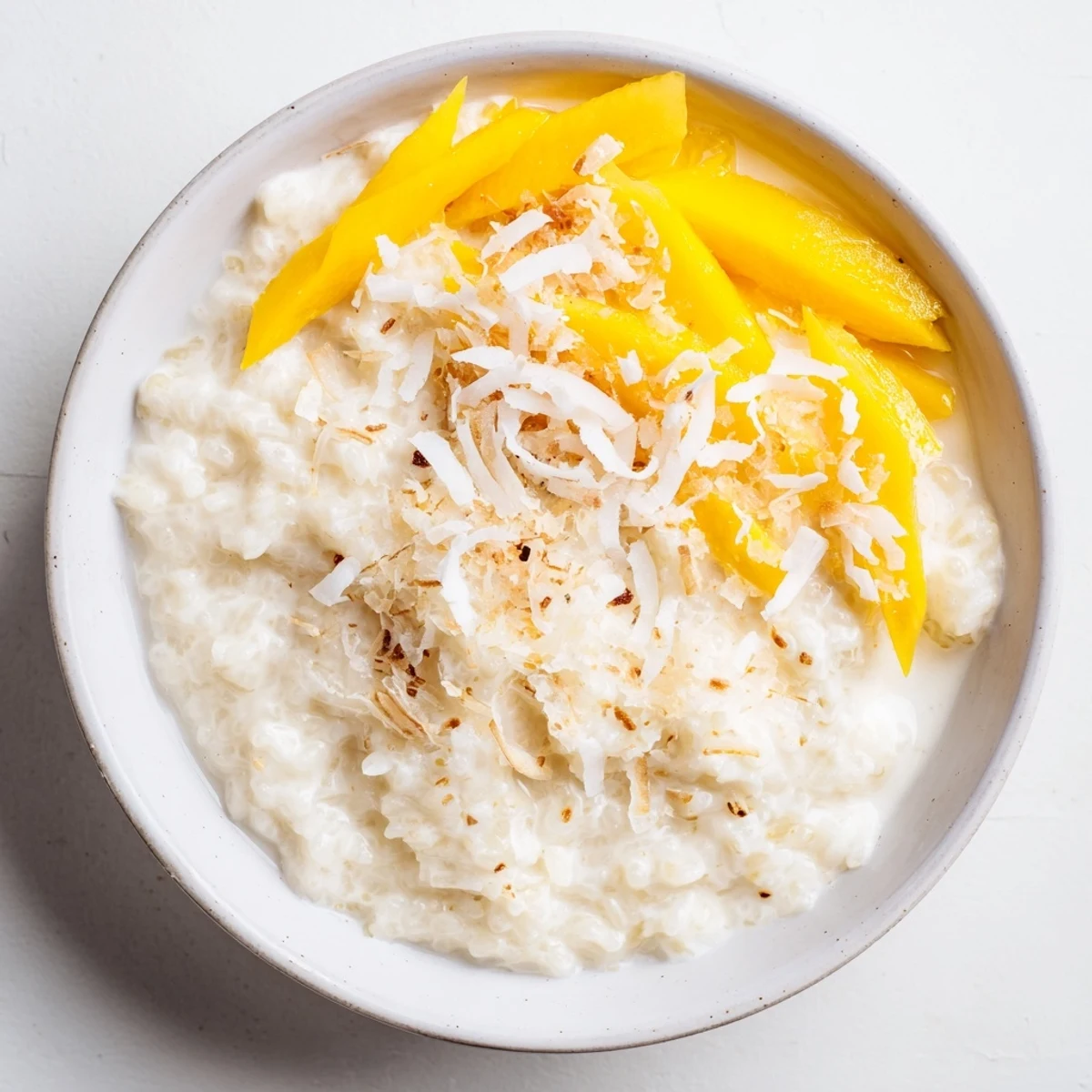
This versatile dessert shines whether served warm straight from the stove or chilled from the refrigerator—the texture beautifully thickens as it cools. Top with toasted shredded coconut for added crunch, fresh mango for tropical brightness, or crushed nuts like pistachios and almonds for protein and contrast.
Naturally gluten-free and easily adaptable for dairy-free diets, this pudding makes an elegant finish to any meal. The stovetop method requires just 10 minutes of prep before gently simmering, allowing you to focus on other tasks while it develops its signature luscious consistency.
The smell of coconut milk simmering on my stove always transports me back to a tiny apartment kitchen where I first discovered rice pudding could be dairy-free and still taste like pure comfort. I'd been experimenting with coconut milk in everything that week, and when I stirred vanilla into the bubbling rice, something magical happened. My roommate wandered in, sniffing the air, and we ended up eating half the batch straight from the pot while standing at the counter.
Last winter, I made this for a friend who swore she hated rice pudding because hers always turned out gluey or flavorless. When she took her first bite and closed her eyes, I knew I'd won her over. She now makes it every Sunday and sends me photos of her topping combinations.
Ingredients
- Short grain white rice: Arborio or sushi rice releases more starch creating that signature creamy pudding texture
- Full fat coconut milk: The thick canned version is non negotiable here for richness and body
- Water: Dilutes the coconut milk just enough so the rice can cook properly without becoming too dense
- Whole milk or extra coconut milk: Adds another layer of creaminess and helps balance the intense coconut flavor
- Granulated sugar: Sweetens just enough to let the vanilla shine without overpowering
- Pure vanilla extract: Use the good stuff because this flavor carries the whole dish
- Pinch of salt: Wakes up all the flavors and prevents the pudding from tasting flat
Instructions
- Rinse the rice:
- Cold water until it runs clear, removing excess starch that can make pudding gummy
- Combine everything:
- Add rice, both milks, water, sugar, and salt to your saucepan and stir once to combine
- Bring to gentle boil:
- Medium heat with occasional stirring to prevent anything from catching on the bottom
- Simmer until creamy:
- Reduce to low, partially cover, and cook 30 to 35 minutes, stirring often until rice is tender and pudding coats the spoon
- Add the vanilla:
- Remove from heat and stir in the extract, letting the warm pudding release those fragrant vanilla notes
- Let it rest:
- Cool for 10 to 15 minutes, knowing it will continue thickening beautifully as it sits
 Pin This
 This recipe became my go to when I needed something that felt special but required minimal effort. There is something meditative about standing at the stove, watching the bubbles break through the surface, knowing comfort is being created in that pot.
Getting The Right Consistency
Short grain rice is your secret weapon here because it naturally releases starch as it cooks. I have tried other varieties and they just do not create that same luxurious, spoon coating texture. If you end up with pudding thicker than you like, a splash of warm milk will bring it back to the perfect creamy state.
Flavor Variations
Sometimes I swap the vanilla for almond extract when I want something more nutty, or add a cinnamon stick during simmering for warmth. A splash of coconut rum in the final minutes makes this an adult dessert worth savoring slowly.
Make It Your Own
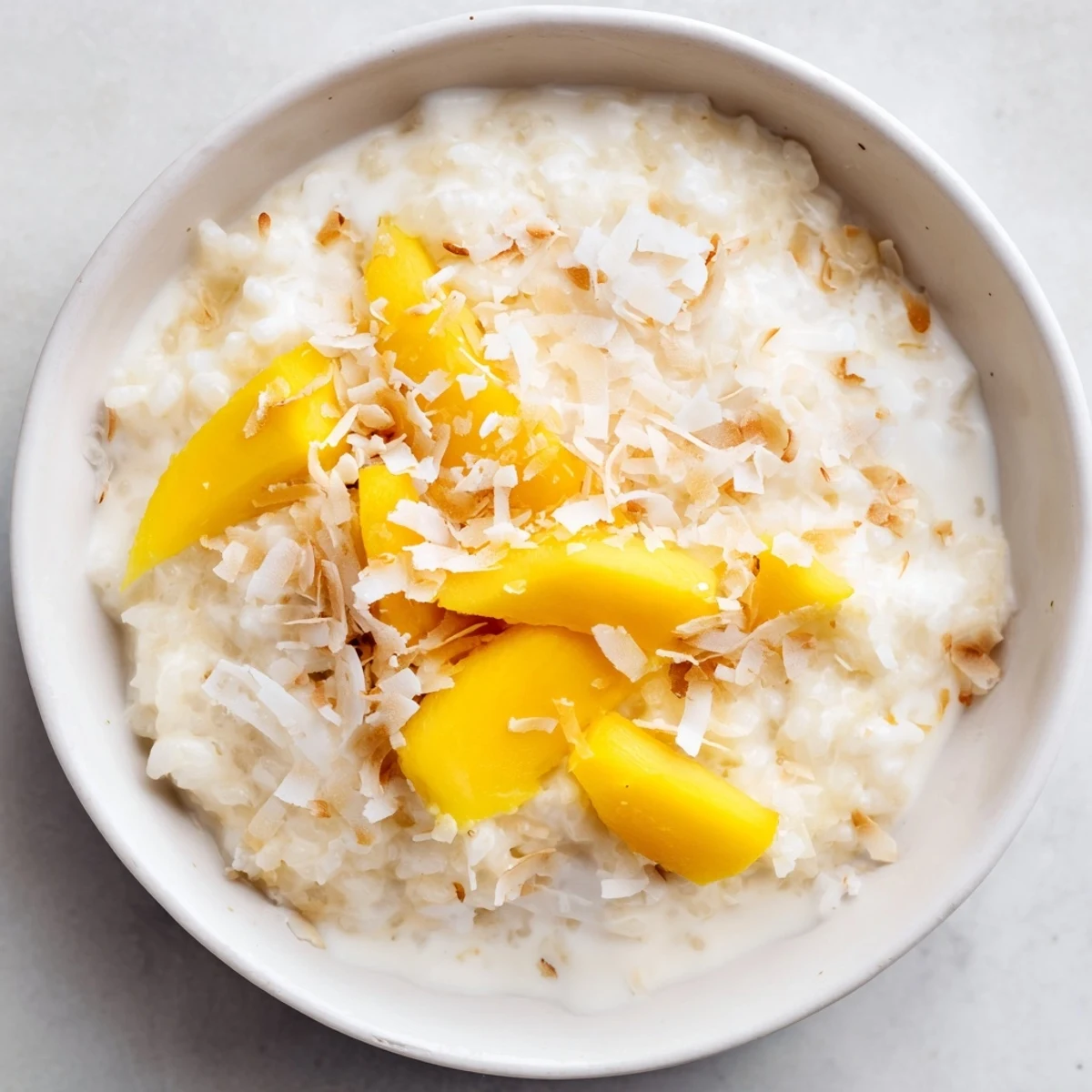
The toppings are where this dessert becomes truly yours. I keep toasted coconut on hand always, but fresh mango in season transforms it completely.
- Sprinkle ground cinnamon right before serving for a cozy finish
- Chopped pistachios add a beautiful color contrast and crunch
- A dollop of coconut whipped cream makes it feel like restaurant quality dessert
 Pin This
 Whether you eat it warm from the stove or cold from the fridge the next morning, this coconut rice pudding is simple comfort at its finest.
Recipe FAQs
- → What type of rice works best for coconut rice pudding?
-
Short-grain white rice like Arborio or sushi rice yields the creamiest results due to its high starch content. The starch releases during cooking, creating that signature velvety texture. Long-grain varieties can work but will produce a lighter, less pudding-like consistency.
- → Can I make this pudding entirely dairy-free?
-
Absolutely. Simply replace the whole milk with additional coconut milk. Full-fat coconut milk provides the richest texture, though light coconut milk creates a lighter version. The pudding remains creamy and satisfying without any dairy ingredients.
- → Why does my pudding seem too thin or runny?
-
Rice pudding naturally thickens significantly as it cools. If it seems thin right after cooking, let it rest for 15-20 minutes. The rice continues absorbing liquid even off the heat. For thicker results, simmer a few minutes longer uncovered or reduce the initial liquid amount by 1/4 cup.
- → How long can I store coconut rice pudding?
-
Store in an airtight container in the refrigerator for up to 4 days. The pudding will continue to thicken in the fridge—you may need to stir in a splash of coconut or regular milk when reheating to restore creaminess. Reheat gently on the stovetop or in the microwave.
- → What toppings complement the coconut and vanilla flavors?
-
Toast shredded coconut until golden for texture contrast. Fresh tropical fruits like mango, pineapple, or banana enhance the coconut notes. Chopped pistachios, almonds, or macadamias add crunch and nuttiness. A dusting of cinnamon, cardamom, or nutmeg elevates the warm vanilla aroma.
- → Can I reduce the sugar in this recipe?
-
Certainly. Start with 2 tablespoons instead of 1/4 cup and adjust to taste. The natural sweetness of coconut milk provides a baseline of sweetness. You can also use maple syrup, honey, or coconut sugar as alternatives, though this may slightly alter the final flavor profile.