
 Pin This
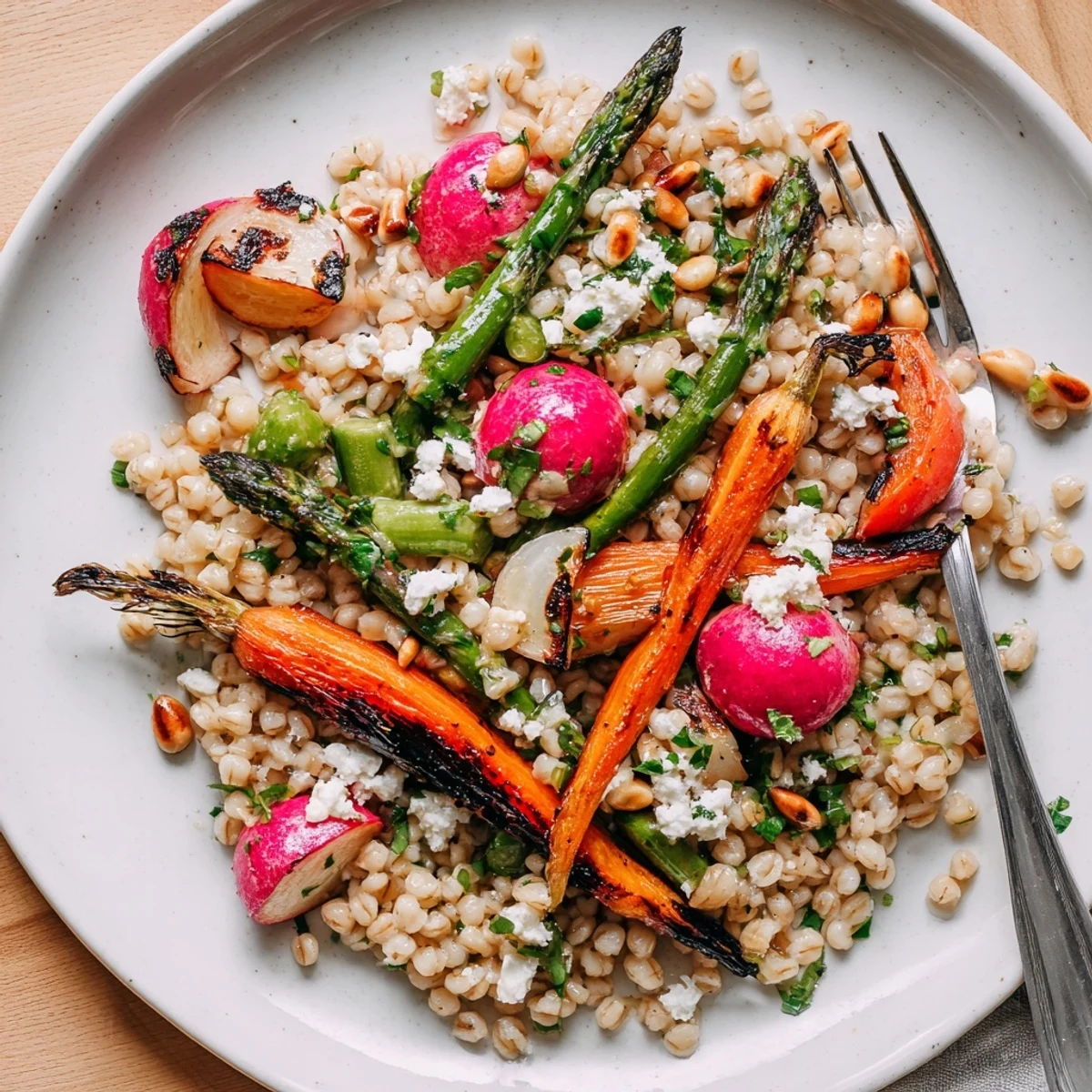
 Warm pearl barley provides a chewy base for charred radishes, baby carrots, asparagus and snap peas roasted until lightly caramelized. A bright lemon-Dijon dressing with parsley and chives ties the grains and vegetables together; a drizzle warms through the bowl for a comforting, vegetable-forward dish.
Finish with crumbled feta and toasted pine nuts for salty, crunchy contrast. Cook barley until tender, roast vegetables at 425°F for 20–25 minutes, then toss while warm. Leftovers keep well; omit cheese and use maple syrup to keep it vegan.
The sizzle of roasting vegetables and the citrusy scent of a fresh dressing filled my kitchen the first time I tried this barley salad. Sometimes I just want an unfussy but nourishing dish that feels a little special, and this one hit the spot. I remember hesitating over the combination of radishes and barley, but sometimes curiosity pays off with something unforgettable. There is an earthy heartiness to this salad that manages to taste like the very beginning of spring.
I served this salad at a last-minute dinner after a friend showed up with a surprise bottle of white wine. Our laughter mixed with the aroma of olive oil and roasted radishes, and we scooped generous spoonfuls straight from the bowl, declaring that beige food could be beautiful after all.
Ingredients
- Pearl barley: I always rinse mine until the water runs clear to ensure fluffier grains and remove any trace of dust from the packaging.
- Vegetable broth or water: Using broth gives the barley more flavor, but if you're out, water will do just fine in a pinch.
- Radishes: Roasting mellows their spiciness and lends a subtle sweetness, which was a revelation after years of only eating them raw.
- Baby carrots: Their small size means they caramelize quickly and add both color and gentle sweetness to the salad.
- Asparagus: I like to choose stalks that are not too thick, so they stay tender but not mushy after roasting.
- Sugar snap peas: Their crunch is the secret pop in every bite—just be sure to trim the ends for neatness.
- Olive oil: I learned to divide my oil usage between roasting and the dressing so each part of the dish shines.
- Sea salt and black pepper: Simple but crucial, these bring out the natural flavors of everything involved.
- Extra-virgin olive oil (for dressing): The peppery finish of good olive oil balances the brightness of lemon juice.
- Lemon juice: Freshly squeezed is best for that real lift, along with a vivid citrus aroma.
- Dijon mustard: Adds a little complexity and subtle kick to the dressing without overwhelming it.
- Honey or maple syrup: Either one works—the sweetness rounds out the sharpness of the mustard and lemon.
- Chopped fresh parsley and chives: Fresh herbs go in at the end for a clean, green finish right before serving.
- Feta cheese (optional): A crumble over the top is creamy and salty, but you can easily skip it or swap for vegan cheese.
- Toasted pine nuts (optional): I toast mine in a dry pan; they cool quickly, so keep an eye out or they'll burn before you know it.
Instructions
- Get roasting:
- Set your oven to 425°F and gather the prepped radishes, carrots, asparagus, and snap peas. Toss them with olive oil, salt, and pepper, then spread them out on a baking sheet so each piece gets its moment to caramelize.
- Roast the vegetables:
- Slide the tray onto the middle rack and roast for 20 to 25 minutes, stirring halfway through for even golden edges. You'll know they're ready when the veggies are just fork-tender and starting to take on burnt-orange and emerald highlights.
- Cook the barley:
- While the oven does its magic, bring broth (or water) to a boil, then add your rinsed barley and lower the heat. Simmer covered for about 25 to 30 minutes, checking for tenderness; drain any extra liquid at the end.
- Mix the dressing:
- Whisk together olive oil, lemon juice, Dijon, honey (or maple syrup), salt, pepper, parsley, and chives in a small bowl until creamy and well combined. The herbs should float and the dressing should have a bright, slightly emulsified look.
- Bring it all together:
- In a large bowl, toss the barley and roasted vegetables gently with the dressing so nothing gets mushed. Top with crumbled feta and toasted pine nuts if using, and serve while everything is still warm enough to bring out the springy fragrance.
 Pin This
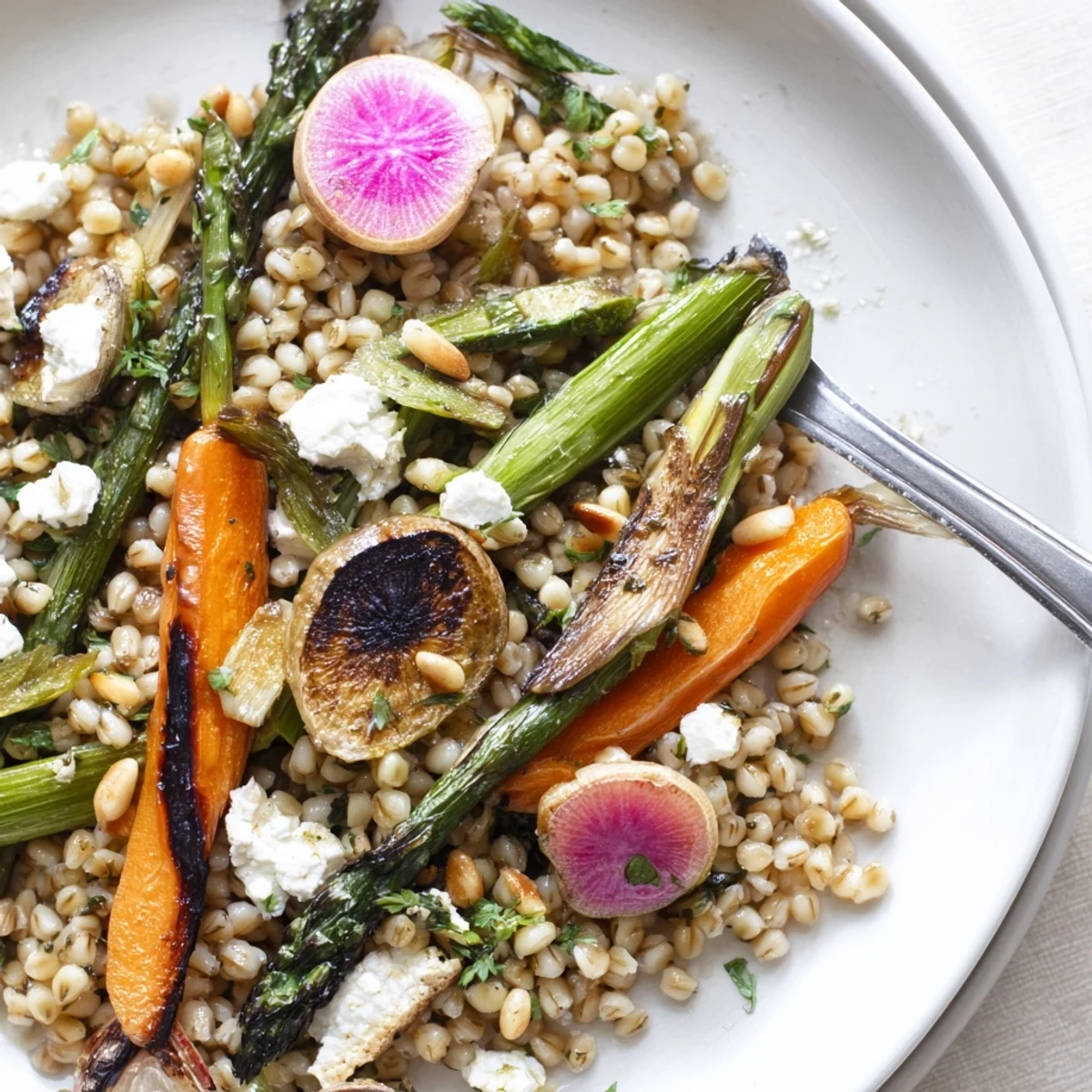
 This dish became our go-to “good news” dinner—one bite while still warm, surrounded by a handful of friends squeezing around the kitchen island, made the happiest moments even brighter.
Why Roasting Works Wonders
I used to think steaming would do, but roasting unlocks little pockets of sweetness and a richer flavor in every vegetable. That bit of char on the edges offers a contrast that plain boiled veggies can't quite match.
Swaps and Shortcuts That Actually Work
If you're missing an ingredient, don't fret—frozen peas instead of snap peas or zucchini in place of asparagus still works, and nobody has ever noticed the switch. And if you're strapped for time, quick-cooking barley from a pouch saves almost half the stove time without sacrificing texture.
What to Serve With This Salad
This salad adapts like a dream, whether as a main on its own or as a partner to grilled halloumi or a runny-yolked egg on top. I’ve served it alongside hearty soups and even folded leftovers into wraps for lunch the next day.
- If making ahead, wait to add the dressing until serving.
- For extra crunch, toss in a handful of roasted pumpkin seeds.
- Don’t skip the fresh herbs—they make all the difference in taste.
 Pin This
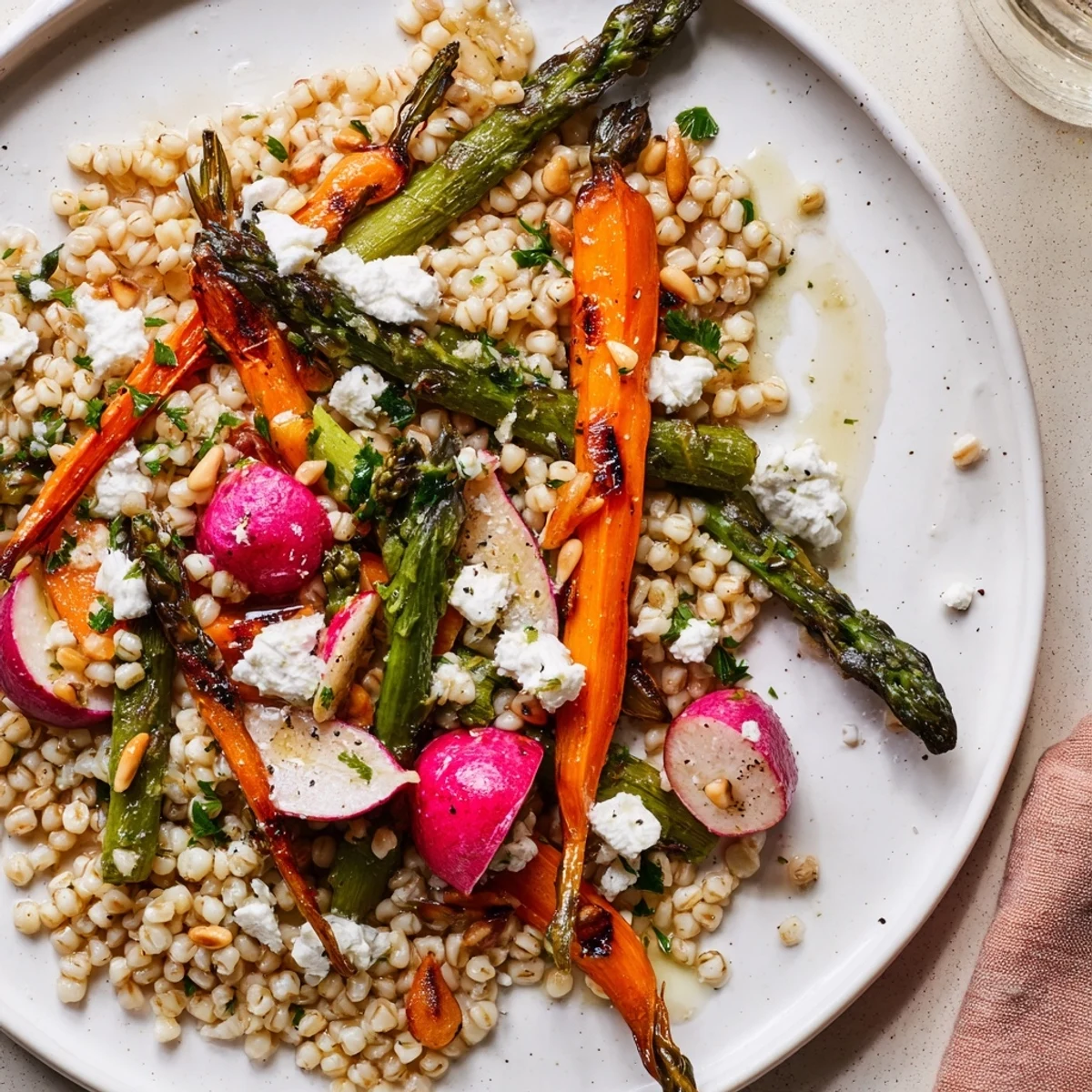
 I hope this salad brings a spot of color and comfort to your table, just as it has for me. There’s a little spring in every bowl, no matter the season outside.
Recipe FAQs
- → How long should I cook pearl barley?
-
Simmer pearl barley in broth or water for about 25–30 minutes until tender and most liquid is absorbed. Drain any excess and fluff with a fork before tossing with the roasted vegetables.
- → Can I swap barley for another grain?
-
Yes. Farro or hulled wheat offer similar chew and nuttiness; use similar cooking times. For quicker options, use quinoa (cook separately) though the texture will be lighter.
- → Any tips for roasting the spring vegetables?
-
Toss vegetables in oil, salt and pepper and spread in a single layer so they caramelize. Roast at 425°F for 20–25 minutes, stirring once, until edges are golden but not burnt.
- → How do I adapt the dressing for a vegan version?
-
Replace honey with maple syrup and omit the feta. The lemon-Dijon base with olive oil, parsley and chives still provides bright, savory balance.
- → Can this be made ahead and stored?
-
Yes. Store barley and roasted vegetables separately in airtight containers for up to 3 days. Combine and dress just before serving to retain texture.
- → What else pairs well with this warm grain and vegetable mix?
-
Add blanched peas or grilled zucchini for variety, or serve alongside a simple green salad or grilled protein. Toasted pine nuts and crumbled feta add texture and salty richness.