
 Pin This
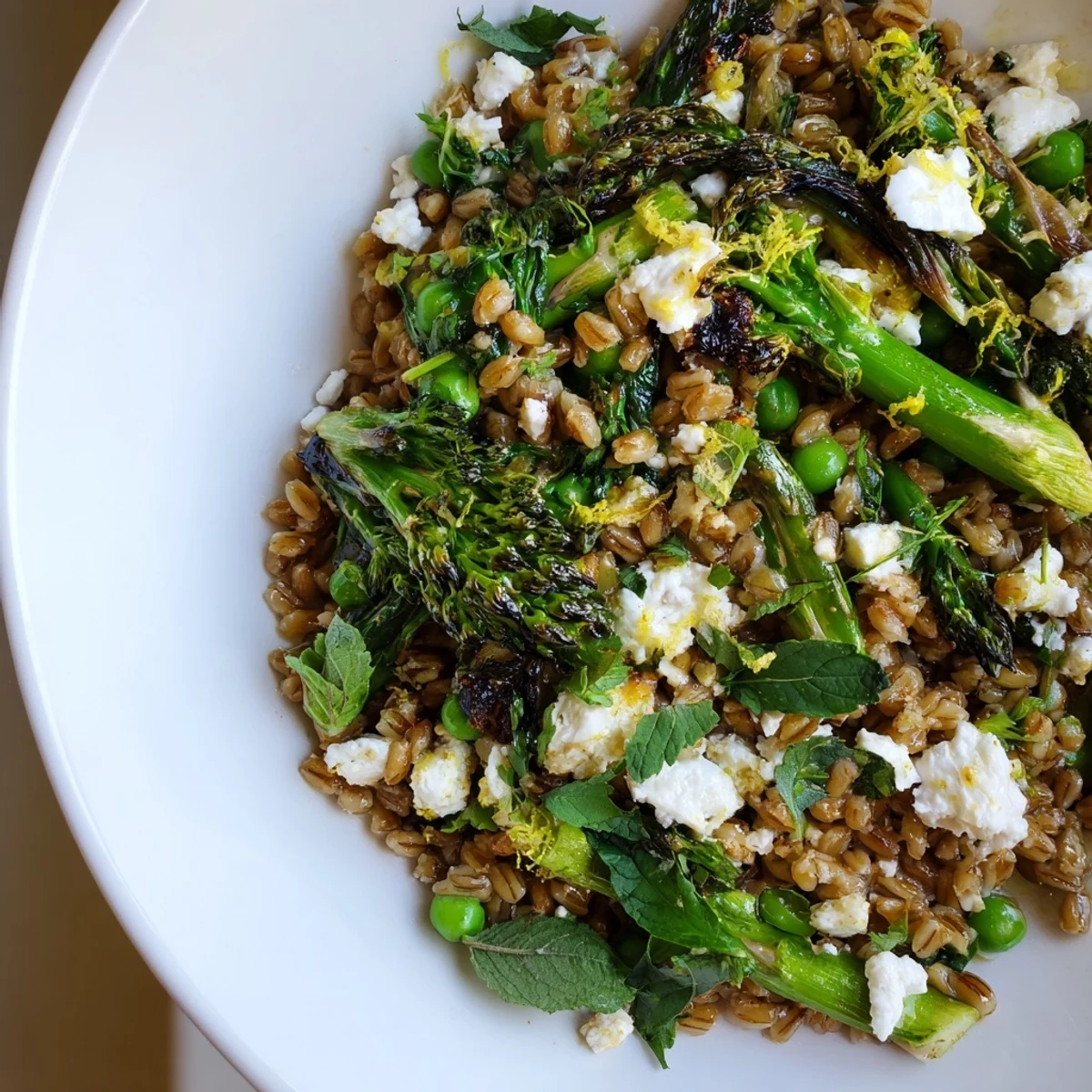
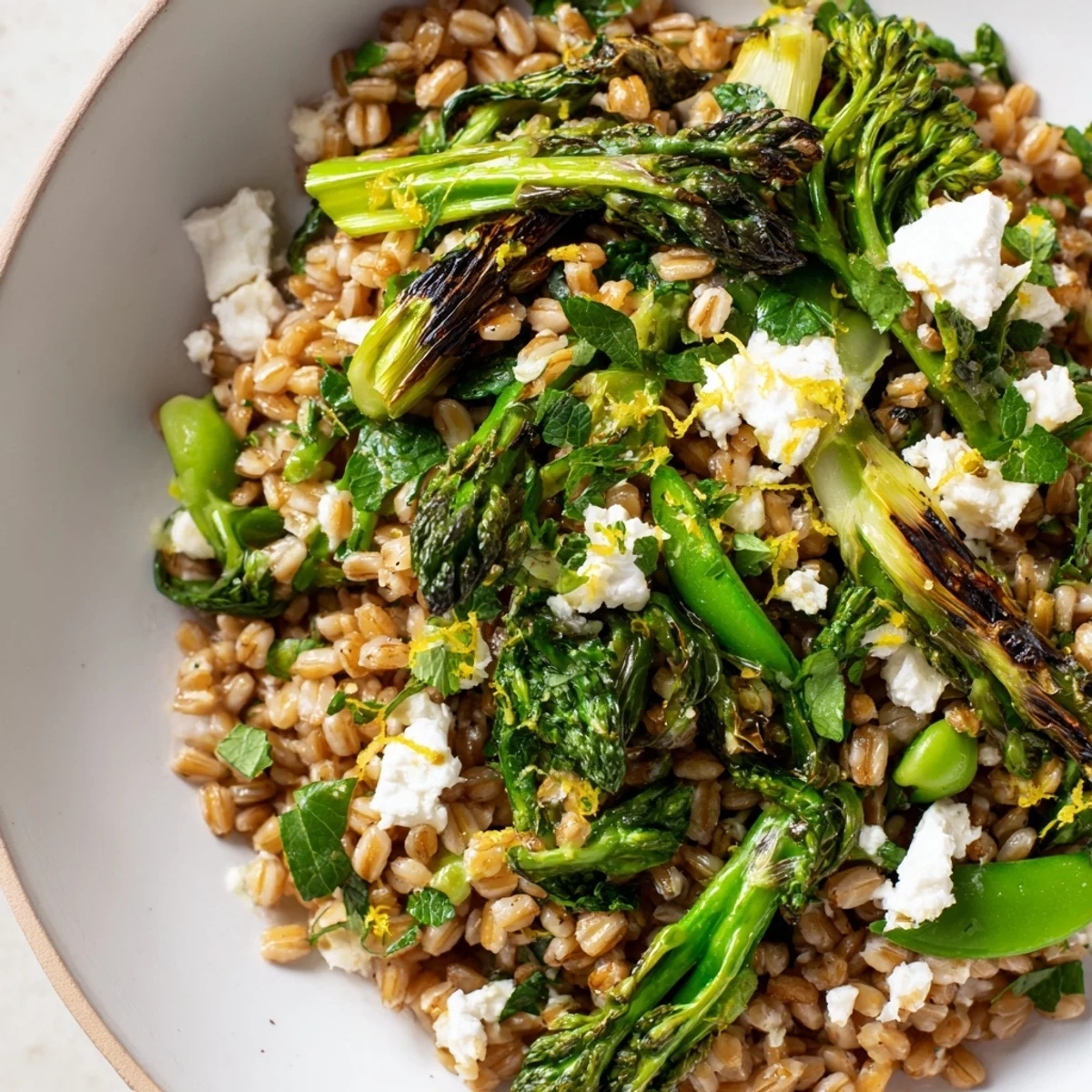
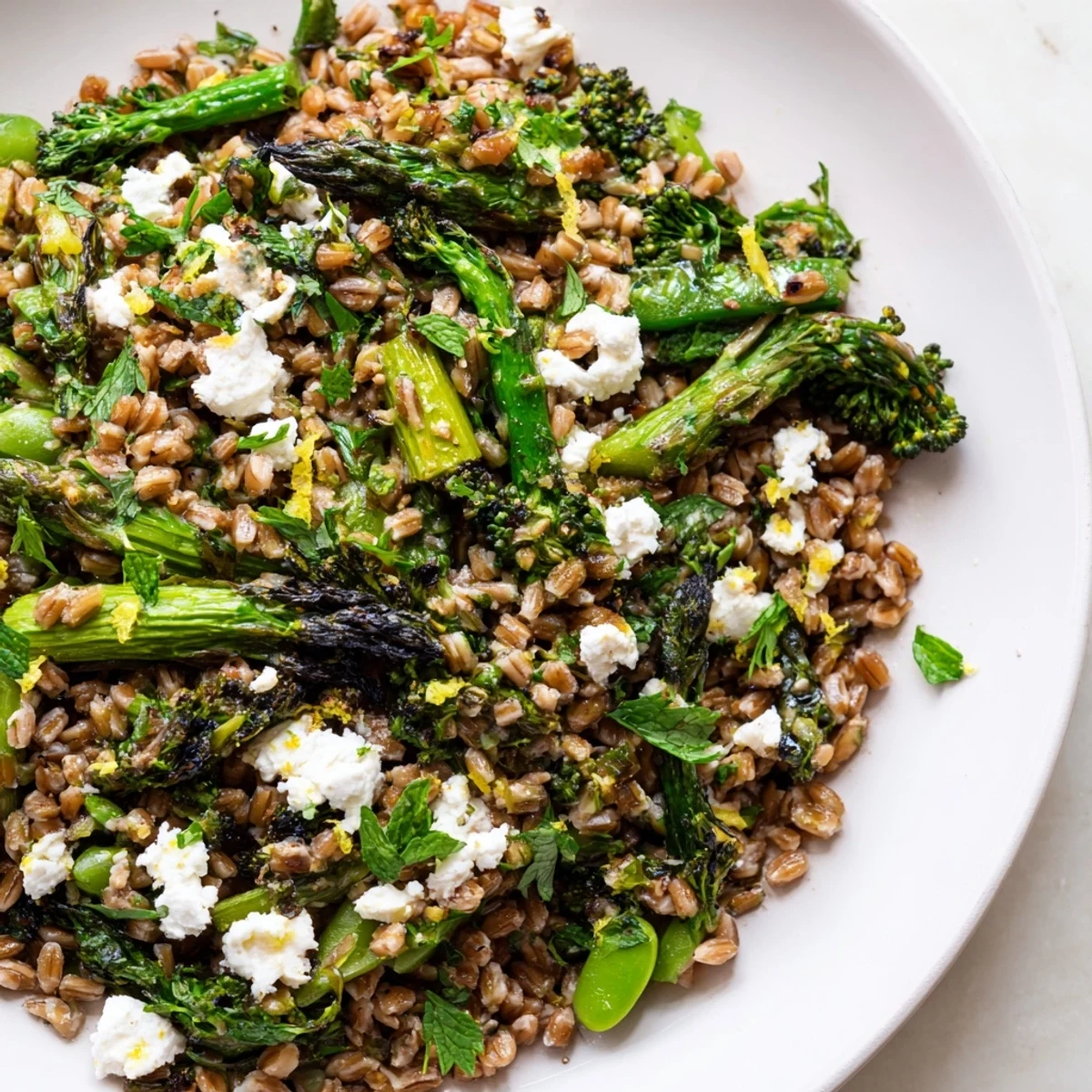
 This wholesome bowl features chewy, nutty farro as the base, complemented by tender roasted asparagus, broccolini, and crisp sugar snap peas. The vegetables develop a lovely char in the oven, adding depth to the dish. A bright dressing with fresh lemon juice, Dijon mustard, and a touch of honey ties everything together. Baby spinach wilts gently when tossed with the warm farro, adding fresh color and nutrients. Finished with crumbled feta, fresh herbs, and lemon zest, this versatile dish shines as a light main or impressive side.
The first time I made farro, I burned it because I was too impatient with the heat. Now I know this grain rewards a gentle simmer and some patience. There is something deeply satisfying about how farro holds its shape while becoming tender. It has this nutty wholesomeness that makes everything else taste better.
I served this at a small dinner party last spring when friends dropped by unexpectedly. Everyone kept asking what the grain was because it looked hearty but felt light. One friend said she felt energized after eating it instead of heavy.
Ingredients
- Farro: This ancient grain brings a nutty foundation and protein-rich body that keeps the salad satisfying for hours
- Spring vegetables: Asparagus and broccolini roast into sweet tender bites while snap peas add fresh crunch
- Baby spinach: Added at the end so it wilts just enough from the warm grains without becoming mushy
- Lemon dressing: The bright acid cuts through the earthy farro while honey balances the mustard sharpness
- Feta and herbs: Optional but they add salty pops and fresh aromatic finishes that make each bite interesting
Instructions
- Get the farro going first:
- Rinse the farro under cold water until the water runs clear. Simmer it with salted water for 25 to 30 minutes until tender but still pleasantly chewy.
- Roast the vegetables while farro cooks:
- Toss asparagus broccolini and snap peas with olive oil and spread on a hot baking sheet. Roast at 425°F for 15 to 18 minutes until they char at the edges.
- Whisk together the bright dressing:
- Combine olive oil lemon juice Dijon mustard garlic and honey in a small bowl. Season with salt and pepper then whisk until creamy and emulsified.
- Bring everything together:
- Toss the warm farro with roasted vegetables and fresh baby spinach. Pour the dressing over and mix gently so the spinach wilts slightly.
- Finish with personality:
- Top with crumbled feta fresh herbs and lemon zest right before serving. Serve it warm so the flavors remain vibrant.
 Pin This
 This dish has become my go-to when I want something that feels nourishing but not heavy. It works equally well for a quiet Monday dinner or a weekend lunch with friends gathered around the table.
Make It Your Own
Sometimes I add toasted walnuts or sunflower seeds for extra crunch and protein. A handful of fresh mint or basil alongside the parsley wakes everything up in warmer months. The beauty here is how easily it adapts to whatever looks fresh at the market.
Meal Prep Magic
The flavors actually improve after a day in the refrigerator as the farro soaks up more of the dressing. I pack the fresh herbs separately and sprinkle them on right before eating. It keeps beautifully for four days and makes the most satisfying desk lunch.
Serving Suggestions
This works as a standalone main but also pairs beautifully alongside grilled fish or roasted chicken. In summer I serve it over arugula for extra greens. A glass of crisp white wine makes it feel like a restaurant meal.
- Try swapping in barley or quinoa if farro is unavailable
- For extra protein add chickpeas or grilled chicken
- The feta can be omitted or replaced with vegan alternatives
 Pin This
 There is something honest about food this simple and nourishing. Hope it brings a little warmth to your table too.
Recipe FAQs
- → Can I make this dish ahead of time?
-
Yes, this dish works wonderfully for meal prep. Cook the farro and roast vegetables up to 2 days ahead. Store them separately in the refrigerator and combine with fresh spinach just before serving. The dressing can also be made in advance—shake well before tossing.
- → What can I substitute for farro?
-
Barley, wheat berries, or quinoa work well as alternatives. Barrow and wheat berries offer similar chewy textures, while quinoa provides a lighter option and is naturally gluten-free. Adjust cooking times according to package directions.
- → Is this dish served warm or cold?
-
It's designed to be served warm, but it's equally delicious at room temperature. The flavors actually develop more depth as it sits. Avoid serving it straight from the refrigerator—let it rest for 20-30 minutes for the best taste and texture.
- → How do I know when the farro is done cooking?
-
Taste test the grains after 25 minutes. Perfectly cooked farro should be tender but still retain a pleasant chew in the center. If it's too crunchy, continue simmering for another 5-10 minutes and drain any excess liquid.
- → Can I add protein to make this more filling?
-
Absolutely. Grilled chicken, chickpeas, white beans, or pan-seared tofu all complement the Mediterranean flavors. For a quick option, toss in a can of drained beans or top with sliced hard-boiled eggs.
- → What other vegetables work in this dish?
-
Feel free to customize based on the season. Roasted bell peppers, zucchini, or cherry tomatoes add color and sweetness. In winter, try Brussels sprouts or butternut squash. Keep the roasting time similar for consistent results.