
 Pin This
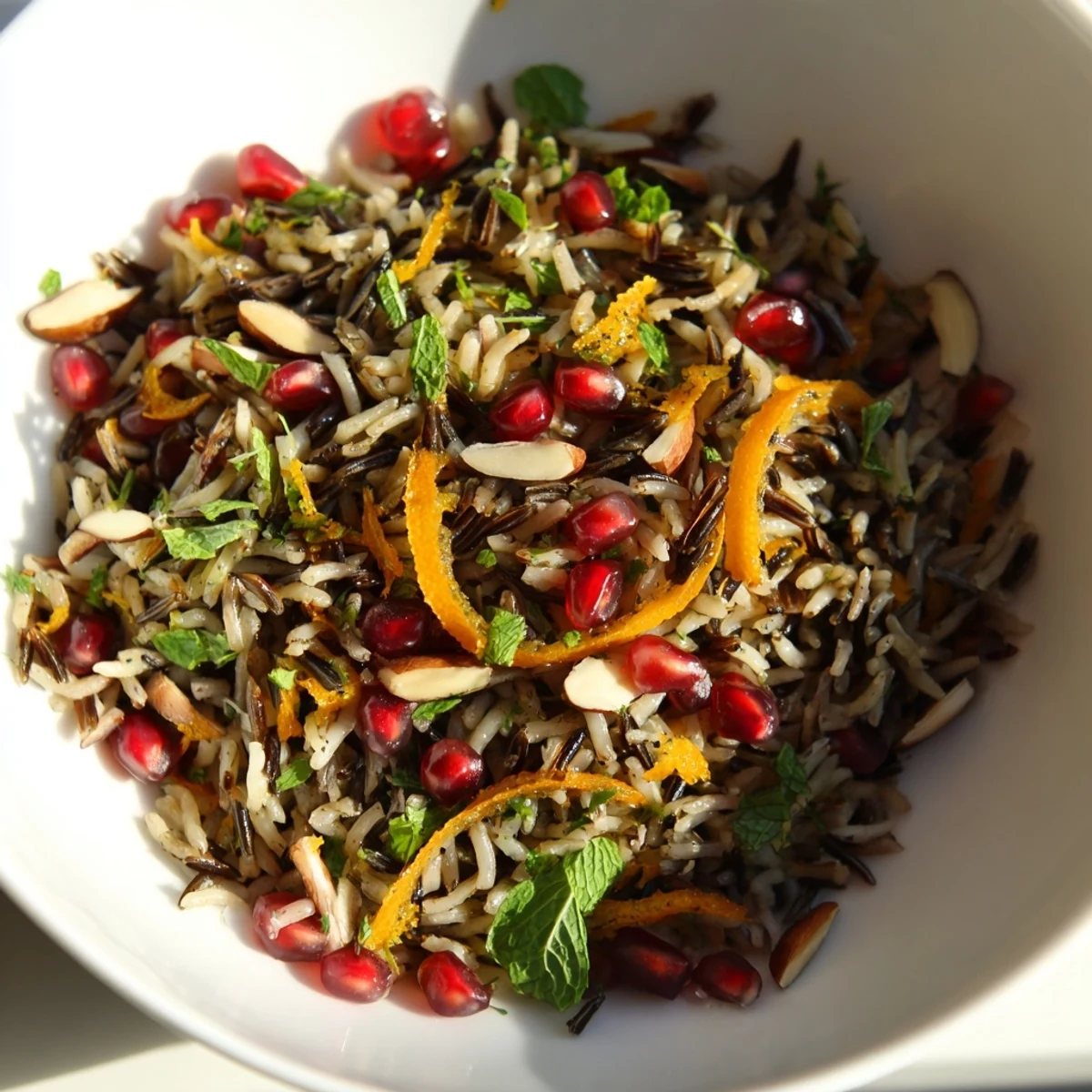
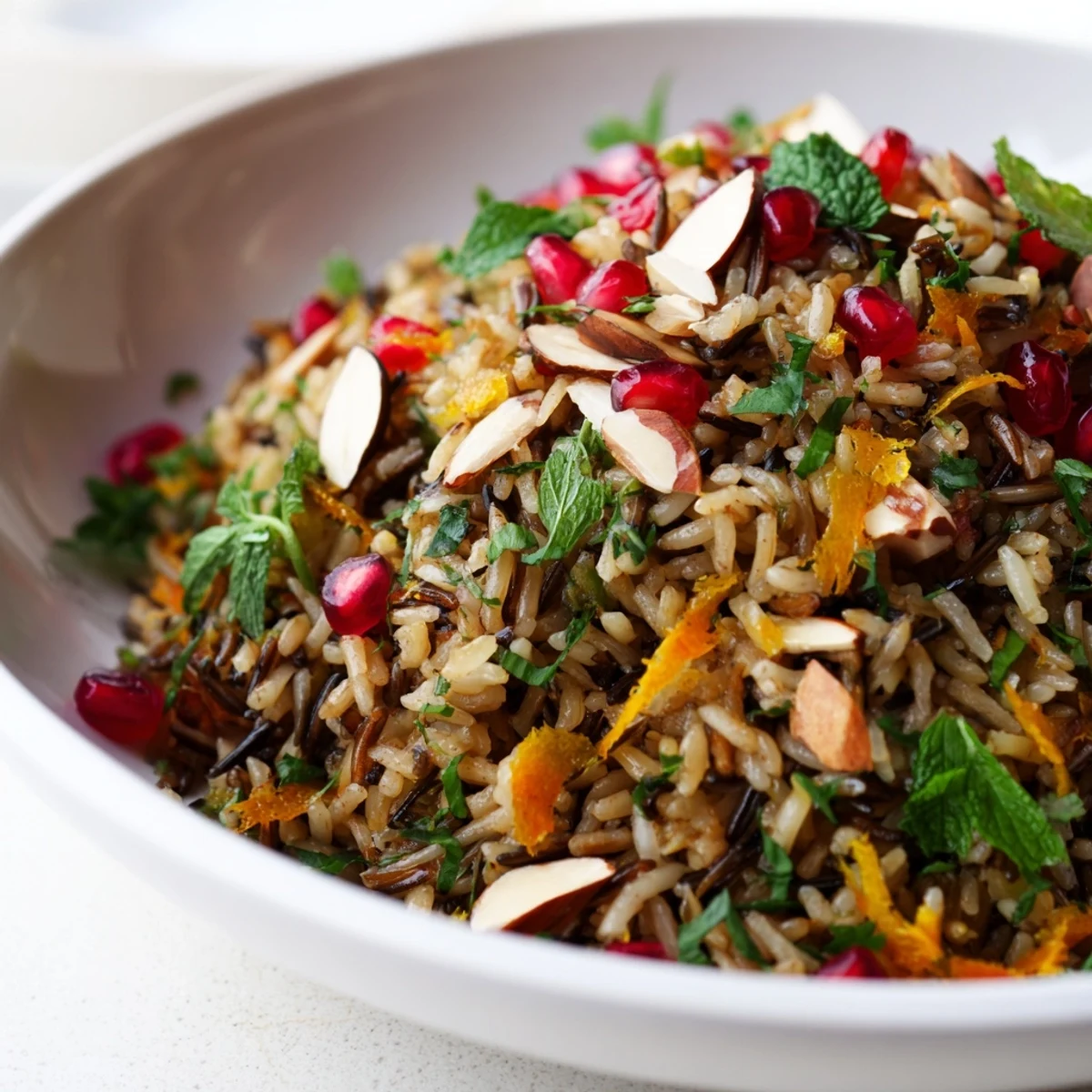
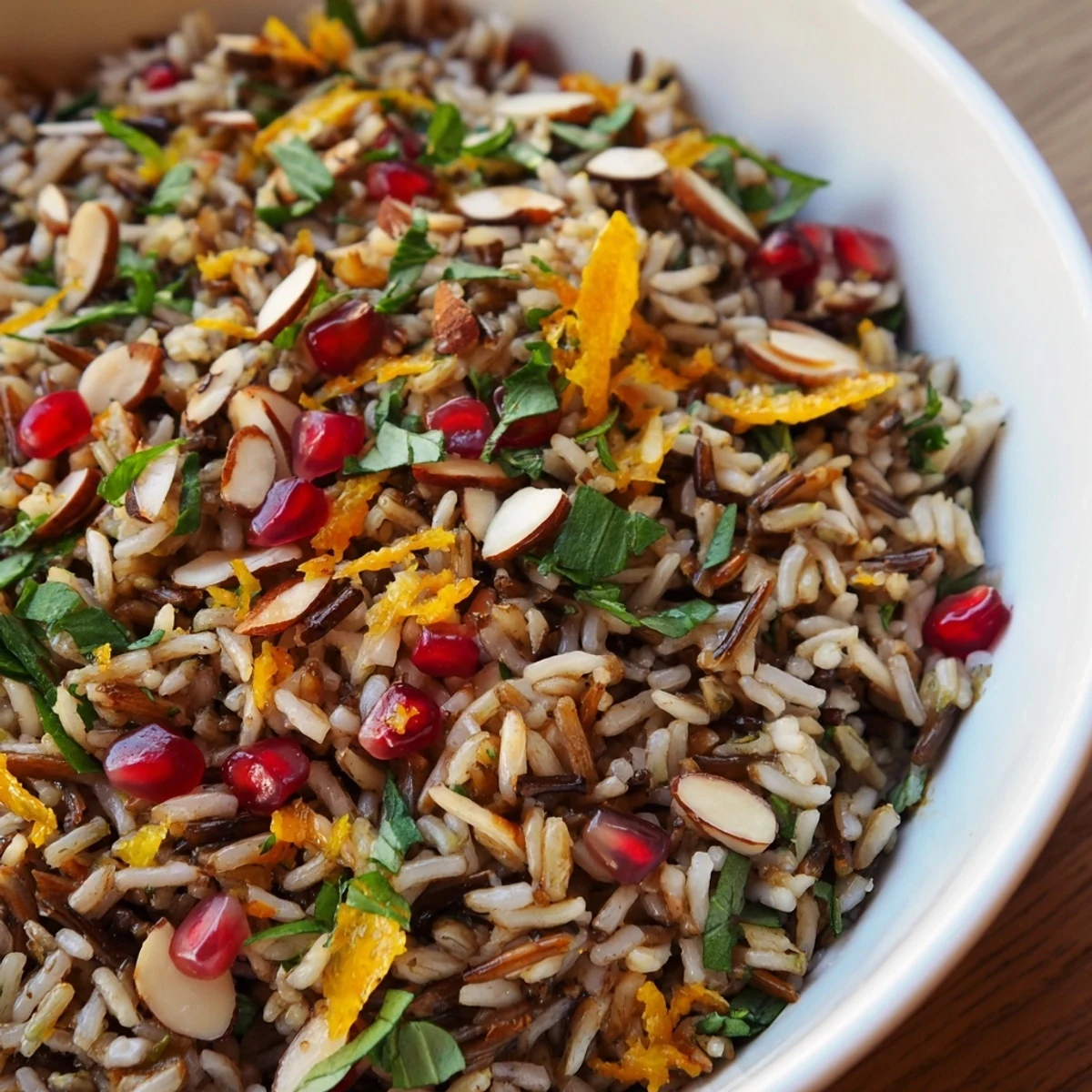
 This Wild Citrus Bright Rice Pilaf combines nutty wild rice blend with bold orange and lemon flavors, creating an aromatic and colorful dish. Sauté onion, celery, and carrots until softened, then add garlic and toasted rice before deglazing with citrus juices and broth. Simmer 35 minutes until tender, then finish with fresh parsley and mint for brightness. Topped with pomegranate seeds and toasted almonds for crunch and elegance. Ready in just 50 minutes, this vegetarian and gluten-free pilaf works beautifully as a side dish or stands alone as a light meal.
The scent of citrus zest hitting warm oil always transports me to that summer evening when I first experimented with this wild rice pilaf. I had a surplus of oranges and lemons from my neighbor's trees and decided they'd bring life to an otherwise ordinary rice dish. The kitchen filled with such a bright, uplifting aroma that even my teenage son wandered in from his room to investigate what was cooking.
Last spring, I brought this pilaf to our neighborhood potluck and watched as people took second and third helpings. My usually reserved neighbor Jeff actually asked for the recipe, muttering something about never having tasted rice with such a refreshing lift. I stood in the corner smiling, knowing the secret was nothing more than the generous amount of fresh citrus zest that transforms the entire dish.
Ingredients
- Wild rice blend: The mix of wild and long-grain rice creates a fantastic texture variation I discovered when trying to use up pantry odds and ends, so dont substitute with just one type.
- Fresh citrus zest: Zesting directly over the pan captures those fragrant oils that would otherwise be left on your cutting board, a trick my grandmother taught me that makes all the difference.
- Red onion: Its subtle sweetness develops beautifully when sautéed slowly, bringing a complexity that yellow onions just cant match in this particular dish.
- Fresh herbs: The combination of parsley and mint might sound unusual, but their brightness mirrors the citrus in a way that dried herbs simply cannot replicate.
- Pomegranate seeds: These little jewels add unexpected bursts of tartness that complement the citrus notes while adding beautiful color contrast against the dark rice.
Instructions
- Prepare the rice foundation:
- Rinse your wild rice blend thoroughly under cold water until it runs clear. This removes excess starch and ensures each grain will remain distinct and fluffy in the final dish.
- Build the aromatic base:
- Heat that olive oil until it shimmers slightly, then add your chopped onion, celery, and carrots. Listen for that gentle sizzle as they hit the pan, stirring occasionally until they soften and the onions become translucent with just a hint of caramelization at the edges.
- Awaken the garlic:
- When you add the minced garlic, youll immediately notice its pungent aroma blooming in the hot oil. Keep it moving in the pan for just about a minute to prevent any bitter burning.
- Toast the rice:
- This quick step of stirring the rice into the aromatics before adding liquid creates a protective coating on each grain. Youll notice the rice becoming slightly translucent around the edges as it absorbs the flavorful oil.
- Create the citrus infusion:
- As you pour in the vegetable broth along with all those vibrant citrus juices and zests, the kitchen will fill with an incredible aroma. Watch as the liquid comes to a gentle boil, carrying little flecks of orange and yellow throughout the pan.
- Simmer to perfection:
- Once youve reduced the heat and covered the pan, resist the urge to peek too often. That slow, steady simmer is transforming those simple ingredients into something magical as the rice gradually absorbs all those complex flavors.
- Rest and rejuvenate:
- Allowing the rice to rest off-heat for those 5 minutes might seem unnecessary, but this patience allows the remaining moisture to distribute evenly through each grain. Youll be rewarded with perfectly tender rice that isnt mushy or sticky.
- Introduce fresh herbs:
- When you fold in the parsley and mint, do it gently with a fork rather than a spoon. This preserves the fluffiness of the rice while distributing those bright, green flecks of herb throughout.
- Final flourish:
- The pomegranate seeds and toasted almonds arent just pretty garnishes, they transform each bite with contrasting textures and flavors. Sprinkle them from a height to ensure they distribute evenly across the serving dish.
 Pin This
 This pilaf became something of a signature dish for me after serving it at my sisters engagement dinner. The table fell momentarily silent as everyone took their first bite, then erupted into questions about what made it taste so vibrant. My brother-in-law later told me it was this dish that convinced him I should cater their small wedding reception, a compliment that still makes me smile years later.
Storing and Reheating
I discovered purely by accident that this pilaf actually develops deeper flavor profiles when stored overnight in the refrigerator. The citrus notes mellow slightly while the herbs and spices intensify, creating an even more complex taste experience. When reheating, I add a tiny splash of water and cover with a damp paper towel before microwaving, which restores the fluffy texture without drying out the grains.
Seasonal Adaptations
During winter months when citrus is at its peak, I like to experiment with more exotic varieties like blood oranges or Meyer lemons, which each bring their own unique character to the dish. In summer, I sometimes fold in a handful of fresh blueberries just before serving, their burst of juicy sweetness playing beautifully against the zesty background of the rice.
Serving Suggestions
The versatility of this pilaf continues to surprise me even after making it dozens of times. Ive served it alongside everything from simple grilled fish to elaborate holiday roasts, and it somehow complements rather than competes with the main dish every time.
- For a complete protein-rich meal, add a cup of rinsed canned chickpeas during the final five minutes of cooking.
- This makes an unexpectedly delicious stuffing for halved bell peppers, topped with a sprinkle of cheese and baked until bubbly.
- Leftover pilaf can transform into an incredible cold rice salad for lunch the next day with the addition of cucumber, feta, and a drizzle of olive oil.
 Pin This
 Every time I make this wild citrus rice pilaf, Im reminded that cooking isnt just about feeding bodies but about creating moments of connection. This bright, vibrant dish has a way of making ordinary meals feel just a little bit special.
Recipe FAQs
- → Can I prepare this pilaf ahead of time?
-
Yes, this pilaf keeps well in the refrigerator for up to 3 days. Store it in an airtight container and gently reheat on the stovetop with a splash of broth to restore moisture and warmth.
- → What can I substitute for wild rice blend?
-
You can use white rice, brown rice, or quinoa as alternatives. Adjust cooking times accordingly—white rice typically needs 18 minutes, brown rice 45 minutes, and quinoa 15 minutes.
- → How do I add protein to this dish?
-
Stir in cooked chickpeas, white beans, or lentils for vegetarian protein. Alternatively, serve alongside grilled chicken, roasted tofu, or pan-seared fish for a complete meal.
- → Are there garnish alternatives to pomegranate seeds?
-
Absolutely. Try dried cranberries, golden raisins, dried apricots, or fresh citrus segments for sweetness. You can also add toasted pine nuts or sunflower seeds in place of or alongside almonds.
- → How do I ensure the rice remains fluffy and not mushy?
-
Rinse the rice thoroughly before cooking to remove excess starch. Use the exact liquid measurement, maintain a gentle simmer over low heat, and avoid stirring once covered. Let it rest 5 minutes after cooking for optimal texture.
- → Can this pilaf be served cold as a salad?
-
Yes, it makes an excellent chilled salad. Let it cool completely, then toss with extra fresh herbs, a light vinaigrette, or additional citrus juice. Add crisp vegetables like cucumber or bell peppers for extra texture.