
 Pin This
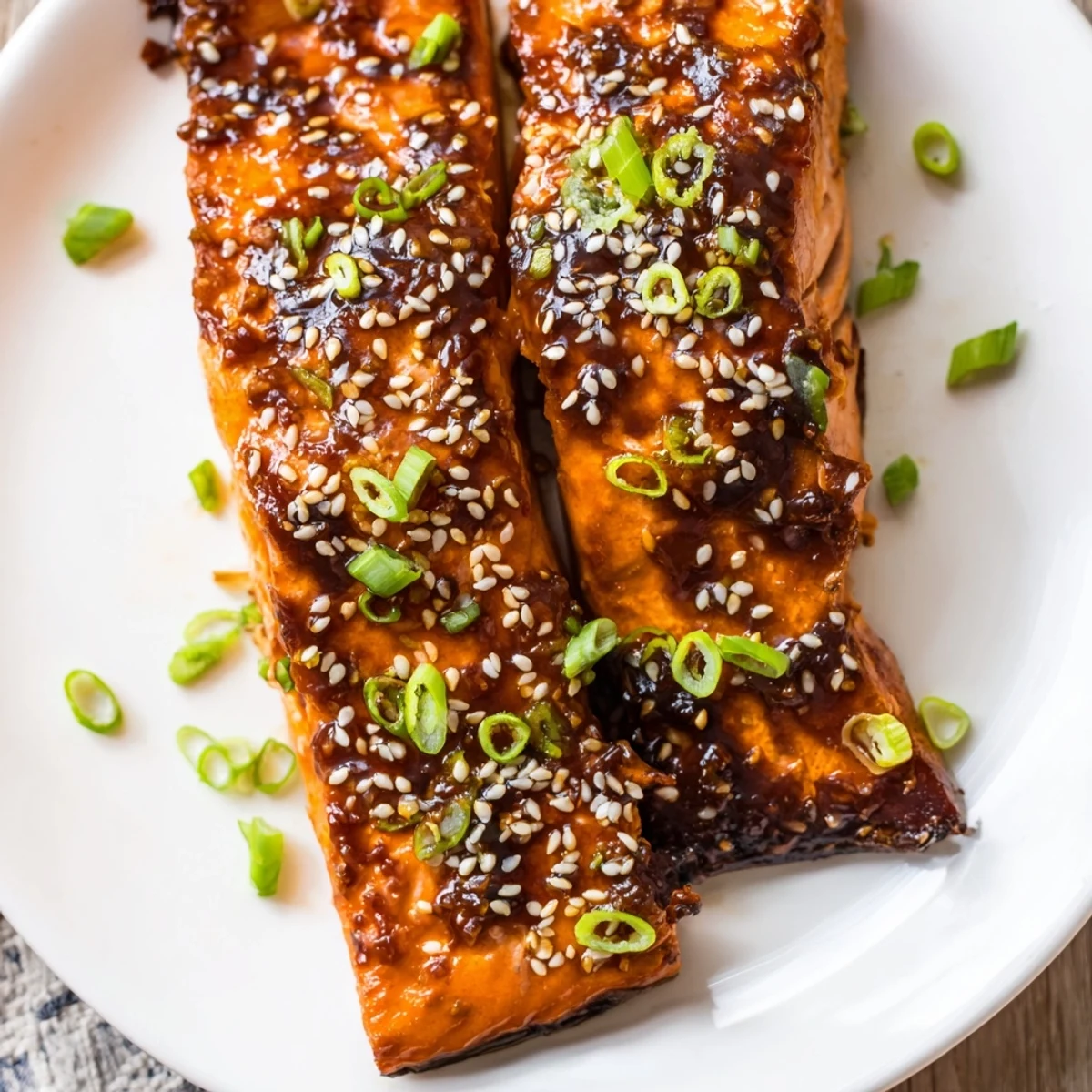
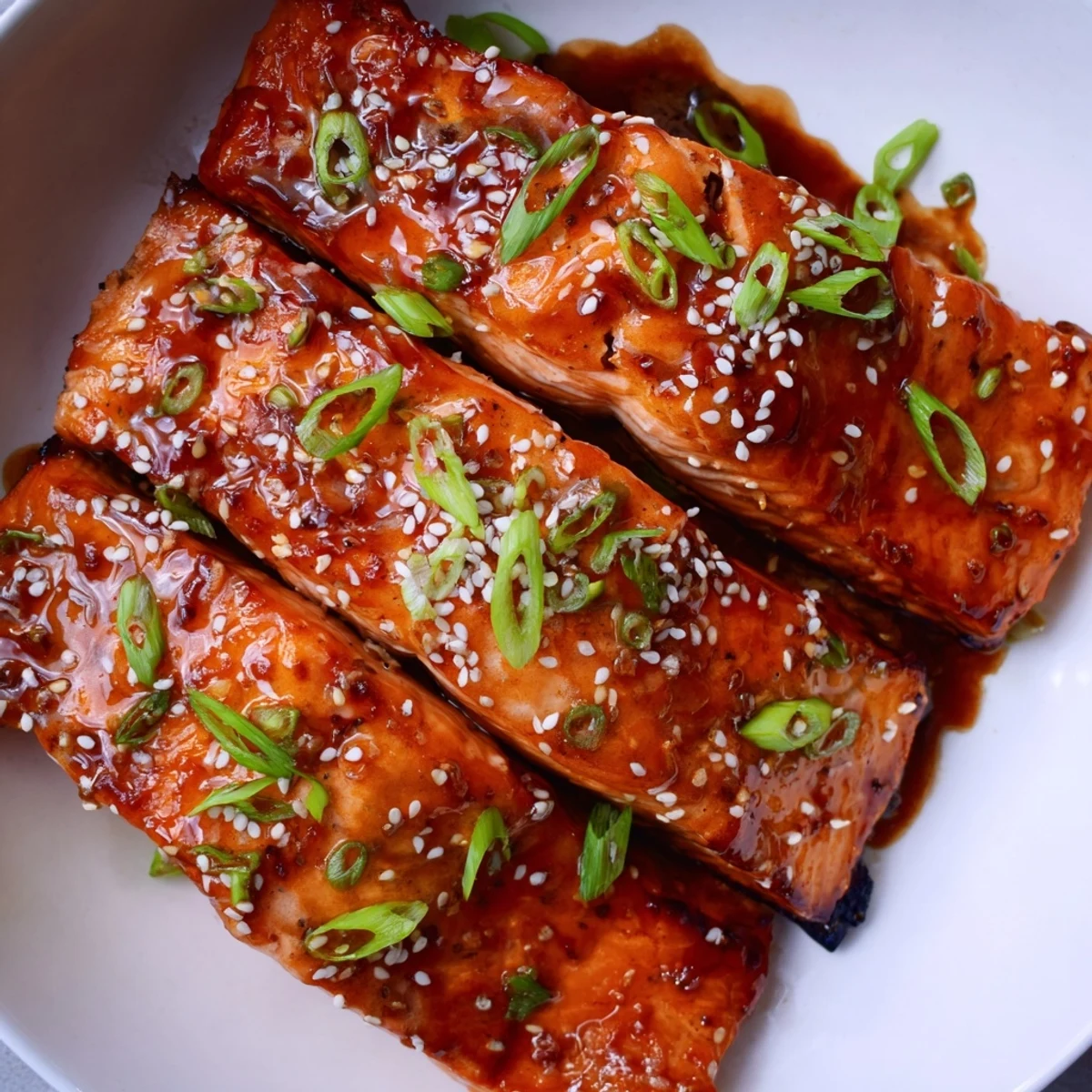
 This dish features tender salmon fillets brushed with a sweet and savory maple-soy glaze, then oven-roasted to achieve a caramelized finish. A simple blend of maple syrup, soy sauce, ginger, garlic, and lemon creates a balanced flavor profile that enhances the natural richness of the fish. Garnished with sesame seeds and green onions, it offers a delightful fusion of flavors ideal for quick weeknight dinners or entertaining guests.
I still remember the evening I first made maple soy salmon—it was a Tuesday night, the kind of day where I needed something impressive but didn't have hours to spend in the kitchen. A friend was coming over unexpectedly, and I found myself reaching for salmon and a bottle of maple syrup from the back of my pantry. That first batch, brushed with that glossy amber glaze and roasted until the edges caught just a hint of caramelization, changed how I think about weeknight cooking. It felt fancy, tasted restaurant-quality, but took barely more time than ordering takeout. Now, whenever I want to feel like I'm doing something special without the stress, this is the dish that comes to mind.
I'll never forget serving this to my parents for the first time. My mom, who tends to be skeptical about anything fusion, took one bite and asked if I'd been holding out on them. That's when I knew this recipe had staying power—it's the kind of thing that bridges preferences and expectations, sweet enough to feel indulgent but savory enough to feel substantial.
Ingredients
- Salmon fillets (4, about 170 g each): The star of the show—I've learned that skin-on fillets stay moister and develop a lovely texture when roasted, but skinless works just as well if that's what you prefer. Look for fillets that feel firm and smell clean and ocean-like, not fishy
- Pure maple syrup (3 tbsp): This is where the magic happens. Real maple syrup brings a subtle complexity that regular pancake syrup just can't match; it caramelizes beautifully in the oven and creates those irresistible sticky edges
- Low-sodium soy sauce (2 tbsp): The savory anchor that keeps the sweetness balanced. Low-sodium lets you control the salt and prevents the glaze from becoming one-dimensional
- Fresh lemon juice (1 tbsp): A splash of brightness that cuts through the richness and makes you taste each ingredient more clearly
- Olive oil (1 tbsp): Helps the glaze coat evenly and keeps the salmon tender from the inside out
- Garlic and ginger (2 cloves minced, 1 tsp grated): These two are your secret weapons—they add depth and warmth that make people wonder what you did differently. Fresh is essential here; the flavor difference is worth the extra 30 seconds of prep
- Freshly ground black pepper (1/4 tsp): A gentle finish of heat that makes everything taste more intentional
- Sesame seeds and green onions (optional but recommended): These garnishes aren't just pretty—they add texture and a fresh element that completes the experience
Instructions
- Get your oven ready:
- Preheat to 200°C (400°F) and line your baking sheet with parchment paper or give it a light coating of oil. This step takes just a minute but saves you from sticky cleanup later—trust me, it's worth it.
- Build the glaze:
- In a small bowl, whisk together the maple syrup, soy sauce, lemon juice, and olive oil until they're fully combined. Then stir in your minced garlic and grated ginger—you'll notice how quickly the kitchen starts to smell amazing. Add the black pepper and mix one more time. The consistency should be glossy and pourable, not thick or gluey.
- Position your salmon:
- Place each fillet skin-side down on your prepared baking sheet, arranging them so they have a little breathing room around each one. This matters more than you might think—the air circulation helps them cook more evenly.
- Apply the glaze:
- Using a pastry brush, generously coat each fillet with the maple-soy mixture, making sure you get into any curves or thicker sections. Reserve about a tablespoon of the glaze for a finishing touch later—this is the secret to that restaurant-quality shine at the end.
- Roast to perfection:
- Slide the baking sheet into your oven and set a timer for 12 to 15 minutes. The salmon is ready when it flakes easily with a fork and the flesh has turned opaque all the way through. The thicker the fillets, the longer they'll need; thinner ones might be done in 12 minutes, while thicker ones might need the full 15.
- Final touch:
- Remove the baking sheet from the oven and brush each fillet with that reserved glaze. This is what makes people lean back and smile—the second application gives you that glossy, caramelized finish that's impossible to resist.
- Plate and serve:
- Transfer to serving plates while everything is still warm, scatter sesame seeds and sliced green onions over the top if you're using them, and serve immediately. The salmon is best enjoyed right out of the oven when the glaze is still slightly sticky and warm.
 Pin This
 There's something about salmon that makes dinner feel like an occasion. I once made this for my sister during a difficult week, and she told me later that sitting down to eat something that thoughtful, that good, was exactly what she needed. That's when I realized this dish is about more than just feeding people—it's about showing up for them.
Making It Your Own
The beauty of this recipe is how adaptable it is to what you have on hand or what you're craving. I've experimented with different variations depending on the season and what's in my pantry. Some nights I add a touch of sesame oil to the glaze for deeper richness, or I swap the lemon juice for lime if I'm feeling like the dish needs more tropical brightness. Once, I brushed the salmon with the glaze and let it marinate for 20 minutes before roasting, and the flavors deepened in a way that felt special. Don't be afraid to play with proportions either—if you love ginger, add half a teaspoon more; if maple isn't your thing, try honey or even a touch of brown sugar instead.
Sides That Make Sense
This salmon sings alongside dishes that either complement its richness or contrast with its sweetness. Steamed jasmine rice soaks up every bit of glaze and feels deeply satisfying. Sautéed greens—bok choy, spinach, or even simple broccoli with garlic—provide a fresh counterpoint and balance the plate beautifully. I've also served it with roasted asparagus tossed in a little olive oil and salt, or with a simple cucumber salad dressed with rice vinegar and a pinch of sugar. The key is choosing sides that feel lighter rather than heavier, so the salmon remains the star.
Timing and Flexibility
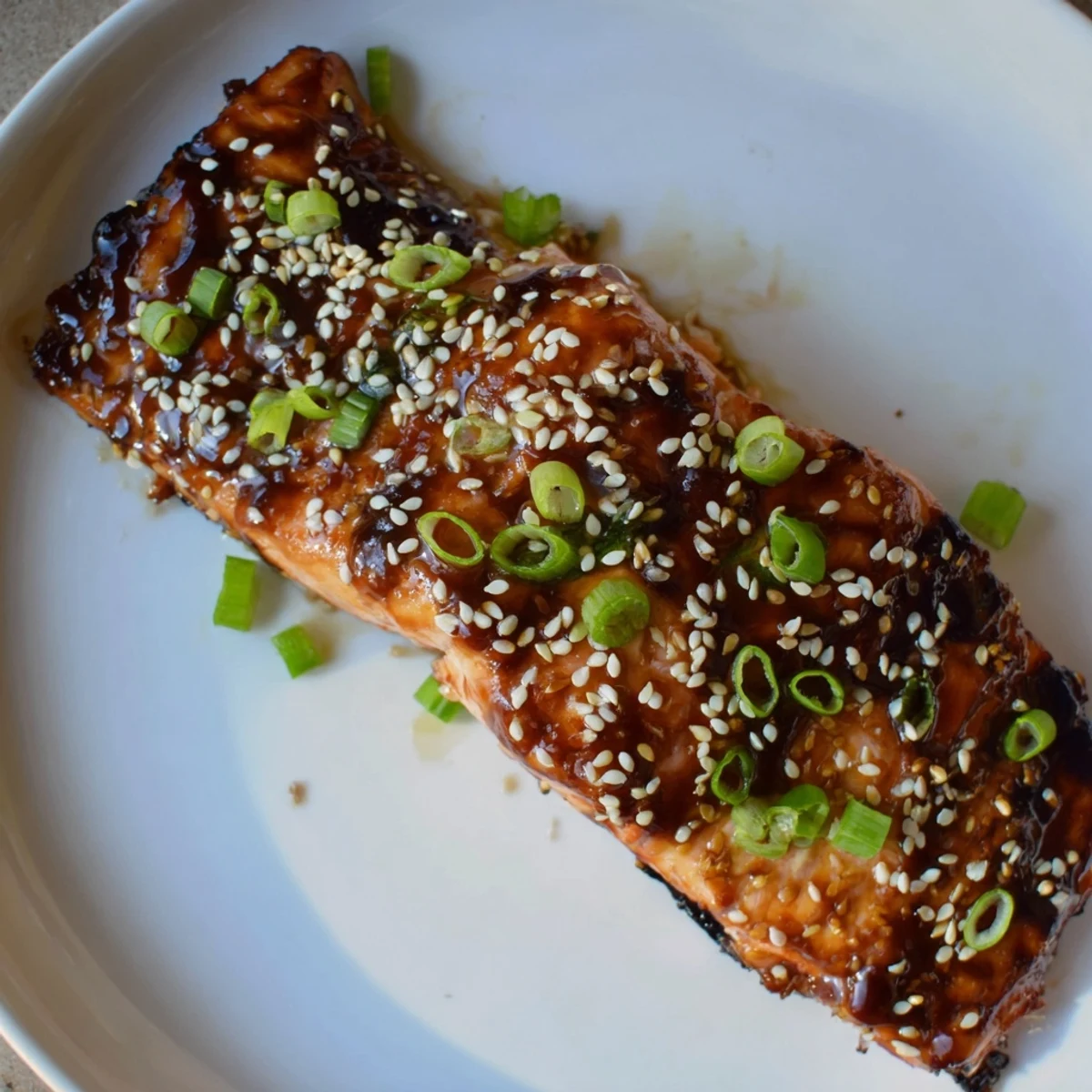
One of my favorite things about this recipe is how forgiving it is when life gets messy. You can prepare the glaze in the morning and store it in the fridge, then brush it on just before roasting when you're ready to cook. The salmon itself is best served immediately, but I've reheated leftovers gently in a 150°C oven and they've stayed tender and delicious. For extra caramelization and a slightly more dramatic finish, broil the salmon for the last minute or two of cooking—just watch it carefully because the line between perfectly charred and overdone is thin.
- If you're making this for guests, prepare the glaze ahead of time and store it in a jar; it keeps in the fridge for several days
- For a gluten-free version, use tamari instead of regular soy sauce, and everyone can enjoy it worry-free
- Leftovers make an incredible lunch the next day, flaked over salad or nestled into a grain bowl
 Pin This
 This salmon has become my go-to recipe for nights when I want to feel proud of what I'm serving without spending hours in the kitchen. It's the kind of dish that makes you look like you really have your life together, even on the nights when you definitely don't.
Recipe FAQs
- → What is the best way to get a caramelized glaze on the salmon?
-
Broiling the salmon for the last 1–2 minutes of cooking allows the glaze to caramelize beautifully without drying out the fish.
- → Can I use tamari instead of soy sauce?
-
Yes, tamari can be used as a gluten-free substitute for soy sauce, maintaining the savory depth in the glaze.
- → Should the salmon be cooked skin-on or skinless?
-
Both options work well; skin-on helps hold the fillets together during cooking and adds texture, but skinless cooks quickly and easily.
- → How can I enhance the flavor of the maple-soy glaze?
-
Adding freshly grated ginger and minced garlic to the glaze enriches the flavor with warmth and aroma, complementing the sweetness of maple syrup.
- → What sides pair well with this salmon dish?
-
Steamed jasmine rice and sautéed greens are excellent companions, balancing the glaze's sweetness with fresh, savory elements.