
 Pin This
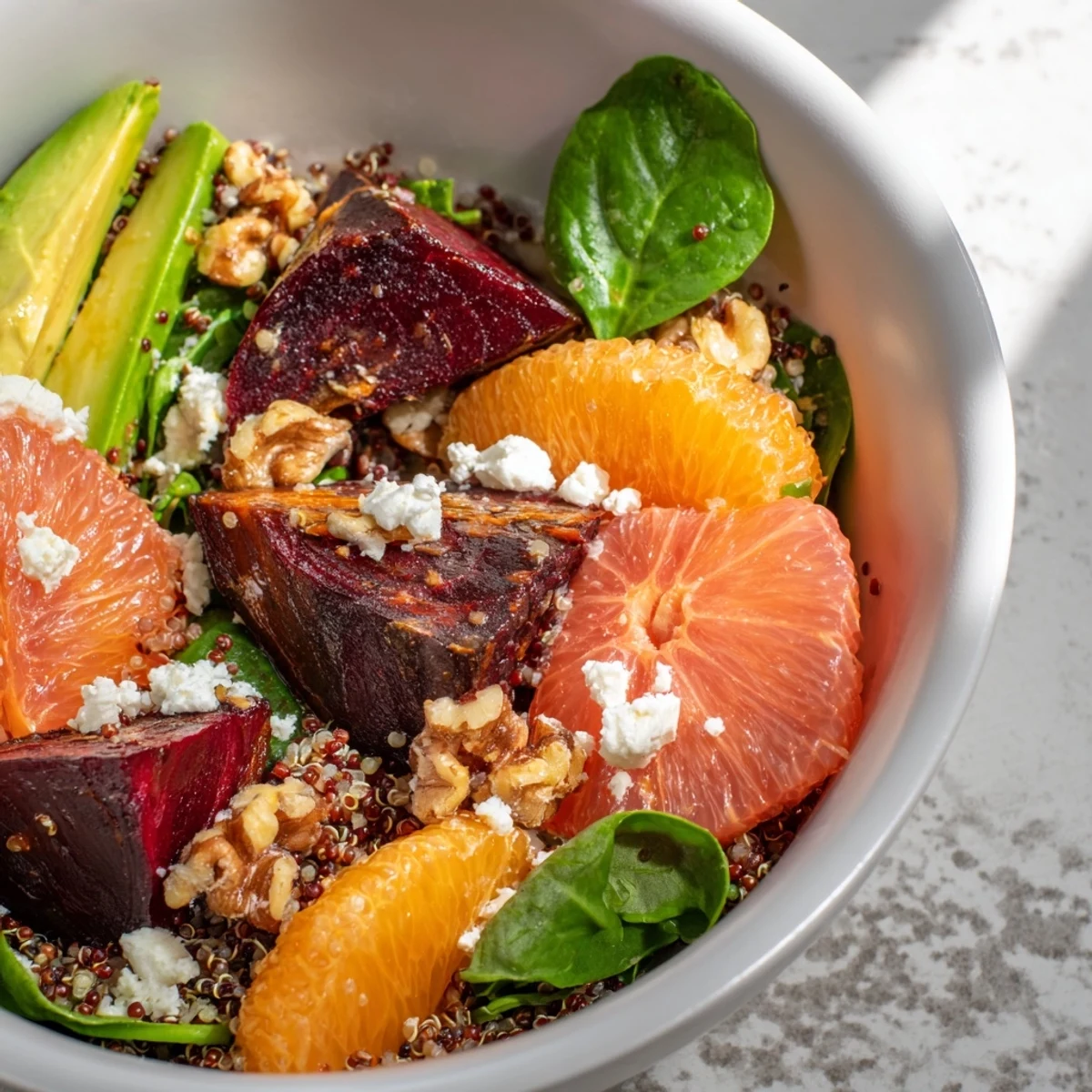
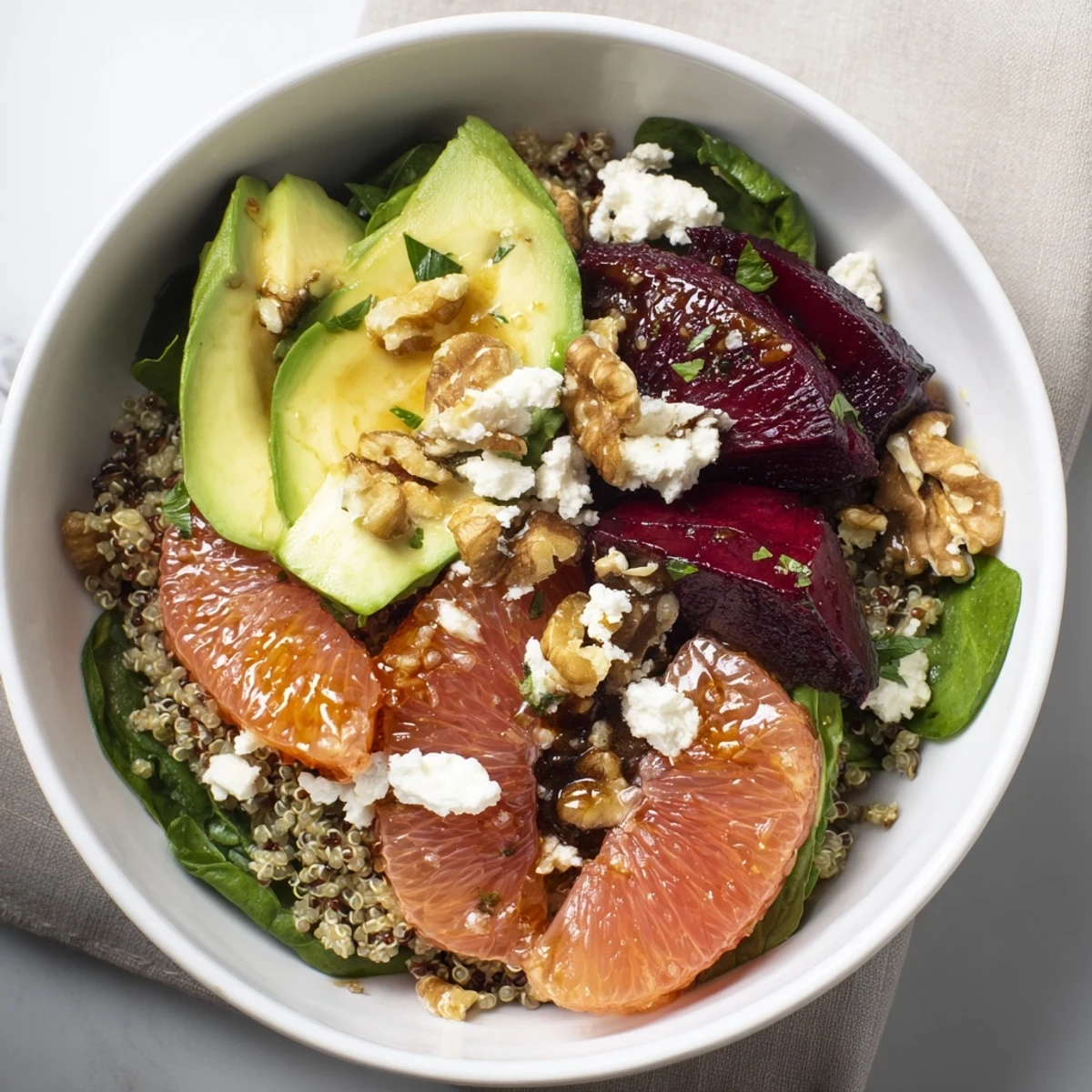
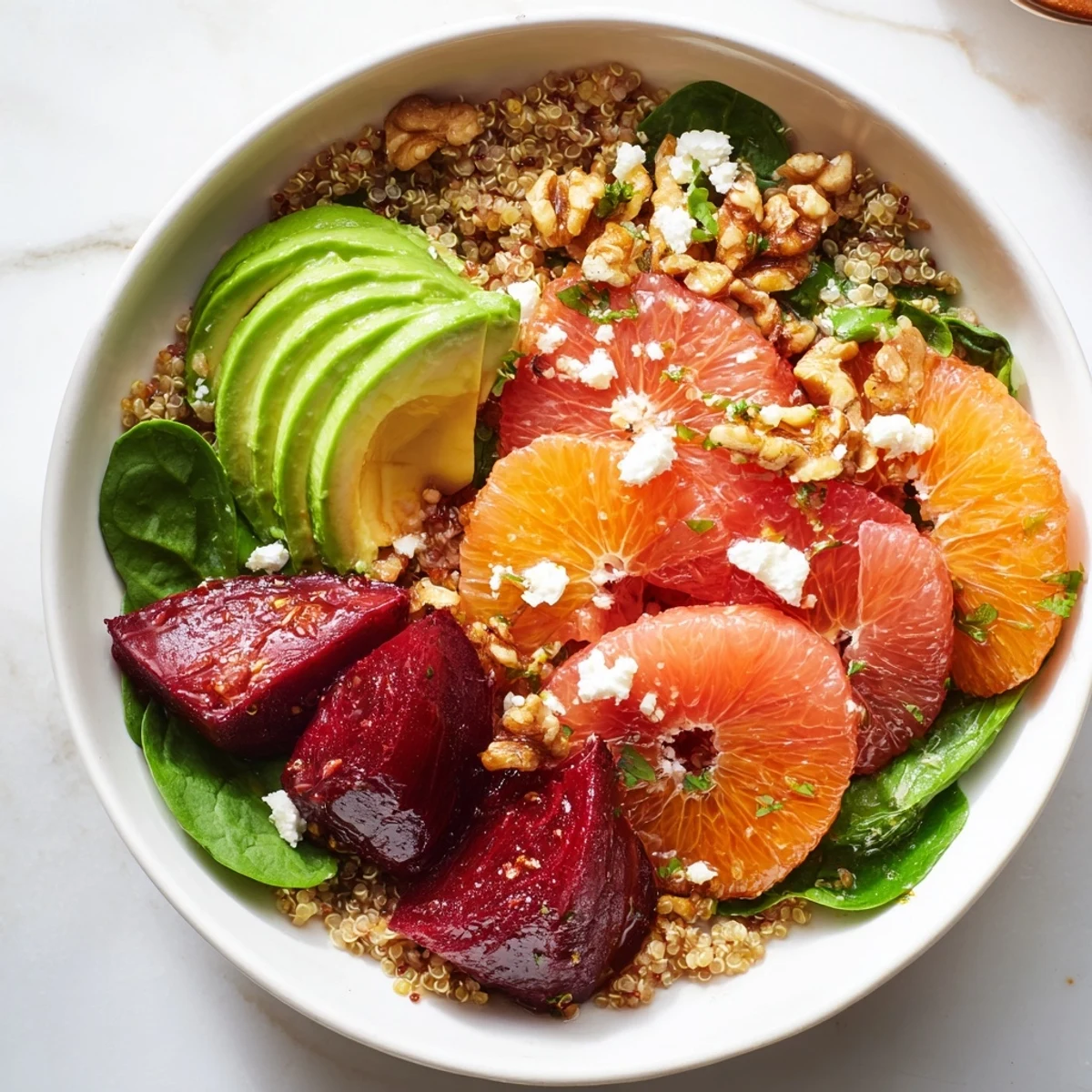
 This colorful grain bowl combines tender, caramelized roasted beets with bright citrus segments for a perfect balance of sweet and tangy flavors. The wholesome grain base—choose from farro, quinoa, or brown rice—provides satisfying texture and sustenance, while fresh baby spinach or arugula adds peppery bite.
A bright citrus-herb dressing ties everything together with notes of orange, lemon, and honey. Ready in under an hour, this versatile bowl works beautifully for meal prep and adapts easily to gluten-free or dairy-free preferences.
The first time I made this bowl, I had no idea roasted beets could taste this good. I'd always associated them with sad cafeteria salads, but something about the caramelized edges against bright citrus segments completely changed my mind. My roommate actually asked if I'd ordered takeout when she walked in and smelled everything roasting.
Last winter, during that stretch where everyone seemed to be getting sick, I made massive batches of this for meal prep. Something about all that vitamin C and vibrant color felt medicinal in the best way. My friend Sarah still texts me every time she makes it, saying it's the only thing that gets her through cold season feeling actually nourished instead of just fed.
Ingredients
- 3 medium beets, peeled and cut into wedges: Roasting transforms their earthy flavor into something almost candy-like and tender
- 2 oranges and 1 pink grapefruit, peeled and segmented: The grapefruit adds a beautiful pink contrast and slight bitterness that balances the sweet beets
- 2 cups baby spinach or arugula: Use arugula if you want a peppery kick that stands up to the roasted flavors
- 1 small red onion, thinly sliced: Soak slices in ice water for 10 minutes to mellow the sharpness
- 1 ripe avocado, sliced: Adds creamy richness that ties everything together
- 1 cup farro, quinoa, or brown rice: Farro has the chewiest texture and holds up beautifully against tender roasted vegetables
- 2 cups water or vegetable broth: Vegetable broth adds subtle depth to the grains as they cook
- 3 tablespoons extra-virgin olive oil: Divided use—some for roasting beets, the rest for the dressing
- 1 tablespoon freshly squeezed lemon juice, 1 tablespoon orange juice: Fresh citrus juice makes the dressing sing
- 1 teaspoon honey or maple syrup: Just enough to balance the acidity and bring everything together
- 1 teaspoon Dijon mustard: The secret to getting the dressing to emulsify properly
- Salt and freshly ground black pepper: Be generous with the beets before roasting
- Optional toppings: Crumbled goat cheese, toasted walnuts, fresh herbs like parsley or mint
Instructions
- Get your oven nice and hot:
- Preheat to 400°F and line a baking sheet with parchment paper for easy cleanup
- Roast the beets until they're deeply caramelized:
- Toss the wedges with 1 tablespoon olive oil, salt, and pepper, then roast for 30 to 35 minutes, turning halfway through
- Cook your grains while the beets roast:
- Rinse the grains, combine with water or broth, bring to a boil, then simmer until tender—timing varies by grain
- Whisk together the dressing:
- Combine the remaining olive oil with both citrus juices, honey or maple syrup, Dijon mustard, salt, and pepper until thickened
- Assemble the bowls:
- Toss the cooked grains, roasted beets, citrus segments, greens, and red onion with the dressing until everything is coated
- Add the finishing touches:
- Top with avocado slices and any optional toppings you're using, then serve immediately while the beets are still warm
 Pin This
 This became my go-to contribution to potlucks after I watched people bypass elaborate casseroles to get seconds of this colorful bowl. Something about the combination of warm roasted beets and cool, bright citrus makes people feel cared for.
Make Ahead Magic
I learned to roast a big batch of beets and cook extra grains on Sunday for the easiest weeknight meals ever. Everything keeps beautifully in separate containers—just warm the beets slightly before assembling, and the whole thing tastes freshly made.
Mix and Match
Sometimes I swap roasted sweet potatoes or carrots for beets when I want something different but equally comforting. The formula stays the same—roasted vegetables, cooked grains, fresh citrus, bright greens—and it never gets old.
Serving Suggestions
This bowl holds up beautifully for lunch the next day, though I recommend packing the dressing separately and tossing right before eating. For dinner, it pairs wonderfully with grilled chicken or white beans if you want extra protein.
- Try massaging the greens with a little dressing first to soften them
- Warm the leftover grains slightly before assembling cold lunches
- Add a soft-boiled egg on top for breakfast versions
 Pin This
 There's something deeply satisfying about eating a bowl that looks this beautiful and tastes this fresh. Hope it brings a little brightness to your table too.
Recipe FAQs
- → Which grains work best for this bowl?
-
Farro offers a chewy, nutty texture that pairs beautifully with roasted vegetables. Quinoa cooks quickly and provides complete protein. Brown rice delivers a familiar, hearty base. All three absorb the citrus dressing well while maintaining their structure.
- → Can I prepare components in advance?
-
Roasted beets keep well for 3-4 days when stored in an airtight container. Cooked grains refrigerate nicely for up to five days. The dressing can be made ahead and stored separately. Assemble bowls just before serving to maintain fresh textures and vibrant colors.
- → How do I prevent beets from staining other ingredients?
-
Roast beets on their own baking sheet lined with parchment. When tossing the bowl, add beets last and fold in gently rather than vigorous mixing. Using citrus segments and creamy avocado as buffers also helps contain the vibrant color.
- → What protein additions complement these flavors?
-
Chickpeas add creaminess and plant-based protein without overpowering the delicate citrus notes. Grilled chicken provides savory contrast. Pan-seared salmon pairs exceptionally well with the orange and grapefruit. Crumbled feta or goat cheese contributes tangy richness.
- → Which seasonal substitutions work well?
-
Roasted carrots or sweet potatoes can replace beets for earthy sweetness. Blood oranges or mandarins offer seasonal citrus variation. Fresh basil or cilantro work beautifully in place of mint or dill during summer months.